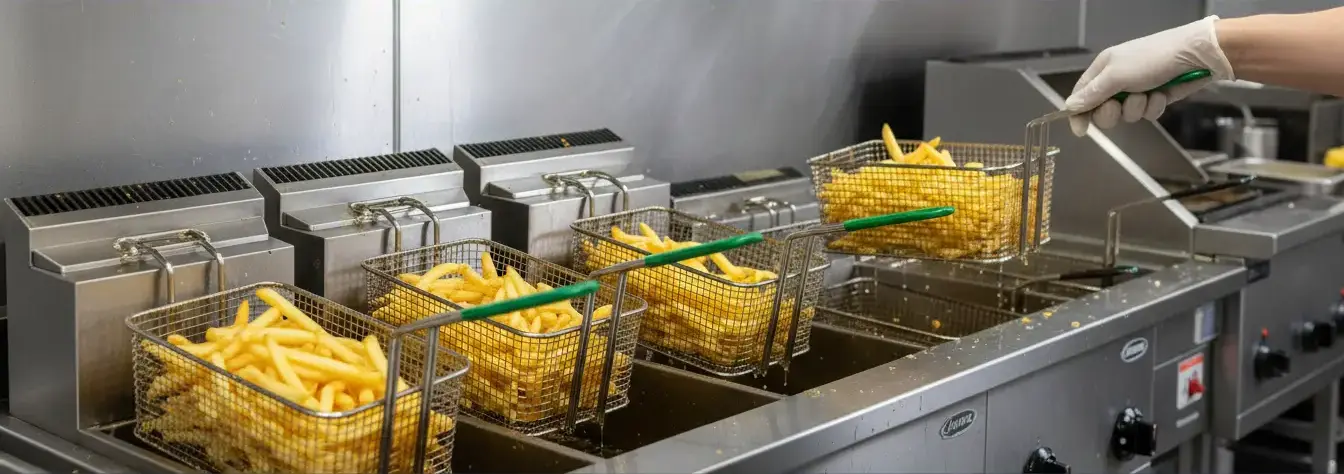
Find the Best Used Cooking Oil Collection Companies for Your Business
No obligation • Fast responses • Nationwide coverage

Why you can trust Restaurant Waste Disposal
Restaurant Waste Disposal is a leading U.S. resource for comparing restaurant composting, food-waste recycling, grease trap cleaning, and used cooking oil collection services. Our editorial team researches providers, checks credentials, and organizes unbiased information so operators can make informed decisions. Companies cannot pay to change ratings or placement.
Search providers near you
Top Used Cooking Oil Collection Companies in San Clemente, California Ranked
For every restaurant, café, and food service establishment in San Clemente, managing used cooking oil (UCO) is a critical operational and environmental responsibility. Proper grease and oil disposal is not just a best practice-it's a legal requirement in California designed to protect our sewer systems and local environment. By partnering with a licensed hauler for regular collection, San Clemente businesses ensure compliance, contribute to the circular economy by turning waste into biodiesel, and maintain a clean, safe kitchen. This guide outlines the essential steps, local regulations, and benefits of establishing a reliable used cooking oil recycling program.
The Grease Company
1116 N Harbor Blvd, Santa Ana, CA 92703
The Grease Company provides grease trap cleaning, repair, and used cooking oil collection services in Los Angeles, CA. They specialize in maintaining commercial kitchen grease traps to prevent clogs and ensure compliance with sanitation regulations. Their capabilities include hydro jetting and environmentally responsible cooking oil disposal. With 12 years of experience, The Grease Company is licensed to serve Southern California and offers transparent pricing and free quotes.
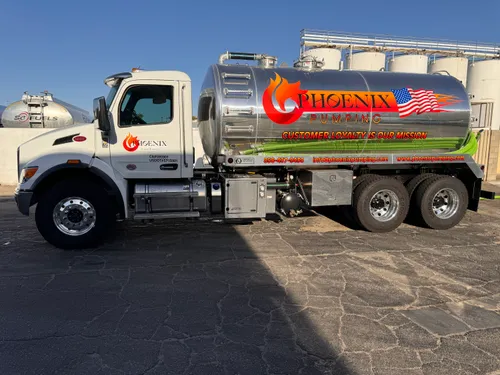
Phoenix Pumping LLC
3131 E Palmyra Ave, Orange, CA 92869
Phoenix Pumping LLC offers cooking oil recycling and grease trap cleaning services in Los Angeles, CA, extending coverage to Southern California counties as well as Arizona and Nevada. The company serves large restaurant chains and facilities with multiple kitchens, providing licensed grease trap cleaning including large outdoor installations. With over a decade of experience, Phoenix Pumping transforms used cooking oil into renewable diesel with a significantly lower carbon footprint. They provide 24/7 availability and a single point of contact for all service needs.
Understanding Local Regulations for FOG Disposal
In San Clemente and throughout California, food service establishments (FSEs) operate under strict state and local guidelines for Fats, Oils, and Grease (FOG). The cornerstone rule is that pouring used fryer oil or grease down any drain is illegal 1. This also extends to disposing of it in trash or organics bins 2. These rules exist to prevent sewer blockages, which can lead to costly backups and environmental contamination. Compliance is mandatory, and violations can result in significant fines 3.
Businesses are required to store all used cooking oil and grease in secure, spill-resistant containers. These containers must be kept in a designated area away from drains and public pathways 4. For new establishments or those undergoing renovations, the installation of a properly sized and permitted grease interceptor is typically required by city officials. The entire system-from storage to collection-is designed to ensure that every drop of used oil is accounted for and recycled properly.
The Role of Licensed IKG Haulers
A key component of compliance is using a licensed Inedible Kitchen Grease (IKG) hauler for collection. These state-approved companies, such as Mahoney Environmental or Grease Management Solutions, are authorized to transport and recycle used cooking oil 5 6. They provide the necessary documentation, like manifests, that serve as your proof of proper disposal for regulatory reviews. Attempting to handle disposal independently or with an unlicensed service puts your business at risk of non-compliance.
Setting Up Your Kitchen Oil Recycling System
A smooth, efficient collection process starts with proper kitchen protocols. After cooking, allow the oil to cool completely before handling. Most commercial kitchens then use a pump to transfer the cooled oil from fryers and tilt skillets into dedicated, sealed collection containers provided by your hauler. These containers are often lockable to prevent theft, as used cooking oil has become a valuable commodity 7.
Storage is crucial. Place your collection containers on a stable, level surface in a secondary containment area if possible, and always away from storm drains. Keeping the storage area clean minimizes pests and safety hazards. Your licensed hauler will work with you to determine the optimal container size and number based on your oil production volume.
Scheduling and the Collection Process
Collection frequency is not one-size-fits-all; it depends on your kitchen's output. High-volume restaurants may require weekly pickups, while others might schedule bi-weekly or monthly service. You will coordinate a regular pickup schedule with your chosen hauler. On service day, a specialized truck will arrive to pump the oil from your containers directly into its tank. The process is typically quick and designed to minimize disruption to your daily operations.
Following the pickup, ensure you receive and file the service documentation. This record is your tangible evidence of recycling and compliance, which is essential for any health or environmental inspection.
The Environmental & Economic Impact of Recycling
When you arrange for used cooking oil pickup in San Clemente, you're directly contributing to a sustainable loop. The collected oil is not dumped in a landfill. Instead, it is transported to a processing facility where it is cleaned and converted into valuable products. The primary end-product is biodiesel, a renewable, cleaner-burning fuel alternative 8. This oil can also be refined into base materials for lubricants, soaps, and even polymers 9.
This recycling process delivers clear environmental benefits: it reduces dependence on fossil fuels, lowers greenhouse gas emissions compared to traditional diesel, and most importantly for our community, it prevents FOG from clogging San Clemente's sewer lines. Economically, the model often benefits both parties. For kitchens that generate significant volume, the service is frequently provided at no charge, as the hauler profits from the recycled commodity.
Find the perfect used cooking oil collection companies for your needs
Get personalized recommendations and expert advice
Navigating Costs and Service Agreements
The cost structure for used cooking oil collection is primarily volume-based. Many haulers offer complimentary service to establishments that generate a steady, high volume of oil-often cited as around 40 gallons or more per pickup. In these cases, the value of the recycled oil offsets the collection cost for the service provider.
For smaller-volume generators, such as some cafes or seasonal businesses, a service fee may apply. These fees help cover the operational costs of transportation and processing. Potential fees can start in the range of $45 or more per pickup, but vary widely based on the hauler, contract terms, and distance 10. It's important to discuss pricing transparently with potential providers and understand what is included in your service agreement, such as container provision, pickup frequency, and compliance documentation.
Choosing a Service Provider in San Clemente
Selecting the right partner is key. Start by verifying that any company you consider is a licensed IKG hauler in good standing with the state of California. Look for providers with experience serving the Orange County area, as they will be familiar with local municipal requirements. Consider their service reliability, customer support, and the flexibility of their pickup schedules. Reading reviews or asking for references from other local restaurants can provide insight into their performance and professionalism.
Best Practices for Ongoing Compliance
Maintaining a compliant and efficient system requires ongoing attention. First, train all kitchen staff on the proper procedures for cooling, transferring, and storing used oil. Emphasize that drains are strictly off-limits for any FOG disposal. Second, perform regular visual checks of your storage area and containers to ensure lids are sealed and there are no leaks or spills. Promptly clean any drips or spills with absorbent materials, not water.
Keep your collection records organized and easily accessible. Finally, maintain open communication with your hauler. If your oil production changes-perhaps due to a menu shift or seasonal business fluctuation-notify them so they can adjust your service schedule or container needs accordingly, ensuring you never have overfull containers or unnecessary service fees.
Frequently asked questions
Sources
Footnotes
-
What Restaurants Should Know About California Oil Disposal ... ↩
-
What Does The California Law Say About Used Cooking Oil ... ↩
-
Used Cooking Oil Pickup vs Drop-Off - GreasePros Recycling ↩
-
Restaurant Grease Pick Up & Disposal Services in San Diego ... ↩
-
Southern California Commercial Kitchen Cooking Oil recycling ... ↩
-
What happens with the used oil from restaurants and fast-food ... ↩