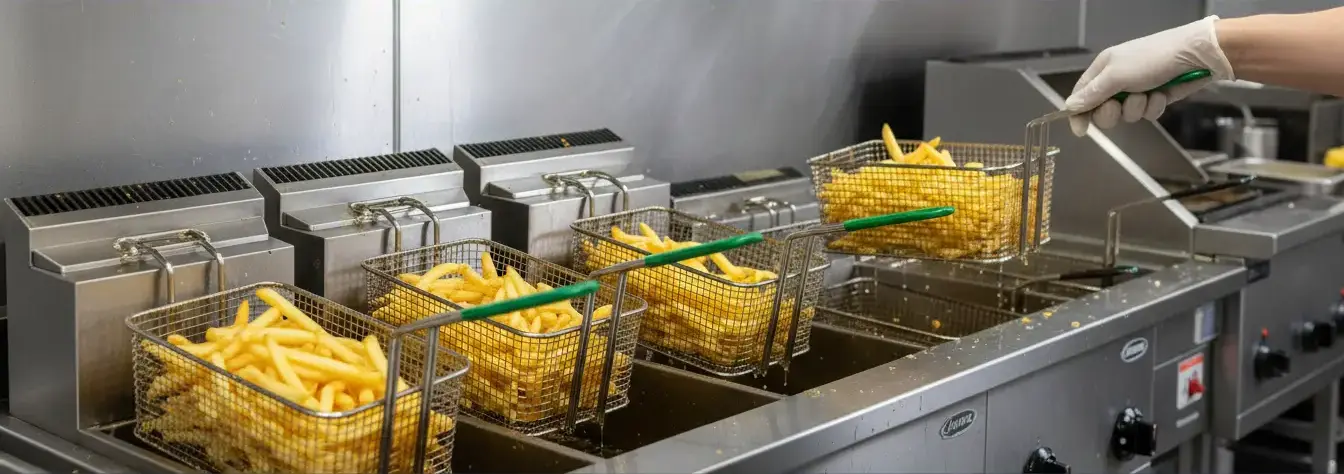
Find the Best Used Cooking Oil Collection Companies for Your Business
No obligation • Fast responses • Nationwide coverage

Why you can trust Restaurant Waste Disposal
Restaurant Waste Disposal is a leading U.S. resource for comparing restaurant composting, food-waste recycling, grease trap cleaning, and used cooking oil collection services. Our editorial team researches providers, checks credentials, and organizes unbiased information so operators can make informed decisions. Companies cannot pay to change ratings or placement.
Search providers near you
Top Used Cooking Oil Collection Companies in San Bruno, California Ranked
For restaurants and food service businesses in San Bruno, managing used cooking oil (UCO) is a critical operational and environmental responsibility. Properly handled, your waste oil transforms from a messy liability into a valuable commodity for biodiesel production, supporting local recycling efforts and reducing fossil fuel dependence. Navigating the process requires understanding specific local regulations, partnering with the right service provider, and implementing safe on-site storage practices to ensure compliance and maximize potential value.
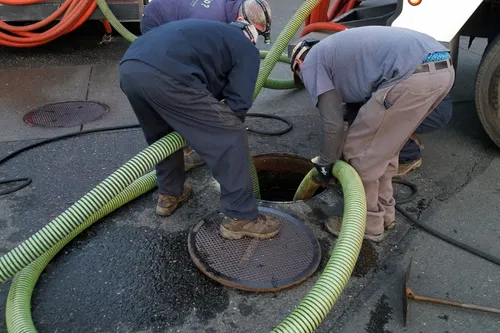
San Francisco Grease Trap Cleaning
864 Ellis St #2f, San Francisco, CA 94109
San Francisco Grease Trap Cleaning provides grease trap pumping, cleaning, and used cooking oil collection services in San Francisco, CA. They serve commercial, industrial, and manufacturing clients including restaurants, schools, and cafeterias. The company offers hydro-jetting and maintains detailed service records to ensure compliance with local health and safety codes. They recycle waste for biofuel production and dispose of non-recyclable materials responsibly. With a fleet of pump trucks and trained professionals, they accommodate various schedules to minimize business disruption. San Francisco Grease Trap Cleaning has been part of the community for years and serves surrounding areas such as Berkeley, Alameda, and Oakland.
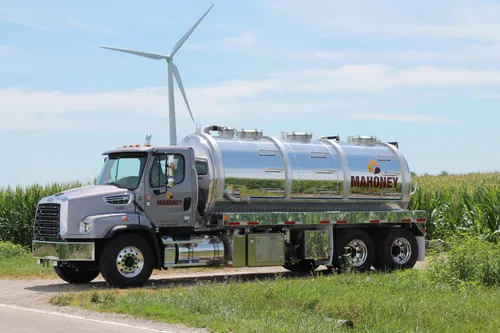
Mahoney Environmental Restaurant Oil Recycling
3501 Collins Ave, Richmond, CA 94806
Mahoney Environmental Restaurant Oil Recycling is a used cooking oil collection company based in Oakland, CA. They specialize in collecting used cooking oil from restaurants to support environmental sustainability. The company focuses on improving both financial outcomes for clients and environmental impact through responsible oil recycling.
Understanding Local Regulations for Grease and Oil
In San Bruno and across San Mateo County, businesses are required to use licensed and approved collectors for used cooking oil and grease trap waste. These regulations are enforced to prevent illegal dumping, which creates public health hazards and environmental damage, and to ensure all waste streams are properly tracked and recycled. Compliance isn't just about avoiding fines; it's a key part of the city's and county's solid waste management and pollution prevention strategies.
A cornerstone of these rules is maintaining proper documentation. Businesses must keep records of each pickup, including the date, time, amount collected, and the driver's information 1. These logs are essential for passing routine inspections conducted by county or city officials and demonstrate your commitment to responsible waste management.
Best Practices for On-Site Oil Storage and Handling
Safe and compliant storage is the first step in an effective used cooking oil management program. Proper handling not only keeps your facility safe but also preserves the quality of the oil, which can directly impact its value.
- Use Approved Containers: Oil must be stored in secure, spill-resistant containers provided by your licensed collector. These are typically lockable, fire-rated barrels or caddies with tight-fitting lids to prevent leaks, odors, and access by pests.
- Designate a Safe Storage Area: Place containers in a designated area away from storm drains, customer entrances, and food preparation zones. This minimizes slip hazards and prevents accidental contamination of the oil 2.
- Cool and Strain Before Disposal: Always allow oil to cool completely after use. Strain it to remove food particles before transferring it to your storage container. This simple step reduces contamination, which is a major factor in determining the oil's recycling value.
- Never Dump Oil: It is illegal to pour used cooking oil down drains, into toilets, or onto the ground. This can cause severe sewer blockages (fatbergs), environmental contamination, and result in significant penalties.
The Collection and Recycling Process Explained
Once you have a system in place, the collection process for your waste grease is straightforward. Partnering with a licensed service provider means they handle the logistics, from container supply to transportation.
- Collection: Your staff pours cooled, strained used cooking oil into the provided containers.
- Scheduled Pickup: Your service provider schedules regular pickups-weekly, bi-weekly, or monthly-based on your volume. They will swap out full containers for clean, empty ones.
- Transportation: The collector transports the used oil to a processing facility.
- Recycling into Biodiesel: At the facility, the oil is cleaned and processed into biodiesel, a renewable fuel that powers vehicles and equipment, closing the loop on a waste product 3.
This process ensures that your kitchen waste is diverted from landfills and contributes to the circular economy, a priority for waste management in the San Francisco Bay Area 4.
Find the perfect used cooking oil collection companies for your needs
Get personalized recommendations and expert advice
Financial Considerations: Cost, Revenue, and Value
The economics of used cooking oil collection in San Bruno can vary. Many providers structure their services to make participation easy and financially sensible for businesses of all sizes.
- Low-Volume Generators: If your establishment produces less than about 100 gallons of used oil per month, you can typically expect free pickup and container service. The recycler's revenue comes from the processed biodiesel, making this a cost-free solution for compliant disposal for smaller restaurants.
- High-Volume Generators: For businesses like large restaurants, hotels, or institutional kitchens that generate over 100 gallons per month, the dynamic can change. High-quality, well-maintained oil has significant value. Many providers offer rebate programs, where you can earn a per-gallon credit (often ranging from $0.10 to over $0.65 per gallon) based on market conditions, volume, and oil quality 5 6. This can offset other waste service costs or even become a minor revenue stream.
- Avoiding Contamination Fees: The key to maximizing value is oil quality. Containers contaminated with large amounts of water, detergent, or food solids significantly reduce the oil's value for biodiesel production. In some cases, heavily contaminated loads may incur service fees, as they require more intensive processing. Proper on-site handling is directly tied to the financial outcome.
Choosing a Service Provider in San Bruno
Your used cooking oil collector is more than just a hauler; they are a partner in compliance and sustainability. Key players in the region include national providers like Mahoney Environmental and local specialists such as The Grease Company or Grease Connections, all of whom must operate with the proper California licenses 7.
When evaluating providers, consider their reliability, customer service, and ability to supply the right containers for your space. They should clearly explain the local rules, help you set up a compliant storage area, and provide transparent information about their rebate or fee structure based on your anticipated volume.
The next step for any San Bruno restaurant is to contact licensed recyclers for a consultation. They can assess your needs, provide a customized plan for grease trap and used oil management, and outline the exact pricing or potential rebates for your operation 8 9.
Frequently asked questions
Sources
Footnotes
-
Cal. Code Regs. Tit. 3, § 1180.24 - Requirements to Document and ... - https://www.law.cornell.edu/regulations/california/3-CCR-1180.24 ↩
-
What Restaurants Should Know About California Oil Disposal ... - https://startgreencommodities.com/post/restaurant-grease-trap-requirements ↩
-
Used Cooking Oil Disposal - https://www.sfpuc.gov/learning/water-pollution-prevention/used-cooking-oil-disposal ↩
-
Solid Waste & Recycling | San Bruno, CA - https://www.sanbruno.ca.gov/399/Solid-Waste-Recycling ↩
-
Used Cooking Oil Disposal: Complete Guide to Grease Pickups - https://greaseconnections.com/used-cooking-oil-disposal-guide-grease-pickups/ ↩
-
Restaurant Used Cooking Oil Recycling & Disposal Guide - https://greaseconnections.com/restaurant-used-cooking-oil-disposal-recycling-revenue-guide/ ↩
-
City Ordinances & Laws | San Bruno, CA - https://www.sanbruno.ca.gov/838/City-Ordinances-Laws ↩
-
San Gabriel Used Cooking Oil Collection - Grease Management - https://www.greasemanagement.org/oilcollectionsangabriel.html ↩
-
Cooking Oil Collection & Grease Recycling Service - https://thegreasecompany.com/oilcollection.html ↩