Find the Best Used Cooking Oil Collection Companies for Your Business
No obligation • Fast responses • Nationwide coverage

Why you can trust Restaurant Waste Disposal
Restaurant Waste Disposal is a leading U.S. resource for comparing restaurant composting, food-waste recycling, grease trap cleaning, and used cooking oil collection services. Our editorial team researches providers, checks credentials, and organizes unbiased information so operators can make informed decisions. Companies cannot pay to change ratings or placement.
Search providers near you
Top Used Cooking Oil Collection Companies in San Bernardino, California Ranked
For restaurants, food trucks, and commercial kitchens in San Bernardino, managing used cooking oil (UCO) is a critical operational and environmental responsibility. Proper UCO collection and recycling are not just about cleanliness; they are mandated by local and state regulations designed to protect the sewer system and public health. By partnering with a licensed hauler, food service establishments can transform a waste product into a valuable commodity, contributing to the production of renewable biofuels like biodiesel while ensuring full compliance with San Bernardino's specific rules for fats, oils, and grease (FOG) management. This guide outlines the essential steps for compliant oil recycling, from proper storage to selecting a service provider.
I.E Grease
Los Angeles, CA
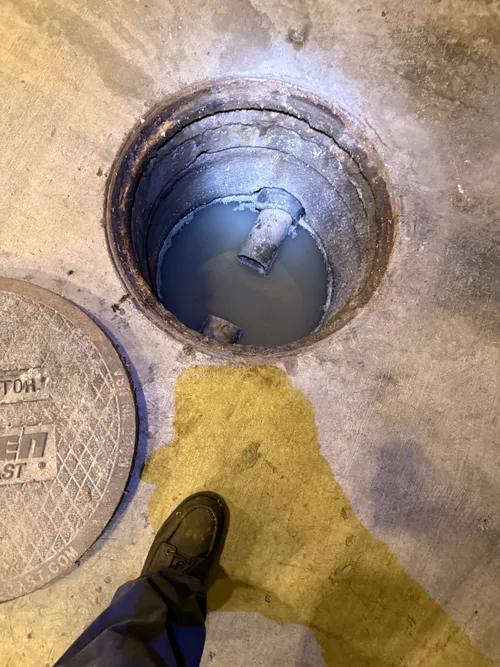
I.E Grease provides grease management services including grease trap cleaning, grease trap and interceptor baffle repair, used cooking oil collection, and hydro jetting. Based in Los Angeles, CA, they serve the Inland Empire area including San Bernardino and Riverside. The company offers 24/7 emergency grease trap and cooking oil collection services to address urgent maintenance needs. Their team is experienced and certified in grease trap maintenance and oil collection, focusing on regular scheduled maintenance to prevent costly issues.
Grease Management Solutions GMS - Grease Trap Service, Used Cooking Oil Collection & Pressure Wash
Los Angeles, CA
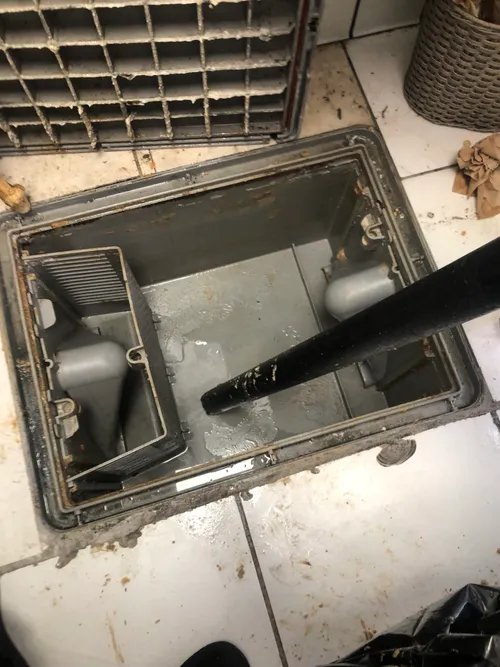
Grease Management Solutions GMS provides grease trap cleaning, used cooking oil collection, and pressure washing services for commercial kitchens in Los Angeles, CA. They specialize in maintaining grease systems to help food service businesses comply with health and safety regulations and avoid operational disruptions. Their skilled technicians handle grease trap maintenance, interceptor pumping, and advanced drain cleaning, offering customized service schedules and emergency support. The company works with subcontracted partners to ensure comprehensive service records that meet local and state requirements.
Understanding San Bernardino's FOG Management Rules
Local regulations in San Bernardino are designed to prevent sewer blockages and environmental contamination, placing specific obligations on food service businesses. At the core of these rules is the mandatory use of a state-approved, licensed inedible kitchen grease hauler for all used cooking oil and grease trap waste collection. You cannot dispose of UCO in drains, trash, or with unlicensed collectors. Licensed haulers are registered with the California Department of Food and Agriculture (CDFA) and carry specific approval stickers, which is your first checkpoint for verifying a provider's legitimacy.
A critical component of compliance is documentation. Businesses are required to maintain detailed manifest logs for every collection1. These logs, provided by your hauler, serve as your proof of proper disposal and must be available for review by city or county officials during inspections. The rules also extend to broader FOG management, including the regular cleaning and maintenance of grease interceptors and the immediate cleanup of any spills. Non-compliance with these regulations can result in significant fines, making it imperative to understand and follow the correct procedures from the start.
Step-by-Step: Proper UCO Storage and Handling
Before collection even occurs, how you store your used fryer oil on-site is crucial for safety, quality, and regulatory adherence. Following best practices ensures a smoother pickup process and can impact the financial return on your oil.
- Use Approved Containers: Used cooking oil must be stored in designated, sealed, leak-proof metal containers with secure, tight-fitting lids. These containers prevent spills, odors, and pest attraction.
- Clear Labeling: Containers should be clearly labeled with the contents and the date the oil was stored. This simple step aids in inventory management and helps haulers identify the material quickly.
- Know What's Accepted: Licensed collectors typically accept common vegetable-based oils, including canola, corn, peanut, sunflower, soybean, olive, and mixtures of these. This oil is the primary feedstock for biodiesel production.
- Prevent Contamination: The value and recyclability of your oil depend on its purity. Ensure your storage containers do not contain water, sauces, large food particles, plastics, chemicals, or motor oil2 3. Contaminated oil may be rejected or subject to disposal fees instead of generating revenue.
The Collection and Recycling Process
Once your oil is properly stored, the collection process is straightforward. You schedule regular pickups with your licensed hauler based on your volume of oil production. On the scheduled day, the service provider will arrive, safely transfer the oil from your containers into their specialized tanker truck, and provide you with a manifest document detailing the quantity collected 4. This document is a key part of your regulatory record-keeping.
The journey of your used oil then moves toward sustainability. Instead of going to a landfill, the collected UCO is transported to a processing facility. There, it undergoes filtering to remove impurities and is then converted into valuable products. The primary end product is biodiesel, a cleaner-burning renewable fuel that powers vehicles and equipment. This circular process turns a kitchen byproduct into a resource that reduces fossil fuel dependence.
Financial Considerations: Cost vs. Revenue
The economics of used cooking oil collection in San Bernardino can vary. For many establishments, especially those with higher volume, UCO can be a source of supplemental revenue rather than a disposal expense.
- Volume-Based Models: Pricing structures are typically tied to the amount of oil you generate. Smaller volumes (e.g., under 100 gallons per month) may qualify for free pickup services. Establishments that produce larger, consistent volumes often enter into agreements where they are paid for their oil, with rates fluctuating based on market conditions for biodiesel feedstock.
- Quality Determines Value: As noted, the purity of your oil directly impacts its value. Clean, well-filtered vegetable oil from fryers commands a higher price per gallon. Conversely, oil heavily contaminated with water or food debris may be deemed unfit for recycling into fuel, potentially resulting in a service fee for its disposal instead of a payment5 6.
- Service Agreements: Many providers offer comprehensive service agreements that bundle used cooking oil collection with essential maintenance services like grease trap cleaning. This can simplify operations and ensure all your FOG management needs are handled compliantly by a single provider.
Find the perfect used cooking oil collection companies for your needs
Get personalized recommendations and expert advice
Choosing a Licensed Collection Service in San Bernardino
Selecting the right partner for your used cooking oil collection is a business decision that affects your compliance, operational efficiency, and bottom line. Start by verifying that any provider you consider is a licensed inedible kitchen grease hauler with current CDFA approval7 8. Ask for proof of their license and insurance. Look for companies with a strong local presence and reputation for reliable service in the San Bernardino area, such as Grand Natural or The Grease Company, which actively service the region9 10 11.
When evaluating proposals, consider the full scope of services. Do they provide sturdy, compliant collection containers? How flexible are their pickup schedules? What is their process for providing the required manifest documentation? Transparency in pricing is also key-understand whether the arrangement involves a payment to you, a free service, or a fee structure. Finally, read reviews or ask for references from other local restaurants to gauge reliability and customer service.
The Environmental Impact of UCO Recycling
Participating in a formal used cooking oil collection program is a significant environmental action for San Bernardino businesses. When UCO is poured down drains, it solidifies in sewer pipes, contributing to costly blockages, sanitary sewer overflows, and water pollution12. By ensuring it is collected properly, you directly help protect local waterways and infrastructure.
Furthermore, recycling UCO into biodiesel creates a closed-loop system. Biodiesel burns cleaner than petroleum diesel, reducing greenhouse gas emissions and particulate matter13. By providing the raw material for this renewable fuel, your restaurant contributes to a reduction in fossil fuel consumption and supports California's broader clean energy goals. It's a practical way to enhance your business's sustainability profile and demonstrate environmental stewardship to your community.
Frequently asked questions
Sources
Footnotes
-
Cal. Code Regs. Tit. 3, § 1180.24 - Requirements to Document and ... - https://www.law.cornell.edu/regulations/california/3-CCR-1180.24 ↩
-
Used Cooking Oil (UCO) Collection Service For Restaurants - https://thegreasecompany.com/blog/restaurant-used-cooking-oil-collection/ ↩
-
Used Cooking Oil Collection For Restaurants - https://greasemanagement.org/greasecollection.html ↩
-
Cooking Oil Collection & Grease Recycling Service - https://thegreasecompany.com/oilcollection.html ↩
-
Restaurant Used Cooking Oil: Disposal, Recycling & Revenue Guide - https://greaseconnections.com/restaurant-used-cooking-oil-disposal-recycling-revenue-guide/ ↩
-
Used Cooking Oil Pricing & Business Guide - Grease Connections - https://greaseconnections.com/used-cooking-oil-pricing-guide/ ↩
-
Southern California Commercial Kitchen Cooking Oil recycling ... - https://thegreasecompany.com/blog/how-the-grease-is-protecting-you-by-recycling-cooking-oil/2/ ↩
-
What Does The California Law Say About Used Cooking Oil Disposal? - https://www.grandnatural.com/blog/what-does-the-california-law-say-about-used-cooking-oil-disposal.html ↩
-
Grease Trap Cleaning Service In San Bernardino & Cooking Oil ... - https://thegreasecompany.com/sanbernardino.html ↩
-
Used Cooking Oil Pickup and Recycling Services in San Bernardino - https://www.grandnatural.com/locations/used-cooking-oil-recycling-in-san-bernardino.html ↩
-
TOP Grease & Used COOKING OIL Collection COMPANY Near Anaheim, Ca - https://thegreasecompany.com/cookingoilcollectionanaheim.html ↩
-
Cooking Oil Recycling - San Bernardino County Stormwater Program - https://sbcountystormwater.org/residents/toxic-items/cooking-oil-recycling/ ↩
-
Recycling Used Cooking Oil With Green Grease Environmental - https://www.youtube.com/watch?v=KP05Yx-GkHk ↩