
Find the Best Used Cooking Oil Collection Companies for Your Business
No obligation • Fast responses • Nationwide coverage

Why you can trust Restaurant Waste Disposal
Restaurant Waste Disposal is a leading U.S. resource for comparing restaurant composting, food-waste recycling, grease trap cleaning, and used cooking oil collection services. Our editorial team researches providers, checks credentials, and organizes unbiased information so operators can make informed decisions. Companies cannot pay to change ratings or placement.
Search providers near you
Top Used Cooking Oil Collection Companies in Pittsburg, California Ranked
For restaurants and food service establishments in Pittsburg, managing used cooking oil (UCO) is a critical operational and environmental responsibility. Proper collection and recycling of this waste stream are not only mandated by California law but also present a valuable opportunity to turn a disposal challenge into a potential revenue source. Navigating the local regulations, which involve the East Bay Municipal Utility District (EBMUD) and state licensing requirements, is essential for compliance and avoiding significant fines. By partnering with a licensed hauler, Pittsburg businesses can ensure their waste vegetable oil is handled correctly, transformed into biodiesel, and contributes to a more sustainable local economy.
Understanding Local Regulations and Compliance
In Pittsburg, and throughout California, the disposal of used kitchen grease is strictly regulated. The core rule is simple: restaurants must contract with a licensed Inedible Kitchen Grease (IKG) hauler registered with the California Department of Food and Agriculture (CDFA) for all pickups 1 2. Attempting to dispose of oil yourself, or hiring an unlicensed collector, is illegal and can lead to costly penalties.
A primary focus of these regulations is preventing Fats, Oils, and Grease (FOG) from entering the sewer system. Pouring used fryer oil down a drain is a major violation, as it solidifies and causes severe pipe blockages, leading to sewer overflows and environmental damage. The East Bay Municipal Utility District (EBMUD), which oversees wastewater in the area, has stringent rules against this and provides resources for proper FOG management 3. Compliance isn't just about pickup; it also involves proper on-site equipment like grease traps or interceptors, which require regular cleaning and maintenance logs.
Key Compliance Steps for Pittsburg Restaurants:
- Contract with a Licensed Hauler: Verify your used cooking oil collector is a CDFA-registered IKG transporter.
- Never Pour Grease Down Drains: Implement strict kitchen protocols to keep all FOG out of sinks and floor drains.
- Maintain Grease Traps: Ensure traps are cleaned professionally when they are 25% full or on a schedule (e.g., every 30-90 days) as required 4.
- Secure Proper Documentation: Your hauler should provide you with proof of each pickup. Keep these records for inspections.
The Professional Collection and Recycling Process
Working with a professional used cooking oil collection service streamlines waste management into a reliable, hands-off process. It begins with scheduling regular pickups based on your kitchen's oil production volume. Reputable providers often supply sealed, secure storage containers or tanks to hold the oil safely between collections, preventing spills, odors, and pests.
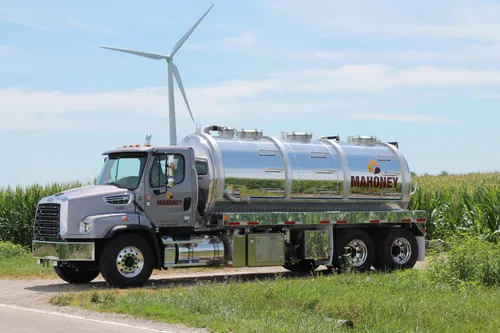
On collection day, a trained technician will pump the oil from your storage container directly into their specialized truck. This efficient transfer minimizes mess and operational disruption. A crucial part of this service is the documentation provided after each pickup. This proof of lawful recycling is your key record for demonstrating compliance during health or environmental inspections.
Once collected, the oil begins its second life. It is transported to a processing facility where it is filtered and purified. The primary end product is biodiesel, a renewable, cleaner-burning fuel 5 6. This recycling loop transforms a waste product into a valuable resource, reducing reliance on fossil fuels and contributing to a circular economy right here in the East Bay.
Potential Costs and Revenue from Oil Recycling
The financial model for used cooking oil collection in Pittsburg is directly tied to your monthly production volume. It's important to view your oil not as trash, but as a commodity with market value.
- Low-Volume Producers (e.g., under 40 gallons/month): If your establishment generates smaller amounts of oil, you will likely work with a service that may charge a modest monthly fee for collection and container rental, ensuring compliant disposal without the hassle.
- Medium-Volume Producers (e.g., 40-300 gallons/month): At this level, the value of the oil often offsets the service cost. Many providers offer free pickup and may even provide a small rebate, typically in the range of $0.10 to $0.25 per gallon, turning a cost center into a neutral or slightly positive line item 7.
- High-Volume Producers (e.g., over 300 gallons/month): For large restaurants, institutional kitchens, or food processors, used cooking oil becomes a significant revenue stream. With substantial, consistent volume, you can earn more substantial rebates, potentially from $0.25 to over $0.65 per gallon 8 9. At this scale, the revenue can cover other operational costs and contribute directly to the bottom line. Providers often incentivize high-volume accounts with free, high-capacity storage tanks.
Find the perfect used cooking oil collection companies for your needs
Get personalized recommendations and expert advice
Best Practices for On-Site Oil Management
Proper handling before the collector arrives is vital for safety, compliance, and maximizing the value of your oil. Clean oil is more valuable and easier to recycle into high-quality biodiesel.
Storage is Key: Always store cooled used oil in the dedicated, tightly sealed container provided by your hauler. Keep containers in a secure, sheltered area away from public view, storm drains, and potential spill pathways. Immediately clean up any spills using absorbent materials-never hose grease into a parking lot or drain 10.
Maintain Oil Quality: Avoid cross-contamination. Do not mix used cooking oil with water, soap, sanitizer, or other liquid waste. These contaminants degrade the oil's value and complicate the recycling process. Train kitchen staff to pour oil only into the designated collection vessel after it has cooled sufficiently.
Schedule Smartly: Work with your hauler to establish a pickup frequency that matches your usage patterns. This prevents overflows, reduces the risk of spills, and ensures you have adequate storage capacity. Consistent, reliable service is the hallmark of a good partnership.
Choosing a Service Provider in Pittsburg
Selecting the right used cooking oil collection partner is a business decision. Look for a provider with a strong local presence and a proven track record of reliability and compliance. First and foremost, confirm their CDFA IKG hauler license is current.
Ask detailed questions about their service terms. Do they offer free containers or tanks? What is their pickup schedule and reliability? How do they handle documentation and provide proof of recycling? For businesses with significant volume, understanding their rebate structure and payment terms is essential.
Finally, consider their environmental commitment. Inquire about the end destination for the oil and their partnerships with biodiesel refiners. A provider dedicated to the full recycling chain demonstrates a commitment to sustainability that aligns with the values of many Pittsburg businesses and consumers.
Frequently asked questions
Sources
Footnotes
-
Cooking Oil Collection & Grease Recycling Service - https://thegreasecompany.com/oilcollection.html ↩
-
What Does The California Law Say About Used Cooking Oil ... - https://www.grandnatural.com/blog/what-does-the-california-law-say-about-used-cooking-oil-disposal.html ↩
-
Household Hazardous Waste | City of Pittsburg - https://www.pittsburgca.gov/services/environmental-services/household-hazardous-waste ↩
-
What Restaurants Should Know About California Oil Disposal ... - https://startgreencommodities.com/post/restaurant-grease-trap-requirements ↩
-
Used Cooking Oil (UCO) Collection Service For Restaurants - https://thegreasecompany.com/blog/restaurant-used-cooking-oil-collection/ ↩
-
Recycling Used Cooking Oil With Green Grease Environmental - https://www.youtube.com/watch?v=KP05Yx-GkHk ↩
-
Southern California Commercial Kitchen Cooking Oil recycling ... - https://thegreasecompany.com/blog/how-the-grease-is-protecting-you-by-recycling-cooking-oil/2/ ↩
-
Restaurant Used Cooking Oil Recycling & Disposal Guide - https://greaseconnections.com/restaurant-used-cooking-oil-disposal-recycling-revenue-guide/ ↩
-
Do you get paid for used cooking oil? : r/cookingoilrecycling - Reddit - https://www.reddit.com/r/cookingoilrecycling/comments/1kvlxl5/do_you_get_paid_for_used_cooking_oil/ ↩
-
Used Cooking Oil Collection / Pick Up & Recycling. - https://greasemanagement.org/usedoilcollection.html ↩