
Find the Best Used Cooking Oil Collection Companies for Your Business
No obligation • Fast responses • Nationwide coverage

Why you can trust Restaurant Waste Disposal
Restaurant Waste Disposal is a leading U.S. resource for comparing restaurant composting, food-waste recycling, grease trap cleaning, and used cooking oil collection services. Our editorial team researches providers, checks credentials, and organizes unbiased information so operators can make informed decisions. Companies cannot pay to change ratings or placement.
Search providers near you
Top Used Cooking Oil Collection Companies in Palo Alto, California Ranked
For restaurants and food service establishments in Palo Alto, responsible management of used cooking oil (UCO) is a critical operational and environmental responsibility. Proper grease collection and disposal are not just about cleanliness; they are mandated by local ordinances to protect the city's wastewater infrastructure from harmful Fats, Oils, and Grease (FOG). By partnering with a licensed hauler, your business can transform a waste product into valuable biofuels, ensuring compliance while contributing to a circular economy. This guide outlines the essential steps, local rules, and service options for effective UCO management in Palo Alto.
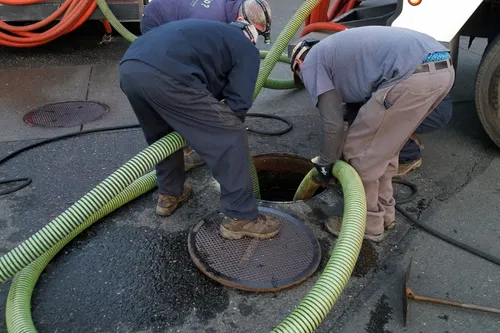
Understanding Palo Alto's Grease Control Mandates
All food service facilities in Palo Alto are required to install, operate, and maintain grease control devices, commonly known as grease traps or interceptors1 2. This is a foundational step in preventing FOG from entering the sanitary sewer system, where it can cool, solidify, and cause major blockages leading to costly backups and environmental spills. The City of Palo Alto's municipal code specifies strict requirements for waste oil storage, emphasizing the use of secure, non-reactive containers3. Compliance isn't optional-it's a legal requirement for operating your business, and proper used cooking oil collection is a key component of a comprehensive grease management plan.
Step-by-Step: From Fryer to Biofuel
A well-organized UCO handling process protects your kitchen and streamlines service.
1. Safe Cooling and Collection After use, allow oil to cool completely in the fryer or cooking vessel. Once safe to handle, it should be carefully transferred into an approved, leak-proof storage container. These are typically provided by your collection service and are made of durable materials like stainless steel or heavy-duty plastic with tight-sealing lids.
2. Proper On-Site Storage Designate a storage area for your UCO container, preferably near a rear service door for easy hauler access. This area must be impervious to spills and located away from storm drains, sanitary sewers, and food preparation zones. Crucially, never mix used cooking oil with water, food waste, or other liquids. Contamination complicates recycling and is a violation of best practices and often local codes.
3. Scheduled Professional Pickup Your licensed hauler will establish a regular pickup schedule-weekly, bi-weekly, or monthly-based on your volume. Companies like North Bay Restaurant Services or The Grease Company specialize in this service in the Bay Area. On collection day, they will pump or swap out your full container, leaving you with a clean, empty one for continued use.
4. Recycling and Repurposing The collected oil is transported to a processing facility where it is filtered and purified. From there, it begins a new life as a feedstock for renewable biodiesel, a clean-burning alternative fuel, or is refined into industrial lubricants and other products 4. This process ensures the valuable resource is recovered rather than landfilled.
Choosing a Licensed Collection Service in Palo Alto
Selecting the right partner is essential for reliable, compliant service. In California, transporters of waste cooking oil must be licensed by the California Department of Food and Agriculture (CDFA). Always verify a provider's licensing status. Local and regional providers familiar with Palo Alto's specific regulations can offer significant advantages.
- GreenWaste Recovery: As a major commercial waste handler in the region, GreenWaste likely provides or can coordinate used cooking oil collection services for businesses in Palo Alto5.
- Specialized Bay Area Providers: Companies such as The Grease Company and North Bay Restaurant Services focus specifically on grease trap and UCO services, offering tailored collection schedules, container maintenance, and compliance documentation 6 7.
- Service Scope: When evaluating providers, inquire about their full range of services. Many offer integrated solutions that include both used oil collection and routine grease trap cleaning, providing a one-stop shop for all your FOG management needs8 9.
Find the perfect used cooking oil collection companies for your needs
Get personalized recommendations and expert advice
Cost Structure and Potential Revenue
The financial model for UCO collection can vary. Many services offer free pickup for smaller volumes of oil, typically under 100 gallons per month, as the value of the recycled commodity covers their cost. For establishments with higher collection frequency, specialized container needs, or lower oil output, a monthly service fee is common. These fees can range from $50 to over $200 per month, depending on the scope of service.
For high-volume producers, such as large restaurants or institutional kitchens generating over 300 gallons per month, the dynamic can shift. Some renderers or large-scale recyclers may offer rebates or revenue-sharing programs, where the restaurant can earn back a portion of the oil's value, sometimes quoted in a range of $0.40 to $0.65 per gallon, though market prices fluctuate10 11. It's important to discuss both fees and potential rebate structures with any service provider.
Synergy with Broader Waste Reduction Goals
Proper used cooking oil disposal aligns seamlessly with Palo Alto's sustainability initiatives. The city's "Recycle Ready" campaign actively encourages businesses to keep food and liquids out of recycling and garbage streams to improve the quality of recyclable materials12. By diverting UCO to biofuel production, your restaurant directly supports this goal. Furthermore, a robust grease management program that pairs oil collection with regular trap maintenance minimizes the risk of sewer overflows, protecting local waterways like the San Francisco Bay. This holistic approach to waste turns a regulatory obligation into a demonstrable environmental commitment for your business.
Common Compliance Pitfalls to Avoid
Even with good intentions, mistakes can happen. Here are key violations to steer clear of:
- Improper Disposal: Pouring used oil down any drain, into a toilet, or into a storm sewer is illegal and can result in significant fines.
- Inadequate Storage: Using unapproved, damaged, or unsealed containers that can leak or attract pests.
- Mixing Streams: Combining oil with soapy water, food scraps, or other waste, which renders it unrecyclable and complicates disposal.
- Using Unlicensed Haulers: Contracting with a transporter who lacks proper CDFA licensing puts your business at risk for non-compliance 13.
By understanding the regulations, implementing clear internal procedures, and partnering with a reputable, licensed service, your Palo Alto restaurant can master the essentials of used cooking oil collection efficiently and responsibly.
Frequently asked questions
Sources
Footnotes
-
Used Cooking Oil Disposal: Complete Guide to Grease Pickups - https://greaseconnections.com/used-cooking-oil-disposal-guide-grease-pickups/ ↩
-
Navigating Legal Requirements for Used Cooking Oil Disposal - https://bakercommodities.com/blog/2024/02/08/legal-requirement-used-cooking-grease/ ↩
-
16.13.170 Waste oil storage requirements for food facilities. - https://codelibrary.amlegal.com/codes/paloalto/latest/paloalto_ca/0-0-0-96967 ↩
-
What happens with the used oil from restaurants and fast-food ... - https://www.quora.com/What-happens-with-the-used-oil-from-restaurants-and-fast-food-chains-Is-there-any-sort-of-recycling ↩
-
COMMERCIAL SERVICES - https://www.greenwaste.com/wp-content/uploads/2023_Commercial-Guide-compressed_1.pdf ↩
-
Used Cooking Oil (UCO) Collection Service For Restaurants - https://thegreasecompany.com/blog/restaurant-used-cooking-oil-collection/ ↩
-
Cooking Oil Collection & Grease Recycling Service - https://thegreasecompany.com/oilcollection.html ↩
-
Used Cooking Oil Collection & Recycling - North Bay Restaurant Services - https://northbayrestaurantservices.com/used-cooking-oil-collection-recycling-bay-area/ ↩
-
Recycling Used Cooking Oil With Green Grease Environmental - https://www.youtube.com/watch?v=KP05Yx-GkHk ↩
-
Restaurant Used Cooking Oil: Disposal, Recycling & Revenue Guide - https://greaseconnections.com/restaurant-used-cooking-oil-disposal-recycling-revenue-guide/ ↩
-
Used Cooking Oil Pickup vs Drop-Off-What's Best for Restaurants? - https://www.greaseprosrecycling.com/used-cooking-oil-pickup-vs-drop-off/ ↩
-
Recycle Ready - City of Palo Alto, CA - https://www.paloalto.gov/Departments/Public-Works/Zero-Waste/What-Goes-Where/Recycle-Ready ↩
-
Southern California Commercial Kitchen Cooking Oil recycling ... - https://thegreasecompany.com/blog/how-the-grease-is-protecting-you-by-recycling-cooking-oil/2/ ↩