Find the Best Used Cooking Oil Collection Companies for Your Business
No obligation • Fast responses • Nationwide coverage

Why you can trust Restaurant Waste Disposal
Restaurant Waste Disposal is a leading U.S. resource for comparing restaurant composting, food-waste recycling, grease trap cleaning, and used cooking oil collection services. Our editorial team researches providers, checks credentials, and organizes unbiased information so operators can make informed decisions. Companies cannot pay to change ratings or placement.
Search providers near you
Top Used Cooking Oil Collection Companies in Palmdale, California Ranked
For restaurants and food service establishments in Palmdale, managing used cooking oil (UCO) and fats, oils, and grease (FOG) is a critical operational and environmental responsibility. The city enforces strict local rules to protect the sewer system from costly and damaging blockages and overflows. Compliance isn't just about disposal; it involves a systematic process of proper storage, collection by licensed professionals, and detailed documentation. Partnering with a certified hauler for grease trap cleaning and waste oil pickup transforms a potential liability into a sustainable practice, as the collected material is often recycled into valuable products like biodiesel. This guide outlines the essential steps, legal requirements, and benefits of establishing a compliant and efficient used cooking oil management program in Palmdale.
All In Sanitation | Septic Tank Pumping | Grease Trap Pumping
13151 San Fernando Rd, Sylmar, CA 91342
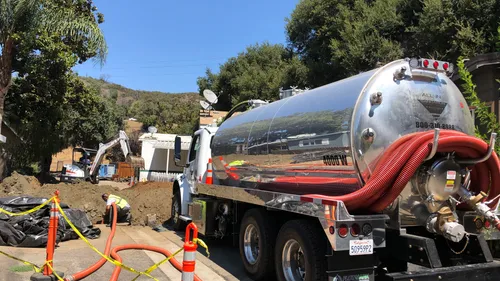
All In Sanitation | Septic Tank Pumping | Grease Trap Pumping provides a range of sanitation services in Los Angeles, CA, including septic tank pumping, grease trap cleaning, RV waste pumping, and used cooking oil disposal. The company serves both residential and commercial clients, helping maintain clean and efficient septic systems, grease traps, and RV waste tanks. They also offer advanced grease trap cleaning techniques such as hydro jetting to reduce odors and fire hazards. A sub-division, LEND Environmental, focuses on sustainable used cooking oil collection and biofuel production. All In Sanitation emphasizes honesty, affordability, and experience in its service approach.
LEND ENVIRONMENTAL | Used Cooking Oil Collection & Recycling Facility
13141 San Fernando Rd, Sylmar, CA 91342
LEND Environmental is a used cooking oil collection and recycling facility based in Los Angeles, CA. The company partners with local restaurants, hotels, schools, hospitals, casinos, and other industrial kitchens to collect and refine used cooking oil into biodiesel and other valuable products. Their services include grease trap pumping, preventative maintenance, hydro jetting, video inspection, pressure washing, and animal by-product recycling. LEND Environmental operates a refining facility that uses advanced technology to process and recycle cooking oil, reducing landfill waste and supporting sustainable fuel production. The company offers 24/7 availability and emergency services as needed.
Understanding Palmdale's F.O.G. Control Program
The City of Palmdale operates a dedicated Fats, Oils, and Grease (F.O.G.) Control Program to safeguard the municipal sewer infrastructure 1. When FOG is poured down drains, it cools, solidifies, and adheres to pipe walls, eventually causing severe blockages that can lead to sewer backups into streets, businesses, and homes. These sanitary sewer overflows (SSOs) pose public health risks and result in significant environmental cleanup costs, which are often passed on to the community and non-compliant businesses through fines.
The program mandates that all food service establishments, including restaurants, cafeterias, bakeries, and any facility that prepares food, must properly manage their grease waste. This isn't a suggestion-it's a codified requirement with enforceable consequences. City inspectors actively monitor compliance, and violations can lead to substantial penalties. The cornerstone of the program is the requirement to use licensed haulers for all used cooking oil and grease trap waste collection, ensuring that these materials are handled responsibly from your establishment to an approved recycling or disposal facility.
Legal and Regulatory Requirements for Businesses
Navigating the legal landscape for used cooking oil disposal in California requires attention to both state and local regulations. Failure to comply can result in fines, operational disruptions, and damage to your business's reputation.
- Mandatory Use of Licensed Haulers: In Palmdale, you cannot simply give your used oil to any waste collector. You are required to contract with a hauler licensed by the California Department of Food and Agriculture (CDFA) for the transportation of inedible kitchen grease 2 3. These licensed renderers or transporters are legally authorized to handle, transport, and recycle the material.
- Grease Interceptor Maintenance: Local plumbing codes require food service establishments to install and maintain approved grease traps or interceptors. These devices capture grease before it enters the wastewater stream. A critical part of compliance is having these interceptors pumped and cleaned regularly by a licensed service provider to ensure they function correctly.
- The Manifest System: Your Proof of Compliance: Every time a licensed hauler picks up your used cooking oil or cleans your grease trap, they must provide you with a detailed manifest report 4 5. This document is your legal receipt and is crucial for audits. It typically includes the date, time, volume of material collected, the hauler's license number, and the driver's signature. You must retain these manifests for a specified period (often several years) as proof that you are managing your FOG waste properly 5.
- Proper On-Site Storage: Before pickup, used oil must be stored correctly. Regulations typically require storage in tightly sealed, durable, and non-reactive containers (such as stainless steel or approved plastic drums) that are clearly labeled 6. These containers should be kept in a secure, accessible area away from public access and protected from heat and direct sunlight to prevent degradation and accidents.
The Step-by-Step Collection and Recycling Process
Establishing a routine for your used cooking oil management simplifies compliance and operational flow. Here's how a typical service cycle works with a professional provider:
- Collection & Storage: After cooking, allow the oil to cool completely. Then, filter it (if possible) to remove large food particles and transfer it into your dedicated, sealed storage container. Many service providers supply these containers as part of their service agreement.
- Scheduled Pickup: Your contracted, licensed hauler will arrive on a pre-arranged schedule-whether weekly, bi-weekly, or monthly-based on your volume of oil production. They will pump or collect the oil from your storage container.
- Documentation Transfer: At the time of pickup, the driver will complete a manifest report. Ensure you receive your copy and file it immediately. This step is non-negotiable for maintaining a verifiable chain of custody.
- Transportation & Recycling: The hauler transports the collected used cooking oil to a certified processing facility. Here, the oil is cleaned and refined. A significant portion is recycled into biodiesel, a renewable fuel, or used in the production of animal feed, cosmetics, and other industrial products 7. This closed-loop process is the environmental and economic heart of proper UCO management, turning waste into a resource.
Benefits of Professional Used Cooking Oil Management
Moving beyond mere compliance, partnering with a professional for your grease recycling and oil collection offers tangible advantages for your Palmdale business.
- Risk Mitigation and Cost Avoidance: The most immediate benefit is avoiding costly fines from the city for non-compliance or for causing a sewer blockage. Professional management virtually eliminates the risk of improper disposal that could lead to these penalties 8.
- Enhanced Sustainability Profile: Recycling used cooking oil into biodiesel reduces reliance on fossil fuels and lowers greenhouse gas emissions. Promoting your restaurant's commitment to this green initiative can resonate positively with environmentally conscious customers and enhance your brand image.
- Operational Cleanliness and Safety: Regular, professional pickups prevent the accumulation of old oil, which can attract pests, create odors, and pose a slip or fire hazard in your kitchen or storage area. A clean waste management area is a safer workspace.
- Potential for Cost Savings: While there is typically a service cost, proper management can save money compared to the hidden expenses of clogged drains, emergency plumbing calls, or fines. Some providers may offer competitive pricing or services that offset costs, making professional management a financially sensible choice 9 10.
Find the perfect used cooking oil collection companies for your needs
Get personalized recommendations and expert advice
Selecting a Service Provider in Palmdale
Choosing the right partner is essential for seamless compliance. Look for a provider that explicitly states it is licensed by the CDFA to transport inedible kitchen grease in California. Experience serving the Los Angeles County and Antelope Valley area is a plus, as they will be familiar with Palmdale's specific municipal requirements. Reputable local and regional companies, such as Grease Management and The Grease Company, are examples of providers that offer comprehensive services including used oil collection, grease trap cleaning, and supply of storage containers 11.
When evaluating providers, ask about their pickup scheduling flexibility, the documentation (manifest) they provide, and their downstream recycling partners. You can also use resources like the CalRecycle Used Oil Recycling Program database to help find certified collectors in your area 12. Ultimately, your provider should act as a consultant, helping you navigate regulations and implement a system that keeps your kitchen running smoothly and in full compliance.
Frequently asked questions
Sources
Footnotes
-
Navigating Legal Requirements for Used Cooking Oil Disposal ↩
-
What Does The California Law Say About Used Cooking Oil Disposal? ↩
-
Cal. Code Regs. Tit. 3, § 1180.24 - Requirements to Document and ... ↩ ↩2
-
Used Cooking Oil Pickup vs Drop-Off-What's Best for Restaurants? ↩
-
Southern California Commercial Kitchen Cooking Oil recycling ... ↩
-
How Recycling Used Cooking Oil Can Save Restaurants Money and ... ↩