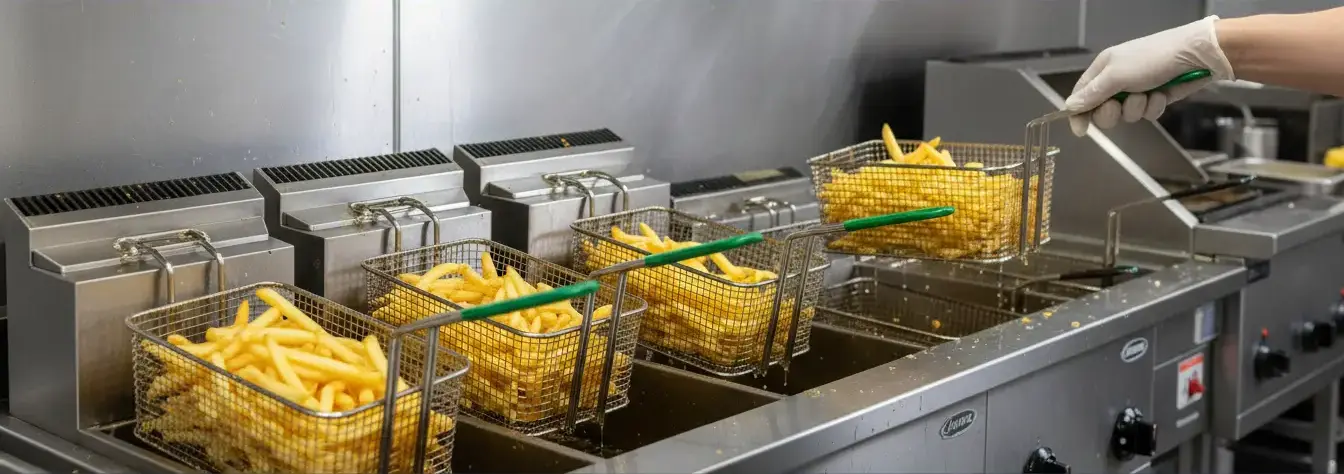
Find the Best Used Cooking Oil Collection Companies for Your Business
No obligation • Fast responses • Nationwide coverage

Why you can trust Restaurant Waste Disposal
Restaurant Waste Disposal is a leading U.S. resource for comparing restaurant composting, food-waste recycling, grease trap cleaning, and used cooking oil collection services. Our editorial team researches providers, checks credentials, and organizes unbiased information so operators can make informed decisions. Companies cannot pay to change ratings or placement.
Search providers near you
Top Used Cooking Oil Collection Companies in Palm Springs, California Ranked
For restaurants and food service establishments in Palm Springs, managing used cooking oil (UCO) is a critical operational, environmental, and legal responsibility. Proper disposal of this waste product is not just about cleanliness; it's a regulated process designed to protect the city's sewer infrastructure and support California's sustainability goals. By partnering with a licensed hauler for professional collection, local businesses can turn a waste liability into a potential revenue stream while ensuring full compliance with state and local regulations. This guide outlines the essential steps, legal requirements, and practical benefits of establishing a reliable waste oil management system for your Palm Springs establishment.
Local enforcement agencies, including the City of Palm Springs and the Coachella Valley Water District, mandate strict protocols to prevent grease and oil from entering the sewer system. Compliance involves secure storage, meticulous record-keeping, and using only approved transporters. Fortunately, the process is streamlined by local service providers who handle the logistics, from scheduled pickups to recycling the material into valuable products like biodiesel.
The Grease Company
Los Angeles, CA
The Grease Company provides grease trap cleaning, grease interceptor repair, used cooking oil collection, and commercial kitchen plumbing services in Los Angeles, CA. They serve a broad area including Orange, Riverside, San Bernardino, San Diego, Ventura, and Santa Barbara counties. The company is equipped with advanced tools for grease trap maintenance and repairs, ensuring compliance with regulations and preventing plumbing issues. They also offer food-grade oil buying and recycling services. The Grease Company is recognized as a leader in commercial FOG waste management and has been featured on AP News for their expertise.
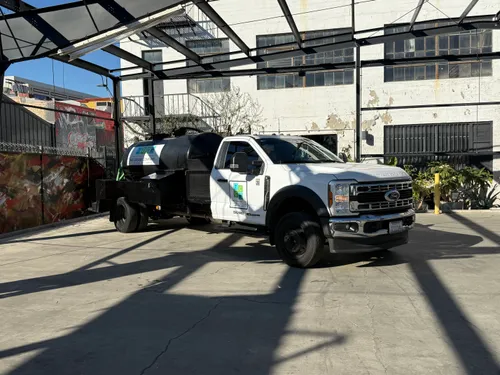
Grease Collection
Los Angeles, CA
The Grease Company provides grease trap cleaning, interceptor repair, used cooking oil collection, and commercial kitchen plumbing services in Los Angeles, CA. They serve a wide area including Orange, Riverside, San Bernardino, San Diego, Ventura, and Santa Barbara counties. The company offers specialized grease management services such as grease trap cleaning and repair, ensuring proper FOG control to prevent plumbing issues and regulatory citations. They also handle used cooking oil collection and recycling, supplying storage containers to meet compliance standards. The Grease Company is equipped with advanced tools and machinery to address complex grease and plumbing challenges and has established itself as a recognized leader in the commercial food servicing industry.
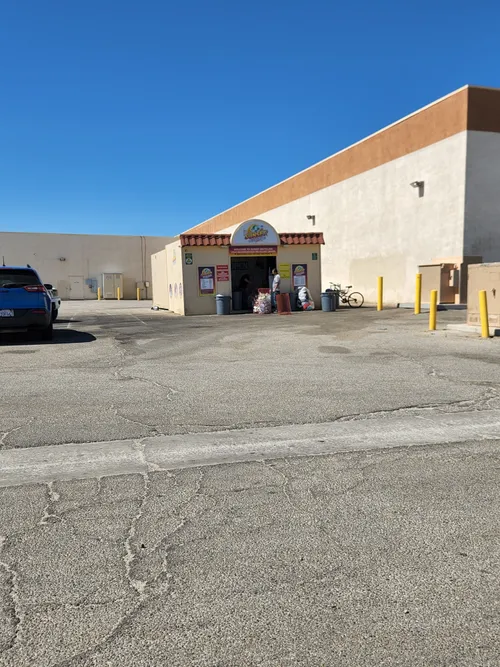
Biotane Pumping, by Denali
86-600 Avenue 54, Coachella, CA 92236
Biotane Pumping, by Denali, provides used cooking oil collection services in Indio, CA. Now part of the Denali family, the company continues to offer reliable service with expanded capabilities. Customers in the area can expect consistent collection and handling of used cooking oil through this established provider.
Legal Requirements for Oil Disposal in California
Navigating the legal landscape is the first step for any food service business. In California, used cooking oil is classified as a recyclable commodity, and its handling is governed by specific state and local codes designed to prevent environmental harm and maintain public infrastructure.
Prohibited Disposal Methods It is illegal to pour used fryer oil or any grease down sinks, floor drains, or storm drains1 2. This practice, known as fatberg formation, leads to severe sewer blockages, can cause costly backups, and subjects violators to significant fines from local water authorities. Storm drain disposal is particularly harmful, as it introduces contaminants directly into local waterways.
Mandatory Use of Licensed Haulers All transportation of used cooking oil must be conducted by a hauler registered with the California Department of Food and Agriculture (CDFA). These licensed renderers and transporters are authorized to collect, transport, and recycle the oil properly. Using an unlicensed collector not only risks non-compliance but may also leave you without proper documentation if audited.
Record-Keeping and Documentation Businesses are required to maintain detailed records of each oil collection for a minimum of two years3. This log should include the date of pickup, the volume of oil collected (usually in gallons), and the name and license number of the transporting company. This paperwork is your proof of proper disposal and is essential during inspections.
On-Site Storage and Handling Best Practices
Before collection can occur, restaurants must store their waste vegetable oil safely and securely. Proper on-site handling minimizes risks, maintains a clean and safe work environment, and ensures the oil remains high-quality for recycling, which can affect its value.
Container Specifications Used oil should be stored in the original container or a dedicated, clean, non-leaking receptacle that is securely capped4. Containers must be opaque to prevent sunlight from degrading the oil and are often required to be kept out of public view to deter theft and vandalism. Clearly label all containers as "Used Cooking Oil" to avoid confusion.
Designated Storage Area Containers should be placed in a designated, secure area, such as within a locked dumpster enclosure or a fenced compound5. This prevents accidental spills, deters unauthorized siphoning, and keeps the storage area tidy. The storage spot should be easily accessible for your collection driver but not in a location where a spill could create a slip hazard or run into a drain.
Cooling and Transfer Process Always allow oil to cool completely before transferring it from fryers to storage containers6. Hot oil is a safety hazard and can damage plastic containers. Use a dedicated, clean funnel to avoid spills. It is crucial to prevent contamination with water, food debris, or other liquids, as this severely reduces the oil's value for recycling and can complicate the collection process.
The Professional Collection and Recycling Process
Engaging a professional service transforms used oil from a waste problem into a recycled resource. The process is designed to be hands-off for restaurant staff, with the hauler managing the logistics from pickup to final recycling.
Scheduling and Pickup Collection services typically operate on a scheduled basis-weekly, bi-weekly, or monthly-depending on your volume of oil production. Reputable providers like those serving the Palm Springs area will supply and maintain the storage containers (often called "grease barrels" or "cubes") and have efficient systems for on-time pickups. Some also offer on-demand service for an additional fee if your container fills up unexpectedly.
Transport and Processing Once collected, the licensed hauler transports the oil to a processing facility. There, it undergoes filtration to remove food particles and water. The cleaned oil is then sold as a feedstock for various recycling industries. This closed-loop system ensures that the material is repurposed responsibly.
End Products: From Waste to Resource The primary destination for recycled restaurant oil is the production of biodiesel, a renewable, cleaner-burning fuel alternative to petroleum diesel7. It can also be refined into industrial lubricants, used in soap production, or processed into ingredients for animal feed8. By participating in this cycle, Palm Springs restaurants directly contribute to reducing fossil fuel dependency and supporting a circular economy.
Find the perfect used cooking oil collection companies for your needs
Get personalized recommendations and expert advice
Financial Implications: Cost vs. Revenue
Understanding the economics of waste oil collection is key for any business owner. While there are costs associated with the service, there are also opportunities for rebates and savings that can offset expenses or even generate income.
Potential for Rebates and Revenue High-quality, uncontaminated used cooking oil has market value. Many collection companies offer rebate programs where restaurants are paid a per-gallon rate for their oil9. Rebates can range widely, from a few cents to over $0.65 per gallon, depending on market prices for recycled oil and the purity of your material10. This payment can turn a cost center into a minor revenue stream.
Service Fee Structures Pricing models vary by provider. A common structure is free pickup for establishments generating under a certain threshold (e.g., 100 gallons per month) 11. For larger volume producers, a service fee may apply, but this fee is often partially or fully offset by the rebate paid for the oil. Other companies may charge a flat container rental or service fee while paying a separate rebate. Always request a clear breakdown of fees and potential payments.
Factors Influencing Value The amount you pay or earn is influenced by several factors:
- Volume: Larger, consistent volumes are more efficient for haulers to collect and are typically valued higher.
- Oil Quality: Oil free of water, debris, and other contaminants (like animal fats mixed with vegetable oils) commands the best price.
- Market Prices: The global commodity price for recycled oils and biodiesel feedstock fluctuates, which can affect rebate rates.
Finding a Reliable Service Provider in Palm Springs
Choosing the right partner for your used cooking oil collection is crucial for reliable service and regulatory peace of mind. Here's how to identify and vet qualified providers in the Coachella Valley.
Verification of Licenses The non-negotiable first step is to verify that any company you consider is a current licensed hauler with the CDFA. You can request their license number and confirm it online. This ensures they are legally permitted to transport the material and will provide you with the necessary documentation for your records.
Evaluating Service Offerings Look for a provider that offers a comprehensive service package. This includes supplying sturdy, leak-proof collection containers, offering flexible pickup schedules, and having a reliable local operations team for consistent service. Many established companies also provide related services, such as grease trap cleaning and maintenance, which can be convenient to bundle12.
Conducting Your Search To find local options, perform targeted online searches using terms like "licensed used cooking oil recyclers Palm Springs" or "restaurant grease collection Coachella Valley" 13. Read reviews from other local businesses, ask for references, and obtain detailed quotes from multiple providers to compare their service terms, fee structures, and rebate programs.
Environmental and Community Benefits
Beyond compliance and economics, proper used oil management has a profound positive impact on the local environment and community, aligning with Palm Springs' forward-thinking values.
Protecting Local Infrastructure and Ecosystems Every gallon of oil properly collected prevents it from solidifying in sewer pipes. This protects the city's wastewater treatment systems from blockages and overflows, saving municipal resources and preventing unsanitary backups. It also keeps contaminants out of storm drains, which flow directly into the local aquifer and natural habitats without treatment.
Supporting Renewable Energy Production The conversion of used fryer oil into biodiesel is a premier example of local sustainability in action. Biodiesel burns cleaner than petroleum diesel, reducing greenhouse gas emissions and air pollutants14. By supplying the raw material for this fuel, Palm Springs restaurants play a direct role in advancing California's renewable energy goals.
Enhancing Your Business's Green Profile Consumers increasingly support businesses with demonstrated environmental responsibility. Promoting your restaurant's participation in a cooking oil recycling program can be a valuable part of your sustainability story. It showcases a commitment to operational excellence and community stewardship, which can strengthen your brand's reputation.
Frequently asked questions
Sources
Footnotes
-
Restaurant Oil Disposal: Explained - Eazy Grease - https://eazygrease.com/how-do-restaurants-get-rid-of-their-oil/ ↩
-
What Does The California Law Say About Used Cooking Oil ... - https://www.grandnatural.com/blog/what-does-the-california-law-say-about-used-cooking-oil-disposal.html ↩
-
Cal. Code Regs. Tit. 3, § 1180.24 - Requirements to Document and ... - https://www.law.cornell.edu/regulations/california/3-CCR-1180.24 ↩
-
Grease Handling and Storage - Union Sanitary District - https://unionsanitary.ca.gov/wp-content/uploads/2016/07/Grease_Handling_and_Storage.pdf ↩
-
Used Cooking Oil Recycling | Solid Waste Authority of Palm Beach ... - https://www.swa.org/173/Used-Cooking-Oil ↩
-
Cooking Oil Collection & Grease Recycling Service - https://thegreasecompany.com/oilcollection.html ↩
-
Used Cooking Oil (UCO) Collection Service For Restaurants - https://thegreasecompany.com/blog/restaurant-used-cooking-oil-collection/ ↩
-
What happens with the used oil from restaurants and fast-food ... - https://www.quora.com/What-happens-with-the-used-oil-from-restaurants-and-fast-food-chains-Is-there-any-sort-of-recycling ↩
-
Restaurant Used Cooking Oil Recycling & Disposal Guide - https://greaseconnections.com/restaurant-used-cooking-oil-disposal-recycling-revenue-guide/ ↩
-
Our Services Waste Cooking Oil Collection & Disposal - https://wastevegetableoils.com/services.html ↩
-
Used Cooking Oil Pickup vs Drop-Off-What's Best for Restaurants? - https://www.greaseprosrecycling.com/used-cooking-oil-pickup-vs-drop-off/ ↩
-
BEST Grease Trap PUMPING & COOKING Oil RECYCLING Service For RESTAURANTS - https://thegreasecompany.com/greasepumping.html ↩
-
How Recycling Used Cooking Oil Can Save Restaurants Money and ... - https://www.cbs42.com/business/press-releases/ein-presswire/864508472/how-recycling-used-cooking-oil-can-save-restaurants-money-and-enhance-sustainability-efforts ↩
-
Used Oil Recycling Program - CalRecycle Home Page - CA.gov - https://calrecycle.ca.gov/usedoil/ ↩