
Find the Best Used Cooking Oil Collection Companies for Your Business
No obligation • Fast responses • Nationwide coverage

Why you can trust Restaurant Waste Disposal
Restaurant Waste Disposal is a leading U.S. resource for comparing restaurant composting, food-waste recycling, grease trap cleaning, and used cooking oil collection services. Our editorial team researches providers, checks credentials, and organizes unbiased information so operators can make informed decisions. Companies cannot pay to change ratings or placement.
Search providers near you
Top Used Cooking Oil Collection Companies in Oceanside, California Ranked
For restaurants and food service establishments in Oceanside, managing used cooking oil (UCO) is a critical operational and environmental responsibility. Proper grease collection and disposal are not just about cleanliness; they are mandated by strict city regulations designed to protect the local sewer system and watershed. Partnering with a licensed professional for your used cooking oil pickup ensures compliance, prevents costly fines, and transforms a waste product into valuable resources like biodiesel. This guide outlines the essential steps, local rules, and benefits of establishing a reliable UCO management program for your Oceanside business.
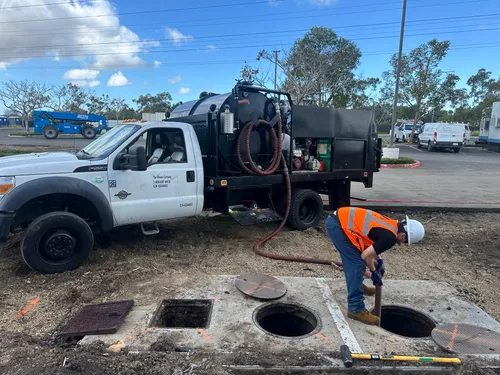
San Diego Grease Company
San Diego, CA
San Diego Grease Company provides grease trap cleaning and used cooking oil collection services throughout San Diego, CA. They serve a wide range of commercial kitchens including restaurants, hotels, and food processing facilities, ensuring compliance with local regulations and environmental standards. Their services include grease trap and interceptor cleaning, as well as eco-friendly used cooking oil collection and recycling. The company is certified by the California Department of Food and Agriculture and offers 24/7 support to clients. With nearly a decade of experience, they focus on maintaining grease recovery devices to prevent plumbing issues and promote sustainability.
City of Poway materials handling yard
12325 Crosthwaite Cir, Poway, CA 92064
The City of Poway materials handling yard in Poway, CA, offers a Household Hazardous Waste (HHW) Collection Facility for safe disposal of various hazardous materials. Residents can drop off items such as used cooking oil, automotive fluids, batteries, electronic devices, and other household toxins without an appointment. The facility requires proof of residency and accepts waste in original containers, following transportation and weight limits to ensure safety. This service helps prevent illegal disposal of hazardous waste and promotes environmentally responsible handling of toxic substances.
Understanding Oceanside's Grease Control Ordinances
The City of Oceanside enforces specific regulations for commercial kitchens to prevent fats, oils, and grease (FOG) from entering the sanitary sewer system. These rules are crucial for avoiding sewer blockages, overflows, and environmental damage. A core component of compliance is the proper handling and storage of used fryer oil and other waste greases until they are collected by an authorized service.
Businesses are required to use a licensed, professional hauler for used cooking oil collection. Self-disposal of commercial quantities is prohibited. This means you cannot pour used oil down drains, into dumpsters, or on the ground. The city mandates that all grease-handling equipment, including storage containers, must be maintained in good working order to prevent leaks and spills1.
Best Practices for On-Site Storage and Handling
Safe and compliant storage is the first line of defense. Following these guidelines will keep your facility safe and ready for scheduled pickups.
Container Specifications: Used cooking oil must be stored in sturdy, leak-proof containers, typically between 40-55 gallons, provided by your collection service. Lids must be secure and locking to prevent spills, contamination, and theft.
Secondary Containment is Key: If storage bins are located outdoors, they must be placed within a secondary containment structure, such as a catch basin or spill pallet2. This crucial step ensures that any leak from the primary container is captured, preventing oil from reaching storm drains or soil.
Safe Placement and Cooling: Store bins in an accessible area for service trucks, like near a loading dock or back door3. Always allow oil to cool below 120°F before transferring it to your storage container to minimize burn risk and fire hazard. Scrape cooled fats and grease directly into your designated bin-never mix used oil with food scraps, trash, or other liquids.
The Professional Collection and Recycling Process
Engaging a licensed hauler streamlines the entire process from pickup to recycling, providing documentation and peace of mind.
Scheduled Service: Your provider will establish a regular pickup schedule based on your volume, ensuring your containers never overflow. During collection, the hauler will pump the oil from your bin into a dedicated tanker truck.
From Waste to Resource: The collected oil is transported to a processing facility where it is recycled. This waste product is refined into valuable commodities, primarily biodiesel-a renewable fuel-as well as ingredients for animal feed, soaps, and industrial lubricants4 5. By participating, your restaurant directly contributes to a circular economy.
Essential Documentation: After each pickup, your hauler should provide a manifest or receipt. It is important to retain these records as proof of legal and compliant disposal, which may be requested during city inspections6.
Find the perfect used cooking oil collection companies for your needs
Get personalized recommendations and expert advice
Financial Considerations: Cost vs. Potential Revenue
The financial model for used cooking oil collection often benefits restaurants, especially those with higher volume.
Free Collection Services: For many establishments generating lower volumes (typically under 100 gallons per month), collection and container rental are often provided free of charge. The recycling value of the oil covers the service cost for the provider.
Revenue Generation: Restaurants with significant oil output can turn this waste stream into a revenue source. Haulers may pay for the oil based on volume and market prices, with rates generally increasing for larger, consistent quantities (e.g., 100-500+ gallons)7 8. For very high-volume producers, providers may even supply free storage bins and equipment8.
Consequences of Non-Compliance
Ignoring local ordinances is risky and expensive. Improper disposal, such as pouring oil down drains, is a leading cause of sewer blockages. The City of Oceanside can issue significant fines for violations9. Beyond penalties, non-compliance can lead to:
- Sewer Backups: Causing operational shutdowns and severe property damage.
- Environmental Harm: Oil spills contaminate local waterways and ecosystems.
- Increased Operational Costs: Dealing with the aftermath of a grease-related incident is far more costly than maintaining a proper collection service.
Choosing a Service Provider in Oceanside
Selecting the right partner is essential. Look for a provider that is fully licensed and insured to operate in Oceanside and throughout San Diego County. They should offer containers that meet city standards for durability and secondary containment. Reliable, on-time service with clear communication is vital. Finally, ensure they provide proper documentation for every pickup and are transparent about their recycling practices and any potential revenue-sharing terms.
Implementing a robust used cooking oil management system is a win for Oceanside restaurants: it ensures regulatory compliance, supports environmental sustainability, and can even provide a modest income stream. By storing oil correctly and partnering with a reputable hauler, you protect your business, your community, and the local coastline.
Frequently asked questions
Sources
Footnotes
-
Commercial Kitchen Grease Control - Oceanside, CA - https://www.ci.oceanside.ca.us/government/water-utilities/wastewater-division/commercial-kitchen-grease-control ↩
-
What Restaurants Should Know About California Oil Disposal ... - https://startgreencommodities.com/post/restaurant-grease-trap-requirements ↩
-
Used Cooking Oil Disposal: Complete Guide to Grease Pickups - https://greaseconnections.com/used-cooking-oil-disposal-guide-grease-pickups/ ↩
-
Grease Collection Service: What is it - Grand Natural Inc - https://www.grandnaturalinc.com/blog/what-is-grease-collection-service.html ↩
-
Used Cooking Oil Collection / Pick Up & Recycling. - https://greasemanagement.org/usedoilcollection.html ↩
-
Navigating Legal Requirements for Used Cooking Oil Disposal - https://bakercommodities.com/blog/2024/02/08/legal-requirement-used-cooking-grease/ ↩
-
Restaurant Used Cooking Oil: Disposal, Recycling & Revenue Guide - https://greaseconnections.com/restaurant-used-cooking-oil-disposal-recycling-revenue-guide/ ↩
-
Southern California Commercial Kitchen Cooking Oil recycling ... - https://thegreasecompany.com/blog/how-the-grease-is-protecting-you-by-recycling-cooking-oil/2/ ↩ ↩2
-
Kitchen Requirements | Oceanside, CA - https://www.ci.oceanside.ca.us/government/water-utilities/environmental-services-programs/food-service-environmental-compliance/kitchen-requirements ↩