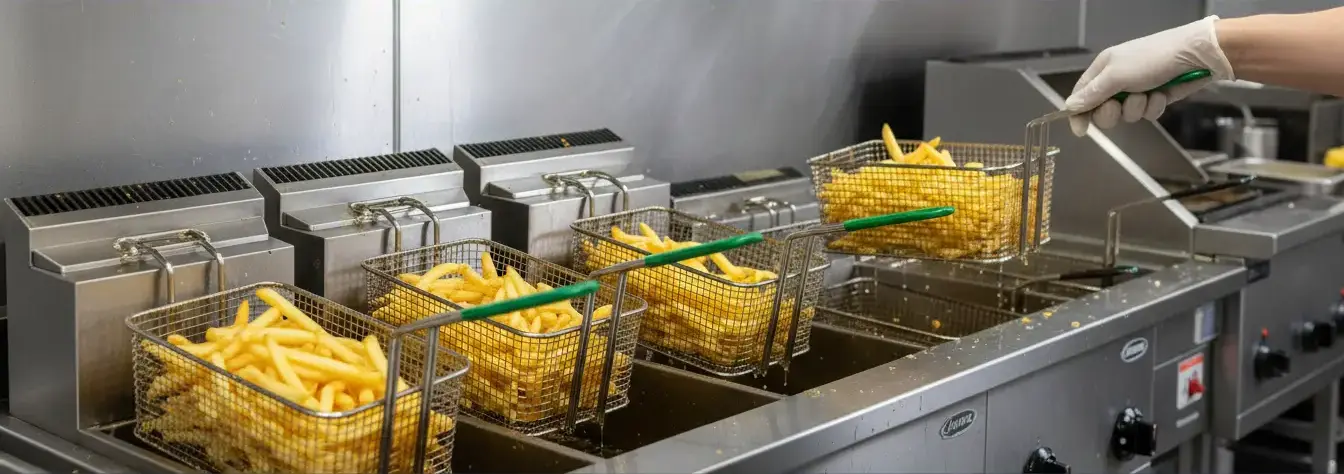
Find the Best Used Cooking Oil Collection Companies for Your Business
No obligation • Fast responses • Nationwide coverage

Why you can trust Restaurant Waste Disposal
Restaurant Waste Disposal is a leading U.S. resource for comparing restaurant composting, food-waste recycling, grease trap cleaning, and used cooking oil collection services. Our editorial team researches providers, checks credentials, and organizes unbiased information so operators can make informed decisions. Companies cannot pay to change ratings or placement.
Search providers near you
Top Used Cooking Oil Collection Companies in Oakley, California Ranked
For restaurants and food service businesses in Oakley, managing used cooking oil (UCO) is a critical operational and environmental responsibility. Proper grease collection and recycling are not just best practices-they are mandated by local and state regulations to protect the city's sewer infrastructure from costly clogs and overflows. By partnering with a licensed recycler, Oakley businesses can transform a waste product into a valuable commodity, contributing to the production of renewable biofuels like biodiesel. This guide outlines the essential steps for compliant UCO management, from proper on-site storage to selecting a collection service, and explains the potential financial benefits of participating in California's robust recycling market.
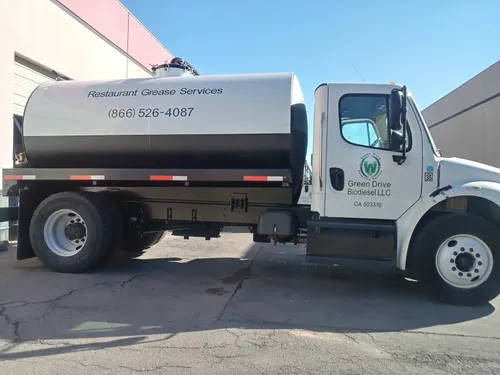
Green Drive Biodiesel LLC
252 W Larch Rd Suit G, Tracy, CA 95304
Green Drive Biodiesel LLC is a company based in Stockton, CA, specializing in used cooking oil collection and grease trap cleaning. They serve food vendors by providing containers for waste cooking oil and managing grease trap maintenance. Their services focus on environmentally responsible disposal and recycling of cooking waste.
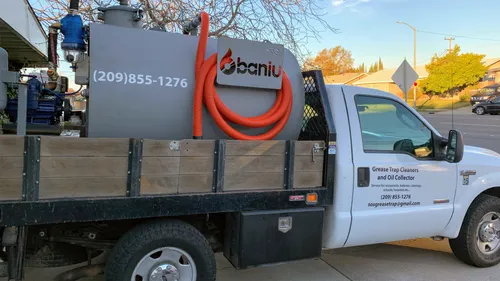
Grease Trap Cleaners and Oil Collector
722 Katlin Ct, Tracy, CA 95376
Grease Trap Cleaners and Oil Collector provides grease trap cleaning and used cooking oil collection services in San Jose, CA. The company specializes in maintaining grease traps and safely collecting used cooking oil to support proper waste management and recycling efforts.
Understanding Local Regulations and Mandates
In California, used cooking oil and other fats, oils, and grease (FOG) are classified as recyclable materials, not trash. It is illegal to pour these substances down drains, as they are a leading cause of sewer blockages and sanitary sewer overflows. Businesses in Oakley must adhere to state and local requirements, which mandate that UCO be collected in sealed containers and picked up by a licensed hauler for proper recycling.
The Ironhouse Sanitary District, which serves the Oakley area, actively promotes FOG recycling and even provides a local drop-off option. They accept FOG from both residents and commercial entities at their facility located at 450 Walnut Meadows Dr, Oakley, for conversion into biodiesel 1. Furthermore, any company transporting waste cooking grease for recycling in California must be approved by the California Department of Food and Agriculture (CDFA), ensuring they operate within the legal framework for handling and processing this material.
The Step-by-Step Process for Oil Recycling
Implementing a smooth UCO collection system involves a clear, consistent process:
- Collection & Filtering: After use, oil should be cooled and filtered to remove large food particles. This initial step is crucial for maintaining oil quality.
- Secure Storage: The filtered oil is transferred to a dedicated, tightly sealed, and clearly labeled storage container, such as a drum or barrel provided by your recycling service.
- Scheduled Pickup: Your contracted, licensed oil recycler will schedule regular pickups based on your volume. They will swap out full containers for empty, clean ones.
- Processing & Transformation: The collected oil is transported to a processing facility where it undergoes further filtration and purification. The end product is primarily used as a feedstock for biodiesel, a cleaner-burning renewable fuel, but can also be refined into lubricants or other industrial products 2 3 4.
This cycle turns a potential waste disposal problem into a positive contribution to the circular economy and reduces reliance on fossil fuels.
Best Practices for On-Site Storage and Handling
Proper on-site management is the foundation of a successful and compliant UCO program. Failure to store oil correctly can lead to spills, odors, pest issues, and contamination that drastically reduces its value.
- Use Approved Containers: Always store oil in the dedicated, sealable containers provided by your recycler. Never use makeshift containers that can leak or degrade.
- Ensure a Secure Location: Store containers in a cool, dry area, away from direct sunlight and moisture. The storage site should have secondary containment (like a spill pallet) to catch any potential leaks and prevent environmental discharge 5.
- Prevent Contamination: Water is the enemy of used cooking oil recycling. Even small amounts can ruin a whole batch. Ensure fryer oil is cool before transferring and keep container lids tightly closed to avoid rainwater or condensation ingress.
- Clear Labeling: Clearly label all containers as "Used Cooking Oil" to prevent accidental misuse or improper disposal by staff.
Following these protocols protects your business from regulatory fines, keeps your premises clean and safe, and ensures the oil you provide is of high quality.
Find the perfect used cooking oil collection companies for your needs
Get personalized recommendations and expert advice
The Economics of Used Cooking Oil: Costs and Potential Revenue
For many Oakley restaurants, used cooking oil collection is not an expense but a potential revenue stream or, at minimum, a cost-neutral service. The financial model depends almost entirely on the volume and quality of oil you generate.
- Low Volume Producers (e.g., under 100 gallons per month): Many recyclers offer free pickup services for smaller quantities. While you may not receive a payment, you avoid the disposal fees associated with treating it as waste.
- Medium to High Volume Producers: If your establishment generates significant oil, you can often earn a rebate. Rates can range from $0.10 to $0.25 per gallon for moderate volumes (100-300 gal/month) and can exceed $0.65 per gallon for very high, consistent volumes.
- The Critical Role of Oil Quality: The market price for UCO is tied directly to its purity. Clean, well-filtered oil with no water or food contamination is a premium feedstock for biodiesel and can command prices in the range of $2.40 to $3.60 per gallon on the commodity market 6. Conversely, contaminated oil is costly to process. If a batch is deemed unusable, the recycler may charge the business a disposal fee to cover the cost of handling it as waste, which can quickly erase any potential profit 7 6.
In essence, by maintaining a clean UCO stream, a restaurant can transform a compliance requirement into a modest profit center or a service with no net cost.
Choosing a Collection Service Provider in Oakley
Selecting the right partner for grease trap and used oil collection is a key business decision. Look for a provider that ensures compliance, reliability, and fair value.
- Verify Licensing: First and foremost, confirm the company is licensed by the CDFA to transport waste cooking grease in California 8 9. This is non-negotiable for legal compliance.
- Assess Service Offerings: Do they provide sturdy, sealed collection containers? What is their scheduled pickup frequency (weekly, bi-weekly, as-needed)? How do they handle emergency service or accidental spills?
- Understand the Financial Terms: Be clear on the pricing structure. Is it a free service with no rebate, a fee-for-service, or a rebate program? Get all terms in writing, including how oil quality is assessed and what happens in case of contamination.
- Check References and Reliability: A provider should have a proven track record of reliable, on-time pickups in the Contra Costa County area. Ask for references from other local restaurant clients.
Partnering with a reputable service simplifies compliance, reduces your environmental footprint, and can provide a tangible return on what was once simply a waste product.
Frequently asked questions
Sources
Footnotes
-
Fats, Oils and Grease (F.O.G.) | Ironhouse Sanitary District, CA - https://ironhousesanitarydistrict.com/237/Fats-Oils-and-Grease-FOG ↩
-
Restaurant Grease Pick Up and Disposal Services in Los Angeles, CA - https://www.mahoneyes.com/fryer-oil-disposal-recycling-los-angeles-ca/ ↩
-
Restaurant Oil and Grease Recycling (PDF) - Lake County - https://www.lakecountyca.gov/DocumentCenter/View/4048/Restaurant-Oil-and-Grease-Recycling-PDF ↩
-
What happens with the used oil from restaurants and fast-food ... - https://www.quora.com/What-happens-with-the-used-oil-from-restaurants-and-fast-food-chains-Is-there-any-sort-of-recycling ↩
-
Used Cooking Oil (UCO) Collection Service For Restaurants - https://thegreasecompany.com/blog/restaurant-used-cooking-oil-collection/ ↩
-
Used Cooking Oil Pricing & Business Guide - Grease Connections - https://greaseconnections.com/used-cooking-oil-pricing-guide/ ↩ ↩2
-
Used Cooking Oil Disposal: Complete Guide to Grease Pickups - https://greaseconnections.com/used-cooking-oil-disposal-guide-grease-pickups/ ↩
-
What Does The California Law Say About Used Cooking Oil Disposal? - https://www.grandnatural.com/blog/what-does-the-california-law-say-about-used-cooking-oil-disposal.html ↩
-
What Restaurants Should Know About California Oil Disposal ... - https://startgreencommodities.com/post/restaurant-grease-trap-requirements ↩