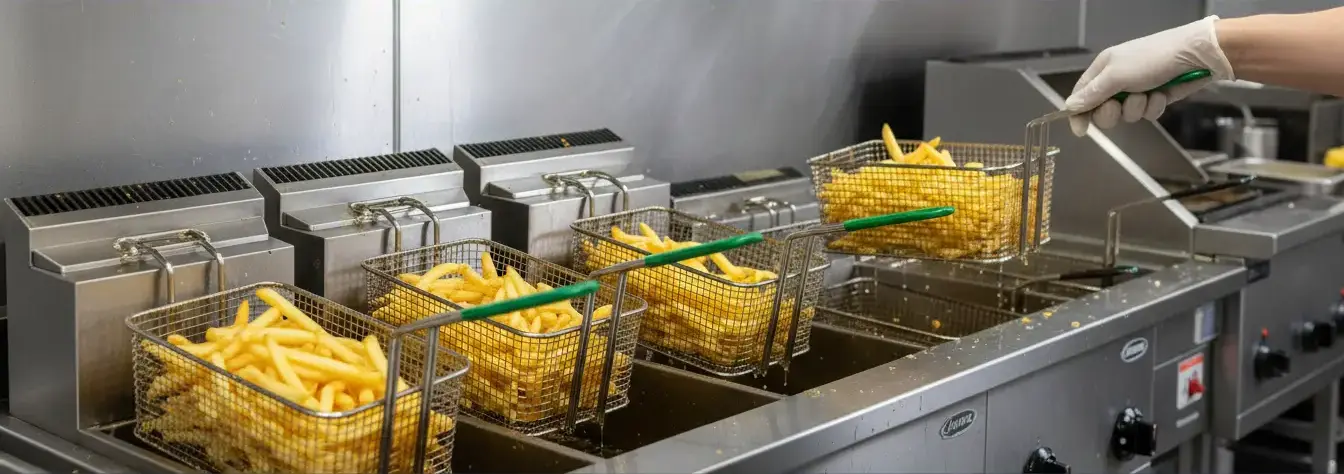
Find the Best Used Cooking Oil Collection Companies for Your Business
No obligation • Fast responses • Nationwide coverage

Why you can trust Restaurant Waste Disposal
Restaurant Waste Disposal is a leading U.S. resource for comparing restaurant composting, food-waste recycling, grease trap cleaning, and used cooking oil collection services. Our editorial team researches providers, checks credentials, and organizes unbiased information so operators can make informed decisions. Companies cannot pay to change ratings or placement.
Search providers near you
Top Used Cooking Oil Collection Companies in National City, California Ranked
For restaurants and food service businesses in National City, managing used cooking oil (UCO) is a critical operational and environmental responsibility. Proper collection and recycling of this waste stream are not just best practices but are mandated by local regulations to protect the city's sewer infrastructure. By partnering with a licensed hauler, businesses can ensure compliance, avoid significant fines, and contribute to a circular economy where waste oil is transformed into valuable products like biodiesel. This guide outlines the essential steps, rules, and considerations for establishing a reliable and compliant UCO management system in National City.
San Diego Grease Company
San Diego, CA
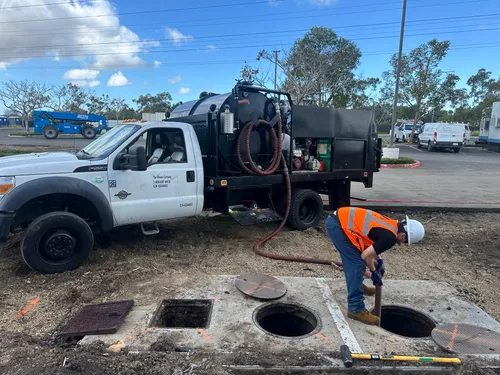
San Diego Grease Company provides grease trap cleaning and used cooking oil collection services throughout San Diego, CA. They serve a wide range of commercial kitchens including restaurants, hotels, and food processing facilities, ensuring compliance with local regulations and environmental standards. Their services include grease trap and interceptor cleaning, as well as eco-friendly used cooking oil collection and recycling. The company is certified by the California Department of Food and Agriculture and offers 24/7 support to clients. With nearly a decade of experience, they focus on maintaining grease recovery devices to prevent plumbing issues and promote sustainability.
City of Poway materials handling yard
12325 Crosthwaite Cir, Poway, CA 92064
The City of Poway materials handling yard in Poway, CA, offers a Household Hazardous Waste (HHW) Collection Facility for safe disposal of various hazardous materials. Residents can drop off items such as used cooking oil, automotive fluids, batteries, electronic devices, and other household toxins without an appointment. The facility requires proof of residency and accepts waste in original containers, following transportation and weight limits to ensure safety. This service helps prevent illegal disposal of hazardous waste and promotes environmentally responsible handling of toxic substances.

Chula Vista Environmental Services
1800 Maxwell Rd, Chula Vista, CA 91911
Chula Vista Environmental Services provides waste management and sustainability programs in Chula Vista, CA. They offer used cooking oil collection and food waste composting services for restaurants and businesses. The department also manages household hazardous waste disposal, including paints, pesticides, and motor oil, at the South Bay Household Hazardous Waste Collection Facility. Additionally, they operate a Reuse Center where residents can obtain reusable products like paint and household chemicals. Free home pick-up is available for eligible disabled or elderly residents who cannot transport hazardous waste themselves.
Understanding Local FOG Regulations
In National City, used cooking oil falls under the broader category of Fats, Oils, and Grease (FOG). The city's FOG Control Program establishes strict rules to prevent these substances from entering the sanitary sewer system, where they can cause costly blockages and overflows 1.
Key legal requirements include:
- Prohibition of Improper Disposal: It is illegal to pour used fryer oil, grease, or food scraps down sinks, floor drains, or into storm drains.
- Mandatory Licensed Haulers: Businesses must contract with a licensed waste grease hauler or recycler for collection. Using unlicensed operators for grease trap or UCO collection can result in violations.
- Grease Interceptor Maintenance: Grease traps and interceptors must be regularly pumped and maintained by a professional service, typically when they are 25% full of grease and solids, to prevent FOG from escaping into sewer lines 2 3.
Non-compliance can lead to enforcement actions, including fines and mandatory corrective measures. The City of National City provides resources and program details through its Engineering and Public Works department.
Best Practices for On-Site Storage and Handling
Proper storage before pickup is crucial for safety, compliance, and maintaining the quality of the oil for recycling.
Container and Location Guidelines:
- Use dedicated, sealed containers such as barrels or collection tanks provided by your hauler. These should be made of non-reactive materials like stainless steel or heavy-duty plastic.
- Store containers in a cool, dark, and secure area to prevent degradation and avoid attracting pests.
- Clearly label containers with the contents (e.g., "Used Vegetable Oil") and the accumulation start date.
- Ensure storage areas are accessible for hauler trucks during scheduled pickup times.
Preventing Contamination: The value of UCO for recyclers depends on its purity. To avoid surcharges and ensure efficient recycling, keep water, food debris, chemicals, and other liquids out of the oil collection container. Contaminated oil is more costly to process and may incur additional fees from your collection service.
The Collection and Recycling Process
A well-managed UCO program follows a consistent cycle from your kitchen to its new life as a renewable product.
1. Accumulation & Scheduling: Oil from fryers is safely drained into on-site storage containers. Your licensed hauler will establish a regular pickup schedule-weekly, bi-weekly, or monthly-based on your volume. Many providers also offer on-call or emergency pickup services 4 5.
2. Professional Pickup: On the scheduled day, a trained technician will collect the full containers, often replacing them with clean, empty ones. They transport the oil in specialized trucks to a recycling facility 6.
3. Transformation & Reuse: At the recycling facility, the oil undergoes filtering and cleaning to remove impurities. The refined oil is then processed into renewable biofuels like biodiesel or renewable natural gas (RNG), animal feed supplements, or industrial ingredients 7. This process diverts waste from landfills and reduces reliance on fossil fuels.
Find the perfect used cooking oil collection companies for your needs
Get personalized recommendations and expert advice
Evaluating Service Providers and Cost Structures
Choosing the right used cooking oil collection partner involves more than just comparing prices. Service reliability, compliance expertise, and transparency are key factors.
Common Service Models and Pricing:
- Free Pickup with Revenue Share: For establishments generating high volumes (often over 100 gallons per month), some haulers may offer free collection and even share a portion of the revenue from the recycled oil 8.
- Fee-for-Service: This is common for small to mid-volume generators. Costs can include a monthly service fee (ranging from approximately $35 to $120+) or a per-pickup charge (which may range from $75 to $250+), depending on frequency and volume 9 10.
- Additional Potential Fees: Be aware of potential surcharges for contaminated oil, emergency or after-hours service, or locations that are difficult to access 11.
Questions to Ask Potential Providers:
- Are you licensed to operate as a grease hauler in National City and San Diego County?
- What is included in the standard service (e.g., container provision, spill cleanup)?
- How do you handle scheduling and communication for pickups?
- Can you provide documentation for compliance reporting?
- What is your process if my oil is accidentally contaminated?
Benefits Beyond Compliance
Implementing a professional used cooking oil collection system offers advantages that extend far beyond meeting legal requirements.
Environmental Stewardship: Recycling UCO into biodiesel creates a cleaner-burning fuel alternative, reducing greenhouse gas emissions and promoting a circular economy right here in Southern California 12.
Operational Safety & Cleanliness: Professional removal eliminates the hazards of storing large quantities of flammable oil and reduces risks of slips, falls, and pest infestations in your kitchen and storage areas.
Positive Community and Brand Image: Demonstrating a commitment to sustainable practices resonates with environmentally conscious customers and can enhance your restaurant's reputation in the National City community.
Resource Conservation: Turning a waste product into a valuable resource supports local green industries and contributes to regional sustainability goals 13.
Getting Started and Maintaining Compliance
To establish or audit your current UCO collection system:
- Assess Your Volume: Track how much oil you use and dispose of weekly to accurately communicate your needs to service providers.
- Verify Hauler Licenses: Confirm that any hauler you consider is properly licensed. Resources like the California FOG database can assist in this search 14.
- Review Your Contract: Understand the terms, including service frequency, fee structure, and responsibilities for containers and spills.
- Train Your Staff: Ensure all kitchen employees understand proper oil disposal procedures to prevent drain clogs and container contamination.
- Keep Records: Maintain logs of oil collection dates, hauler receipts, and grease interceptor maintenance reports. This documentation is vital for demonstrating compliance during inspections.
Frequently asked questions
Sources
Footnotes
-
Fats, Oils, and Grease (FOG) Control Program | National City ... - https://www.nationalcityca.gov/government/engineering-public-works/engineering-division/fats-oils-and-grease-fog-control-program ↩
-
Used Cooking Oil Recycling in San Diego - Phoenix Pumping - https://phoenixpumping.com/grease-trap-cleaning-used-cooking-oil-recycling-in-san-diego/ ↩
-
Used Cooking Oil (UCO) Collection Service For Restaurants - https://thegreasecompany.com/blog/restaurant-used-cooking-oil-collection/ ↩
-
Used Cooking Oil Pickup & Recycling Services in San Diego ... - https://www.mahoneyes.com/waste-oil-pickup-recycling-san-diego-ca/ ↩
-
Used Cooking Oil (UCO) Collection Service For Restaurants - https://thegreasecompany.com/blog/restaurant-used-cooking-oil-collection/ ↩
-
Grease Pickup Service Near Me | Florida's Guide to Used Oil Collection - https://www.greaseprosrecycling.com/grease-pickup-service-near-me/ ↩
-
Cooking Oil Recycling for New Orleans Restaurants: Benefits, Process, and Local Providers - https://safewayusedoil.com/2025/07/cooking-oil-recycling-for-new-orleans-restaurants-benefits-process-and-local-providers/ ↩
-
Restaurant Used Cooking Oil: Disposal, Recycling & Revenue Guide - https://greaseconnections.com/restaurant-used-cooking-oil-disposal-recycling-revenue-guide/ ↩
-
Why "Free" Used Cooking Oil Collection Can Cost More Than ... - https://greaseconnections.com/free-used-oil-pickup-cost-trap/ ↩
-
Used Cooking Oil Collection - Eazygrease - https://eazygrease.com/used-cooking-oil-collection/ ↩
-
How-To Guide: Cooking Oil Collection - https://www.torontoenvironment.org/how_to_guide_cooking_oil_collection ↩
-
Southern California Commercial Kitchen Cooking Oil recycling ... - https://thegreasecompany.com/blog/how-the-grease-is-protecting-you-by-recycling-cooking-oil/2/ ↩
-
Organics Recycling | National City, CA - https://www.nationalcityca.gov/government/engineering-public-works/public-works-division/organics-recycling ↩
-
Grease Handling and Storage - Union Sanitary District - https://unionsanitary.ca.gov/wp-content/uploads/2016/07/Grease_Handling_and_Storage.pdf ↩