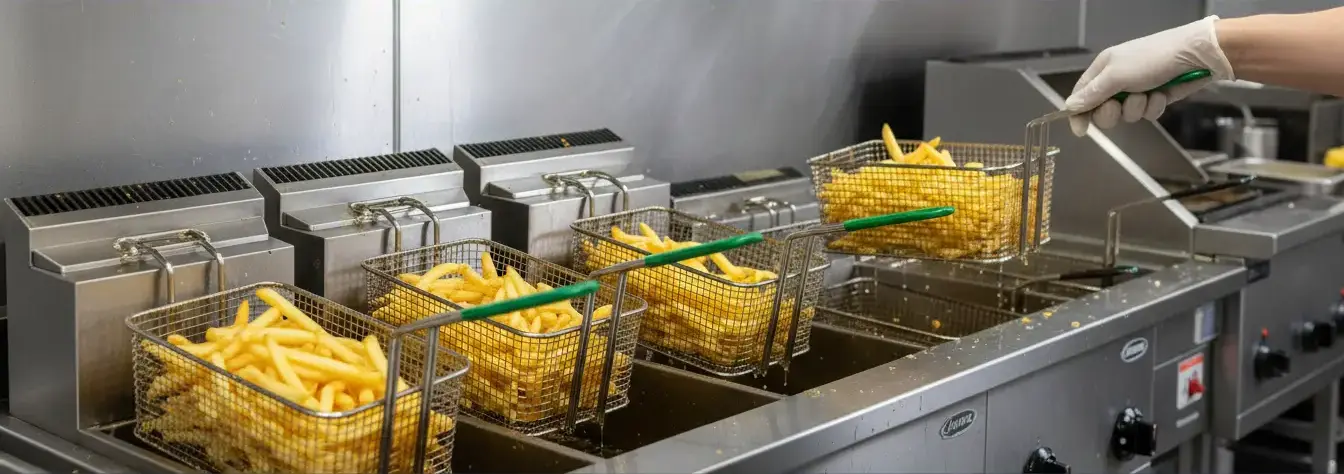
Find the Best Used Cooking Oil Collection Companies for Your Business
No obligation • Fast responses • Nationwide coverage

Why you can trust Restaurant Waste Disposal
Restaurant Waste Disposal is a leading U.S. resource for comparing restaurant composting, food-waste recycling, grease trap cleaning, and used cooking oil collection services. Our editorial team researches providers, checks credentials, and organizes unbiased information so operators can make informed decisions. Companies cannot pay to change ratings or placement.
Search providers near you
Top Used Cooking Oil Collection Companies in Manteca, California Ranked
For restaurants, food trucks, and commercial kitchens in Manteca, managing used cooking oil (UCO) and fats, oils, and grease (FOG) is a critical operational and environmental responsibility. California state law, specifically SB 1383, mandates the separation of organic waste-including used fryer oil-from the general trash stream. Proper grease disposal isn't just about compliance; it's about protecting Manteca's sewer infrastructure from costly blockages and turning a waste product into valuable biofuels. By partnering with a licensed grease hauler or recycler, local businesses can ensure they meet regulatory requirements while potentially offsetting disposal costs through rebate programs.
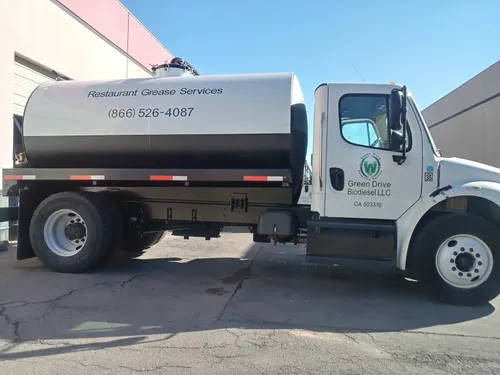
Green Drive Biodiesel LLC
252 W Larch Rd Suit G, Tracy, CA 95304
Green Drive Biodiesel LLC is a company based in Stockton, CA, specializing in used cooking oil collection and grease trap cleaning. They serve food vendors by providing containers for waste cooking oil and managing grease trap maintenance. Their services focus on environmentally responsible disposal and recycling of cooking waste.
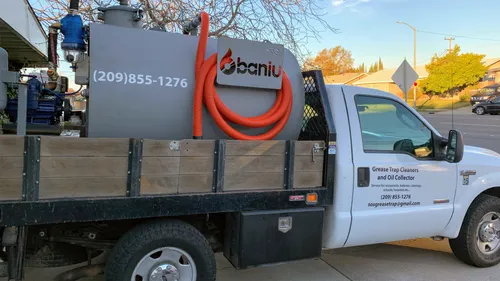
Grease Trap Cleaners and Oil Collector
722 Katlin Ct, Tracy, CA 95376
Grease Trap Cleaners and Oil Collector provides grease trap cleaning and used cooking oil collection services in San Jose, CA. The company specializes in maintaining grease traps and safely collecting used cooking oil to support proper waste management and recycling efforts.
Understanding California's Grease Disposal Regulations
Navigating the rules for grease and oil recycling is the first step for any Manteca food service establishment. The regulations are designed to prevent environmental harm and maintain public utilities.
Mandatory Separation and the Law California's SB 1383 requires all businesses to separate organic materials, including food scraps and used cooking oil, from their landfill-bound trash. This means you cannot simply throw cooled oil in the dumpster 1. Furthermore, it is illegal to pour any fats, oils, or grease down sinks, floor drains, or storm drains. Such practices can lead to severe sewer line blockages, environmental contamination, and significant fines from the City of Manteca's FOG Program.
The Importance of Dry Cleanup Practices A key component of compliance is "dry cleanup." This involves scraping solid food waste from pots, pans, and fryer baskets into a compost or trash bin before washing. For minor oil spills, use paper towels or absorbent materials instead of rinsing them away. Implementing practices like using collection trays under fryer baskets can significantly reduce the amount of grease entering the plumbing system.
Best Practices for On-Site Oil Handling and Storage
How you handle and store oil before pickup directly impacts safety, compliance, and the potential value of your used oil.
Safe Cooling and Initial Collection Always allow oil to cool completely before handling. For small amounts, such as from sauté pans, you can collect it in a sealed, heat-resistant container like a metal can or glass jar. For larger volumes from deep fryers, use dedicated pumps and containers provided by your grease collection service.
Proper Storage Containers and Location Store all used cooking oil in sealed, leak-proof, and clearly labeled containers. Licensed haulers typically provide specialized, lockable collection bins for high-volume producers. These containers should be stored in a dedicated, covered area to prevent contamination from rainwater, which can dilute the oil and reduce its recycling value. A secure storage location also helps prevent theft and keeps your premises clean and safe.
Your Options for Grease Collection and Recycling in Manteca
Manteca businesses have clear pathways for responsible grease disposal, tailored to the volume of oil they generate.
Contracting with a Licensed Commercial Hauler For most restaurants, the primary method is to establish a service contract with a licensed FOG hauler or certified recycler. These professionals provide regular scheduled pickups, supply storage containers, and handle all the logistics of transporting the oil to processing facilities. Using a licensed hauler is the surest way to demonstrate compliance with state and local regulations. You can find approved haulers through resources like the CalFOG database.
Drop-Off for Smaller Quantities For very small-scale operations or residents, the San Joaquin County Household Hazardous Waste (HHW) facility accepts used cooking oil. However, this is generally intended for quantities under five gallons and is not a practical solution for an ongoing commercial kitchen operation 2 3. Businesses generating regular volumes should opt for a commercial pickup service.
Find the perfect used cooking oil collection companies for your needs
Get personalized recommendations and expert advice
The Journey of Your Used Oil: From Fryer to Fuel
Ever wonder what happens after the grease truck drives away? The used cooking oil collected from Manteca kitchens begins a new life as a renewable resource.
Processing into Biofuel At a recycling facility, the collected oil is thoroughly filtered to remove food particles and water. The purified oil then undergoes a chemical process called transesterification to create biodiesel, or it can be hydrotreated to produce renewable diesel. Both are clean-burning fuels that can power trucks, buses, and heavy machinery, creating a valuable circular economy right here in California 4.
Other Recycled Products Beyond fuel, processed used cooking oil can be refined into base oils for industrial lubricants, animal feed supplements, or ingredients in soaps and cosmetics. This transformation ensures that a waste product is diverted from landfills and repurposed into useful commodities 5.
The Financials: Costs, Rebates, and Revenue Potential
Managing used cooking oil isn't just a cost of doing business; with the right practices, it can become a minor revenue stream or at least offset disposal expenses.
Understanding Service Fees and Pickup Costs For smaller restaurants with lower oil volume (typically under 100 gallons per month), haulers may charge a monthly service fee, which can range from approximately $50 to $200, depending on the frequency of pickup and other services bundled in 6 7. It's important to get detailed quotes, as pricing models vary.
The Opportunity for Rebates High-quality, well-managed used cooking oil has significant value to recyclers. Many collection services offer rebates based on the volume and quality of oil picked up. Rebates can range from $0.10 to $0.65 per gallon 8 9. To maximize rebate potential, ensure your oil is kept clean and free from water and food debris by following proper storage protocols. For some high-volume establishments, this rebate can completely cover the cost of the collection service.
Grease Trap Cleaning: A Separate Service It's crucial to distinguish between used fryer oil collection and grease trap or interceptor cleaning. Grease traps collect FOG from wastewater and contain a high mix of solids, water, and acids. This material has little to no recycling value and requires a separate, typically fee-based, pumping service to ensure your plumbing remains functional and compliant.
Building a Compliant and Sustainable Kitchen Operation
Integrating used cooking oil management into your daily routine is an essential part of running a modern, sustainable food service business in Manteca.
Creating a FOG Management Plan Develop a simple plan for your staff. This should include steps for dry cleanup, proper oil cooling and transfer procedures, and instructions on maintaining the storage area. The City of Manteca's FOG Program offers guidance to help businesses establish these best practices 10.
The Broader Benefits By properly managing your used cooking oil, you contribute to multiple positive outcomes: you comply with California law, help prevent sewer overflows and environmental damage in the community, support the production of renewable energy, and can improve your own bottom line through potential rebates. It's a clear example of an operational practice that benefits both the business and the broader community 11.
Frequently asked questions
Sources
Footnotes
-
SB 1383 - New Statewide Mandatory Organic Waste Collection Regulation - https://www.wm.com/content/dam/wm/assets/sb1383/preparing-for-california-sb1383.pdf ↩
-
Hazardous Waste | Manteca, CA - https://www.manteca.gov/departments/public-works/solid-waste-division/hazardous-waste ↩
-
How do I recycle or dispose...- | Waste Materials List - https://www.sjgov.org/department/pwk/solid-waste/how-do-i-recycle-or-dispose- ↩
-
Cooking Oil Collection & Grease Recycling Service - https://thegreasecompany.com/oilcollection.html ↩
-
What happens with the used oil from restaurants and fast-food ... - https://www.quora.com/What-happens-with-the-used-oil-from-restaurants-and-fast-food-chains-Is-there-any-sort-of-recycling ↩
-
Used Cooking Oil Pickup vs Drop-Off-What's Best for Restaurants? - https://www.greaseprosrecycling.com/used-cooking-oil-pickup-vs-drop-off/ ↩
-
Used Cooking Oil Collection / Pick Up & Recycling. - https://greasemanagement.org/usedoilcollection.html ↩
-
Used Cooking Oil Disposal: Complete Guide to Grease Pickups - https://greaseconnections.com/used-cooking-oil-disposal-guide-grease-pickups/ ↩
-
Restaurant Used Cooking Oil Recycling & Disposal Guide - https://greaseconnections.com/restaurant-used-cooking-oil-disposal-recycling-revenue-guide/ ↩
-
Fats, Oils and Grease (FOG) Program | Manteca, CA - https://www.manteca.gov/departments/public-works/wastewater-division/environmental-compliance/fats-oils-and-grease-fog-program ↩
-
Grease Handling and Storage - Union Sanitary District - https://unionsanitary.ca.gov/wp-content/uploads/2016/07/Grease_Handling_and_Storage.pdf ↩