
Find the Best Used Cooking Oil Collection Companies for Your Business
No obligation • Fast responses • Nationwide coverage

Why you can trust Restaurant Waste Disposal
Restaurant Waste Disposal is a leading U.S. resource for comparing restaurant composting, food-waste recycling, grease trap cleaning, and used cooking oil collection services. Our editorial team researches providers, checks credentials, and organizes unbiased information so operators can make informed decisions. Companies cannot pay to change ratings or placement.
Search providers near you
Top Used Cooking Oil Collection Companies in Lodi, California Ranked
For restaurants and food service businesses in Lodi, managing used cooking oil (UCO) and fats, oils, and grease (FOG) is a critical operational and environmental responsibility. Proper disposal of these materials is not just a best practice-it's a legal requirement designed to protect the city's sewer infrastructure and local waterways from harmful clogs and pollution. Fortunately, a well-established system exists where this waste is transformed into valuable resources like biodiesel and animal feed. Navigating the local regulations and setting up a compliant grease collection service is essential for any kitchen to operate smoothly and avoid significant fines.
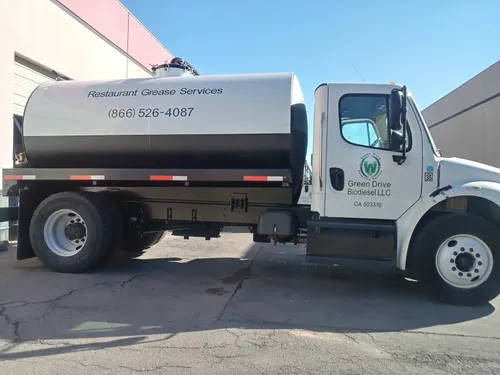
Green Drive Biodiesel LLC
252 W Larch Rd Suit G, Tracy, CA 95304
Green Drive Biodiesel LLC is a company based in Stockton, CA, specializing in used cooking oil collection and grease trap cleaning. They serve food vendors by providing containers for waste cooking oil and managing grease trap maintenance. Their services focus on environmentally responsible disposal and recycling of cooking waste.
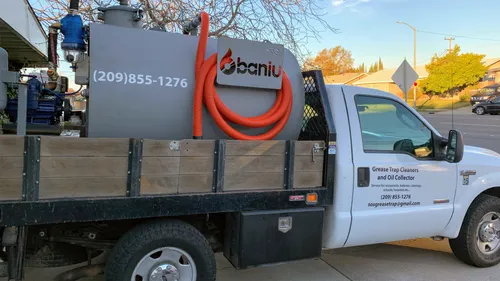
Grease Trap Cleaners and Oil Collector
722 Katlin Ct, Tracy, CA 95376
Grease Trap Cleaners and Oil Collector provides grease trap cleaning and used cooking oil collection services in San Jose, CA. The company specializes in maintaining grease traps and safely collecting used cooking oil to support proper waste management and recycling efforts.
Local Regulations for Grease and Oil Disposal
Lodi enforces specific rules aligned with California state law to prevent FOG from entering the sewer system. Compliance is mandatory for all food establishments.
- Mandatory Use of Licensed Haulers: Businesses must contract with a hauler licensed by the California Department of Food and Agriculture (CDFA) for the removal of used cooking oil and grease. Using an unlicensed service can result in penalties.
- Grease Interceptor Requirement: All food service establishments are required to have an approved and properly maintained grease trap or interceptor to capture FOG from wastewater before it enters the sewer lines.
- Strict Prohibition on Dumping: It is illegal to pour used fryer oil, grease, or food scraps down sinks, floor drains, or into storm drains. This practice leads to costly sewer blockages and environmental contamination 1.
- Alignment with SB 1383: Lodi is actively implementing California's statewide organics recycling law (SB 1383), which includes new protocols for food waste. While focused on compostables, this law underscores the city's comprehensive approach to diverting all organic waste, including grease, from landfills 2.
Best Practices for On-Site Storage and Handling
Proper handling and storage before pickup are crucial for safety, efficiency, and preventing pests or theft. Following these guidelines ensures a smooth process with your collection service.
- Use Approved Containers: Store UCO and solidified grease in sealed, durable containers. Most licensed haulers provide specialized, airtight bins or drums designed for this purpose to prevent leaks and odors.
- Secure the Location: Place collection containers in a secure area, typically at a back door or loading dock for easy hauler access. They should be kept out of public view to maintain cleanliness and security.
- Prioritize Security: Used cooking oil has value on the commodities market, making it a target for theft. Using locked bins and considering security lighting or cameras can deter unauthorized siphoning 3.
- Cool Before Handling: Always allow oil to cool completely before filtering, scraping, or transferring it to storage containers. This prevents serious burns and damage to plastic storage units 4.
The Professional Collection and Recycling Process
Engaging a licensed hauler initiates a straightforward, scheduled service that ensures regulatory compliance and contributes to the circular economy.
- Initial Assessment: A representative from the grease collection company will evaluate your kitchen's volume and needs, recommending the appropriate number and size of storage containers.
- Scheduled Pickup: On a pre-arranged schedule, the hauler will arrive to pump the used oil from your containers into their specialized tanker truck. This frequency is often weekly or bi-weekly, depending on your usage.
- Documentation for Compliance: With each service, you should receive a receipt or manifest detailing the quantity collected. This documentation is vital for your records, proving compliance with local and state regulations.
- Transformation into New Products: The collected oil is transported to a processing facility where it is cleaned and refined. The primary end product is renewable biodiesel fuel, a cleaner-burning alternative to petroleum diesel. It can also be used in the production of animal feed and other industrial products 5.
Find the perfect used cooking oil collection companies for your needs
Get personalized recommendations and expert advice
Understanding Service Options and Value
Businesses have different options for managing their used cooking oil, each with its own considerations for cost, convenience, and volume.
- Scheduled Pickup Service: This is the most common and convenient solution for restaurants. For many kitchens, especially those generating significant volumes of clean oil, this service is often provided for free. In some cases, high-volume producers may even receive payment for their oil, as it is a feedstock for valuable commodities 6 7. The primary benefit is consistent, hands-off compliance.
- Self-Haul Drop-Off: Smaller operations or those with very low oil output may consider transporting their UCO to a designated facility, such as the San Joaquin County Household Hazardous Waste facility 8. This option requires staff time, appropriate containers for transport, and may involve fees. It is generally less practical for busy food service establishments compared to scheduled pickups.
- The Cost of Non-Compliance: While setting up a service has its considerations, the alternative-failing to comply with disposal laws-is far more expensive. Fines for improper disposal, sewer spills, or using unlicensed haulers can be substantial. Hiring a licensed provider is an investment in regulatory adherence that mitigates this risk 9 10.
Getting Started with Compliant Oil Collection in Lodi
Establishing a proper used cooking oil management system is a straightforward process. The first step is to contact the City of Lodi's Public Works Department for specific local guidance and to verify a hauler's licensing status. You can then reach out to established, CDFA-licensed used cooking oil collection companies that service the Lodi area to request a consultation. They will guide you through the setup, from container delivery to scheduling your first pickup, ensuring your business operates within the full scope of local and state environmental regulations 11.
Frequently asked questions
Sources
Footnotes
-
Prevent the Clog Trash the FOG - City of Lodi - https://www.lodi.gov/DocumentCenter/View/6709/Residential-FOG-Information ↩
-
Organics Recycling (SB 1383) | Lodi, CA - https://www.lodi.gov/1152/Organics-Recycling-SB-1383 ↩
-
Restaurant Oil Disposal: Explained - Eazy Grease - https://eazygrease.com/how-do-restaurants-get-rid-of-their-oil/ ↩
-
Used Cooking Oil Disposal: Complete Guide to Grease Pickups - https://greaseconnections.com/used-cooking-oil-disposal-guide-grease-pickups/ ↩
-
Grease Collection Service: What is it - Grand Natural Inc - https://www.grandnaturalinc.com/blog/what-is-grease-collection-service.html ↩
-
Cooking Oil Collection & Grease Recycling Service - https://thegreasecompany.com/oilcollection.html ↩
-
Used Cooking Oil Pickup vs Drop-Off - GreasePros Recycling - https://www.greaseprosrecycling.com/used-cooking-oil-pickup-vs-drop-off/ ↩
-
How do I recycle or dispose...- | Waste Materials List - https://www.sjgov.org/department/pwk/solid-waste/how-do-i-recycle-or-dispose- ↩
-
Used Cooking Oil Collection / Pick Up & Recycling. - https://greasemanagement.org/usedoilcollection.html ↩
-
What Does The California Law Say About Used Cooking Oil ... - https://www.grandnatural.com/blog/what-does-the-california-law-say-about-used-cooking-oil-disposal.html ↩
-
Used Cooking Oil (UCO) Collection Service For Restaurants - https://thegreasecompany.com/blog/restaurant-used-cooking-oil-collection/ ↩