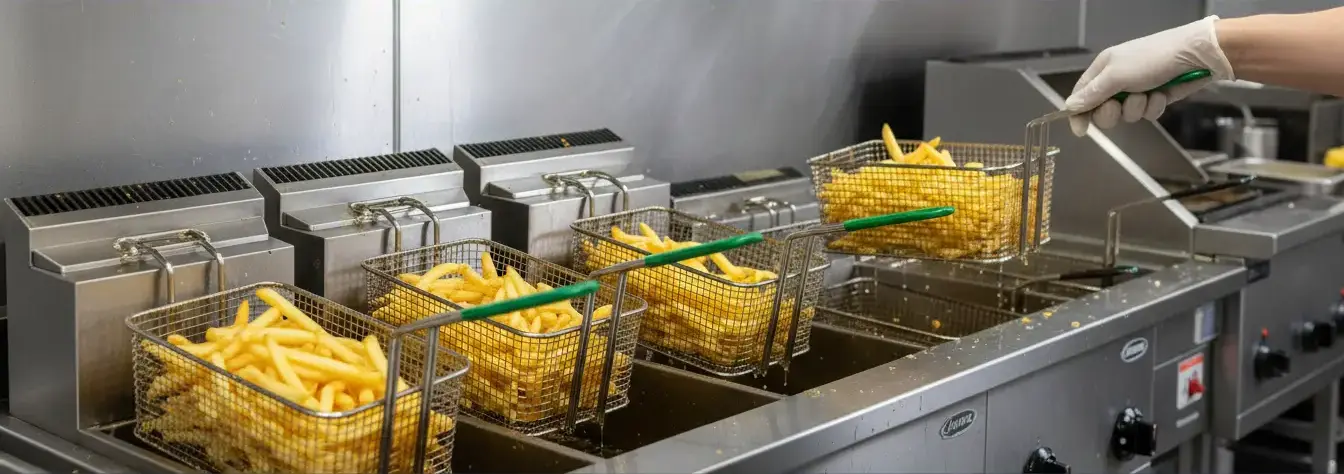
Find the Best Used Cooking Oil Collection Companies for Your Business
No obligation • Fast responses • Nationwide coverage

Why you can trust Restaurant Waste Disposal
Restaurant Waste Disposal is a leading U.S. resource for comparing restaurant composting, food-waste recycling, grease trap cleaning, and used cooking oil collection services. Our editorial team researches providers, checks credentials, and organizes unbiased information so operators can make informed decisions. Companies cannot pay to change ratings or placement.
Search providers near you
Top Used Cooking Oil Collection Companies in Livermore, California Ranked
For restaurant owners and kitchen managers in Livermore, managing fats, oils, and grease (FOG) is a critical operational and environmental responsibility. Proper used cooking oil disposal isn't just about cleanliness; it's a legal requirement with specific city and state mandates designed to protect the local sewer infrastructure. Partnering with a licensed collection service ensures your establishment remains compliant, avoids costly fines, and can even turn a waste product into a potential revenue stream through recycling programs. Navigating the rules for grease trap maintenance and oil pickup is essential for any food service business aiming for sustainable and hassle-free operations.
Livermore, like all California cities, operates under strict state regulations enforced by local utilities. The primary goal is to prevent FOG from entering the sewer system, where it can cool, solidify, and cause major blockages leading to sanitary sewer overflows. These overflows are environmental hazards and can result in significant penalties for the responsible business. Therefore, the system is built on a framework of proper storage, licensed hauling, and certified recycling, turning a potential problem into a resource for biodiesel production.
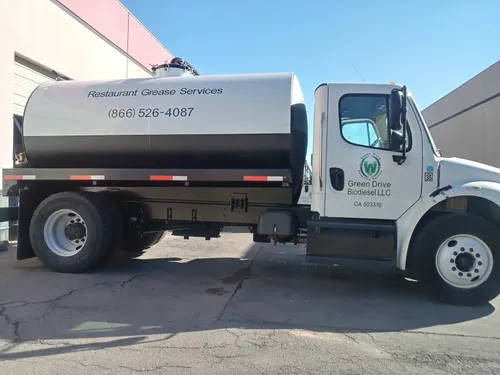
Green Drive Biodiesel LLC
252 W Larch Rd Suit G, Tracy, CA 95304
Green Drive Biodiesel LLC is a company based in Stockton, CA, specializing in used cooking oil collection and grease trap cleaning. They serve food vendors by providing containers for waste cooking oil and managing grease trap maintenance. Their services focus on environmentally responsible disposal and recycling of cooking waste.
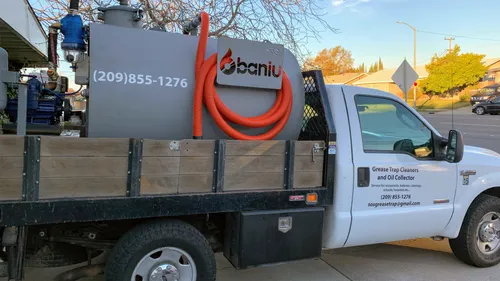
Grease Trap Cleaners and Oil Collector
722 Katlin Ct, Tracy, CA 95376
Grease Trap Cleaners and Oil Collector provides grease trap cleaning and used cooking oil collection services in San Jose, CA. The company specializes in maintaining grease traps and safely collecting used cooking oil to support proper waste management and recycling efforts.
Understanding Livermore's FOG Regulations
Compliance starts with understanding the non-negotiable rules set by the City of Livermore and the State of California. Ignorance of these regulations is not a defense and can lead to disruptions and fines.
- Mandatory Use of Licensed Haulers: It is illegal to dispose of used cooking oil or grease trap waste in the trash, down drains, or in storm sewers. Restaurants must contract with a hauler licensed by the California Department of Food and Agriculture (CDFA) for Inedible Kitchen Grease (IKG) 1. These licensed providers have the permits to transport and process the material correctly.
- Grease Interceptor (Trap) Requirements: Most food service establishments are required to have a properly sized and maintained grease interceptor. This device captures FOG before wastewater enters the sewer line. Regular cleaning and pumping of these interceptors by a licensed service are mandatory to keep them functioning and to pass city inspections 2.
- Proper On-Site Storage: Used oil must be stored in dedicated, sealed containers to prevent leaks, spills, and contamination. Most professional collection companies provide these containers-typically sturdy, lockable tanks ranging from 35 to 240 gallons-as part of their service. Proper labeling and secure placement are key for safety and compliance 3.
The Professional Collection Process
Working with a licensed used cooking oil collection provider streamlines what can be a messy and complex task. Here's how a typical service relationship functions for a Livermore restaurant:
- Service Agreement: You establish a pickup schedule (e.g., weekly, bi-weekly, monthly) based on your oil production volume with a licensed hauler.
- Container Placement: The hauler provides and installs locked, outdoor storage containers (often called "grease barrels" or "collection tanks") in a mutually agreed, accessible location.
- Scheduled Pickup: On the appointed day, a service technician uses a specialized vacuum truck to pump the used oil from your storage container into their collection tank. The process is quick and designed to minimize spillage.
- Transport and Recycling: The hauler transports the collected oil to a certified processing facility. There, it is cleaned and converted into raw materials for biodiesel, animal feed supplements, or other industrial products, completing the recycling loop 4 5.
- Documentation: Reputable services provide documentation or manifests for each pickup, which is crucial for your records to prove compliance during health or utility inspections.
Cost Structure and Potential Rebates
The financial model for used cooking oil pickup is not one-size-fits-all; it primarily depends on your monthly output volume. The value of clean, well-handled oil as a feedstock for biodiesel creates a sliding scale.
- Low-Volume Producers (Under 40 gallons/month): If your restaurant uses relatively little frying oil, you will likely pay a service fee for pickup and container rental. Fees can range from approximately $30 to $50 per month, which covers the cost of the service and ensures legal, clean disposal.
- Medium-Volume Producers (40-100 gallons/month): At this threshold, many collection companies transition to a "free pickup" model. The value of the oil offsets their service cost. You typically won't pay a fee, but you may not receive a payment either 6.
- High-Volume Producers (Over 100-300+ gallons/month): Establishments with high fryer usage, like large restaurants or dedicated fry kitchens, become candidates for rebate programs. The collection company will actually pay you for your oil, with rates varying based on market conditions, oil quality, and consistency of supply. Rebates can range from $0.10 to over $0.65 per gallon 7 8. It's important to note that oil contaminated with water or food debris is less valuable and can affect rebate eligibility.
Find the perfect used cooking oil collection companies for your needs
Get personalized recommendations and expert advice
Choosing the Right Service Provider in Livermore
Selecting a partner for your grease trap cleaning and oil collection needs is a business decision that impacts your compliance, kitchen safety, and bottom line. Look for providers that emphasize the following:
- Full Compliance Assurance: Verify the company is licensed with the CDFA for IKG hauling and can provide all necessary documentation for your records and inspections.
- Reliability and Cleanliness: A professional service should execute pickups on schedule with minimal disruption and absolutely no mess left behind. Spills are a safety and environmental hazard.
- Secure, Locked Containers: Theft of used cooking oil is an unfortunate reality. Locking containers provided by your hauler protect your asset (the oil) and prevent unauthorized dumping, which could contaminate your supply 9.
- Transparent Communication: Your provider should clearly explain their fee or rebate structure, pickup schedule, and emergency service options. They should act as a resource for any questions about FOG management best practices.
Benefits Beyond Compliance
While adhering to Livermore's codes is the primary driver, professional used cooking oil recycling offers broader advantages:
- Environmental Stewardship: Diverting oil from landfills and sewers and converting it into biodiesel reduces fossil fuel dependence and greenhouse gas emissions. It's a tangible part of a restaurant's sustainability story.
- Kitchen Safety and Hygiene: Proper, contained storage of hot used oil reduces the risk of slips, burns, and pest infestations in and around your kitchen.
- Operational Efficiency: Outsourcing this messy, specialized task frees up your staff to focus on food preparation and customer service, while ensuring it's handled correctly every time.
Frequently asked questions
Sources
Footnotes
-
What Does The California Law Say About Used Cooking Oil Disposal? - https://www.grandnatural.com/blog/what-does-the-california-law-say-about-used-cooking-oil-disposal.html ↩
-
How to dispose of or recycle Cooking Oil - Default V2 - Oceanside, CA - https://www.ci.oceanside.ca.us/government/water-utilities/environmental-services-programs/zero-waste-program/for-residents#!rc-cpage=757820 ↩
-
Used Cooking Oil Collection / Pick Up & Recycling. - https://greasemanagement.org/usedoilcollection.html ↩
-
Used Cooking Oil Pickup vs Drop-Off-What's Best for Restaurants? - https://www.greaseprosrecycling.com/used-cooking-oil-pickup-vs-drop-off/ ↩
-
Used Cooking Oil (UCO) Collection Service For Restaurants - https://thegreasecompany.com/blog/restaurant-used-cooking-oil-collection/ ↩
-
Why "Free" Used Cooking Oil Collection Can Cost More Than Paid ... - https://greaseconnections.com/free-used-oil-pickup-cost-trap/ ↩
-
Used Cooking Oil Disposal: Complete Guide to Grease Pickups - https://greaseconnections.com/used-cooking-oil-disposal-guide-grease-pickups/ ↩
-
Do you get paid for used cooking oil? : r/cookingoilrecycling - Reddit - https://www.reddit.com/r/cookingoilrecycling/comments/1kvlxl5/do_you_get_paid_for_used_cooking_oil/ ↩
-
Cooking Oil Collection & Grease Recycling Service - https://thegreasecompany.com/oilcollection.html ↩