
Find the Best Used Cooking Oil Collection Companies for Your Business
No obligation • Fast responses • Nationwide coverage

Why you can trust Restaurant Waste Disposal
Restaurant Waste Disposal is a leading U.S. resource for comparing restaurant composting, food-waste recycling, grease trap cleaning, and used cooking oil collection services. Our editorial team researches providers, checks credentials, and organizes unbiased information so operators can make informed decisions. Companies cannot pay to change ratings or placement.
Search providers near you
Top Used Cooking Oil Collection Companies in La Mesa, California Ranked
For restaurants and food service businesses in La Mesa, managing used cooking oil (UCO) is a critical operational and environmental responsibility. Proper grease trap cleaning and oil recycling are not just about cleanliness; they are mandated by local regulations designed to protect the city's sewer infrastructure. By partnering with a licensed hauler for regular used cooking oil collection, La Mesa businesses can turn a waste product into valuable biodiesel, ensure compliance with Fats, Oils, and Grease (FOG) rules, and potentially generate revenue or reduce disposal costs. This guide outlines the essential steps for compliant UCO management, from secure storage to final recycling, helping you navigate the requirements and opportunities specific to La Mesa.
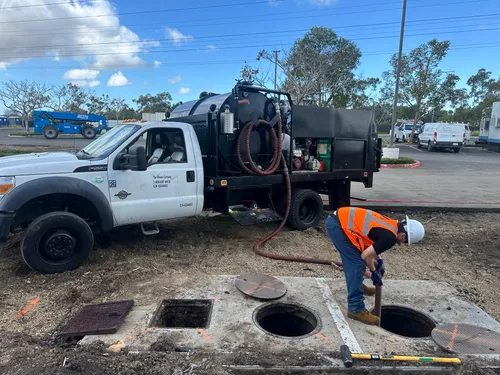
San Diego Grease Company
San Diego, CA
San Diego Grease Company provides grease trap cleaning and used cooking oil collection services throughout San Diego, CA. They serve a wide range of commercial kitchens including restaurants, hotels, and food processing facilities, ensuring compliance with local regulations and environmental standards. Their services include grease trap and interceptor cleaning, as well as eco-friendly used cooking oil collection and recycling. The company is certified by the California Department of Food and Agriculture and offers 24/7 support to clients. With nearly a decade of experience, they focus on maintaining grease recovery devices to prevent plumbing issues and promote sustainability.
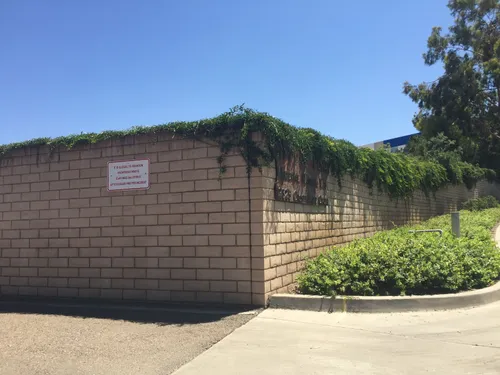
City of Poway materials handling yard
12325 Crosthwaite Cir, Poway, CA 92064
The City of Poway materials handling yard in Poway, CA, offers a Household Hazardous Waste (HHW) Collection Facility for safe disposal of various hazardous materials. Residents can drop off items such as used cooking oil, automotive fluids, batteries, electronic devices, and other household toxins without an appointment. The facility requires proof of residency and accepts waste in original containers, following transportation and weight limits to ensure safety. This service helps prevent illegal disposal of hazardous waste and promotes environmentally responsible handling of toxic substances.

Chula Vista Environmental Services
1800 Maxwell Rd, Chula Vista, CA 91911
Chula Vista Environmental Services provides waste management and sustainability programs in Chula Vista, CA. They offer used cooking oil collection and food waste composting services for restaurants and businesses. The department also manages household hazardous waste disposal, including paints, pesticides, and motor oil, at the South Bay Household Hazardous Waste Collection Facility. Additionally, they operate a Reuse Center where residents can obtain reusable products like paint and household chemicals. Free home pick-up is available for eligible disabled or elderly residents who cannot transport hazardous waste themselves.
Understanding La Mesa's FOG and Organics Recycling Mandates
The City of La Mesa enforces specific rules to prevent sewer blockages and environmental harm from food service waste. Compliance involves two key programs that directly impact how you handle used fryer oil and kitchen grease.
The Mandatory FOG Program Any business in La Mesa that prepares or serves unpackaged food is required to obtain a FOG Discharge Permit. This program is designed to control the amount of fats, oils, and grease entering the wastewater system. A core component of compliance is ensuring that all used cooking oil is collected by a licensed transporter who is registered with the California Department of Food and Agriculture (CDFA). Pouring oil down the drain is a violation that can lead to significant fines and sewer backups.
Mandatory Commercial Organics Recycling California state law (SB 1383) requires all businesses to recycle their organic waste, which includes food scraps and food-soiled paper. La Mesa implements this through a three-bin collection system (landfill, recycling, and organics) for commercial properties 1. While used cooking oil is a liquid and not typically placed in the organics cart, its proper management through a certified recycler is a crucial part of a business's overall organics diversion strategy and demonstrates full regulatory compliance.
The Step-by-Step Process for Oil Collection & Recycling
Establishing a reliable system for grease trap maintenance and used oil pickup streamlines kitchen operations and ensures you never fall out of compliance. Here's how the typical process works from your fryer to the recycling facility.
- Safe Cooling and Storage: After use, cooking oil must be allowed to cool completely before being transferred. Staff should then carefully drain the cooled oil into a dedicated, leak-proof container provided by your collection service. These containers are typically secure, lockable bins or drums designed to prevent spills, pests, and contamination.
- Scheduled Pickup: A licensed hauler will schedule regular pickups based on your volume of oil production. Consistent, scheduled service prevents containers from overfilling and ensures a clean, efficient worksite. For many providers, this is a seamless, behind-the-scenes operation.
- Transport and Processing: The collected oil is transported by the hauler to a processing facility. It is important to verify that your service provider is properly licensed for this transport to ensure chain-of-custody compliance 2.
- Recycling into New Products: At the facility, the used cooking oil is refined and transformed. The primary end product is biodiesel or renewable diesel, which are cleaner-burning alternative fuels. It can also be processed into ingredients for sustainable aviation fuel (SAF), animal feed supplements, or soap 3. This circular process ensures your kitchen waste is diverted from landfills and given a productive second life.
Find the perfect used cooking oil collection companies for your needs
Get personalized recommendations and expert advice
Best Practices for On-Site Oil and Grease Management
Proper handling before pickup is essential for safety, compliance, and operational efficiency. Implementing these simple practices protects your staff, your premises, and the local environment.
- Use Designated, Secure Containers: Always store cooled oil in the purpose-built containers supplied by your recycling partner. Never use makeshift containers like buckets or pots, which can easily tip or leak 4.
- Prioritize Spill Prevention and Cleanup: Place storage containers on a stable, level surface in a designated area. Immediately clean up any spills or drips using absorbent materials like cat litter or commercial absorbents. This prevents slip-and-fall hazards and stops grease from entering floor drains 5.
- Coordinate with Grease Trap Maintenance: Used cooking oil collection should be part of a comprehensive grease management plan that includes regular grease trap or interceptor cleaning. Some service providers offer both oil collection and trap cleaning, simplifying scheduling and compliance.
- Train Your Staff: Ensure all kitchen staff are trained on the proper procedures for cooling, draining, and storing used oil. Clear protocols help prevent accidents and contamination of the oil, which can affect its recycling value.
Financial Considerations: Cost, Revenue, and Savings
Managing used cooking oil isn't just a cost of business; it can be a source of savings or even revenue. The financial model typically depends on the volume of oil your establishment generates each month.
- Free Pickup Services: For many small to mid-volume restaurants, used cooking oil collection is offered as a free service. The recycling company takes possession of the oil at no charge, as the value of the feedstock for biodiesel covers their collection and processing costs 6. This is a common arrangement for businesses generating under 100 gallons per month.
- Revenue Sharing and Rebates: Establishments with high-volume fryer operations, such as large restaurants or dedicated fry kitchens, may qualify for a revenue-sharing program. In these cases, the recycler may pay the business a rebate based on the volume of oil collected, often quoted per gallon (e.g., $0.10-$0.65/gallon) 7 8. The exact rate depends on market conditions for recycled oil and your consistent monthly output.
- Overall Cost Savings: Even without a direct rebate, recycling used oil provides indirect savings. It eliminates the cost and liability of improper disposal, helps avoid potential fines for FOG violations, and can reduce general waste hauling fees by removing a heavy, messy component from your trash stream 9.
Finding a Compliant Service Provider in La Mesa
Choosing the right partner is crucial for meeting La Mesa's specific regulatory requirements. Here are reliable ways to identify licensed and reputable used cooking oil collectors.
- Consult City Resources: The City of La Mesa's Solid Waste & Recycling department provides information on local waste services 10. You can also use regional resources like WasteFreeSD.org to find certified recyclers operating in San Diego County 11.
- Contact Major Regional Recyclers: Several established, licensed companies serve the greater San Diego area, including La Mesa. Providers like Mahoney Environmental, The Grease Company, and other CDFA-licensed transporters have the expertise and permits necessary for compliant collection and recycling in the city 12 13 14.
- Verify Credentials: Before signing a contract, confirm that the hauler is currently licensed with the CDFA for used cooking oil transportation. A reputable company will readily provide proof of licensing and insurance.
Frequently asked questions
Sources
Footnotes
-
Commercial Recycling | La Mesa, CA - Official Website - https://www.cityoflamesa.gov/1429/Commercial-Recycling ↩
-
Fats, Oils & Grease (FOG) Program | La Mesa, CA - Official Website - https://www.cityoflamesa.gov/922/Fats-Oils-Grease-FOG-Program ↩
-
Used Cooking Oil Collection For Restaurants - https://greasemanagement.org/greasecollection.html ↩
-
Used Cooking Oil Collection Los Angeles - Pick Up & Recycling. - https://greasemanagement.org/oilcollectionlosangeles.html ↩
-
Used Cooking Oil Pickup vs Drop-Off-What's Best for Restaurants? - https://www.greaseprosrecycling.com/used-cooking-oil-pickup-vs-drop-off/ ↩
-
Cooking Oil Disposal - Reyes Energy Corporation - https://www.reyesenergycorporation.com/cooking-oil-disposal/ ↩
-
How Recycling Used Cooking Oil Can Save Restaurants Money and ... - https://fox5sandiego.com/business/press-releases/ein-presswire/864508472/how-recycling-used-cooking-oil-can-save-restaurants-money-and-enhance-sustainability-efforts ↩
-
Restaurant Used Cooking Oil: Disposal, Recycling & Revenue Guide - https://greaseconnections.com/restaurant-used-cooking-oil-disposal-recycling-revenue-guide/ ↩
-
How Recycling Used Cooking Oil Can Save Restaurants ... - https://www.cbs42.com/business/press-releases/ein-presswire/864508472/how-recycling-used-cooking-oil-can-save-restaurants-money-and-enhance-sustainability-efforts ↩
-
Solid Waste & Recycling | La Mesa, CA - Official Website - https://www.cityoflamesa.gov/386/Waste-Recycling ↩
-
Cooking Oil Collection & Grease Recycling Service - https://thegreasecompany.com/oilcollection.html ↩
-
Restaurant Grease Pick Up and Disposal Services in Los Angeles, CA - https://www.mahoneyes.com/fryer-oil-disposal-recycling-los-angeles-ca/ ↩
-
Used Cooking Oil (UCO) Collection Service For Restaurants - https://thegreasecompany.com/blog/restaurant-used-cooking-oil-collection/ ↩
-
SAN DIEGO Grease COMPANY - GREASE Trap Cleaning & Used COOKING Oil Collection - https://thegreasecompany.com/sandiego.html ↩