
Find the Best Used Cooking Oil Collection Companies for Your Business
No obligation • Fast responses • Nationwide coverage

Why you can trust Restaurant Waste Disposal
Restaurant Waste Disposal is a leading U.S. resource for comparing restaurant composting, food-waste recycling, grease trap cleaning, and used cooking oil collection services. Our editorial team researches providers, checks credentials, and organizes unbiased information so operators can make informed decisions. Companies cannot pay to change ratings or placement.
Search providers near you
Top Used Cooking Oil Collection Companies in Jurupa Valley, California Ranked
For restaurants and food service businesses in Jurupa Valley, managing used cooking oil (UCO) is more than just a kitchen chore-it's a regulated component of commercial waste management. Proper grease recycling is essential for environmental compliance, operational safety, and can even contribute to your bottom line. California's stringent regulations, including the landmark SB 1383, mandate that all businesses participate in organics recycling, which extends to the proper handling of inedible kitchen grease. This means you cannot simply pour oil down the drain or toss it with general trash. Instead, you must contract with a licensed grease hauler for professional collection and recycling, ensuring every gallon is tracked from your kitchen to its next life as biodiesel or another renewable product.
Navigating this process involves understanding local rules, setting up proper storage, selecting a service provider, and maintaining crucial documentation for potential audits. While the city's contracted waste hauler, Burrtec, manages commercial solid waste and organics, used fryer oil requires a specialized, licensed collection service. This guide will walk you through the key steps for compliant and efficient grease management in Jurupa Valley.
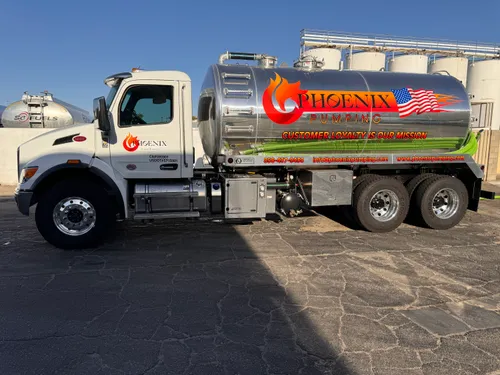
Phoenix Pumping LLC
3131 E Palmyra Ave, Orange, CA 92869
Phoenix Pumping LLC offers cooking oil recycling and grease trap cleaning services in Los Angeles, CA, extending coverage to Southern California counties as well as Arizona and Nevada. The company serves large restaurant chains and facilities with multiple kitchens, providing licensed grease trap cleaning including large outdoor installations. With over a decade of experience, Phoenix Pumping transforms used cooking oil into renewable diesel with a significantly lower carbon footprint. They provide 24/7 availability and a single point of contact for all service needs.
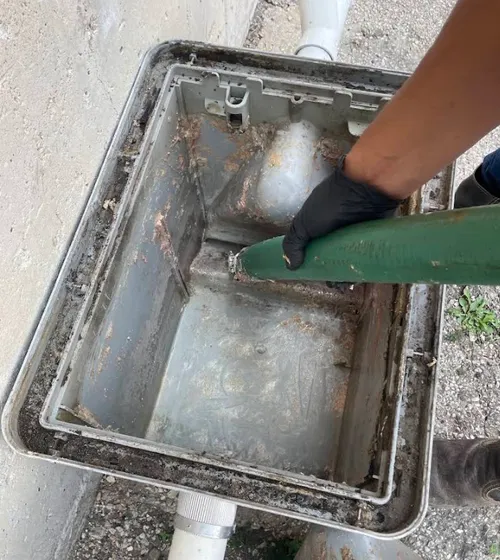
Hesperia Grease Trap Services
Los Angeles, CA
Hesperia Grease Trap Services provides comprehensive grease management solutions for commercial kitchens in Los Angeles, CA. They specialize in grease trap pumping, cleaning, interceptor maintenance, system installation, emergency repairs, and restaurant equipment servicing tailored to meet California environmental regulations. Serving Hesperia and the surrounding Victor Valley region, this locally owned company supports restaurants, cafes, hotels, and commercial facilities throughout San Bernardino County. Their services include high-capacity vacuum pumping, deep system cleaning, and thorough inspections to maintain system efficiency and compliance. They also offer emergency repair services to address grease trap failures and backups quickly, minimizing business disruption.
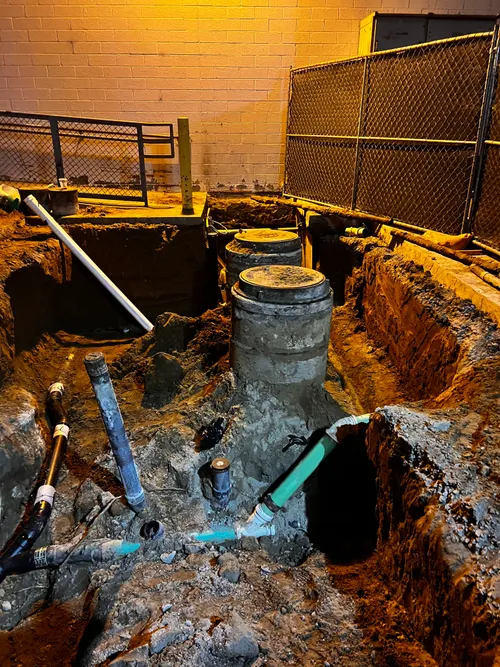
Grease Co of San Bernardino
1798 5th St, San Bernardino, CA 92411
Grease Co of San Bernardino provides grease trap cleaning, interceptor pumping, and used cooking oil collection services for food service establishments in Los Angeles, CA. Serving San Bernardino and Riverside counties, the company offers comprehensive grease waste management solutions including hydro jetting, grease trap repair, and spill cleanup. With nearly two decades of experience, they are licensed by the California Department of Food & Agriculture and provide 24/7 support to address urgent plumbing needs. Their used cooking oil collection service recycles waste oil into biodiesel, promoting sustainability and regulatory compliance.

Longview Environmental Company
Los Angeles, CA
Longview Environmental Company provides kitchen maintenance services in Los Angeles, CA, specializing in used cooking oil collection, grease trap cleaning, and hydro jetting for restaurants, hotels, ghost kitchens, and other food service businesses. Their licensed professionals manage the entire process of used cooking oil recycling and grease trap maintenance, ensuring compliance with environmental regulations. Hydro jetting is offered as an effective method to clear grease and debris from drain lines, helping prevent blockages and operational disruptions. The company emphasizes environmental sustainability by converting waste oil and grease into eco-friendly products.
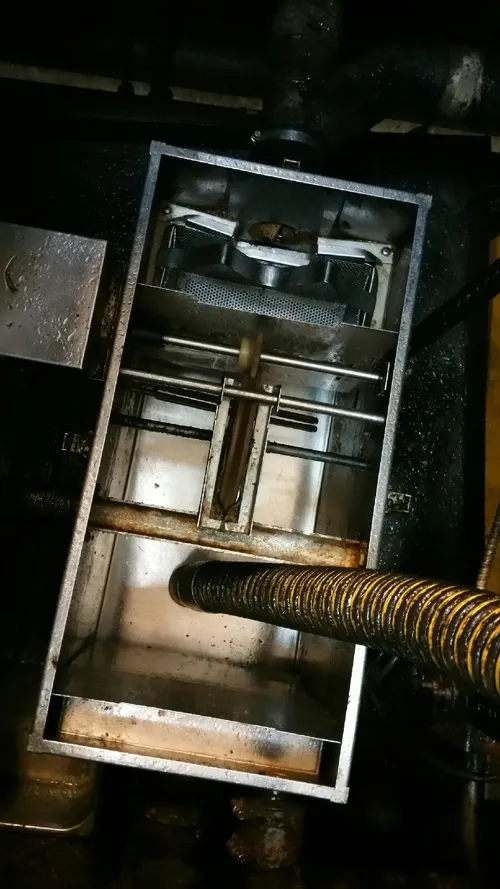
Grease Management Solutions GMS
1180 S Idaho St #A1, La Habra, CA 90631
Grease Management Solutions GMS is a Southern California-based company serving Los Angeles, CA, that specializes in grease trap cleaning, used cooking oil collection, and grease system maintenance for commercial kitchens. They provide tailored services to food service businesses, including interceptor pumping and advanced drain cleaning, ensuring compliance with local health and safety regulations. Their team and subcontracted partners offer skilled maintenance and emergency support to prevent clogs, overflows, and odors. The company emphasizes environmental responsibility and provides detailed service records to meet inspection requirements.
Understanding Local and State Regulations
Jurupa Valley businesses must adhere to a combination of state laws and local enforcement. The primary driver is California's SB 1383, which aims to reduce organic waste in landfills by 75% 1. This regulation classifies used cooking oil as an organic material, requiring it to be recycled. Non-compliance can result in significant penalties.
Key regulatory requirements include:
- Licensed Haulers: You must contract with a hauler specifically licensed for "inedible kitchen grease" collection. Using your general waste service (Burrtec) for oil disposal is not compliant.
- Mandatory Documentation: With every pickup, your hauler must provide a detailed manifest or receipt. This document is your legal proof of proper disposal and must be kept on file for audit purposes.
- Proper Storage: Regulations require oil to be stored in sealed, labeled containers to prevent leaks, spills, and pest issues 2.
The Step-by-Step Process for Oil Collection
Establishing a smooth UCO pickup system involves a clear sequence of actions.
1. Filtering and On-Site Storage
Before storage, used oil should be cooled and filtered to remove food solids and water. This step is critical; cleaner oil is more valuable and less likely to incur disposal fees. Store the filtered oil in a dedicated, sealable container provided by your collection company. These containers are typically placed in a secure, accessible area away from public view and storm drains 3.
2. Contracting a Licensed Collection Service
Your next step is to partner with a certified used cooking oil collector. These providers supply storage tanks or barrels and establish a regular pickup schedule-weekly, bi-weekly, or monthly-based on your volume. It's essential to verify their license status to ensure your business remains compliant with state tracking requirements 4 5.
3. The Pickup and Documentation
On collection day, the hauler will pump the oil from your container into their truck. This is the most important step for compliance: you must receive and retain a manifest. This document details the hauler's information, the amount of oil collected, and the date and time of pickup 6 7.
4. Recycling and End Use
Once collected, the oil is transported to a recycling facility. There, it undergoes further processing to be converted into valuable products like biodiesel, a renewable fuel, or other industrial ingredients. This process ensures the oil is diverted from landfills and contributes to California's circular economy goals 8.
Find the perfect used cooking oil collection companies for your needs
Get personalized recommendations and expert advice
Financial Considerations: Cost vs. Revenue
The economics of used cooking oil collection can vary. Unlike general trash service, which is always a cost, UCO can sometimes generate revenue.
- Potential for Payment: If your oil is well-filtered and free of contaminants, collection companies may pay for it. Market prices fluctuate, but rates can range significantly, with some industry sources noting a baseline for clean oil 9 10.
- Avoiding Disposal Fees: Conversely, oil heavily contaminated with water or food debris may be considered a disposal liability, and you could be charged a fee for its removal. Proper on-site filtering is the key to avoiding these charges.
- Service Structures: Many collection companies offer free storage containers and scheduled pickups as part of their service, especially for establishments with consistent, high-volume output.
How to Find a Compliant Collection Service in Jurupa Valley
Finding the right partner is crucial for both compliance and operational efficiency.
- Start with a Search: Look for providers using terms like "licensed used cooking oil collection Jurupa Valley" or "Inedible Kitchen Grease Hauler." Ensure any company you consider can provide proof of their required state license.
- Utilize State Resources: The CalRecycle Used Oil Recycling Program offers a database of certified collection centers and recyclers 11. This can be helpful for smaller operations considering drop-off options or for verifying a hauler's credentials.
- Contact Local Providers: Several regional service providers operate throughout the Inland Empire and offer services in Jurupa Valley. When contacting them, ask specific questions about their licensing, manifesting process, and container services.
- Understand Your General Waste Service: For questions about commercial solid waste, recycling, and organics collection (like food scraps), you should contact Burrtec, the city's franchised waste hauler 12. Remember, they are not your solution for used cooking oil.
Best Practices for Restaurant Grease Management
Beyond basic compliance, adopting these practices can streamline your operations:
- Designate a Storage Area: Create a consistent, safe spot for your oil collection container that is accessible for both staff and haulers.
- Train Your Staff: Ensure kitchen staff are trained on proper oil cooling, filtering, and transfer procedures to maintain oil quality and prevent accidents.
- Maintain a Log: Keep an internal log alongside your official manifests to track pickup dates, volumes, and any communications with your hauler.
- Schedule Regular Maintenance: Coordinate with your hauler to ensure containers are in good repair and cleaned as needed to prevent odors and pests.
Frequently asked questions
Sources
Footnotes
-
SB 1383 Organic Waste Recycling and Edible Food Recovery - https://www.jurupavalley.org/519/SB-1383-Organic-Waste-Recycling-and-Edib ↩
-
What Restaurants Should Know About California Oil Disposal ... - https://startgreencommodities.com/post/restaurant-grease-trap-requirements ↩
-
Used Cooking Oil Pickup vs Drop-Off - GreasePros Recycling - https://www.greaseprosrecycling.com/used-cooking-oil-pickup-vs-drop-off/ ↩
-
Used Cooking Oil Collection / Pick Up & Recycling. - https://greasemanagement.org/usedoilcollection.html ↩
-
Cooking Oil Collection & Grease Recycling Service - https://thegreasecompany.com/oilcollection.html ↩
-
Cal. Code Regs. Tit. 3, § 1180.24 - Requirements to Document and Track the Collection, Transport, and Receipt of Inedible Kitchen Grease | State Regulations | US Law | LII / Legal Information Institute - https://www.law.cornell.edu/regulations/california/3-CCR-1180.24 ↩
-
What Does The California Law Say About Used Cooking Oil Disposal? - https://www.grandnatural.com/blog/what-does-the-california-law-say-about-used-cooking-oil-disposal.html ↩
-
What Happens To The Used Cooking Oil Once It Leaves Your ... - https://www.grandnatural.com/blog/what-happens-to-the-used-cooking-oil-once-it-leaves-your-restaurant.html ↩
-
Used Cooking Oil Pricing & Business Guide - Grease Connections - https://greaseconnections.com/used-cooking-oil-pricing-guide/ ↩
-
Southern California Commercial Kitchen Cooking Oil recycling ... - https://thegreasecompany.com/blog/how-the-grease-is-protecting-you-by-recycling-cooking-oil/2/ ↩
-
Used Oil Recycling Program - CalRecycle Home Page - CA.gov - https://calrecycle.ca.gov/usedoil/ ↩
-
Commercial Waste & Recycling | Jurupa Valley, CA - https://www.jurupavalley.org/356/Commercial-Waste-Recycling ↩