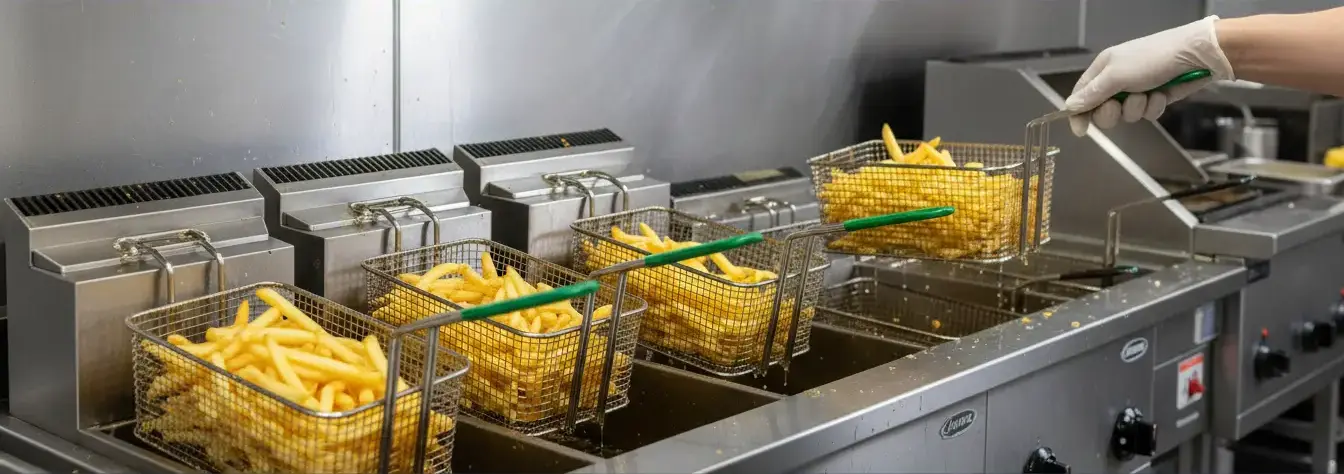
Find the Best Used Cooking Oil Collection Companies for Your Business
No obligation • Fast responses • Nationwide coverage

Why you can trust Restaurant Waste Disposal
Restaurant Waste Disposal is a leading U.S. resource for comparing restaurant composting, food-waste recycling, grease trap cleaning, and used cooking oil collection services. Our editorial team researches providers, checks credentials, and organizes unbiased information so operators can make informed decisions. Companies cannot pay to change ratings or placement.
Search providers near you
Top Used Cooking Oil Collection Companies in Hemet, California Ranked
For restaurants and commercial kitchens in Hemet, managing used cooking oil (UCO) is more than just a cleaning task-it's a regulated part of operations with significant environmental and financial implications. California state law mandates the proper recycling of this material, transforming a potential waste liability into a valuable resource for products like biodiesel. Navigating the requirements for storage, pickup, and documentation is essential for compliance and environmental stewardship. This guide outlines the key steps for Hemet food service businesses to establish a safe, legal, and potentially profitable used oil collection system.
J N Grease Services
25685 Sherman Rd, Romoland, CA 92585
J N Grease Services is based in Menifee, CA, and has been providing waste handling solutions and maintenance services for over 20 years. They serve a wide range of clients including small restaurants, large restaurant chains, food manufacturers, and supermarkets throughout Southern California. Their services include used cooking oil collection and grease trap cleaning, supporting businesses in maintaining operational efficiency. J N Grease Services emphasizes competitive pricing and attentive customer care to build long-term relationships.
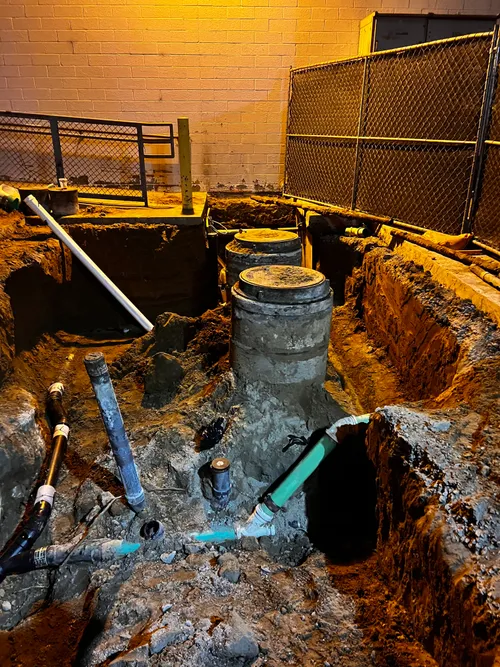
Used Oil Recycling
2824 W St, San Bernardino, CA 92415
Used Oil Recycling is a company based in Los Angeles, CA that specializes in the collection of used cooking oil. They focus on environmentally responsible oil recycling services to support sustainable waste management in the area.
Understanding California's Mandatory Recycling Laws
In Hemet, as in all of California, restaurants are legally required to recycle their used cooking oil. It is illegal to dispose of UCO by pouring it down drains, into sewers, or placing it in the regular trash. These regulations, enforced by state agencies like CalRecycle, are designed to prevent sewer blockages, water contamination, and environmental harm. Compliance is not optional; it's a standard part of responsible business operation that helps protect local infrastructure and ecosystems.
The state's Used Oil Recycling Program provides the framework for these rules, emphasizing proper handling from the fryer to the recycling facility 1. For Hemet business owners, this means partnering with a licensed hauler is the first and most critical step. Using an unlicensed service can leave your business vulnerable to fines and penalties during inspections, as proper documentation and chain-of-custody are key components of the law.
Step-by-Step: Proper Handling and Storage
Before collection even occurs, how you handle and store used fryer oil on-site is crucial for safety and compliance. Following best practices minimizes risks and ensures a smooth pickup process.
- Cool and Scrape: Always allow oil to cool completely below 120°F before handling. Scrape out food solids and debris into the trash before transferring the liquid oil. This prevents burns and reduces contamination, yielding a higher-quality product for recyclers.
- Use Approved Containers: Transfer the cooled oil into a dedicated, covered collection bin. These are typically provided by your licensed collection service. Never use makeshift containers that can leak or tip over.
- Designate a Safe Storage Area: Place your collection container in a designated, accessible area that is away from drains, doorways, and high-traffic zones. The area should be well-ventilated and, ideally, have secondary containment (like a spill pallet) to catch any accidental leaks 2 3. Containers must be clearly labeled as "Used Cooking Oil."
- Maintain Documentation: Keep detailed records of your oil collection. This includes service agreements, pickup schedules, and manifests or receipts provided by your hauler each time they collect oil. These records are your proof of compliance during health or environmental inspections 4.
Finding a Licensed Collection Service in Hemet
Your business must use a licensed hauler for used cooking oil collection. These companies are registered with the state and understand the specific regulatory landscape in Riverside County.
- Local and Regional Providers: Several service providers operate in the Hemet and greater Inland Empire area. Companies like The Grease Company (TGC) and Imperial Western Products offer comprehensive UCO collection services 5.
- Free Bin Placement and Collection: Most reputable haulers provide the collection container (bin or barrel) at no cost. They will establish a regular pickup schedule based on your oil production volume, ensuring your container never overflows.
- From Waste to Resource: A licensed hauler doesn't just take your oil away. They transport it to a processing facility where it is cleaned and converted into valuable products. The primary end-product is biodiesel, a renewable fuel that powers vehicles and equipment, closing the loop on a waste stream.
Find the perfect used cooking oil collection companies for your needs
Get personalized recommendations and expert advice
The Financials: Costs, Free Service, and Potential Revenue
The economics of used cooking oil collection in Hemet operate on a volume-based model. Your monthly cost or potential income is directly tied to how much oil your kitchen produces.
- Low-Volume Scenarios: If your establishment generates a relatively small amount of used oil (e.g., under 40 gallons per month), you might incur a nominal service fee. This fee, which can be around $30 per month, covers the cost of bin rental, transportation, and processing for smaller quantities 6.
- Transition to Free Service: The model typically shifts once your volume reaches a certain threshold, often around 35-40 gallons per month. At this point, the value of the oil as a commodity generally covers the hauler's operational costs. As a result, most providers offer free collection service to restaurants that meet this minimum volume 7.
- Earning Rebates for High Volume: For high-volume producers like large restaurants, institutional kitchens, or food processing plants generating hundreds of gallons per month, the used oil can become a source of revenue. Haulers may offer a rebate or payment based on the market price of recycled oil, paying a rate per gallon collected 8 9. This can sometimes be enough to offset other operational costs or even generate a small income stream.
It's important to discuss the specific pricing structure, volume thresholds, and rebate potential directly with service providers, as terms can vary.
Environmental and Community Benefits
Proper used cooking oil collection delivers tangible benefits beyond legal compliance. When Hemet businesses participate, they contribute to a larger sustainability effort.
- Protecting Local Infrastructure: Pouring oil down drains is a leading cause of sewer line clogs and sanitary sewer overflows. By ensuring oil is collected for recycling, restaurants help prevent costly blockages and maintenance issues in Hemet's public wastewater system.
- Supporting Renewable Energy: The transformation of used vegetable oil into biodiesel reduces reliance on fossil fuels. Biodiesel burns cleaner than petroleum diesel, resulting in lower greenhouse gas emissions and improved air quality 10.
- Conserving Resources: Recycling creates a circular economy for a material that would otherwise be waste. It exemplifies how local business practices can have a positive regional and global environmental impact.
Ensuring Ongoing Compliance
Staying compliant is an ongoing process. Beyond setting up service, restaurant managers should:
- Train Staff: Ensure all kitchen staff are trained on the proper cooling, scraping, and pouring procedures to avoid contamination and accidents.
- Audit Storage Areas: Regularly check that the storage area is clean, containers are properly sealed and labeled, and no spills have occurred.
- Keep Records Organized: Maintain a dedicated file for all used oil documentation. Digital or physical, having these records readily available is key for a smooth inspection.
- Communicate with Your Hauler: Notify your service provider if your oil volume significantly increases or decreases, or if you encounter any issues with your container. A good partnership ensures reliable service.
By following these guidelines, Hemet food service operators can turn the mandatory task of used cooking oil management into a streamlined, compliant, and environmentally responsible part of their daily routine.
Frequently asked questions
Sources
Footnotes
-
Used Oil Recycling Program - CalRecycle Home Page - CA.gov - https://calrecycle.ca.gov/usedoil/ ↩
-
What Restaurants Should Know About California Oil Disposal ... - https://startgreencommodities.com/post/restaurant-grease-trap-requirements ↩
-
Used Cooking Oil Disposal: Complete Guide to Grease Pickups - https://greaseconnections.com/used-cooking-oil-disposal-guide-grease-pickups/ ↩
-
Are there any legal regulations in place regarding the disposal and ... - https://www.quora.com/Are-there-any-legal-regulations-in-place-regarding-the-disposal-and-recycling-of-used-cooking-oil-from-restaurants ↩
-
Cooking Oil | Riverside County Waste Resources - https://rcwaste.org/cooking-oil ↩
-
Used Cooking Oil Pricing & Business Guide - Grease Connections - https://greaseconnections.com/used-cooking-oil-pricing-guide/ ↩
-
Used Cooking Oil Collection - TGC - The Grease Company - https://usedoil.org/used-cooking-oil-collection/ ↩
-
Restaurant Used Cooking Oil Recycling & Disposal Guide - https://greaseconnections.com/restaurant-used-cooking-oil-disposal-recycling-revenue-guide/ ↩
-
Do you get paid for used cooking oil? : r/cookingoilrecycling - Reddit - https://www.reddit.com/r/cookingoilrecycling/comments/1kvlxl5/do_you_get_paid_for_used_cooking_oil/ ↩
-
Southern California Commercial Kitchen Cooking Oil recycling ... - https://thegreasecompany.com/blog/how-the-grease-is-protecting-you-by-recycling-cooking-oil/2/ ↩