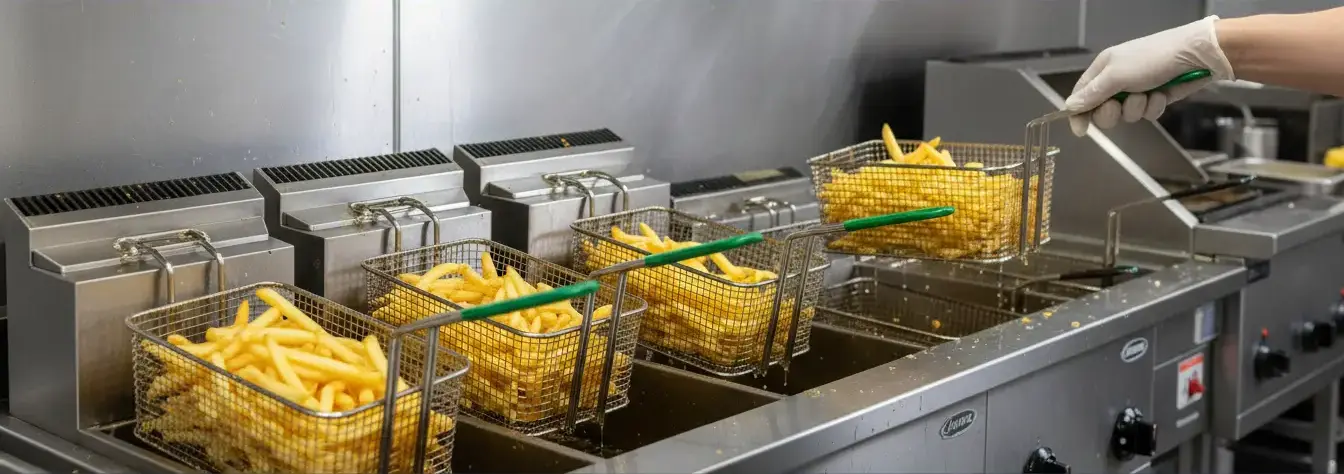
Find the Best Used Cooking Oil Collection Companies for Your Business
No obligation • Fast responses • Nationwide coverage

Why you can trust Restaurant Waste Disposal
Restaurant Waste Disposal is a leading U.S. resource for comparing restaurant composting, food-waste recycling, grease trap cleaning, and used cooking oil collection services. Our editorial team researches providers, checks credentials, and organizes unbiased information so operators can make informed decisions. Companies cannot pay to change ratings or placement.
Search providers near you
Top Used Cooking Oil Collection Companies in Fairfield, California Ranked
For restaurants and food service businesses in Fairfield, managing used cooking oil (UCO) is a critical operational and environmental responsibility. Proper disposal of fats, oils, and grease (FOG) is not just about compliance with local ordinances; it's a key component of sustainable business practices that can also impact your bottom line. By partnering with a licensed hauler for professional collection, Fairfield establishments can ensure they meet all regulatory requirements, prevent costly sewer blockages, and potentially turn a waste product into a source of revenue through recycling into biodiesel. This guide outlines the essential steps for compliant UCO management, from secure storage to final recycling, tailored to the specific needs of businesses in Solano County.
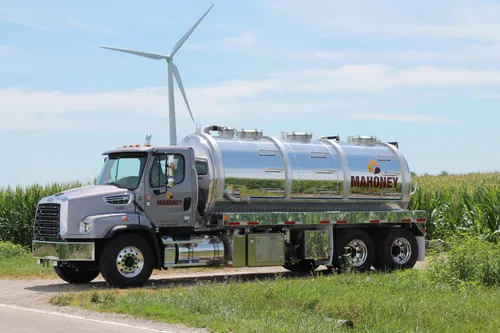
Understanding Fairfield's FOG Management Rules
Local regulations in Fairfield are designed to protect the municipal sewer system from blockages and overflows, which can lead to significant environmental damage and expensive public works repairs. The core principle is preventing FOG from entering drains. This means never pouring used fryer oil, grease, or food scraps down sinks, floor drains, or into street gutters, as this is illegal and a primary cause of sewer problems.
Businesses are typically required to install and maintain properly sized grease interceptors or traps. These devices capture FOG before wastewater enters the sewer system and must be cleaned and serviced on a regular schedule. Furthermore, the City of Fairfield and wastewater authorities mandate that used cooking oil be stored in approved, secure containers until collected by a licensed rendering or recycling company. Adhering to these rules is the first step toward a compliant and efficient kitchen waste management program.
The Step-by-Step Process for Oil Collection & Recycling
Establishing a reliable system for your waste oil stream simplifies operations and ensures consistency.
- On-Site Storage & Dry Cleanup: After cooking, oil should be allowed to cool before being carefully transferred into a dedicated, sealable container provided by your collection service. Practicing "dry cleanup"-scraping food solids into trash or compost bins and using absorbent materials for drips under fryers-keeps your oil cleaner and reduces contamination 1.
- Secure Container Placement: Your full container of UCO should be stored in a secure, designated area, often outdoors but out of public view. Providers supply locking containers to prevent theft, which is a common issue due to the value of the material.
- Scheduled Professional Pickup: A licensed hauler will schedule regular pickups based on your volume. They will pump or swap out your full containers, leaving you with empty, clean ones for continued use.
- Transportation & Processing: The hauler transports the collected oil to a processing facility. There, it is filtered to remove food particles and water.
- Recycling into Biodiesel: The purified oil is then refined into biodiesel, a renewable fuel that powers vehicles and equipment, completing the recycling loop 2.
Cost Structure and Potential Revenue
The financial model for used cooking oil collection is directly tied to the volume your business generates monthly. Understanding this can help you choose the right service and manage expectations.
- Low Volume (Less than 40 gallons per month): If your establishment produces smaller amounts of UCO, you will likely pay a service fee. This covers the cost of container rental, pickup, and recycling. Monthly fees can typically range from $30 to $50.
- Medium to High Volume (40+ gallons per month): As your volume increases, the dynamics change. Many services become free at this threshold. For businesses generating significant oil, particularly over 100 gallons per month, rebate programs are common. Haulers may pay you for your oil, with rates varying based on market prices and oil quality. Rebates can range from $0.10 to over $0.65 per gallon 3 4 5.
- The Importance of Oil Quality: The cleaner your oil (free of excessive food debris and water), the more valuable it is. High-quality oil fetches better rebates, while heavily contaminated oil might incur additional processing fees from your hauler 6.
Find the perfect used cooking oil collection companies for your needs
Get personalized recommendations and expert advice
Best Practices for Restaurant Compliance
Beyond just setting out a container, proactive management is key to smooth operations and avoiding issues.
- Maintain Accurate Records: Upon each pickup, your hauler should provide a manifest or receipt. This document is crucial. It serves as your legal proof of proper recycling disposal and is essential for any regulatory audits. Keep these records on file for the period required by local authorities 7.
- Prioritize Container Security: Use locking containers provided by your service and place them in a well-lit, secure area. This deters theft, which can disrupt your service and represents a loss of potential rebate income.
- Train Your Staff: Ensure all kitchen staff understand the "no pour" rule and the correct procedures for transferring cooled oil into storage containers. Proper training prevents accidental drain disposal and keeps your oil collection program running efficiently.
- Coordinate All FOG Management: Remember that used cooking oil is one part of your overall FOG plan. Regularly scheduled grease trap or interceptor cleaning is a separate, equally vital service. Coordinate both to ensure full compliance.
How to Evaluate and Choose a Collection Service in Fairfield
Selecting the right partner for your used cooking oil needs requires some research. Start by contacting several licensed providers that service Solano County, such as local operators like Grease Connections or The Grease Company 8.
Request detailed quotes that outline all costs, fees, and potential rebates. Be clear about your estimated monthly gallon output. Ask about the specifics of their service: container types, pickup frequency and reliability, and their process for providing pickup manifests. It's also wise to verify their licensing and final recycling destination to ensure they are a reputable partner.
Finally, for the definitive word on local requirements, directly contact the City of Fairfield's Public Works or Wastewater Department. They can provide you with the specific municipal codes related to FOG management and used cooking oil storage, ensuring your chosen service helps you meet all legal obligations 9 10 11.
Frequently asked questions
Sources
Footnotes
-
Used Cooking Oil Pickup vs Drop-Off-What's Best for Restaurants? - https://www.greaseprosrecycling.com/used-cooking-oil-pickup-vs-drop-off/ ↩
-
Southern California Commercial Kitchen Cooking Oil recycling ... - https://thegreasecompany.com/blog/how-the-grease-is-protecting-you-by-recycling-cooking-oil/2/ ↩
-
Restaurant Used Cooking Oil Recycling & Disposal Guide - https://greaseconnections.com/restaurant-used-cooking-oil-disposal-recycling-revenue-guide/ ↩
-
Do you get paid for used cooking oil? : r/cookingoilrecycling - Reddit - https://www.reddit.com/r/cookingoilrecycling/comments/1kvlxl5/do_you_get_paid_for_used_cooking_oil/ ↩
-
Used Cooking Oil Pricing & Business Guide - Grease Connections - https://greaseconnections.com/used-cooking-oil-pricing-guide/ ↩
-
Why "Free" Used Cooking Oil Collection Can Cost More Than Paid ... - https://greaseconnections.com/free-used-oil-pickup-cost-trap/ ↩
-
Used Cooking Oil Collection / Pick Up & Recycling. - https://greasemanagement.org/usedoilcollection.html ↩
-
Used Cooking Oil (UCO) Collection Service For Restaurants - https://thegreasecompany.com/blog/restaurant-used-cooking-oil-collection/ ↩
-
What Does The California Law Say About Used Cooking Oil Disposal? - https://www.grandnatural.com/blog/what-does-the-california-law-say-about-used-cooking-oil-disposal.html ↩
-
Grease Handling and Storage - Union Sanitary District - https://unionsanitary.ca.gov/wp-content/uploads/2016/07/Grease_Handling_and_Storage.pdf ↩
-
Used Cooking Oil Pickup vs Drop-Off-What's Best for Restaurants? - https://www.greaseprosrecycling.com/used-cooking-oil-pickup-vs-drop-off/ ↩