Find the Best Used Cooking Oil Collection Companies for Your Business
No obligation • Fast responses • Nationwide coverage

Why you can trust Restaurant Waste Disposal
Restaurant Waste Disposal is a leading U.S. resource for comparing restaurant composting, food-waste recycling, grease trap cleaning, and used cooking oil collection services. Our editorial team researches providers, checks credentials, and organizes unbiased information so operators can make informed decisions. Companies cannot pay to change ratings or placement.
Search providers near you
Top Used Cooking Oil Collection Companies in El Cajon, California Ranked
For restaurants and food service businesses in El Cajon, managing used cooking oil (UCO) is a critical operational and environmental responsibility. Proper disposal of fats, oils, and grease (FOG) is not just a best practice-it's a legal requirement designed to protect the city's sewer infrastructure and local waterways from harmful blockages and contamination. Fortunately, a well-established system exists where this waste product is collected by licensed professionals and recycled into valuable resources like biodiesel, often providing a financial return to businesses that participate. Navigating the local regulations and finding a reliable service provider is key to turning a waste management challenge into a sustainable and potentially profitable part of your operations.
San Diego Grease Company
San Diego, CA
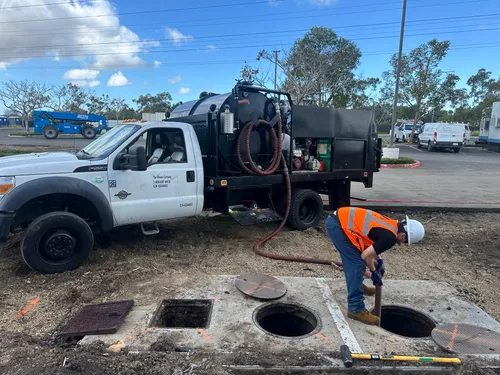
San Diego Grease Company provides grease trap cleaning and used cooking oil collection services throughout San Diego, CA. They serve a wide range of commercial kitchens including restaurants, hotels, and food processing facilities, ensuring compliance with local regulations and environmental standards. Their services include grease trap and interceptor cleaning, as well as eco-friendly used cooking oil collection and recycling. The company is certified by the California Department of Food and Agriculture and offers 24/7 support to clients. With nearly a decade of experience, they focus on maintaining grease recovery devices to prevent plumbing issues and promote sustainability.
City of Poway materials handling yard
12325 Crosthwaite Cir, Poway, CA 92064
The City of Poway materials handling yard in Poway, CA, offers a Household Hazardous Waste (HHW) Collection Facility for safe disposal of various hazardous materials. Residents can drop off items such as used cooking oil, automotive fluids, batteries, electronic devices, and other household toxins without an appointment. The facility requires proof of residency and accepts waste in original containers, following transportation and weight limits to ensure safety. This service helps prevent illegal disposal of hazardous waste and promotes environmentally responsible handling of toxic substances.

Chula Vista Environmental Services
1800 Maxwell Rd, Chula Vista, CA 91911
Chula Vista Environmental Services provides waste management and sustainability programs in Chula Vista, CA. They offer used cooking oil collection and food waste composting services for restaurants and businesses. The department also manages household hazardous waste disposal, including paints, pesticides, and motor oil, at the South Bay Household Hazardous Waste Collection Facility. Additionally, they operate a Reuse Center where residents can obtain reusable products like paint and household chemicals. Free home pick-up is available for eligible disabled or elderly residents who cannot transport hazardous waste themselves.
Understanding Local Regulations for FOG Management
El Cajon, as part of San Diego County, adheres to strict state and local codes governing the handling of used cooking oil and grease. Compliance is non-negotiable and is the first step in establishing a proper collection program.
Key Legal Requirements:
- No Drain Disposal: It is illegal to pour used cooking oil, grease, or food scraps down sinks, floor drains, or toilets. This practice, known as FOG discharge, is a leading cause of sewer blockages (sanitary sewer overflows) and can lead to significant fines for your business 1.
- Grease Interceptor/Trap Maintenance: Most commercial kitchens are required to have a properly sized and functioning grease interceptor or trap. These devices capture grease and solids before wastewater enters the public sewer system. Regular cleaning and maintenance of these traps are mandatory and separate from used cooking oil collection.
- Use of Licensed Haulers: California law mandates that used cooking oil must be collected by a registered hazardous waste transporter or a hauler licensed with the California Department of Food and Agriculture (CDFA). Using an unlicensed collector can leave your business liable and out of compliance.
- Recordkeeping: Businesses are required to maintain documentation, often in the form of manifests or service receipts, proving that their used oil was collected by a licensed service provider. These records should be kept on file for inspection 2 3.
Best Practices for On-Site Storage and Handling
Before collection even occurs, how you store your used oil on-site is crucial for safety, efficiency, and maximizing its value.
Secure and Proper Storage:
- Use Approved Containers: After filtering and reusing oil to its maximum life, it should be transferred into durable, sealable containers provided by your collection service. These are typically dark-colored drums or tanks that protect the oil from light and heat degradation.
- Prevent Theft and Contamination: Used cooking oil has a commodity value on the recycling market, making it a target for theft. Containers should be stored in a secure, locked area, and many services provide locking lids for their collection bins 4. Keeping containers sealed also prevents water, food debris, and other contaminants from entering, which preserves the oil's quality for recycling.
- Designated Storage Area: Establish a consistent, safe location for full containers that is accessible for pickup trucks but away from high-traffic areas to prevent spills and accidents.
The Collection and Recycling Process Explained
Partnering with a professional service streamlines the entire process from pickup to recycling. Here's how it typically works for an El Cajon restaurant:
- Service Agreement: You establish a pickup schedule (weekly, bi-weekly, monthly) with a licensed hauler based on your oil generation volume.
- Regular Pickup: On the scheduled day, a service technician will collect the full, sealed containers from your designated spot. They will replace them with clean, empty containers to ensure a continuous cycle.
- Transportation: The collected oil is transported in specialized trucks to a rendering or recycling facility.
- Recycling into Biofuel: At the facility, the used cooking oil is processed and purified. The primary end product is biodiesel, a renewable, cleaner-burning fuel alternative to petroleum diesel. It can also be used in animal feed supplements and other industrial products.
This circular economy model ensures that your kitchen waste is diverted from landfills and sewers and is instead converted into a useful energy source.
Find the perfect used cooking oil collection companies for your needs
Get personalized recommendations and expert advice
Financial Considerations: Costs, Rebates, and Savings
Engaging a used cooking oil collection service involves a financial dynamic that differs from standard waste removal. For many businesses, it can be a cost-neutral or even revenue-generating service.
- Free Pickup and Potential Payment: Many collection companies offer free pickup services for businesses that generate a consistent volume of oil-often around 100 gallons per month or more 5. Furthermore, because the recycled oil has value, companies frequently pay restaurants a rebate. The payment rate depends on the volume and, critically, the quality (purity) of the oil you provide.
- Avoiding Costly Problems: The primary financial benefit is often cost avoidance. Proper UCO collection prevents expensive plumbing emergencies, sewer backup repairs, and potential fines from the city for FOG-related violations 6 7. The cost of regular grease trap cleaning and oil collection is typically far less than the cost of a single major sewer line repair or regulatory penalty.
- Getting a Quote: Costs or rebate structures can vary. It's advisable to contact a few licensed providers to get a clear quote based on your specific location in El Cajon and your estimated oil output.
Choosing a Service Provider in the El Cajon Area
Selecting the right partner is essential for reliable, compliant service. Look for providers that are fully licensed and have a strong reputation in the San Diego region.
Important Selection Criteria:
- Valid Licensing: Confirm the hauler is licensed with the CDFA and permitted to operate in San Diego County.
- Reliability and Schedule: Choose a company known for consistent, on-time pickups to prevent overflow and storage issues at your facility.
- Container Provision and Maintenance: Ensure they provide sturdy, secure containers and are responsible for maintaining or replacing them as needed.
- Documentation: The provider should supply you with detailed service receipts or manifests for your regulatory records after each collection.
Several established service providers operate in the greater San Diego area, including companies like Mahoney Environmental, The Grease Company, and Grand Natural, which are familiar with El Cajon's specific requirements 8 9.
Environmental and Community Benefits
Beyond compliance and cost, proper used cooking oil collection delivers significant positive impacts. Recycling UCO into biodiesel reduces dependence on fossil fuels and lowers greenhouse gas emissions 10 11. It also plays a direct role in protecting the San Diego watershed, including nearby waterways, by ensuring FOG does not contaminate local ecosystems. By participating in this program, El Cajon businesses contribute to a cleaner, more sustainable community.
Frequently asked questions
Sources
Footnotes
-
How to dispose of or recycle Cooking Oil - Default V2 - Oceanside, CA - https://www.ci.oceanside.ca.us/government/water-utilities/environmental-services-programs/zero-waste-program/for-residents#!rc-cpage=757820 ↩
-
Restaurant Oil Disposal: Explained - Eazy Grease - https://eazygrease.com/how-do-restaurants-get-rid-of-their-oil/ ↩
-
Cal. Code Regs. Tit. 3, § 1180.24 - Requirements to Document and ... - https://www.law.cornell.edu/regulations/california/3-CCR-1180.24 ↩
-
Used Cooking Oil Collection For Restaurants - https://greasemanagement.org/greasecollection.html ↩
-
Used Cooking Oil Disposal: Complete Guide to Grease Pickups - https://greaseconnections.com/used-cooking-oil-disposal-guide-grease-pickups/ ↩
-
Used Cooking Oil (UCO) Collection Service For Restaurants - https://thegreasecompany.com/blog/restaurant-used-cooking-oil-collection/ ↩
-
Used Oil and Oil Filter Management - County of San Diego - https://www.sandiegocounty.gov/content/dam/sdc/deh/hmd/pdf/hm_dtsc_used_oil_filters.pdf ↩
-
Used Cooking Oil Pickup & Recycling Services in San Diego ... - https://www.mahoneyes.com/waste-oil-pickup-recycling-san-diego-ca/ ↩
-
What Does The California Law Say About Used Cooking Oil ... - https://www.grandnatural.com/blog/what-does-the-california-law-say-about-used-cooking-oil-disposal.html ↩
-
Restaurant Used Cooking Oil: Disposal, Recycling & Revenue Guide - https://greaseconnections.com/restaurant-used-cooking-oil-disposal-recycling-revenue-guide/ ↩
-
Southern California Commercial Kitchen Cooking Oil recycling ... - https://thegreasecompany.com/blog/how-the-grease-is-protecting-you-by-recycling-cooking-oil/2/ ↩