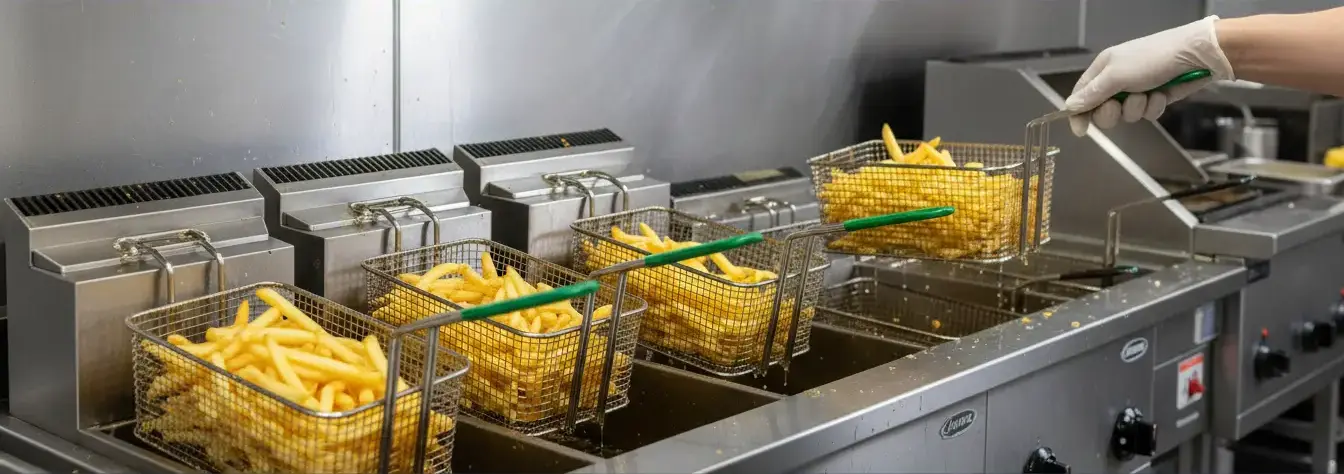
Find the Best Used Cooking Oil Collection Companies for Your Business
No obligation • Fast responses • Nationwide coverage

Why you can trust Restaurant Waste Disposal
Restaurant Waste Disposal is a leading U.S. resource for comparing restaurant composting, food-waste recycling, grease trap cleaning, and used cooking oil collection services. Our editorial team researches providers, checks credentials, and organizes unbiased information so operators can make informed decisions. Companies cannot pay to change ratings or placement.
Search providers near you
Top Used Cooking Oil Collection Companies in Dublin, California Ranked
For restaurants and food service businesses in Dublin, proper used cooking oil (UCO) management is a critical operational, environmental, and financial responsibility. Navigating California's strict organic waste laws, including SB 1383, requires a clear plan for grease collection and recycling. By partnering with a licensed hauler, Dublin establishments can transform a waste product into a valuable commodity for biodiesel production, ensuring regulatory compliance while potentially offsetting disposal costs or even generating revenue. This guide outlines the essential steps for compliant storage, the benefits of professional grease pickup services, and how to maximize the value of your used fryer oil.
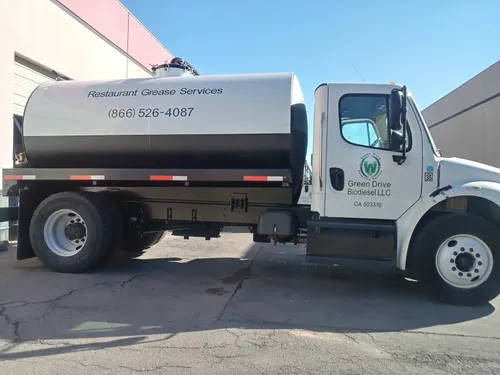
Green Drive Biodiesel LLC
252 W Larch Rd Suit G, Tracy, CA 95304
Green Drive Biodiesel LLC is a company based in Stockton, CA, specializing in used cooking oil collection and grease trap cleaning. They serve food vendors by providing containers for waste cooking oil and managing grease trap maintenance. Their services focus on environmentally responsible disposal and recycling of cooking waste.
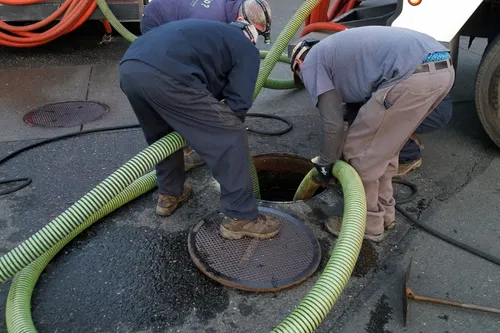
San Francisco Grease Trap Cleaning
864 Ellis St #2f, San Francisco, CA 94109
San Francisco Grease Trap Cleaning provides grease trap pumping, cleaning, and used cooking oil collection services in San Francisco, CA. They serve commercial, industrial, and manufacturing clients including restaurants, schools, and cafeterias. The company offers hydro-jetting and maintains detailed service records to ensure compliance with local health and safety codes. They recycle waste for biofuel production and dispose of non-recyclable materials responsibly. With a fleet of pump trucks and trained professionals, they accommodate various schedules to minimize business disruption. San Francisco Grease Trap Cleaning has been part of the community for years and serves surrounding areas such as Berkeley, Alameda, and Oakland.
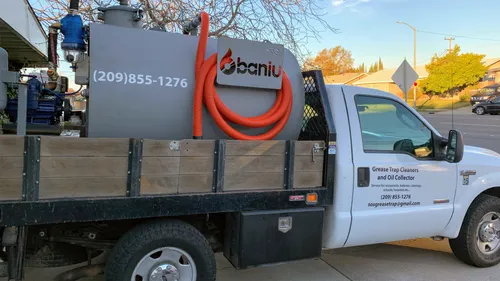
Grease Trap Cleaners and Oil Collector
722 Katlin Ct, Tracy, CA 95376
Grease Trap Cleaners and Oil Collector provides grease trap cleaning and used cooking oil collection services in San Jose, CA. The company specializes in maintaining grease traps and safely collecting used cooking oil to support proper waste management and recycling efforts.
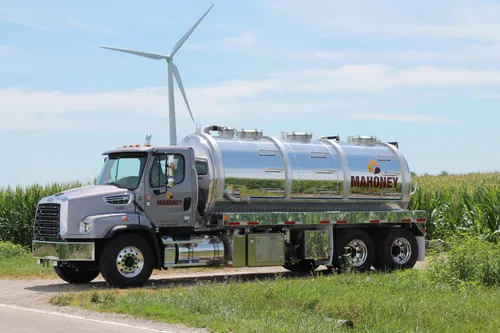
Mahoney Environmental Restaurant Oil Recycling
3501 Collins Ave, Richmond, CA 94806
Mahoney Environmental Restaurant Oil Recycling is a used cooking oil collection company based in Oakland, CA. They specialize in collecting used cooking oil from restaurants to support environmental sustainability. The company focuses on improving both financial outcomes for clients and environmental impact through responsible oil recycling.
Understanding Dublin's Regulations for Grease Disposal
Compliance begins with understanding local and state mandates. The Dublin San Ramon Services District (DSRSD) and California state law set clear standards for handling used cooking oil and other fats, oils, and grease (FOG).
- SB 1383 Compliance: This statewide law mandates that businesses separate organic waste-including food scraps and used cooking oil-from landfill trash. Proper grease recycling is a key component of this regulation, helping California reduce methane emissions from landfills.
- No Drain Disposal: It is illegal and highly damaging to pour used cooking oil down sinks, drains, or floor drains. Doing so leads to severe plumbing blockages, sewer backups, and environmental contamination, which can result in significant fines from the city or water district.
- Secure Storage Requirements: Used oil must be stored in designated, lidded containers to prevent spills, odors, and pests. DSRSD guidelines often require these containers to be placed within a secondary containment system, such as a catch basin, and located within a designated trash enclosure area 1 2.
Best Practices for On-Site Oil Handling and Storage
Proper handling from fryer to storage container is essential for safety, compliance, and maximizing the value of your oil.
1. Pre-Storage Preparation: Before transferring oil, always allow it to cool completely to a safe temperature. Scrape excess food particles from pots and pans into your green organics bin before washing. This simple step keeps your oil cleaner and reduces contamination in your grease storage container.
2. Choosing the Right Container: Use a dedicated, non-reactive container for collection, such as a provided metal or heavy-duty plastic bin from your grease collection service. Ensure the container has a tight-sealing lid to keep out water and debris 3. Never use containers that held chemicals or other non-food substances.
3. Maintaining Oil Quality: The cleaner your used cooking oil, the more valuable it is for recycling into biodiesel. Avoid dumping mop water, coffee grounds, or large food solids into your grease collection container 4. High-quality, well-maintained oil is more likely to qualify for rebate programs from haulers.
The Professional Grease Collection Process
Engaging a licensed used cooking oil collection service streamlines compliance and turns a logistical task into a simple, scheduled process.
Scheduling and Pickup: Reputable providers like Grease Connections, Eazy Grease, or Mahoney Environmental work with you to establish a regular pickup schedule-weekly, bi-weekly, or monthly-based on your volume 5. They provide the collection containers and handle the entire logistics of removal.
The Recycling Journey: Once collected, your used vegetable oil is transported to a processing facility. There, it is cleaned and refined into a base stock for biodiesel fuel, a renewable energy source that powers vehicles and equipment. This creates a valuable circular economy, turning restaurant waste into clean energy.
Container Management: A full-service provider will swap out your full container for a clean, empty one during each pickup, ensuring you always have proper storage available and maintaining a tidy, professional kitchen environment 6 7.
Find the perfect used cooking oil collection companies for your needs
Get personalized recommendations and expert advice
Financial Implications: Costs, Rebates, and Penalties
Managing used cooking oil has direct financial impacts, from potential revenue to avoiding costly fines.
Potential for Rebates and Revenue: Many collection services offer free pickup for restaurants that generate significant volumes of oil. Furthermore, for high-quality, clean used cooking oil, haulers may pay a rebate. This rebate is typically volume-based, with rates that can vary from $0.10 to over $0.65 per gallon depending on market conditions and oil quality 8. For example, a restaurant generating 600 gallons per month could see a rebate of approximately $270 at a rate of $0.45 per gallon, effectively turning a waste stream into a minor revenue source.
The High Cost of Non-Compliance: The financial risk of improper disposal is substantial. Pouring grease down the drain is a primary cause of sewer blockages. Violations can lead to fines from local municipalities or water districts, which can escalate to thousands of dollars-sometimes exceeding $10,000 for significant or repeat offenses 9 10. Additionally, you will face expensive plumbing repairs to clear clogged pipes on your property.
Choosing a Used Cooking Oil Collection Partner in Dublin
Selecting the right service provider is crucial. Look for a hauler that is fully licensed and insured to operate in Alameda County. They should provide clear, written agreements outlining pickup schedules, container provision, and any rebate or fee structure. Experience with local Dublin regulations and DSRSD requirements is a major advantage. Finally, inquire about their recycling partners to ensure your oil is truly being converted into biodiesel, supporting the environmental goals that underpin regulations like SB 1383.
By implementing a professional used cooking oil management system, Dublin restaurants not only meet their legal obligations but also contribute to a sustainable local economy and protect their business from unnecessary risks and expenses.
Frequently asked questions
Sources
Footnotes
-
Solid Waste and Recycling | Dublin, CA - Official Website - https://dublin.ca.gov/2657/Solid-Waste-and-Recycling ↩
-
WASTE HANDLING STANDARDS For Commercial Properties and ... - https://www.dublin.ca.gov/DocumentCenter/View/17026/Waste-Handling-Standards?bidId= ↩
-
Used Oil Recycling | Dublin, CA - Official Website - https://www.dublin.ca.gov/2664/Used-Oil-Recycling ↩
-
Cooking Oils & Grease - Recology - https://www.recology.com/faq/cleanscapes-cooking-oil-can-dispose-kitchen-oils-grease/ ↩
-
Restaurant Oil Disposal: Explained - Eazy Grease - https://eazygrease.com/how-do-restaurants-get-rid-of-their-oil/ ↩
-
Used Cooking Oil Pickup vs Drop-Off-What's Best for Restaurants? - https://www.greaseprosrecycling.com/used-cooking-oil-pickup-vs-drop-off/ ↩
-
Used Cooking Oil (UCO) Collection Service For Restaurants - https://thegreasecompany.com/blog/restaurant-used-cooking-oil-collection/ ↩
-
Used Cooking Oil Disposal: Complete Guide to Grease Pickups - https://greaseconnections.com/used-cooking-oil-disposal-guide-grease-pickups/ ↩
-
Restaurant Used Cooking Oil Recycling & Disposal Guide - https://greaseconnections.com/restaurant-used-cooking-oil-disposal-recycling-revenue-guide/ ↩
-
Southern California Commercial Kitchen Cooking Oil recycling ... - https://thegreasecompany.com/blog/how-the-grease-is-protecting-you-by-recycling-cooking-oil/2/ ↩