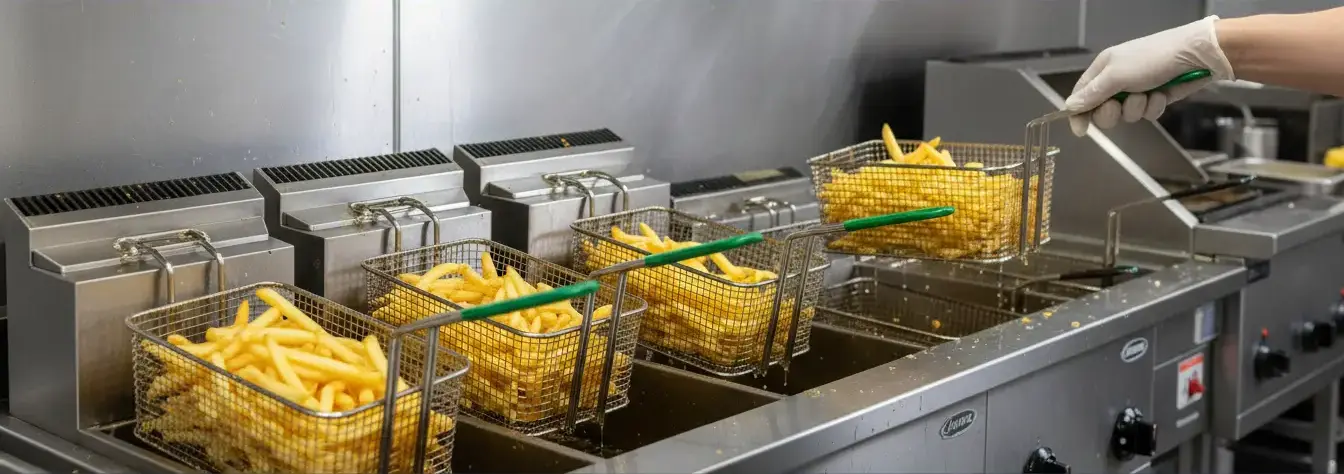
Find the Best Used Cooking Oil Collection Companies for Your Business
No obligation • Fast responses • Nationwide coverage

Why you can trust Restaurant Waste Disposal
Restaurant Waste Disposal is a leading U.S. resource for comparing restaurant composting, food-waste recycling, grease trap cleaning, and used cooking oil collection services. Our editorial team researches providers, checks credentials, and organizes unbiased information so operators can make informed decisions. Companies cannot pay to change ratings or placement.
Search providers near you
Top Used Cooking Oil Collection Companies in Danville, California Ranked
For restaurants and food service businesses in Danville, managing used cooking oil (UCO) is a critical operational and environmental responsibility. In California, this material is classified as a hazardous waste, making its proper handling, storage, and disposal a legal mandate, not just a best practice. Partnering with a licensed grease hauler for professional collection ensures compliance with state regulations, prevents costly plumbing issues, and transforms a waste product into valuable resources like biodiesel. This guide outlines the essential steps for Danville businesses to establish a safe, compliant, and potentially beneficial used oil management program.
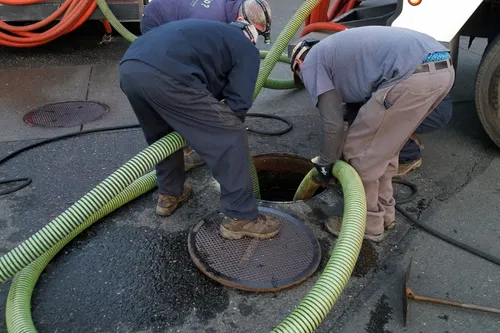
San Francisco Grease Trap Cleaning
864 Ellis St #2f, San Francisco, CA 94109
San Francisco Grease Trap Cleaning provides grease trap pumping, cleaning, and used cooking oil collection services in San Francisco, CA. They serve commercial, industrial, and manufacturing clients including restaurants, schools, and cafeterias. The company offers hydro-jetting and maintains detailed service records to ensure compliance with local health and safety codes. They recycle waste for biofuel production and dispose of non-recyclable materials responsibly. With a fleet of pump trucks and trained professionals, they accommodate various schedules to minimize business disruption. San Francisco Grease Trap Cleaning has been part of the community for years and serves surrounding areas such as Berkeley, Alameda, and Oakland.
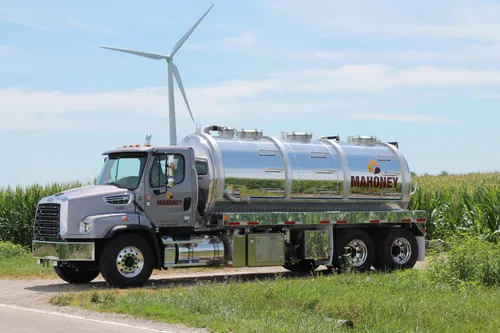
Mahoney Environmental Restaurant Oil Recycling
3501 Collins Ave, Richmond, CA 94806
Mahoney Environmental Restaurant Oil Recycling is a used cooking oil collection company based in Oakland, CA. They specialize in collecting used cooking oil from restaurants to support environmental sustainability. The company focuses on improving both financial outcomes for clients and environmental impact through responsible oil recycling.
Understanding California's Regulatory Landscape
Navigating the rules for grease and oil disposal is the first step for any commercial kitchen. California has strict laws designed to protect water quality and public infrastructure.
- Hazardous Waste Classification: Under state law, used cooking oil from commercial operations is considered a hazardous waste. This classification makes improper disposal-such as pouring it down a drain, into a storm sewer, or onto the ground-illegal and subject to significant fines 1.
- The Role of Grease Traps: Most food service establishments are required to have a grease interceptor (or trap) installed in their plumbing. This device captures fats, oils, and grease (FOG) before they enter the public sewer system, preventing blockages that can lead to sanitary sewer overflows. These traps require regular cleaning and maintenance.
- Licensed Hauler Requirements: Businesses must contract with a hauler who is licensed by the California Department of Food and Agriculture (CDFA) to transport used cooking oil and grease trap waste 2. These licensed transporters must display specific identification, similar to a license plate, on their collection vehicles.
Best Practices for On-Site Storage and Handling
Proper on-site management is crucial for safety, compliance, and efficient collection. How you store your used fryer oil and grease trap waste directly impacts the service you receive.
- Container Specifications: Always store cooled UCO in durable, sealed containers made of non-reactive materials like stainless steel or approved plastics. Containers should be clearly labeled and kept away from heat sources and direct sunlight to maintain oil quality 3.
- Separating Oil from Grease Trap Waste: It's important to distinguish between used fryer oil and grease trap sludge. Fryer oil, collected directly from kitchen equipment, is a higher-quality feedstock for recycling. Grease trap waste is a more complex, acidic mixture of water, solids, and grease that requires specialized dewatering and treatment processes 4.
- Maintaining Accessibility: Ensure your storage containers and grease trap are easily accessible for the hauler's collection team. A clear, safe path for service can help ensure reliable and complete pickups.
The Recycling Journey: From Waste to Resource
When you use a professional collection service, your used oil is diverted from landfills and wastewater systems and enters a valuable recycling stream. The process typically involves several key stages:
- Collection: A licensed hauler pumps the used oil from your storage containers and collects the sludge from your grease trap using specialized vacuum trucks.
- Processing: The collected material is taken to a processing facility. Here, the oil is filtered to remove food particles and dewatered. For grease trap waste, more intensive separation processes are used to isolate the recoverable fats 5.
- Refining and End Use: The cleaned oil is then refined. A primary end product is biodiesel or renewable diesel, a cleaner-burning alternative to petroleum diesel 6 7. It can also be used in industrial boilers for energy production, closing the loop on a waste stream.
Financial and Operational Considerations for Danville Businesses
The cost structure for used oil and grease management can vary. Understanding the models can help you evaluate service providers.
- Service Models: Many haulers offer a rebate program for high-quality, well-maintained used fryer oil, as its value as a feedstock can offset collection costs. For grease trap cleaning or lower-quality oil, the service is typically a paid subscription 8 9. Some providers may offer combined service plans.
- The High Cost of Non-Compliance: Choosing to ignore regulations is the most expensive path. Fines for illegal disposal can be substantial. More importantly, pouring grease down drains leads to inevitable plumbing blockages, expensive emergency repairs, and potential liability for sewer system damage 10.
- Choosing a Provider: When selecting a hauler, verify their CDFA license. Ask about their service frequency, container provisioning, emergency response, and detailed pricing or rebate structure. Inquire about the final destination of the collected material to ensure it is being responsibly recycled.
Find the perfect used cooking oil collection companies for your needs
Get personalized recommendations and expert advice
Getting Started with Oil Collection in Danville
Establishing a compliant program is a straightforward process. Danville businesses can take these steps to find a reliable service partner.
- Research Local Haulers: Seek out established, licensed grease hauling companies that service the East Bay and Danville area. Reputable providers will be transparent about their licensing, processes, and pricing.
- Consult Local Resources: While commercial services are privately contracted, the City of Danville's public works or environmental services department may have a list of providers that other local businesses use. For residential disposal information, the East Bay Municipal Utility District (EBMUD) offers guidance, but commercial operations have different requirements 11 12.
- Initiate Service: Contact a few providers to discuss your business's specific volume and needs. A reputable company will conduct a site assessment and provide a clear service agreement outlining responsibilities, schedules, and costs.
Frequently asked questions
Sources
Footnotes
-
Used Oil Generator Requirements - https://www.smchealth.org/sites/main/files/file-attachments/usedoilforgenerators.pdf?1498660561 ↩
-
Used Cooking Oil Regulations for Food Service Businesses - https://bakercommodities.com/blog/2024/02/08/legal-requirement-used-cooking-grease/ ↩
-
Cooking oil and fats | Recycle Now - https://www.recyclenow.com/recycle-an-item/cooking-oil-fats ↩
-
Used Cooking Oil (UCO) Collection Service For Restaurants - https://thegreasecompany.com/blog/restaurant-used-cooking-oil-collection/ ↩
-
Used Cooking Oil Collection / Pick Up & Recycling. - https://greasemanagement.org/usedoilcollection.html ↩
-
Cooking Oil Collection & Grease Recycling Service - https://thegreasecompany.com/oilcollection.html ↩
-
How To Dispose Of Used Fryer Oil In Restaurants - https://www.katom.com/learning-center/restaurant-grease-disposal.html ↩
-
Southern California Commercial Kitchen Cooking Oil recycling ... - https://thegreasecompany.com/blog/how-the-grease-is-protecting-you-by-recycling-cooking-oil/2/ ↩
-
How does a restaurant get paid for used cooking oil? - https://rebirthbiofuels.com/blog/get-paid-for-used-cooking-oil/ ↩
-
Used Cooking Oil Jacksonville: Recycle, Comply, Profit - https://greaseconnections.com/jacksonville-used-cooking-oil-disposal-guide/ ↩
-
Residential cooking oil and grease drop-off - EBMUD - https://www.ebmud.com/wastewater/bay-friendly-waste-disposal/fats-oils-and-grease/residential-cooking-oil-and-grease-drop ↩
-
Cooking Oil/Grease/Fats - RE:Source - https://resource.stopwaste.org/items/cooking-oilgreasefats ↩