
Find the Best Used Cooking Oil Collection Companies for Your Business
No obligation • Fast responses • Nationwide coverage

Why you can trust Restaurant Waste Disposal
Restaurant Waste Disposal is a leading U.S. resource for comparing restaurant composting, food-waste recycling, grease trap cleaning, and used cooking oil collection services. Our editorial team researches providers, checks credentials, and organizes unbiased information so operators can make informed decisions. Companies cannot pay to change ratings or placement.
Search providers near you
Top Used Cooking Oil Collection Companies in Daly City, California Ranked
For restaurants and food service businesses in Daly City, managing used cooking oil (UCO) and Fats, Oils, and Grease (FOG) is a critical operational and environmental responsibility. Proper grease trap and oil collection practices are not just about cleanliness; they are mandated by state law and local sewer ordinances to prevent costly clogs and environmental damage. By partnering with professional collection services, businesses can turn a waste product into a commodity for biodiesel production, often offsetting disposal costs. This guide outlines the essential steps for compliance, safe storage, and efficient recycling of cooking oil and grease in Daly City.
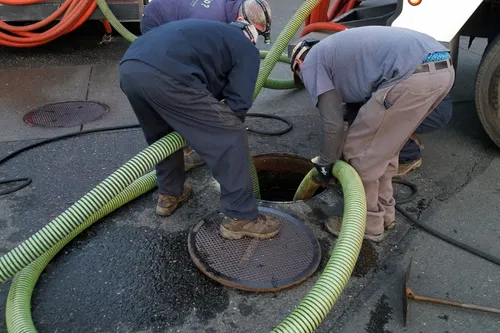
San Francisco Grease Trap Cleaning
864 Ellis St #2f, San Francisco, CA 94109
San Francisco Grease Trap Cleaning provides grease trap pumping, cleaning, and used cooking oil collection services in San Francisco, CA. They serve commercial, industrial, and manufacturing clients including restaurants, schools, and cafeterias. The company offers hydro-jetting and maintains detailed service records to ensure compliance with local health and safety codes. They recycle waste for biofuel production and dispose of non-recyclable materials responsibly. With a fleet of pump trucks and trained professionals, they accommodate various schedules to minimize business disruption. San Francisco Grease Trap Cleaning has been part of the community for years and serves surrounding areas such as Berkeley, Alameda, and Oakland.
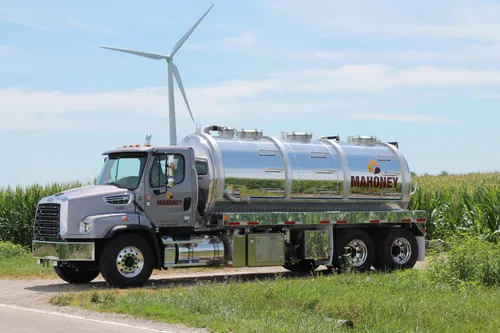
Mahoney Environmental Restaurant Oil Recycling
3501 Collins Ave, Richmond, CA 94806
Mahoney Environmental Restaurant Oil Recycling is a used cooking oil collection company based in Oakland, CA. They specialize in collecting used cooking oil from restaurants to support environmental sustainability. The company focuses on improving both financial outcomes for clients and environmental impact through responsible oil recycling.
Understanding Local Regulations and SB 1383
Daly City, like all of California, operates under strict regulations governing organic waste, which includes used fryer oil and kitchen grease. The primary driver is Senate Bill 1383, a statewide mandate requiring businesses to separate organic materials-including food scraps and FOG-from their landfill trash 1. For a restaurant, this means your used cooking oil cannot simply be thrown away or, critically, poured down a drain.
The city actively runs a Fats, Oils & Grease Campaign to educate businesses and prevent sewer system backups, which are often caused by congealed grease 2. Furthermore, the California Plumbing Code requires most food service establishments to install and maintain grease interceptors or traps 3. These devices must be approved by city officials and regularly serviced to capture grease before it enters the wastewater system. Non-compliance can lead to severe blockages, environmental spills, and significant fines.
The Importance of Proper Grease Interceptor Maintenance
A grease interceptor is your first line of defense. It's a plumbing device that cools warm, greasy water from dishwashers and sinks, allowing the fats, oils, and grease to solidify and separate from the water before it flows into the public sewer. Proper maintenance is non-negotiable.
- Regular Cleaning: Interceptors must be pumped out and cleaned on a schedule determined by your establishment's volume, typically by a licensed grease hauler. An overfull interceptor is ineffective and violates code.
- Best Practices: To maximize interceptor efficiency, scrape food scraps into compost or trash before washing, and avoid using hot water or grease-dissolving chemicals that can push grease through the trap.
- Record Keeping: Maintain logs of all interceptor cleaning and maintenance. This documentation is often required for compliance inspections.
Your used cooking oil from fryers is a separate stream from interceptor grease and should be collected independently for higher-quality recycling.
Safe Storage and Handling of Used Fryer Oil
Before oil even reaches a collection container, safety and quality are paramount. Proper handling preserves the oil's value for recyclers and ensures a safe workplace.
- Cool Completely: Always allow oil to cool to a safe temperature before transferring it from fryers. Transferring hot oil risks severe burns and can damage storage containers 4.
- Use Dedicated Containers: Store cooled UCO in dedicated, leak-proof containers. These are often provided by your collection service. Stainless steel or heavy-duty plastic containers with tight-sealing lids are ideal.
- Ensure Security: Store containers in a secure, cool, and dark location, such as a locked enclosure or fenced area. Used cooking oil has value on the commodities market, making it a target for theft 5.
- Label Clearly: Mark containers as "Used Cooking Oil" to avoid confusion and ensure staff handle them correctly.
Proper storage prevents spills, reduces odors and pests, and delivers a cleaner product to recyclers, which can improve service terms.
The Collection and Recycling Process for Restaurants
Once you have properly stored oil, the next step is arranging for its pickup. Most restaurants in Daly City utilize a scheduled service model for grease trap and used oil collection.
- Scheduled Pickups: You contract with a licensed collector for regular pickups (e.g., weekly, bi-weekly). The service provider will supply containers and establish a pickup schedule that matches your oil production volume 6.
- The Pickup: On the scheduled day, a collection truck will service your location. The driver will pump out your storage containers and, in a separate service, likely clean your grease interceptor.
- Transport to Recycling: The collected oil is transported to a processing facility. There, it is filtered and purified to remove food particles and water.
- Transformation into Biofuel: The primary end product for recycled cooking oil is biodiesel, a renewable, cleaner-burning fuel alternative to petroleum diesel. It can also be used in animal feed supplements and industrial lubricants.
This circular process ensures that your kitchen waste is diverted from landfills and sewers and given a productive second life.
Find the perfect used cooking oil collection companies for your needs
Get personalized recommendations and expert advice
Navigating Service Providers and Potential Costs
Daly City's franchised waste hauler is Republic Services, which businesses should contact for specific information on organic waste and FOG collection services as part of their commercial waste contract 7. However, the used cooking oil collection market also includes specialized private providers.
A key point for restaurant operators is that collection can often be free or even generate revenue. Because used cooking oil is a feedstock for valuable biodiesel, many collectors will provide pickup services at no charge and may pay you for the oil based on its quality and market prices 8 9. This potential revenue can offset other waste management costs. Be sure to clarify all terms, including who supplies containers, the pickup schedule, and any fees for interceptor cleaning, which is typically a separate charge.
Building a Compliant and Sustainable Kitchen Workflow
Integrating used oil management into your daily operations is essential for long-term compliance and efficiency.
- Train Your Staff: Ensure every kitchen employee understands the "cool, collect, and contain" procedure for used oil and the "scrape, don't rinse" rule for dishwashing to protect the interceptor.
- Post Clear Signage: Place reminders near sinks, fryers, and the oil storage area about proper FOG disposal practices.
- Maintain Relationships: Keep open communication with your oil collector and interceptor service provider. Report any issues immediately and adjust pickup frequency if your oil production changes significantly.
- Audit Your Waste Stream: Periodically review your practices to ensure you are maximizing oil recovery and minimizing contamination, which protects your plumbing and the city's infrastructure.
By taking these proactive steps, Daly City food businesses not only adhere to the law but also contribute to California's ambitious organic waste diversion and renewable energy goals.
Frequently asked questions
Sources
Footnotes
-
SB 1383 Mandatory Organic Waste Disposal Reduction | Daly City, CA - https://www.dalycity.org/1070/SB-1383-Mandatory-Organic-Waste-Disposal ↩
-
Fats, Oils & Grease Campaign | Daly City, CA - https://www.dalycity.org/665/Fats-Oils-Grease-Campaign ↩
-
What Does The California Law Say About Used Cooking Oil Disposal? - https://www.grandnatural.com/blog/what-does-the-california-law-say-about-used-cooking-oil-disposal.html ↩
-
Used Cooking Oil Collection / Pick Up & Recycling. - https://greasemanagement.org/usedoilcollection.html ↩
-
Restaurant Oil Disposal: Explained - Eazy Grease - https://eazygrease.com/how-do-restaurants-get-rid-of-their-oil/ ↩
-
Used Cooking Oil Pickup vs Drop-Off-What's Best for Restaurants? - https://www.greaseprosrecycling.com/used-cooking-oil-pickup-vs-drop-off/ ↩
-
Republic Services | Daly City, CA - https://www.dalycity.org/1139/Republic-Services ↩
-
Used Cooking Oil Collection - TGC - The Grease Company - https://usedoil.org/used-cooking-oil-collection/ ↩
-
Cooking Oil Disposal - Reyes Energy Corporation - https://www.reyesenergycorporation.com/cooking-oil-disposal/ ↩