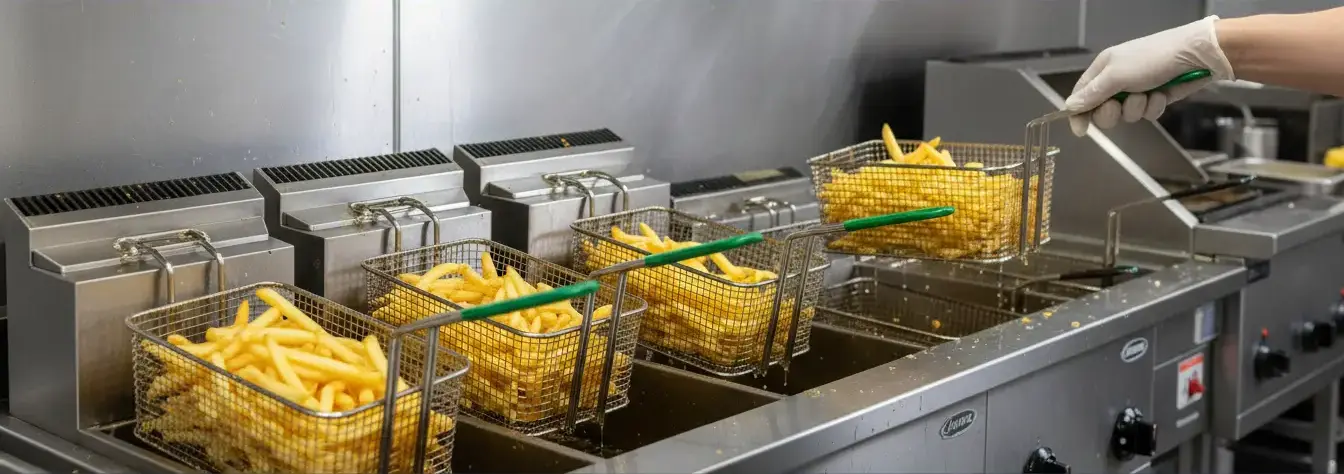
Find the Best Used Cooking Oil Collection Companies for Your Business
No obligation • Fast responses • Nationwide coverage

Why you can trust Restaurant Waste Disposal
Restaurant Waste Disposal is a leading U.S. resource for comparing restaurant composting, food-waste recycling, grease trap cleaning, and used cooking oil collection services. Our editorial team researches providers, checks credentials, and organizes unbiased information so operators can make informed decisions. Companies cannot pay to change ratings or placement.
Search providers near you
Top Used Cooking Oil Collection Companies in Concord, California Ranked
For restaurants and commercial kitchens in Concord, managing used cooking oil is not just a routine cleanup task-it's a regulated part of operations with significant environmental and financial implications. Proper disposal of fats, oils, and grease (FOG) is mandated by the City of Concord's F.O.G. Program to protect the local sewer system from costly blockages and overflows. By partnering with a licensed hauler for collection, businesses can transform this waste stream into a resource, contributing to the production of biodiesel and other products while potentially earning revenue through rebate programs. This guide outlines the local requirements, processes, and benefits of establishing a compliant and efficient used cooking oil recycling system.
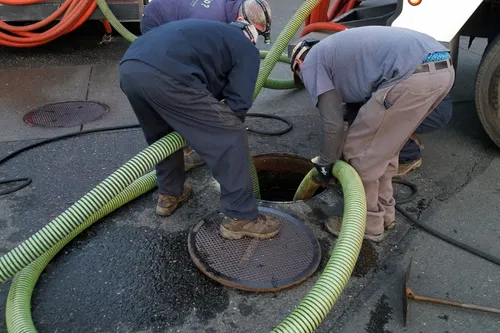
San Francisco Grease Trap Cleaning
864 Ellis St #2f, San Francisco, CA 94109
San Francisco Grease Trap Cleaning provides grease trap pumping, cleaning, and used cooking oil collection services in San Francisco, CA. They serve commercial, industrial, and manufacturing clients including restaurants, schools, and cafeterias. The company offers hydro-jetting and maintains detailed service records to ensure compliance with local health and safety codes. They recycle waste for biofuel production and dispose of non-recyclable materials responsibly. With a fleet of pump trucks and trained professionals, they accommodate various schedules to minimize business disruption. San Francisco Grease Trap Cleaning has been part of the community for years and serves surrounding areas such as Berkeley, Alameda, and Oakland.
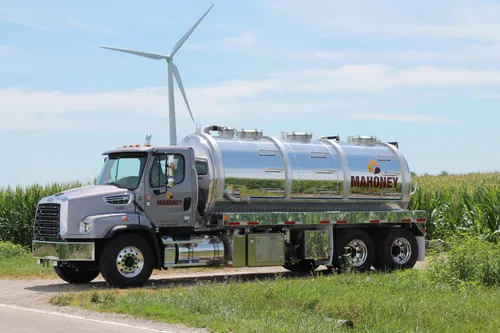
Mahoney Environmental Restaurant Oil Recycling
3501 Collins Ave, Richmond, CA 94806
Mahoney Environmental Restaurant Oil Recycling is a used cooking oil collection company based in Oakland, CA. They specialize in collecting used cooking oil from restaurants to support environmental sustainability. The company focuses on improving both financial outcomes for clients and environmental impact through responsible oil recycling.
Understanding Concord's F.O.G. Regulations
The City of Concord enforces a Fats, Oils, and Grease (F.O.G.) control program that all food service establishments must follow. This program is designed to prevent sewer line blockages and the expensive damage they cause to municipal infrastructure. Under these rules, it is illegal for any business to pour used fryer oil, fats, or grease down the drain or to dispose of it with regular solid waste.
A cornerstone of compliance is the installation and maintenance of a grease interceptor or grease trap. These devices capture FOG from wastewater before it enters the sewer lines. Concord's regulations, in line with state guidelines, require that these traps be cleaned and serviced regularly-typically every 30 to 90 days depending on the volume of your operation-to ensure they function effectively 1. Adherence to these local ordinances is not optional; it's a critical component of responsible business ownership in Concord.
Setting Up Your Collection and Storage System
An efficient onsite system is key to smooth, safe, and valuable oil recycling. After oil is used in fryers, it should be carefully filtered and transferred into dedicated, secure containers provided by your recycling partner.
- Secure Containers: Professional haulers typically supply lockable, spill-proof collection bins or barrels at no upfront cost 2. These containers are designed to prevent leaks and contamination.
- Proper Storage: Place your collection container in a designated, accessible area, preferably on a paved surface. Keeping the container covered protects the oil from rainwater and debris, which helps maintain its quality and value.
- Scheduled Pickups: Your service provider will establish a regular pickup schedule-whether weekly, bi-weekly, or on-demand-based on your oil production volume. Licensed haulers handle the entire process of transporting the oil from your site to a recycling facility.
The Recycling Journey: From Waste to Resource
Once collected, your used cooking oil begins a new life. Haulers transport it to specialized facilities where it undergoes a purification process. The primary end product is biodiesel, a clean-burning, renewable fuel that powers vehicles and equipment 3 4. This process significantly reduces reliance on fossil fuels and lowers overall carbon emissions.
Other potential uses for recycled oil include ingredients for animal feed supplements and the production of soap 5. By choosing recycling over disposal, Concord businesses directly contribute to a circular economy, turning a potential pollutant into valuable, sustainable commodities.
Financial Considerations: Costs and Potential Revenue
Engaging a used cooking oil collection service involves a balance of service costs and potential income. Many providers structure their services to be cost-neutral or even profitable for their clients.
- Service Models: It is common for haulers to offer free collection containers and scheduled pickups as part of their service package. Revenue is generated on their end by selling the oil to processors.
- Rebate Programs: High-volume producers of clean, uncontaminated oil may qualify for rebate programs. These payments can range from $0.10 to over $0.65 per gallon, depending on the current market, your oil's quality, and your total monthly volume 6 7. This rebate can offset any service fees or, in some cases, provide a direct revenue stream for your business.
- Cost Avoidance: Proper management also avoids the severe costs associated with sewer line backups, environmental fines, and emergency plumbing services, which can far exceed the cost of a regular collection service 8.
Find the perfect used cooking oil collection companies for your needs
Get personalized recommendations and expert advice
Selecting a Service Provider in the Concord Area
When choosing a partner for grease trap cleaning and used oil collection, it's important to select a licensed, reputable, and responsive company. Look for providers with experience serving Cabarrus County and a clear understanding of Concord's specific municipal codes.
Several established providers service the North Carolina region, including the Concord area:
- Mahoney Environmental: Offers comprehensive services including grease trap cleaning and used oil pickup 9.
- Grease Cycle: A local, family-owned service known for transparent quoting and reliable collection 10.
- Liquid Recovery Solutions: Provides free containers and flexible pickup schedules.
- Eazy Grease: A local service operating near Concord 11.
The best way to get started is to contact a few local haulers for a custom quote. They can assess your specific needs, explain their compliance protocols, and detail any potential rebate structure 12 13.
Benefits Beyond Compliance
Implementing a robust used cooking oil recycling program offers advantages that extend past meeting legal requirements.
- Environmental Stewardship: You directly support renewable energy production and reduce waste sent to landfills.
- Operational Safety: Proper storage reduces slip-and-fall hazards and pest attraction in your kitchen and storage areas.
- Community Responsibility: You play a part in protecting Concord's waterways and sewer infrastructure, benefiting the entire community.
- Enhanced Reputation: Customers increasingly value businesses with verifiable sustainability practices.
Taking proactive steps to manage your kitchen's FOG output is a smart business decision. It ensures regulatory compliance, contributes to a healthier environment, and can improve your bottom line.
Frequently asked questions
Sources
Footnotes
-
Grease Trap Cleaning Frequency North Carolina by Municipality - https://grease-cycle.com/grease-pumping-frequency-north-carolina/ ↩
-
Restaurant Used Cooking Oil Recycling & Disposal Guide - https://greaseconnections.com/restaurant-used-cooking-oil-disposal-recycling-revenue-guide/ ↩
-
Fats, Used Cooking Oil and Grease | NC DEQ - https://www.deq.nc.gov/about/divisions/environmental-assistance-and-customer-service/recycling-and-materials-management/recycle-right/special-recyclables/fats-used-cooking-oil-and-grease ↩
-
Recycle Your Used Cooking Oil - Catawba County, North Carolina - https://catawbacountync.gov/news/remember-to-recycle-used-cooking-oil-this-holiday-season-1/ ↩
-
Used Cooking Oil (UCO) Collection Service For Restaurants - https://thegreasecompany.com/blog/restaurant-used-cooking-oil-collection/ ↩
-
Grease Disposal & Used Cooking Oil Pickup in North & South ... - https://liquidrecover.com/carolinas/ ↩
-
Case Studies | NC DEQ - https://www.deq.nc.gov/about/divisions/environmental-assistance-and-customer-service/recycling/general-recycling-information/special-recyclables/fats-used-cooking-oil-and-grease/case-studies ↩
-
How Should Businesses Dispose of Used Cooking Oil? - https://www.allied-renewal.com/insights/how-should-businesses-dispose-of-used-cooking-oil ↩
-
Restaurant Grease Collection, Recycling & Grease Trap ... - https://www.mahoneyes.com/restaurant-grease-collection-charlotte-nc/ ↩
-
Used Cooking Oil Recycling & Pickup for Restaurants | NC ... - https://grease-cycle.com/ ↩
-
Used Cooking Oil Recycling in North Carolina - https://eazygrease.com/used-cooking-oil-recycling-north-carolina/ ↩
-
City of Concord NC > Departments > Wastewater > Fats, Oils & Grease - https://concordnc.gov/Departments/Wastewater/Fats-Oils-Grease ↩
-
Used Cooking Oil Collection Services | NC, SC and VA - Grease Cycle - https://grease-cycle.com/cooking-oil-recycling-services/ ↩