Find the Best Used Cooking Oil Collection Companies for Your Business
No obligation • Fast responses • Nationwide coverage

Why you can trust Restaurant Waste Disposal
Restaurant Waste Disposal is a leading U.S. resource for comparing restaurant composting, food-waste recycling, grease trap cleaning, and used cooking oil collection services. Our editorial team researches providers, checks credentials, and organizes unbiased information so operators can make informed decisions. Companies cannot pay to change ratings or placement.
Search providers near you
Top Used Cooking Oil Collection Companies in Ceres, California Ranked
For restaurants and food service businesses in Ceres, managing used cooking oil is no longer just a matter of cleanliness-it's a legal requirement. California's landmark SB 1383 mandates that commercial generators of organic waste, including fats, oils, and grease (FOG), arrange for proper recycling and collection. This means your establishment must partner with a certified hauler to ensure this waste stream is handled correctly, protecting the local sewer system and turning a potential liability into a resource for biodiesel production. Navigating these regulations while finding a reliable service provider is a critical operational task. This guide outlines the local rules, explains the collection process, and provides actionable information to help Ceres businesses achieve compliance and manage their FOG effectively.
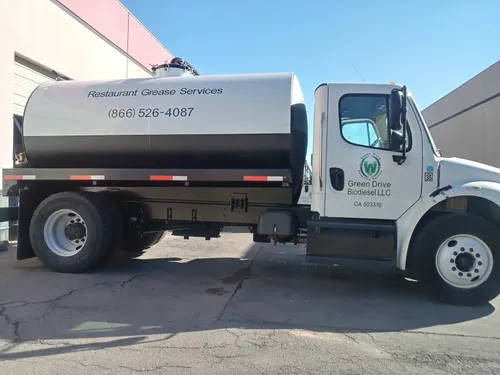
Green Drive Biodiesel LLC
252 W Larch Rd Suit G, Tracy, CA 95304
Green Drive Biodiesel LLC is a company based in Stockton, CA, specializing in used cooking oil collection and grease trap cleaning. They serve food vendors by providing containers for waste cooking oil and managing grease trap maintenance. Their services focus on environmentally responsible disposal and recycling of cooking waste.
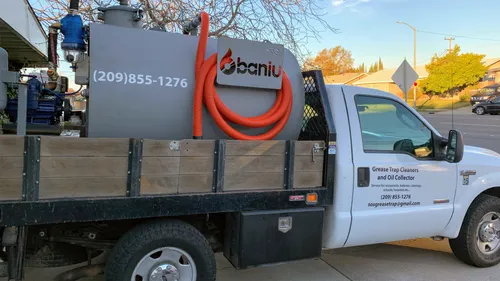
Grease Trap Cleaners and Oil Collector
722 Katlin Ct, Tracy, CA 95376
Grease Trap Cleaners and Oil Collector provides grease trap cleaning and used cooking oil collection services in San Jose, CA. The company specializes in maintaining grease traps and safely collecting used cooking oil to support proper waste management and recycling efforts.
Understanding Local FOG Regulations in Ceres
Compliance starts with understanding the specific rules set by the City of Ceres and the State of California. The core mandate stems from SB 1383, a statewide law aimed at reducing organic waste in landfills. For restaurants, this explicitly includes used cooking oil and grease 1. The city's FOG program is designed to prevent sewer blockages and backups, which can cause significant environmental damage and costly repairs 2.
Key local requirements include:
- Proper Storage: All used FOG must be stored in tightly sealed, leak-proof containers. These containers should be placed on an impervious surface, away from public access and storm drains, to prevent spills and contamination.
- No Drain Disposal: It is illegal to pour fats, oils, or grease-even in liquid form after cooling-down sinks, floor drains, or toilets. This practice is a leading cause of sewer blockages.
- Grease Interceptor Maintenance: All food service establishments are required to have a properly sized and functioning grease interceptor or trap. Plans for these devices must be approved by city officials, and they require regular cleaning and maintenance to be effective.
- Employee Training: Staff must be educated on proper waste sorting and disposal methods to ensure FOG is separated from other waste streams and handled safely 3.
Failure to comply can result in fines and enforcement actions. The first step for any business is to review the City of Ceres's official resources on Organics Recycling and FOG management to understand your obligations fully.
The Used Cooking Oil Collection Process
Once you have proper storage protocols in place, the next step is establishing a reliable collection service. The process for grease recycling in Ceres is straightforward but requires using authorized partners.
- Preparation: After cooking, allow the oil or grease to cool completely. Then, carefully pour it into your dedicated, sealable collection container. It is crucial not to mix the oil with water, soap, or food debris, as this contaminates the batch and can lower its value for recycling.
- Service Selection: You must contract with a Certified Used Oil Collection Center (UOCC) or a registered hauler approved by agencies like the California Department of Food and Agriculture (CDFA) 4. These specialized recyclers have the equipment and permits to transport and process FOG safely.
- Scheduled Pickups: Your service provider will schedule regular pickups based on your volume of production. They will swap out your full containers for clean, empty ones, ensuring a continuous cycle.
- Recycling: The collected FOG is transported to a processing facility. There, it is cleaned and refined to be used as a feedstock for biodiesel, a renewable fuel, or other industrial products. This process ensures the waste is diverted from landfills and sewers and given a productive second life 5 6.
Costs, Rebates, and Finding a Service Provider
A common question from restaurant owners is about the cost. The financial model for used cooking oil collection is unique; depending on your volume and oil quality, the service can be free, cost-neutral, or even generate a small revenue stream.
- Low Volume Producers (e.g., under 100 gallons per month): Many providers offer free pickup or will direct you to a free drop-off location for these quantities. You typically won't receive a payment, but you also avoid disposal fees.
- Medium Volume Producers (e.g., 100-300 gallons per month): At this scale, you may start to qualify for rebates. These are often in the range of $0.10 to $0.25 per gallon, which can help offset the cost of related waste services 7.
- High Volume Producers (e.g., over 300 gallons per month): Larger restaurants, institutional kitchens, or food processors can often negotiate rebates of $0.25 to $0.65 or more per gallon. For operations with consistent, high-quality oil, this rebate can cover the costs of grease trap cleaning or other services, effectively making the recycling program revenue-positive 8 9.
The key factors that influence your rebate rate are the volume you produce consistently, the quality of your oil (free of water and food solids), and the current market rates for biodiesel feedstock.
Find the perfect used cooking oil collection companies for your needs
Get personalized recommendations and expert advice
To find a certified collector, a primary resource is your local waste hauler. For many businesses in Ceres, this is Bertolotti Disposal, the city's franchised solid waste service provider. They can offer guidance or directly provide FOG collection services to ensure seamless compliance with city mandates 10. You can also search for state-certified Used Oil Collection Centers in the Stanislaus County area. When contacting providers, be prepared to discuss your estimated monthly gallonage and ask detailed questions about their container options, pickup schedules, and rebate structures.
Best Practices for Restaurant Kitchen Management
Beyond just setting up a collection service, integrating FOG management into your daily kitchen operations is essential for efficiency and compliance.
- Designate a Storage Area: Create a specific, safe station for cooling and pouring oil. Use sturdy, clearly labeled containers with secure lids.
- Implement "Scrape, Wipe, Then Wash": Train kitchen staff to scrape food scraps into compost or trash, wipe pots and pans with a paper towel to remove excess grease, and then wash them. This simple practice dramatically reduces the amount of FOG entering your plumbing and interceptors 11.
- Maintain Records: Keep logs of your oil collection pickups, including dates and volumes. This documentation is useful for tracking rebates and demonstrating compliance during inspections.
- Schedule Regular Grease Trap Cleaning: Your used oil collection is separate from grease interceptor maintenance. Ensure you have a contract for regular trap cleaning (often required every 90 days) to prevent clogs and odors.
By treating used cooking oil as a recyclable commodity rather than just waste, Ceres restaurants can fulfill their environmental responsibilities, protect the city's infrastructure, and potentially improve their bottom line. Proactive management turns a regulatory requirement into a standard, streamlined part of your business operations.
Frequently asked questions
Sources
Footnotes
-
Organics Recycling | Ceres, CA - https://www.ceres.gov/657/Organics-Recycling ↩
-
FOG - Fats, Oils & Grease - City of Ceres - https://www.ceres.gov/648/FOG---Fats-Oils-Grease ↩
-
What Does The California Law Say About Used Cooking Oil ... - https://www.grandnatural.com/blog/what-does-the-california-law-say-about-used-cooking-oil-disposal.html ↩
-
Used Oil Recycling Program - CalRecycle Home Page - CA.gov - https://calrecycle.ca.gov/usedoil/ ↩
-
Cooking Oil Collection & Grease Recycling Service - https://thegreasecompany.com/oilcollection.html ↩
-
Southern California Commercial Kitchen Cooking Oil recycling ... - https://thegreasecompany.com/blog/how-the-grease-is-protecting-you-by-recycling-cooking-oil/2/ ↩
-
Used Cooking Oil Disposal: Complete Guide to Grease Pickups - https://greaseconnections.com/used-cooking-oil-disposal-guide-grease-pickups/ ↩
-
Restaurant Used Cooking Oil Recycling & Disposal Guide - https://greaseconnections.com/restaurant-used-cooking-oil-disposal-recycling-revenue-guide/ ↩
-
Used Cooking Oil Pickup vs Drop-Off-What's Best for Restaurants? - https://www.greaseprosrecycling.com/used-cooking-oil-pickup-vs-drop-off/ ↩
-
Solid Waste & Recycling Programs | Ceres, CA - https://www.ceres.gov/527/Solid-Waste-Recycling-Programs ↩
-
How to dispose of or recycle Cooking Oil - Default V2 - Oceanside, CA - https://www.ci.oceanside.ca.us/government/water-utilities/environmental-services-programs/zero-waste-program/for-residents#!rc-cpage=757820 ↩