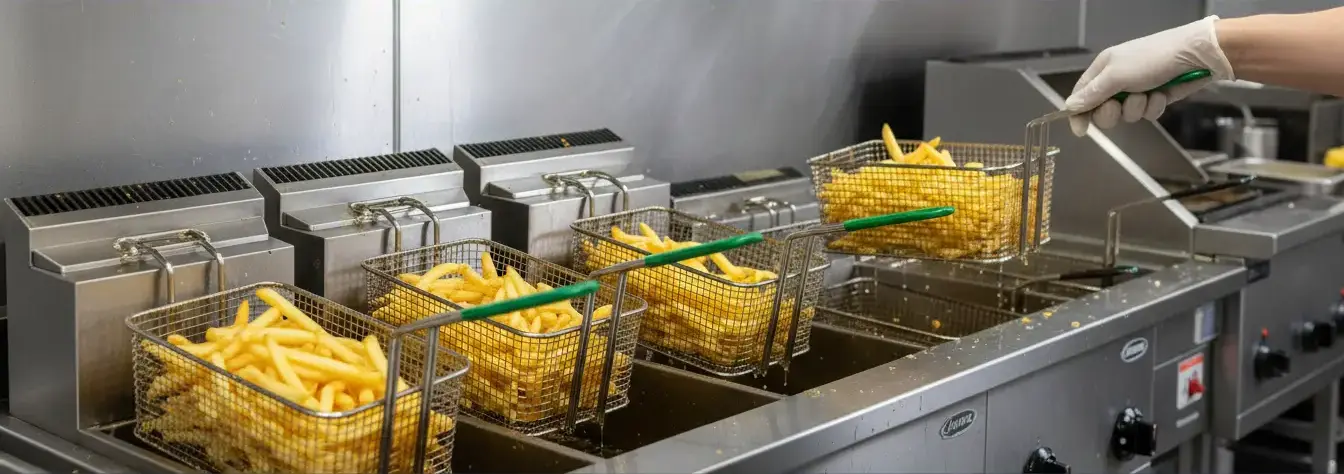
Find the Best Used Cooking Oil Collection Companies for Your Business
No obligation • Fast responses • Nationwide coverage

Why you can trust Restaurant Waste Disposal
Restaurant Waste Disposal is a leading U.S. resource for comparing restaurant composting, food-waste recycling, grease trap cleaning, and used cooking oil collection services. Our editorial team researches providers, checks credentials, and organizes unbiased information so operators can make informed decisions. Companies cannot pay to change ratings or placement.
Search providers near you
Top Used Cooking Oil Collection Companies in Brentwood, California Ranked
For restaurants and food service establishments in Brentwood, managing used cooking oil is not just a routine kitchen task-it's a critical component of environmental compliance and operational efficiency. Proper disposal of fats, oils, and grease (FOG) is mandated by the City of Brentwood's FOG Program to prevent costly sewer blockages and infrastructure damage. By partnering with a licensed hauler, your business can transform a waste product into a valuable resource for biofuel production, potentially offsetting service costs and contributing to a more sustainable local economy. Navigating the regulations and finding the right service provider is the first step toward a cleaner, more compliant kitchen.
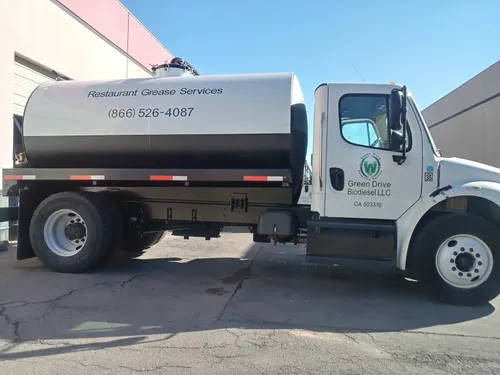
Green Drive Biodiesel LLC
252 W Larch Rd Suit G, Tracy, CA 95304
Green Drive Biodiesel LLC is a company based in Stockton, CA, specializing in used cooking oil collection and grease trap cleaning. They serve food vendors by providing containers for waste cooking oil and managing grease trap maintenance. Their services focus on environmentally responsible disposal and recycling of cooking waste.
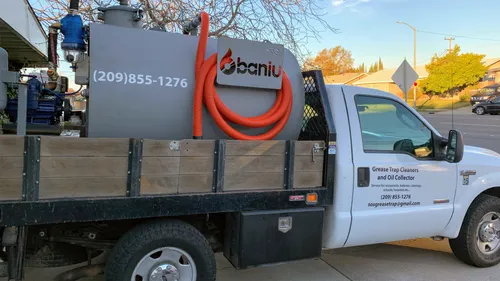
Grease Trap Cleaners and Oil Collector
722 Katlin Ct, Tracy, CA 95376
Grease Trap Cleaners and Oil Collector provides grease trap cleaning and used cooking oil collection services in San Jose, CA. The company specializes in maintaining grease traps and safely collecting used cooking oil to support proper waste management and recycling efforts.
Understanding Brentwood's FOG Program Requirements
The City of Brentwood has established a comprehensive Fats, Oils, and Grease (FOG) Program to protect the municipal sewer system. Compliance is not optional for Food Service Establishments (FSEs); it's a legal requirement with specific operational mandates.
Key mandates include:
- Grease Interceptors: All FSEs are required to install and properly maintain grease traps or interceptors. These devices capture FOG before it enters the wastewater stream.
- Licensed Haulers Only: Used cooking oil and grease trap waste must be collected exclusively by state-licensed Inedible Kitchen Grease (IKG) haulers 1. Using unlicensed services can result in violations.
- Strict "No-Pour" Rules: It is illegal to pour used fryer oil, grease, or even water used to clean greasy equipment down any drain, floor sink, or onto streets. All FOG waste must be collected for proper recycling or disposal.
- Record Keeping: Businesses must maintain detailed records, often called "manifests," of every grease and used oil pickup. These documents must be available for review during city inspections.
Adhering to these guidelines helps prevent sanitary sewer overflows, which can lead to environmental harm and significant fines for your business and the city.
Best Practices for On-Site Oil Management
Proper handling of used fryer oil begins in your kitchen. Implementing safe and efficient procedures minimizes mess, reduces safety hazards, and ensures the oil remains suitable for recycling.
Cooling and Transfer: Always allow oil to cool completely before handling. Transfer the cooled oil into a dedicated, leak-proof container that is clearly labeled "Used Cooking Oil". Using clean, sealed containers prevents contamination and pests.
Storage Protocols: Designate a specific storage area for your used oil containers. This area should be on an impervious surface, away from storm drains, customer pathways, and doorways. Secure storage prevents accidental spills from entering the environment.
Scheduling and Volume: Work with your hauler to establish a pickup frequency that matches your oil production volume. Regular pickups prevent containers from overfilling, which can lead to spills and become an attractant for rodents and insects.
The Recycling Journey: From Fryer to Fuel
When a licensed hauler collects your used cooking oil, it embarks on a journey that gives it a second life. This process is a cornerstone of the circular economy and a key reason why proper collection is so valuable.
After collection, the oil is transported to a recycling facility. There, it undergoes processing to remove food particles and water. The purified oil, known as "yellow grease," is then primarily converted into biodiesel, a renewable fuel that powers vehicles and equipment with a lower carbon footprint than traditional diesel. Some oil may also be processed for use in animal feed supplements or industrial lubricants. By participating in this system, Brentwood restaurants directly support California's renewable energy goals.
Navigating Service Options and Potential Value
The used cooking oil collection market operates on a model where the commodity value of the oil can influence service terms. Understanding this can help you evaluate quotes from providers.
Potential for Rebates: If your establishment generates a large, consistent volume of oil-often cited as 40 gallons or more per pickup-you may qualify for a rebate or even be paid for your oil 2 3 4. This payment effectively offsets or eliminates the cost of collection service.
Standard Service Fees: For businesses with lower oil output, the standard model involves paying a service fee to the licensed hauler for regular pickups and container provision 5 6. This fee is a prudent investment in compliance, helping you avoid far more expensive city fines for improper disposal.
Choosing a Provider: Start by contacting the City of Brentwood's Public Works Department for their list of approved, licensed IKG haulers. Reputable national providers like Mahoney Environmental serve the broader Los Angeles area, including Brentwood, while local specialized haulers may offer personalized service 7. When requesting quotes, ask about pickup schedules, container provisioning, fee structures, and their documentation process for city inspections.
Find the perfect used cooking oil collection companies for your needs
Get personalized recommendations and expert advice
Maintaining Compliance and Avoiding Fines
Proactive management is the best defense against violations. Beyond setting up service, ongoing diligence is required.
Regular Interceptor Maintenance: Your grease trap or interceptor must be pumped out regularly by a licensed hauler. The frequency depends on the size of your interceptor and the volume of your business. Keep all pumping receipts with your oil pickup manifests 8 9.
Employee Training: Ensure all kitchen staff are trained on proper oil cooling, transfer, and storage procedures. Emphasize the absolute prohibition against pouring any FOG down drains. Simple signage above sinks can serve as a constant reminder.
Inspection Preparedness: Have your file of hauler manifests and interceptor maintenance records organized and readily accessible. The City of Brentwood conducts inspections to verify compliance, and being prepared demonstrates your commitment to the program.
The Broader Impact on Brentwood
Proper used cooking oil collection extends benefits far beyond your kitchen's back door. When the local business community participates fully, it creates a collective positive impact.
Environmental Protection: Preventing FOG from entering sewers protects local waterways and reduces the risk of sewer backups into streets and basements. It also supports clean water initiatives in the Delta region 10 11.
Economic and Community Benefits: The recycling industry creates local jobs in logistics and processing. Furthermore, producing biodiesel locally contributes to energy independence and can improve air quality by reducing reliance on fossil fuels.
Industry Leadership: Restaurants that champion sustainable practices like oil recycling often earn goodwill from environmentally conscious customers, enhancing their brand reputation as responsible community partners.
Frequently asked questions
Sources
Footnotes
-
What Does The California Law Say About Used Cooking Oil ... - https://www.grandnatural.com/blog/what-does-the-california-law-say-about-used-cooking-oil-disposal.html ↩
-
Cooking Oil Collection & Grease Recycling Service - https://thegreasecompany.com/oilcollection.html ↩
-
Used Cooking Oil (UCO) Collection Service For Restaurants - https://thegreasecompany.com/blog/restaurant-used-cooking-oil-collection/ ↩
-
Used Cooking Oil Collection / Pick Up & Recycling. - https://greasemanagement.org/usedoilcollection.html ↩
-
Cooking Oils & Grease - Recology - https://www.recology.com/faq/cleanscapes-cooking-oil-can-dispose-kitchen-oils-grease/ ↩
-
Restaurant Oil Disposal: Explained - Eazy Grease - https://eazygrease.com/how-do-restaurants-get-rid-of-their-oil/ ↩
-
Restaurant Grease Pick Up and Disposal Services in Los Angeles, CA - https://www.mahoneyes.com/fryer-oil-disposal-recycling-los-angeles-ca/ ↩
-
What Restaurants Should Know About California Oil Disposal ... - https://startgreencommodities.com/post/restaurant-grease-trap-requirements ↩
-
City of Brentwood, CA Grease, Oil, and Sand Interceptor Program - https://ecode360.com/43615311 ↩
-
Fats, Oils, & Grease (FOG) Program | Brentwood, CA - https://www.brentwoodca.gov/government/public-works/sewer-wastewater/environmental-compliance/fats-oils-grease-fog-program ↩
-
Used Cooking Oil Disposal - https://www.sfpuc.gov/learning/water-pollution-prevention/used-cooking-oil-disposal ↩