Find the Best Used Cooking Oil Collection Companies for Your Business
No obligation • Fast responses • Nationwide coverage

Why you can trust Restaurant Waste Disposal
Restaurant Waste Disposal is a leading U.S. resource for comparing restaurant composting, food-waste recycling, grease trap cleaning, and used cooking oil collection services. Our editorial team researches providers, checks credentials, and organizes unbiased information so operators can make informed decisions. Companies cannot pay to change ratings or placement.
Search providers near you
Top Used Cooking Oil Collection Companies in Berkeley, California Ranked
For restaurants and food service businesses in Berkeley, managing used cooking oil is not just a routine kitchen task-it's a critical component of environmental compliance and operational efficiency. Proper disposal of fats, oils, and grease (FOG) is mandated by local regulations to protect the city's sewer infrastructure and waterways from harmful blockages and pollution. Fortunately, this necessary practice also presents an opportunity, as professional collection services recycle this material into valuable biofuels, often providing convenient pickups and even potential rebates. Navigating the requirements for grease trap maintenance, licensed haulers, and proper storage is essential for any Berkeley food business aiming to operate sustainably and avoid costly penalties.
San Francisco Grease Trap Cleaning
864 Ellis St #2f, San Francisco, CA 94109
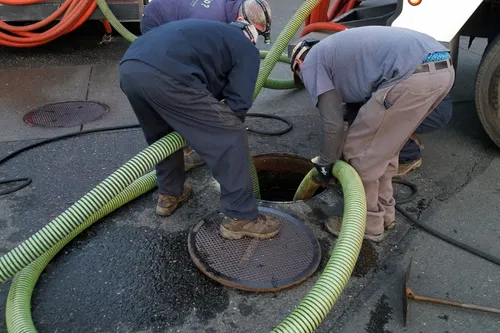
San Francisco Grease Trap Cleaning provides grease trap pumping, cleaning, and used cooking oil collection services in San Francisco, CA. They serve commercial, industrial, and manufacturing clients including restaurants, schools, and cafeterias. The company offers hydro-jetting and maintains detailed service records to ensure compliance with local health and safety codes. They recycle waste for biofuel production and dispose of non-recyclable materials responsibly. With a fleet of pump trucks and trained professionals, they accommodate various schedules to minimize business disruption. San Francisco Grease Trap Cleaning has been part of the community for years and serves surrounding areas such as Berkeley, Alameda, and Oakland.
Mahoney Environmental Restaurant Oil Recycling
3501 Collins Ave, Richmond, CA 94806
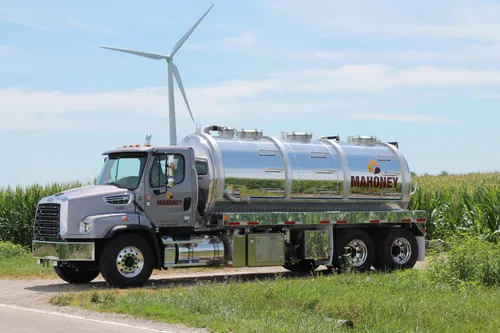
Mahoney Environmental Restaurant Oil Recycling is a used cooking oil collection company based in Oakland, CA. They specialize in collecting used cooking oil from restaurants to support environmental sustainability. The company focuses on improving both financial outcomes for clients and environmental impact through responsible oil recycling.
Understanding Berkeley's FOG Management Rules
The City of Berkeley and the East Bay Municipal Utility District (EBMUD) have established clear environmental regulations for food businesses to prevent sewer overflows and pollution. These rules center on Fats, Oils, and Grease (FOG) management.
- Mandatory Interceptor Use: All food service establishments must use properly sized and maintained grease interceptors or traps to remove FOG from wastewater before it enters the public sewer system.
- Strict Prohibition: It is illegal to pour used cooking oil, grease, or fatty food scraps down any drain, including sinks and floor drains. This practice is a leading cause of sewer blockages 1.
- Licensed Haulers Required: For the collection and recycling of larger quantities of used cooking oil and grease trap waste, businesses must contract with a licensed grease hauler or recycler. Using licensed professionals ensures the oil is handled correctly and diverted from landfills and sewers.
- Record-Keeping: Businesses are responsible for maintaining documentation, often called a "manifest," for each pickup. This should include the date, volume collected, and the name of the transporting company, which is crucial for demonstrating compliance 2 3.
The Professional Collection and Recycling Process
Partnering with a professional used cooking oil collection service streamlines compliance and turns a waste product into a resource. The standard process is designed for convenience and safety.
- Container Provision: The service provider typically supplies dedicated, sealable collection containers (often 35- or 55-gallon drums) at no upfront cost. These are placed in a designated, accessible area of your kitchen or storage space 4 5.
- Safe Kitchen Practices: Kitchen staff collect cooled, used oil in smaller containers and carefully transfer it to the provided collection drum. Using tools like ladles or funnels helps prevent spills. It's crucial to avoid contaminating the oil with water or large food particles, as this can affect its recycling value and create handling issues.
- Scheduled Pickup: Based on your establishment's volume, the hauler establishes a regular pickup schedule-weekly, bi-weekly, or monthly. A technician will service your location, swapping out full containers for clean, empty ones.
- Transformation into Biofuel: The collected oil is transported to a processing facility where it is cleaned and converted into biodiesel, a renewable, cleaner-burning fuel alternative. This closed-loop process is a cornerstone of Berkeley's sustainability goals, reducing reliance on fossil fuels and preventing environmental harm 6.
Find the perfect used cooking oil collection companies for your needs
Get personalized recommendations and expert advice
Best Practices for On-Site Oil Handling and Storage
Proper handling before pickup ensures safety, maintains oil quality, and prevents pests and odors.
- Use the Right Containers: Always store used oil in the containers provided by your hauler. If transferring oil, use containers made of non-reactive materials like stainless steel or specific food-grade plastics. Never use containers that held chemicals or other non-food substances.
- Keep it Covered and Cool: Store collection drums with tight-fitting lids in a cool, dark place, away from direct sunlight and heat sources. This prevents the oil from breaking down and minimizes fire risk 7.
- Minimize Contamination: Strain oil after use to remove food particles. Never mix used cooking oil with water, soap, or other liquids, as this significantly reduces its value for recycling and complicates the biodiesel production process.
Potential Costs and Rebates for Your Business
The financial model for used cooking oil collection in Berkeley varies based on your monthly output and the quality of the oil. The market for clean, used cooking oil is robust due to its value as a biofuel feedstock.
- Low-Volume Operations: Businesses generating less than 100 gallons per month can typically access free pickup and recycling services. In these cases, the value of the oil offsets the cost of collection, so no payment or rebate is usually issued.
- Medium- to High-Volume Producers: Establishments producing between 100 and 300 gallons or more per month may qualify for a rebate or a small payment per gallon. Rates can range from $0.10 to over $0.65 per gallon, heavily dependent on current commodity prices for renewable fuels and the purity of your oil 8 9.
- Quality is Key: Services prioritize oil that is free of water and food sediment. Cleaner oil commands a higher rebate, providing a direct financial incentive for proper kitchen handling.
Choosing a Service Provider in Berkeley
Several licensed providers operate in the Berkeley area, such as North Bay Restaurant Services and Grease Trap Cleaners 10. When evaluating providers, consider their reliability, compliance documentation, and the flexibility of their service schedules. A reputable provider will not only handle the logistics of collection but also help ensure your business meets all local EBMUD and City of Berkeley FOG regulations, turning a regulatory requirement into a simple, even beneficial, part of your operations.
Frequently asked questions
Sources
Footnotes
-
Used Cooking Oil Disposal - https://www.sfpuc.gov/learning/water-pollution-prevention/used-cooking-oil-disposal ↩
-
Environmental Regulations for Food Businesses - https://berkeleyca.gov/sites/default/files/2022-01/Food-Business-Environmental-Regulations.pdf ↩
-
Cal. Code Regs. Tit. 3, § 1180.24 - Requirements to Document and ... - https://www.law.cornell.edu/regulations/california/3-CCR-1180.24 ↩
-
Used Cooking Oil Recycling Berkeley - https://northbayrestaurantservices.com/used-cooking-oil-recycling-berkeley-commercial-oil-collection-service/ ↩
-
Used Cooking Oil (UCO) Collection Service For Restaurants - https://thegreasecompany.com/blog/restaurant-used-cooking-oil-collection/ ↩
-
Fats, oils and grease disposal & recycling FAQ - EBMUD - https://www.ebmud.com/wastewater/bay-friendly-waste-disposal/fats-oils-and-grease/fats-oils-and-grease-disposal-recycling-faq ↩
-
Sewer System Management Plan, RFS - UC Berkeley FOG - https://ehs.berkeley.edu/sites/default/files/rfs_ssmp_appendixb.pdf ↩
-
Used Cooking Oil Disposal: Complete Guide to Grease Pickups - https://greaseconnections.com/used-cooking-oil-disposal-guide-grease-pickups/ ↩
-
Restaurant Used Cooking Oil: Disposal, Recycling & Revenue Guide - https://greaseconnections.com/restaurant-used-cooking-oil-disposal-recycling-revenue-guide/ ↩
-
Used Cooking Oil Recycling Services - Grease Trap Cleaners - https://www.thegreasetrapcleaners.com/used-cooking-oil-recycling ↩