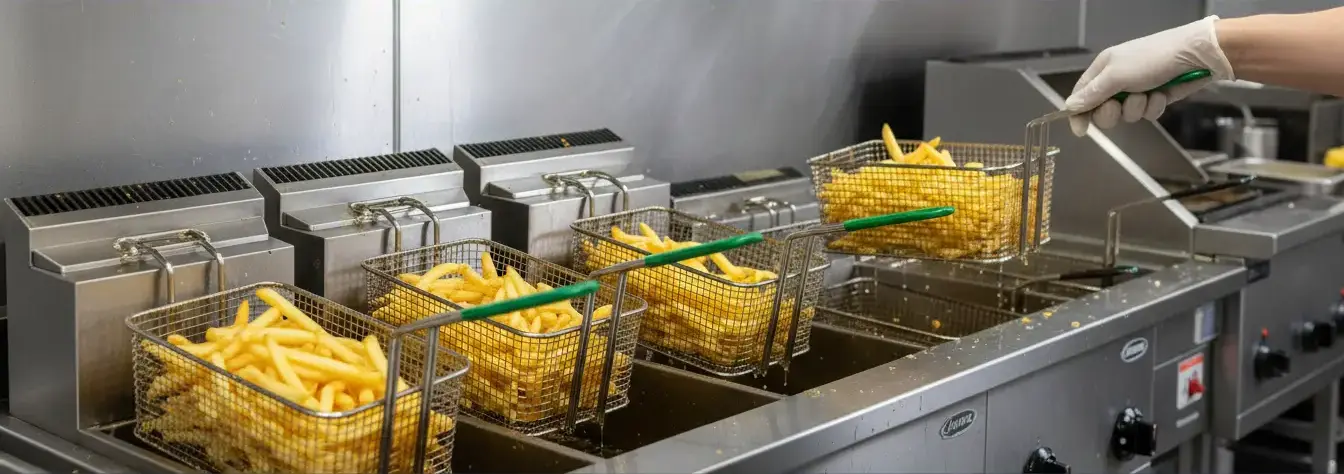
Find the Best Used Cooking Oil Collection Companies for Your Business
No obligation • Fast responses • Nationwide coverage

Why you can trust Restaurant Waste Disposal
Restaurant Waste Disposal is a leading U.S. resource for comparing restaurant composting, food-waste recycling, grease trap cleaning, and used cooking oil collection services. Our editorial team researches providers, checks credentials, and organizes unbiased information so operators can make informed decisions. Companies cannot pay to change ratings or placement.
Search providers near you
Top Used Cooking Oil Collection Companies in Antioch, California Ranked
For restaurants and food service businesses in Antioch, proper disposal of used cooking oil (UCO) is more than just a routine task-it's a regulated process that supports environmental sustainability and local compliance. California has strict rules governing the handling of this material, which is classified as a hazardous waste, requiring it to be collected by licensed haulers and transformed into valuable products like biodiesel. Navigating these requirements ensures your business operates safely, avoids potential fines, and can even turn waste into a minor revenue stream. This guide outlines the essential steps for UCO and grease management specific to Antioch's regulatory landscape.
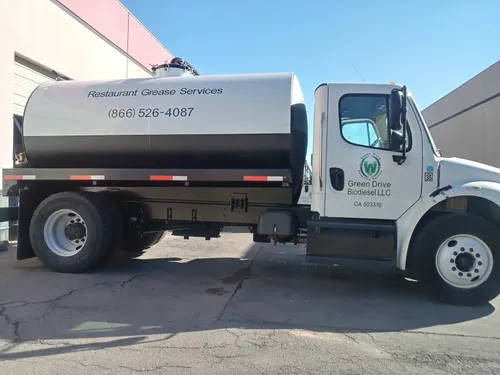
Green Drive Biodiesel LLC
252 W Larch Rd Suit G, Tracy, CA 95304
Green Drive Biodiesel LLC is a company based in Stockton, CA, specializing in used cooking oil collection and grease trap cleaning. They serve food vendors by providing containers for waste cooking oil and managing grease trap maintenance. Their services focus on environmentally responsible disposal and recycling of cooking waste.
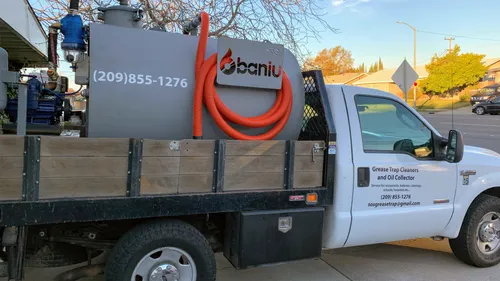
Grease Trap Cleaners and Oil Collector
722 Katlin Ct, Tracy, CA 95376
Grease Trap Cleaners and Oil Collector provides grease trap cleaning and used cooking oil collection services in San Jose, CA. The company specializes in maintaining grease traps and safely collecting used cooking oil to support proper waste management and recycling efforts.
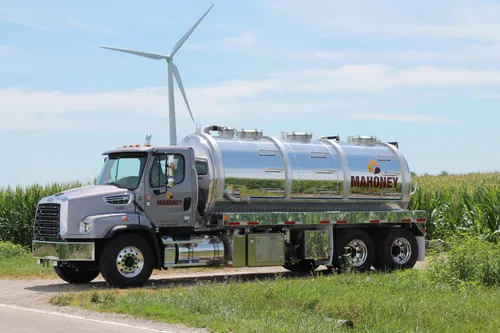
Mahoney Environmental Restaurant Oil Recycling
3501 Collins Ave, Richmond, CA 94806
Mahoney Environmental Restaurant Oil Recycling is a used cooking oil collection company based in Oakland, CA. They specialize in collecting used cooking oil from restaurants to support environmental sustainability. The company focuses on improving both financial outcomes for clients and environmental impact through responsible oil recycling.
Understanding California and Antioch Regulations
Compliance begins with understanding the mandatory rules. In California, all used cooking oil and grease must be picked up by a transporter licensed by the California Department of Food and Agriculture (CDFA). This is not a suggestion but a legal requirement for food service businesses. The state's Department of Toxic Substances Control (DTSC) classifies used oil as a hazardous waste, mandating specific management practices to prevent environmental contamination 1.
A critical local requirement involves the separation of waste streams. Used cooking oil from fryers must be kept entirely separate from grease trap or interceptor waste (often referred to as FOG-Fats, Oils, and Grease). Grease trap waste is highly acidic, contains solids and detergents, and is considered a different, more challenging material to process 2 3. Mixing the two can contaminate the UCO, potentially turning a rebate-earning stream into a costly disposal problem. Licensed haulers are required to maintain detailed manifests for every pickup, documenting the date, amount, source, and final destination of the oil, providing a crucial paper trail for regulatory compliance 4.
Best Practices for On-Site Storage and Handling
Proper on-site management is key to operational efficiency, safety, and maximizing the value of your used oil. The goal is to keep the oil as clean and uncontaminated as possible from the moment it leaves the fryer.
- Use Designated Containers: Store UCO in dedicated, sealed, and leak-proof containers. Common solutions include heavy-duty jugs for smaller volumes or heated/insulated outdoor storage tanks provided by collection companies for larger operations 5. These containers should be clearly labeled to prevent misuse.
- Maintain Oil Quality: To preserve the oil's value for recycling, avoid introducing water, food solids, soap, or other chemicals. Clean oil is easier to recycle into higher-value products like biodiesel and typically qualifies for better rebate rates from haulers 6.
- Ensure Secure and Accessible Storage: Containers should be stored in a secure area to prevent theft or tampering, yet easily accessible for your staff to fill and for the hauler to service. For businesses with high volume, some providers offer direct piping from fryers to external storage tanks, minimizing handling and spill risk.
Following these protocols not only simplifies the collection process but also positions your business to benefit from recycling incentives.
The Collection and Recycling Journey
Once your oil is properly stored, the licensed hauler you contract with will manage the collection and downstream recycling process. This journey transforms a waste product into renewable resources.
The process typically follows these steps:
- Scheduled Pickup: Your hauler will collect the oil on a regular schedule based on your volume, using specialized trucks.
- Transportation & Documentation: The oil is transported by the CDFA-licensed transporter, who completes the required manifest paperwork.
- Processing: At a recycling facility, the used cooking oil undergoes filtering to remove food particles and dewatering to eliminate any moisture.
- Transformation: The cleaned oil is then refined and converted into new products. The primary end-product is biodiesel, a cleaner-burning renewable fuel. Other uses include ingredients for animal feed, soap, and industrial lubricants 7.
This circular economy model ensures that the oil from Antioch's restaurants contributes to local and regional sustainability goals, reducing reliance on fossil fuels.
Find the perfect used cooking oil collection companies for your needs
Get personalized recommendations and expert advice
Cost and Rebate Structures for Restaurants
The financial aspect of used cooking oil collection in Antioch is not one-size-fits-all; it depends heavily on your volume and the quality of the oil you produce. Understanding this can help manage operational costs.
- High-Volume Producers: Restaurants generating over 300 gallons of clean used cooking oil per month are often in a position to earn rebates. Payments can range from $0.25 to $0.65 per gallon, depending on market conditions and oil purity 8 9. This turns a waste product into a small revenue line.
- Medium-Volume Producers: Businesses producing between 100-300 gallons monthly may receive a smaller rebate (e.g., $0.10 - $0.25 per gallon) or qualify for free pickup and tank rental services, effectively neutralizing disposal costs 10.
- Low-Volume or Contaminated Streams: For smaller establishments or for the service of cleaning grease traps (which is separate from fryer oil collection), fees are typical. The difficult processing required for trap waste means services often come at a cost to the restaurant. The price for UCO pickup for low-volume generators can also vary, with some companies charging a fee if the oil is contaminated or the volume is too small to be economically viable for resale.
The key factors haulers assess are volume, consistency of supply, and most importantly, the absence of contaminants like water and solids.
Choosing a Service Provider in Antioch
Selecting the right partner for your grease trap and used oil needs is crucial. Look for a provider that is fully licensed by the CDFA to transport inedible kitchen grease, as this is non-negotiable for compliance 11 12. Inquire about their service offerings: do they provide secure, locked storage tanks? Can they handle both your UCO and grease trap cleaning, keeping the services and waste streams properly segregated? Transparency in pricing and rebate structures is also essential-understand exactly what determines whether you pay or get paid. Finally, consider their reliability and local reputation; consistent, on-time pickups prevent overflows and operational headaches. A good provider will help you navigate the manifesting requirements and ensure your business remains in full compliance with state and local regulations.
Frequently asked questions
Sources
Footnotes
-
Used Oil Generator Requirements - https://dtsc.ca.gov/used-oil-generator-requirements/ ↩
-
Used Cooking Oil Collection Los Angeles - Pick Up & Recycling. - https://greasemanagement.org/oilcollectionlosangeles.html ↩
-
Used Cooking Oil Regulations for Food Service Businesses - https://bakercommodities.com/blog/2024/02/08/legal-requirement-used-cooking-grease/ ↩
-
FAQs for Used Oil Collection Centers - https://dtsc.ca.gov/faqs-for-used-oil-collection-centers/ ↩
-
Cooking Oils & Grease - Recology - https://www.recology.com/faq/cleanscapes-cooking-oil-can-dispose-kitchen-oils-grease/ ↩
-
Restaurant Grease Pick Up and Disposal Services in Los ... - https://www.mahoneyes.com/fryer-oil-disposal-recycling-los-angeles-ca/ ↩
-
Used Cooking Oil (UCO) Collection Service For Restaurants - https://thegreasecompany.com/blog/restaurant-used-cooking-oil-collection/ ↩
-
Used Cooking Oil Disposal: Complete Guide to Grease Pickups - https://greaseconnections.com/used-cooking-oil-disposal-guide-grease-pickups/ ↩
-
Restaurant Used Cooking Oil Recycling & Disposal Guide - https://greaseconnections.com/restaurant-used-cooking-oil-disposal-recycling-revenue-guide/ ↩
-
Used Cooking Oil Collection / Pick Up & Recycling. - https://greasemanagement.org/usedoilcollection.html ↩
-
Transporters of Inedible Kitchen Grease - https://www.cdfa.ca.gov/ahfss/mpes/pdfs/ikg_manifest_isr.pdf ↩
-
Cooking Oil Collection & Grease Recycling Service - https://thegreasecompany.com/oilcollection.html ↩