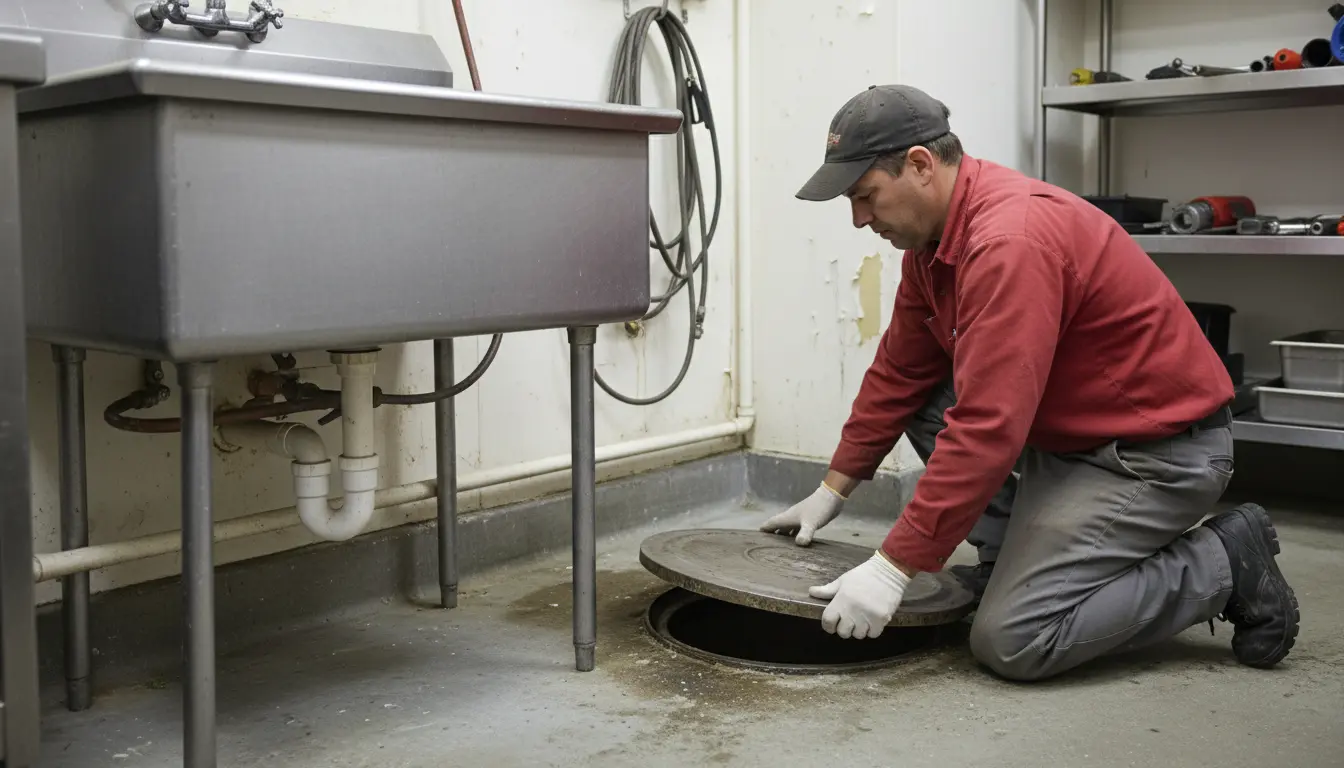
Find the Best Grease Trap Cleaning Companies for Your Business
No obligation • Fast responses • Nationwide coverage

Why you can trust Restaurant Waste Disposal
Restaurant Waste Disposal is a leading U.S. resource for comparing restaurant composting, food-waste recycling, grease trap cleaning, and used cooking oil collection services. Our editorial team researches providers, checks credentials, and organizes unbiased information so operators can make informed decisions. Companies cannot pay to change ratings or placement.
Search providers near you
Top Grease Trap Cleaning Companies in Wellington, Florida Ranked
For any restaurant, food truck, or commercial kitchen in Wellington, managing fats, oils, and grease (FOG) is a critical operational and legal responsibility. Proper grease trap and interceptor maintenance is not just about preventing clogs and foul odors; it's a mandatory compliance issue governed by strict Florida Department of Environmental Protection (FDEP) and local Palm Beach County regulations. Failure to adhere to these rules can lead to severe fines, operational shutdowns, and damage to the local wastewater infrastructure. This guide outlines the essential knowledge for Wellington food service establishments to ensure effective grease waste management, avoid costly penalties, and maintain a smooth-running kitchen.
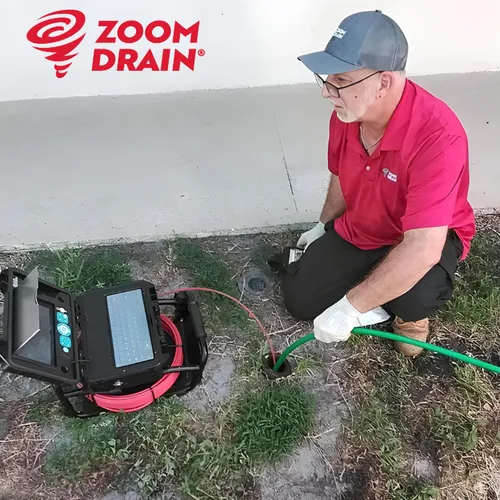
Zoom Drain
12075 NW 40th St Unit 3, Coral Springs, FL 33065
Zoom Drain is a drain and sewer service provider based in Fort Lauderdale, FL, serving Coral Springs, Boca Raton, and other areas throughout Broward County. They specialize in residential and commercial drain cleaning, sewer inspections, and repairs, including grease trap maintenance for the food and hospitality sector. Using advanced equipment and techniques, Zoom Drain offers focused and efficient solutions to keep wastewater systems running smoothly. The company supports property managers, contractors, and homeowners with tailored maintenance plans and a referral program. Zoom Drain is recognized for its knowledgeable technicians and fast response times.
Roto-Rooter Plumbing & Water Cleanup
100 S Dixie Hwy #204, West Palm Beach, FL 33401
Roto-Rooter Plumbing & Water Cleanup provides comprehensive plumbing services in West Palm Beach, FL, serving both residential and commercial clients. Their offerings include drain cleaning, sewer line repair and replacement, water heater installation and repair, grease trap cleaning, floodwater cleanup, and mold remediation. The company is equipped with advanced tools such as video camera inspections and hydro-jetting to address complex plumbing issues. Roto-Rooter operates 24/7, providing emergency plumbing services year-round to quickly respond to urgent needs. They serve multiple communities in the surrounding counties, including Broward and Palm Beach. Roto-Rooter is fully licensed and insured, with a strong local presence and a reputation for timely emergency response.
Roto-Rooter Plumbing & Water Cleanup
8461 Lake Worth Rd Suite 233E, Wellington, FL 33467
Roto-Rooter Plumbing & Water Cleanup provides plumbing and drain services in West Palm Beach, FL. They serve both residential and commercial customers with installation, repair, and replacement of plumbing fixtures and systems. Their commercial services include grease trap cleaning, high-pressure water jetting, video camera pipe inspections, and liquid waste pumping. The company offers 24/7 service, including holidays and weekends, ensuring availability for urgent plumbing needs.
Anthony's Grease Traps
Miami, FL
Anthony's Grease Traps is a full-service kitchen cleaning company based in Miami, FL. They provide grease trap cleaning, kitchen exhaust hood cleaning, fryer cleaning and oil filtering, as well as kitchen equipment sanitation. The company is fully licensed and certified by the state of Florida and offers proof of service stickers to help clients maintain compliance with health and safety regulations. Their 4000-gallon pumping truck can handle jobs of any size, and they serve restaurants and commercial kitchens in Miami and the surrounding areas. Anthony's Grease Traps operates 24/7 to accommodate urgent cleaning needs.
Total Septic Services
300 Center St, Jupiter, FL 33458
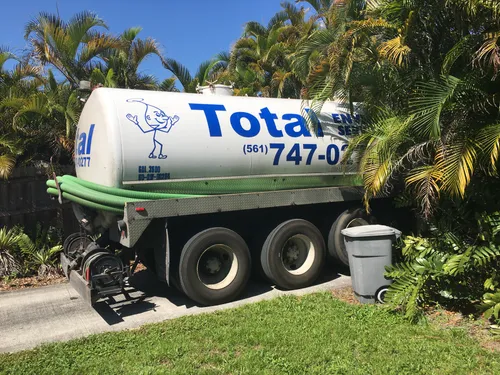
Total Septic Services is a plumbing and septic tank contractor based in Jupiter, FL, serving Northern Palm Beach and Southern Martin counties. They specialize in pumping septic tanks and grease traps, high velocity line jetting, drain field rejuvenations, and city water and sewer connections. The company is part of a third-generation business with a central office in Orlando, offering a broad range of services including storm drain cleaning, pond restoration, camera inspection, and Vactor jetting. Total Septic Services provides 24-hour emergency response for septic, sewer, and drain issues.
Understanding Florida and Local Grease Trap Regulations
Compliance starts with knowing the law. In Florida, all food service establishments (FSEs) are required to have properly sized and functioning grease interceptors or traps. The primary goal of these regulations is to prevent FOG from entering public sewers, where it can solidify, cause blockages, and lead to expensive sanitary sewer overflows (SSOs).
Key State and County Mandates:
- Licensed Haulers Only: Grease trap waste in Wellington must be removed and transported only by a state-licensed hauler, unless you are a certified self-cleaner. Using an unlicensed service is a violation.
- The 90-Day/25% Rule: This is a cornerstone of Florida's enforcement. Your grease interceptor must be pumped and cleaned when the combined FOG and solids accumulation reaches 25% of the trap's liquid depth, or at a minimum, every 90 days-whichever comes first 1. This rule is designed to ensure proactive maintenance.
- Service Manifests are Non-Negotiable: Every single time your trap is serviced, the licensed hauler must provide you with a detailed manifest. This document tracks the waste from your facility to its final disposal at a permitted treatment facility. You are required to keep copies of these manifests on-site for inspection, typically for at least three years.
The High Cost of Non-Compliance: Inspections and Fines
Local authorities and the FDEP do not simply take your word that you're following the rules. They actively enforce compliance through inspections and audits.
- Surprise Audits: Be prepared for unannounced inspections from county officials. They will check for your service manifests, inspect the physical condition of your grease trap, and verify that your maintenance schedule meets the 90-day/25% rule.
- Substantial Financial Penalties: Violations are met with significant fines. In Palm Beach County, citations for missing manifests, an overfull trap, or evidence of illegal dumping can start at $500 or more per occurrence 2 3. These fines can escalate quickly for repeat offenders.
- DEP Oversight: The FDEP also conducts inspections to ensure that waste haulers are properly disposing of grease at permitted facilities, creating a chain of accountability from your kitchen to the final processing site.
Scheduling and Costs for Grease Interceptor Service
Determining the right service frequency is the first step toward cost-effective compliance. While the 90-day rule sets a maximum interval, many high-volume kitchens in Wellington require monthly or bi-monthly service.
Factors Influencing Frequency:
- The type and volume of food you prepare (fried foods produce more grease).
- The size (capacity) of your grease interceptor.
- Your kitchen's wastewater flow.
Understanding Service Costs: Routine, scheduled grease trap pumping is a manageable operational expense. In the Wellington area, you can generally expect costs to range from $150 to $500 per service visit for standard-sized traps 4. The final price depends on:
- The physical size and accessibility of your trap.
- The volume of waste to be removed.
- Your contracted service frequency (regular customers often get better rates).
Find the perfect grease trap cleaning companies for your needs
Get personalized recommendations and expert advice
The Critical Importance of Preventative Maintenance
Viewing grease trap cleaning as a nuisance expense is a recipe for disaster. Proactive, scheduled maintenance is an investment that saves substantial money and headaches.
- Emergency vs. Scheduled Service: A routine, scheduled cleaning may cost $250-$400. In contrast, an emergency call-out for a completely clogged line or backed-up trap can easily cost $800 to $1,200 or more, not including the revenue lost during a potential kitchen shutdown 5 6.
- Avoiding Infrastructure Damage: Chronic neglect allows FOG to solidify deep within your plumbing lines, leading to slow drains, persistent odors, and eventually, catastrophic blockages that require expensive excavation and repair.
- Protecting Your Business Reputation: A kitchen shutdown due to a grease-related backup directly impacts your customers, staff, and your establishment's reputation for reliability.
Best Practices for Wellington Restaurant Owners
Beyond hiring a reliable, licensed hauler, there are daily practices that will keep your system running smoothly and keep you inspection-ready.
- Implement a Proactive Maintenance Schedule: Don't wait for the 90-day mark if your trap fills faster. Work with your service provider to establish a schedule based on your actual usage, documented with regular manifests.
- Maintain Impeccable Records: Keep a dedicated, organized logbook or digital folder for all grease interceptor service manifests. Have it readily available for inspectors.
- Label Everything Clearly: All exterior grease storage containers and collection areas should be clearly labeled to prevent improper disposal of other wastes.
- Train Your Staff Thoroughly: Ensure every kitchen employee understands what can and cannot go down the drain. Post "NO GREASE" signs above sinks and educate staff on scraping plates into trash bins before washing 7 8. Proper kitchen practices significantly reduce the load on your interceptor.
By understanding the regulations, investing in preventative maintenance, and implementing smart kitchen practices, Wellington food service operators can turn grease trap management from a compliance burden into a simple, routine part of running a successful and responsible business.
Frequently asked questions
Sources
Footnotes
-
Grease Trap Cleaning Guide: 25% Rule, Schedule & Compliance - https://greaseconnections.com/how-to-clean-a-grease-trap-and-how-often-you-should/ ↩
-
Grease Waste | Florida Department of Environmental Protection - https://floridadep.gov/waste/permitting-compliance-assistance/content/grease-waste ↩
-
Florida Grease Compliance | 90-Day Rule & County Fees - https://greaseconnections.com/resources/compliance/fl/ ↩
-
The Ultimate Guide to Restaurant Grease Trap Cleaning - https://mokherplumbing.com/ultimate-guide-restaurant-grease-trap-cleaning/ ↩
-
Ultimate Grease Trap Pumping Cost Guide: Essential Money-Saving ... - https://www.texwaywastewater.com/grease-trap-pumping-cost/ ↩
-
Grease Trap Cleaning & Maintenance | Boynton Beach FL - https://floridaflushplumbing.com/commercial-plumbing/greese-traps/ ↩
-
Grease Disposal Regulations in South Florida: Expert Insights - https://www.greaseprosrecycling.com/grease-disposal-regulations-fl/ ↩
-
Grease Traps for Restaurants: The Essential Guide - https://therestaurantwarehouse.com/blogs/restaurant-equipment/grease-trap-for-restaurant-guide ↩