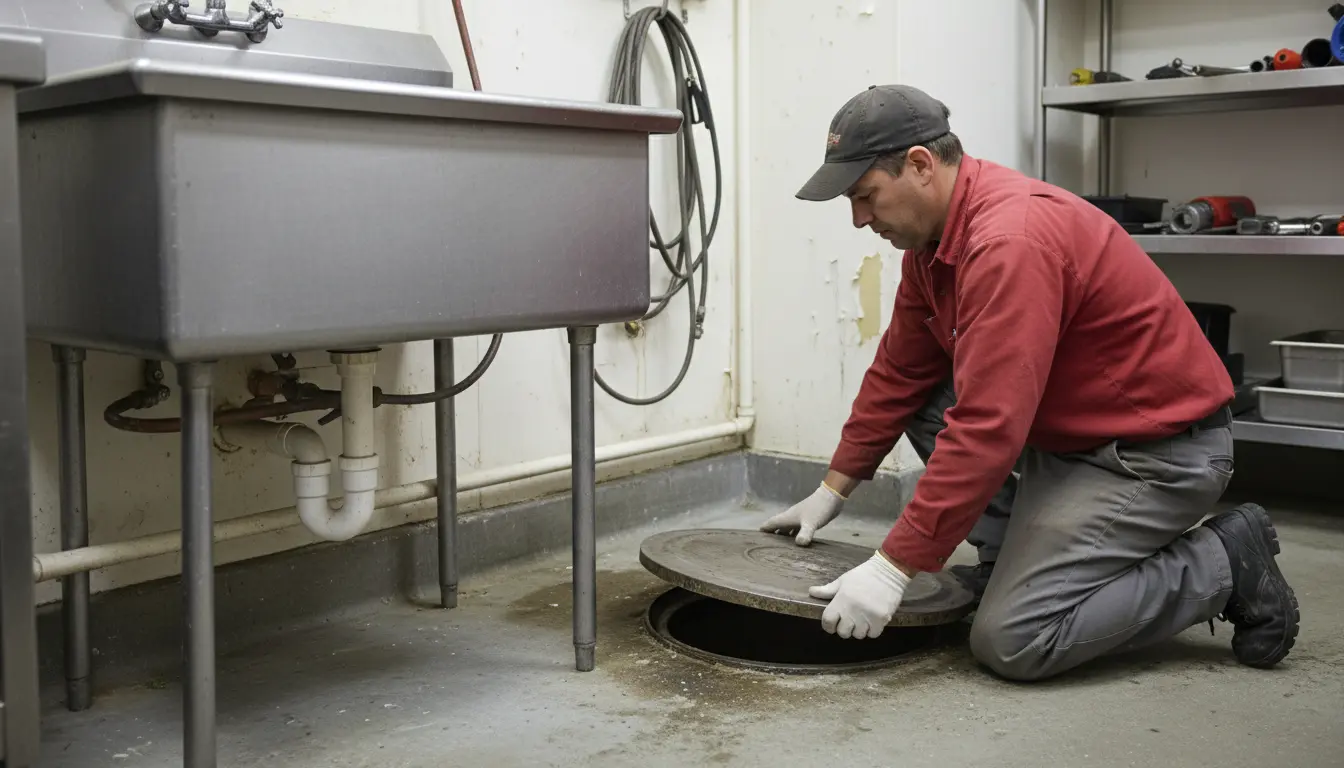
Find the Best Grease Trap Cleaning Companies for Your Business
No obligation • Fast responses • Nationwide coverage

Why you can trust Restaurant Waste Disposal
Restaurant Waste Disposal is a leading U.S. resource for comparing restaurant composting, food-waste recycling, grease trap cleaning, and used cooking oil collection services. Our editorial team researches providers, checks credentials, and organizes unbiased information so operators can make informed decisions. Companies cannot pay to change ratings or placement.
Search providers near you
Top Grease Trap Cleaning Companies in Jacksonville, Florida Ranked
For any restaurant or food service facility in Jacksonville, effective grease interceptor maintenance is not just a best practice-it's a legal requirement enforced by the Jacksonville Electric Authority (JEA). Proper management of fats, oils, and grease (FOG) is critical to preventing sewer blockages, avoiding environmental contamination, and ensuring your business remains in compliance with local codes. The process involves regular pumping by a licensed hauler, meticulous record-keeping, and adherence to a schedule determined by your establishment's specific volume of FOG production. Failure to comply can result in significant fines and operational disruptions, making a proactive maintenance plan essential for every food service operator in Duval County.
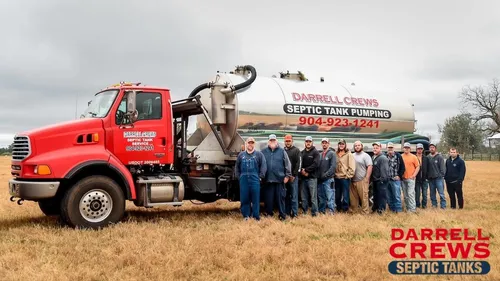
Darrell Crews Septic Tank Service
10626 James Crews Rd, Sanderson, FL 32087
Darrell Crews Septic Tank Service provides septic tank pumping, inspections, grease trap cleaning, lift station cleaning, riser installation, and RV tank pumping in Jacksonville, FL. They serve multiple counties including Baker, Bradford, Clay, Duval, Nassau, and Columbia. The company handles both scheduled and emergency services, offering timely response even on weekends.
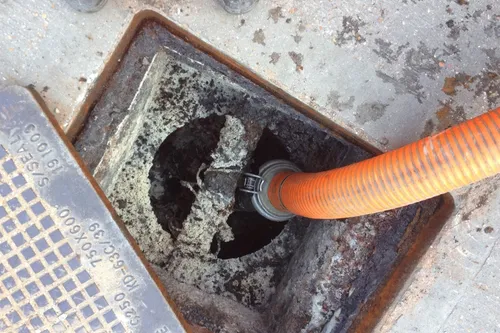
Jacksonville Grease Trap Cleaning
Jacksonville, FL
Jacksonville Grease Trap Cleaning provides grease trap pumping, cleaning, and interceptor services for commercial kitchens, restaurants, schools, and cafeterias in Jacksonville, FL. Serving a 20-mile radius including neighborhoods like New Town, Springfield, and Downtown, they handle all sizes of grease traps and interceptors. The company uses hydro-jet technology for thorough cleaning and ensures compliance with local health codes by managing maintenance records and disposal documentation. With over a decade of experience, they offer after-hours and emergency pumping services to support business continuity.
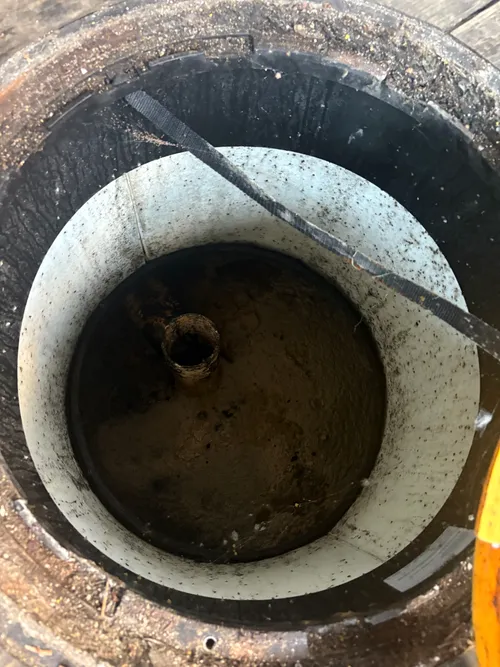
GreaseMan Services of the First Coast Inc.
11215 St Johns Industrial Pkwy N # 13, Jacksonville, FL 32246
GreaseMan Services of the First Coast Inc. is based in Jacksonville, FL, specializing in used cooking oil collection and grease trap cleaning. The company serves local businesses by managing grease waste to support environmental compliance and operational efficiency.
Alpha & Omega Grease Service
Jacksonville, FL
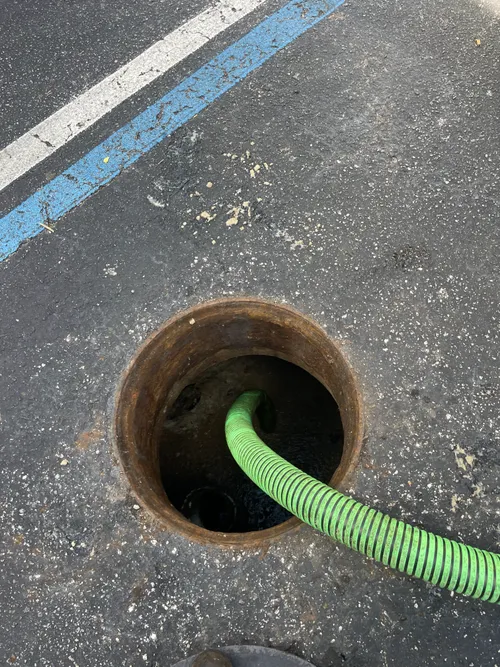
Alpha & Omega Grease Service provides grease trap cleaning and used cooking oil collection in Jacksonville, FL. They handle emergency situations efficiently, helping businesses resume operations quickly. The company offers monthly service plans to maintain grease trap functionality and oil collection needs.
Premier Grease
323 Beverly Ln, Jacksonville, FL 32254
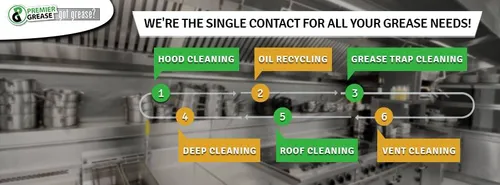
Premier Grease is a grease management company based in Jacksonville, FL, offering services including kitchen exhaust system cleaning, grease trap cleaning, used cooking oil collection, and a filter exchange program. They help restaurants maintain compliance with safety and environmental standards while managing used cooking oil for recycling into biodiesel. Their services also include roof cleaning and vent cleaning to prevent fire hazards and property damage. Premier Grease emphasizes local ownership and accountability with GPS tracking of their service vehicles.
Understanding Jacksonville's FOG Control Program
Jacksonville's Fats, Oils, and Grease (FOG) control program is administered by JEA to protect the public sewer system from blockages and overflows that can cause environmental damage and public health concerns. All commercial food service establishments, including restaurants, cafeterias, bakeries, and any facility that prepares or serves food, are mandated to install and maintain a grease interceptor or grease trap. This program is rooted in federal Clean Water Act regulations and detailed local ordinances designed to keep grease out of the wastewater stream. The responsibility for compliance falls entirely on the business owner, covering everything from the initial installation to the ongoing inspection, cleaning, and pumping of the interceptor.
Legal Requirements and Your Responsibilities
Navigating the legal landscape for grease trap maintenance in Jacksonville is straightforward but non-negotiable. Here are the core responsibilities for every food service facility:
- Mandatory Maintenance: You must have a properly sized and functioning grease interceptor. Its maintenance is your financial and operational responsibility.
- Pumping Frequency: Your required pumping schedule is not arbitrary; it is determined by JEA based on your establishment's grease production. The minimum requirement is servicing at least every 90 days, but for high-volume kitchens, JEA may mandate service as often as every 30 days. A universal rule is that the trap must be pumped before the combined FOG and solids accumulate to 25% of the unit's capacity 1 2 3.
- Using Licensed Haulers: You are required to contract with a state-licensed grease waste hauler for all pumping and cleaning services. Using an unlicensed provider is a violation.
- Documentation is Key: After each service, your hauler must provide you with a signed Service Manifest or pump-out report. You are then responsible for submitting this documentation to JEA within five (5) business days. Maintaining these records is crucial for proving compliance during inspections 4.
- Chemical Additives: You cannot use enzyme or chemical "grease digester" products in your interceptor without obtaining prior written approval from JEA. Unapproved use of additives can lead to violations 5.
Enforcement, Inspections, and Penalties
Compliance is actively monitored. JEA, in coordination with the Florida Department of Environmental Protection (FDEP), conducts regular inspections of both food service facilities and grease haulers. Inspectors will review your pump-out manifests, examine the physical condition of your interceptor, and ensure your hauler is properly licensed.
The consequences for non-compliance are serious. Violations can include:
- Substantial Fines: Issued for failures such as missing manifests, overdue pumping, or illegal discharge.
- Suspension of Service: In severe cases, JEA can suspend wastewater service to your business.
- License Action: Haulers caught in illegal dumping or improper disposal can lose their operating licenses.
- Costly Emergencies: Neglect often leads to complete blockages, requiring emergency service and potentially causing business interruptions.
Find the perfect grease trap cleaning companies for your needs
Get personalized recommendations and expert advice
The Cost of Compliance vs. The Price of Neglect
Investing in regular grease interceptor maintenance is a predictable operational cost that pales in comparison to the expenses incurred from neglect. Typical pumping costs in Jacksonville range from $250 to $400 or more per service, depending on the size of your interceptor and the volume of FOG and solids removed. This is the price for scheduled, routine maintenance that keeps you compliant.
Conversely, the cost of neglecting your grease trap can be exponentially higher. A severely clogged or overflowing interceptor often requires an emergency pump-out, which can cost $800 to $1,200 or more per service call 6 7. When you add potential fines from JEA, the cost of business downtime during an emergency, and the reputational damage from a sewage backup, the financial argument for proactive maintenance becomes overwhelmingly clear.
Creating a Proactive Maintenance Plan
The most effective strategy for Jacksonville restaurant owners is to establish a scheduled maintenance plan with a reputable, licensed grease hauler. This plan should be based on your JEA-mandated frequency. A reliable provider will not only perform the pump-out but also help you manage the manifest paperwork and alert you to any potential issues with your interceptor before they become violations or emergencies. Regular maintenance ensures your interceptor operates efficiently, reduces the risk of foul odors and backups, and provides you with the peace of mind that comes from full compliance with JEA's FOG program guidelines.
Frequently asked questions
Sources
Footnotes
-
Commercial FOG Program | JEA - https://www.jea.com/business_resources/commercial_fog_program/ ↩
-
Grease Waste | Florida Department of Environmental Protection - https://floridadep.gov/waste/permitting-compliance-assistance/content/grease-waste ↩
-
30-203. Food service establishments: grease traps and ... - Lee County - http://leecounty-fl.elaws.us/code/coor_ch30_artxiii_sec30-203 ↩
-
The clean water act was established by the federal ... - JEA - https://www.jea.com/Business_Resources/Commercial_FOG_Program/JEA_FOG_BMP_2021/ ↩
-
ARTICLE VII. | Code of Ordinances | Jacksonville Beach, FL - https://library.municode.com/fl/jacksonville_beach/codes/code_of_ordinances?nodeId=PTIICOOR_CH32UT_ARTVIIFAOIGRFOPR_S32-184ADENAB ↩
-
Ultimate Grease Trap Pumping Cost Guide: Essential Money-Saving ... - https://www.texwaywastewater.com/grease-trap-pumping-cost/ ↩
-
Restaurant Grease Trap & Interceptor Cleaning Cost - https://greasemanagement.org/pricing.html ↩