
Find the Best Grease Trap Cleaning Companies for Your Business
No obligation • Fast responses • Nationwide coverage

Why you can trust Restaurant Waste Disposal
Restaurant Waste Disposal is a leading U.S. resource for comparing restaurant composting, food-waste recycling, grease trap cleaning, and used cooking oil collection services. Our editorial team researches providers, checks credentials, and organizes unbiased information so operators can make informed decisions. Companies cannot pay to change ratings or placement.
Search providers near you
Top Grease Trap Cleaning Companies in Miami, Florida Ranked
For any restaurant, food truck, or commercial kitchen in Miami, proper grease trap and interceptor maintenance is not just a best practice-it's a strict legal requirement enforced by Miami-Dade County. The local regulations, overseen by the Department of Environmental Resources Management (DERM), are among the most stringent in the nation, designed to protect the city's vital sewer infrastructure from costly and disruptive blockages caused by fats, oils, and grease (FOG). Non-compliance can lead to severe financial penalties, surprise inspections, and even operational shutdowns. Understanding the specific rules for pumping schedules, permits, and certified haulers is essential for any food service business to operate smoothly and avoid significant liabilities.

Champion Septic Tank - Grease Trap Storm Drain Lift Station
405 E 41st St Unit 1D, Hialeah, FL 33013
Champion Septic Tank - Grease Trap Storm Drain Lift Station provides comprehensive septic and grease trap services in Miami, FL. Serving residential and commercial clients across Miami-Dade, Broward, and Palm Beach counties, they specialize in grease trap cleaning, septic tank pumping and cleaning, drain field installation and replacement, storm drain cleaning, and lift station pumping. Their licensed team uses advanced equipment such as high-pressure hydro jetting and vacuum trucks to ensure thorough cleaning and maintenance. With over 10 years of experience, Champion Septic Tank offers 24/7 emergency services, including same-day response for urgent septic and grease trap issues, supporting restaurants, commercial kitchens, and homeowners throughout the region.
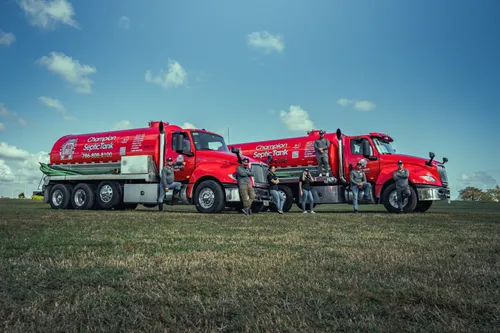
Champion Septic Tank - Grease Trap Storm Drain Lift Station
4000 Hollywood Blvd suite 555-s, Hollywood, FL 33021
Champion Septic Tank - Grease Trap Storm Drain Lift Station is a licensed and insured septic service provider based in Miami, FL. They offer a wide range of services including septic tank pumping, cleaning, drain field installation and replacement, grease trap cleaning, storm drain maintenance, and lift station pumping. Serving residential and commercial clients across Miami-Dade, Broward, and Palm Beach counties, they specialize in hydrojetting and advanced sewer camera inspections to ensure thorough cleaning and system diagnostics. With over 10 years of experience, Champion Septic Tank is known for its comprehensive septic system care and 24/7 emergency service availability.
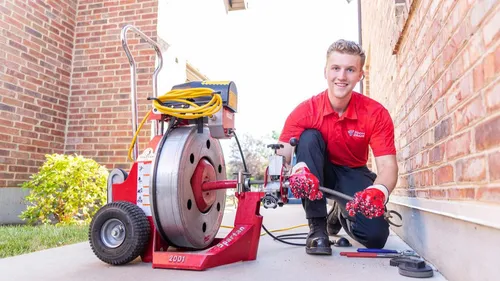
Zoom Drain
20815 NE 16th Ave Unit B44, Miami, FL 33179
Zoom Drain is a specialist in drain and sewer cleaning, inspection, and repair based in Miami, FL. They serve residential, commercial, and food service clients in Miami and surrounding areas, offering services such as grease trap maintenance and hydro jetting. The company uses advanced tools like video camera inspections and provides tailored maintenance plans for property managers and contractors. Zoom Drain operates 24/7 to address emergency drain and sewer issues promptly.
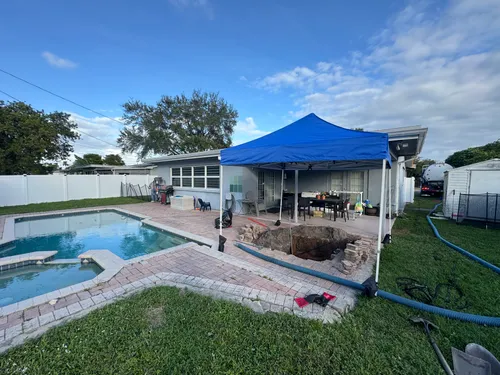
All-Star Pump Outs - Septic Tanks Grease Traps Storm Drains Lift Stations
3325 W Okeechobee Rd, Hialeah, FL 33012
All-Star Pump Outs - Septic Tanks Grease Traps Storm Drains Lift Stations provides septic system services, grease trap cleaning, storm drain maintenance, lift station servicing, and drainfield installations in Miami, FL. The company offers hydro jet cleaning and septic system replacements, ensuring thorough and precise work with clear communication in English or Spanish. Customers appreciate their responsiveness and professionalism, including same-day service for urgent needs. All-Star Pump Outs is known for detailed explanations and honest work, serving both residential and commercial clients.
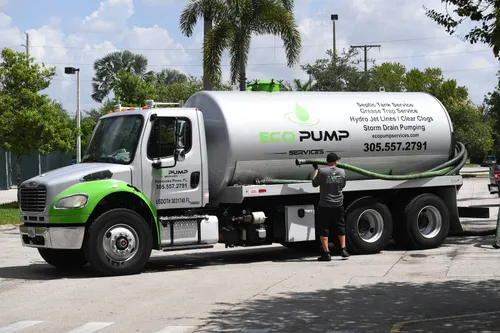
Eco Pump Services
15757 Pines Blvd Suite 315, Pembroke Pines, FL 33027
Eco Pump Services provides grease trap cleaning, septic tank pumping, storm drain cleaning, and sewer line hydro jetting in Miami, FL, and surrounding areas including Broward and West Palm Beach. They serve both residential and commercial clients, offering routine maintenance and emergency services with specialized equipment. With over 25 years of experience, Eco Pump Services is licensed and insured to handle grease trap pumping, cleaning, inspections, and repairs, ensuring compliance with government standards.
Understanding Miami-Dade County's FOG Program
Miami-Dade County operates a comprehensive Fats, Oils, and Grease (FOG) control program to prevent sewer overflows. At the heart of this program is the Grease Discharge Operating (GDO) Permit, which is mandatory for all food service establishments that discharge wastewater. This isn't a one-time fee; it's an ongoing compliance obligation. The county requires that every establishment has an approved, properly sized, and fully operational grease interceptor or trap. The permit ties your business to a set of rigorous operational standards, and simply having the device installed is only the first step. The real focus of DERM is on consistent, documented maintenance.
Key Compliance Rules for Grease Interceptor Maintenance
Staying compliant means adhering to a clear set of county-mandated rules. Ignorance of these regulations is not an excuse and will not prevent fines.
- Mandatory Pumping Frequency: Traps and interceptors must be pumped out every 90 days or when the combined grease and solids layer reaches 25% of the liquid depth-whichever comes first. This measurement should be taken using a core sampler, not just a visual estimate.
- Use of Licensed Haulers: Cleaning and waste removal can only be performed by a county-licensed grease hauler. Using an unlicensed provider will not count toward your compliance record and can still result in violations.
- Required Documentation & Reporting: After each cleaning, the licensed hauler must provide you with a detailed waste manifest. Crucially, this service information must be reported to the county through its official online portal by the hauler. You are responsible for ensuring this reporting is completed.
- Record Keeping: Maintain all pumping receipts, manifests, and service reports on-site for at least three years. These documents are the first thing a DERM inspector will ask to see during a visit.
The Inspection and Enforcement Landscape
DERM conducts unannounced, surprise inspections to verify compliance. An inspector can arrive at any time during business hours. During the audit, they will review your service records, physically inspect your grease interceptor, and may check for any signs of improper discharge, such as grease in downstream drains.
Enforcement is strict and escalates quickly. Penalties for violations are designed to be deterrents:
- Initial violations can result in fines starting at over $500 1.
- Repeat offenses see fines that double and can quickly exceed $1,0002 3.
- Beyond fines, the county can issue compliance orders, require costly sewer line repairs, and in severe cases, seek to suspend your GDO permit, which could force a business to cease operations.
Find the perfect grease trap cleaning companies for your needs
Get personalized recommendations and expert advice
Cost Factors for Grease Trap Service in Miami
The cost of grease interceptor maintenance in Miami varies based on several factors, but proactive service is always more affordable than emergency clean-ups or fines. Here's a general breakdown:
- Permit Fees: The initial GDO (or FOG-1) permit fee is approximately $200, with renewal fees due periodically.
- Routine Pumping Service: For a well-maintained trap on a regular 90-day schedule, you can expect costs to range from $250 to $400 per service4. Smaller indoor grease traps may range from $175 to $475.
- Neglected or Emergency Service: If a trap is overdue for service or has caused a backup, emergency pump-out and cleaning costs can be significantly higher, potentially ranging from $800 to $1,200 or more per incident5 6.
- Service Contracts: Many licensed providers offer scheduled service plans that lock in a regular rate and ensure you never miss a mandatory pumping date, providing both cost predictability and peace of mind.
Investing in a regular maintenance plan is unequivocally more cost-effective than risking the substantial fines, repair bills, and business disruption that come with non-compliance 7.
Choosing a Licensed Service Provider in Miami
Selecting the right hauler is a critical business decision. Always verify that the provider holds a current Miami-Dade County Grease Hauler License. A reputable provider will not only handle the physical pumping but will also manage the crucial county reporting on your behalf. Look for companies with a strong track record in Miami, transparent pricing, and a clear understanding of DERM's specific portal and documentation requirements8. They should be a partner in your compliance strategy, not just a vendor.
Consequences of Improper Grease Disposal
The regulations exist for a concrete reason: preventing "fatbergs" and blockages in the public sewer system. When FOG is poured down drains, it cools and solidifies inside pipes, eventually restricting flow and causing raw sewage backups that can affect entire neighborhoods, businesses, and the local environment. The cleanup of such public sewer overflows is enormously expensive, and those costs are ultimately borne by the community and the businesses found responsible. Proper grease interceptor maintenance is your establishment's first and most important line of defense in this shared infrastructure system 9 10.
Beyond Pumping: Best Practices for Kitchen Operations
While professional trap cleaning is mandatory, kitchen staff training is your first line of defense. Implement simple best practices to reduce the load on your interceptor: use sink strainers, scrape plates thoroughly before washing, and collect waste cooking oil in dedicated containers for separate recycling. Never pour grease, oil, or dairy products down the drain. These practices can extend the time between necessary pump-outs, improve efficiency, and reduce the risk of clogs within your own plumbing system.
Frequently asked questions
Sources
Footnotes
-
Grease Disposal Regulations in South Florida: Expert Insights - https://www.greaseprosrecycling.com/grease-disposal-regulations-fl/ ↩
-
THE BASICS OF GREASE TRAP PERMITS IN MIAMI-DADE - https://www.gray-robinson.com/docs/Insight_Food-Law_Valerie-Haber_DERM-Grease-Traps.pdf ↩
-
Grease Trap Replacement Miami Beach, FL - Coral Gables Plumbing - https://www.coralgablesplumbing.com/fog-compliance-miami ↩
-
Florida Grease Compliance | 90-Day Rule & County Fees - https://greaseconnections.com/resources/compliance/fl/ ↩
-
Ultimate Grease Trap Pumping Cost Guide: Essential Money-Saving ... - https://www.texwaywastewater.com/grease-trap-pumping-cost/ ↩
-
Restaurant Grease Trap & Interceptor Cleaning Cost - https://greasemanagement.org/pricing.html ↩
-
Grease Trap Cleaning in South Beach Restaurants - Fast & Certified ... - https://www.championseptictank.com/grease-trap-cleaning-in-south-beach-restaurants-fast-certified-service ↩
-
Miami-Dade FOG & GDO Compliance Guide for Restaurants ... - https://www.greaseprosrecycling.com/miami-dade-fog-and-gdo-compliance/ ↩
-
Fats, Oils and Grease (FOG) - Miami-Dade County - https://www.miamidade.gov/global/environment/code-compliance/fats-oils-grease.page ↩
-
Grease Waste | Florida Department of Environmental Protection - https://floridadep.gov/waste/permitting-compliance-assistance/content/grease-waste ↩