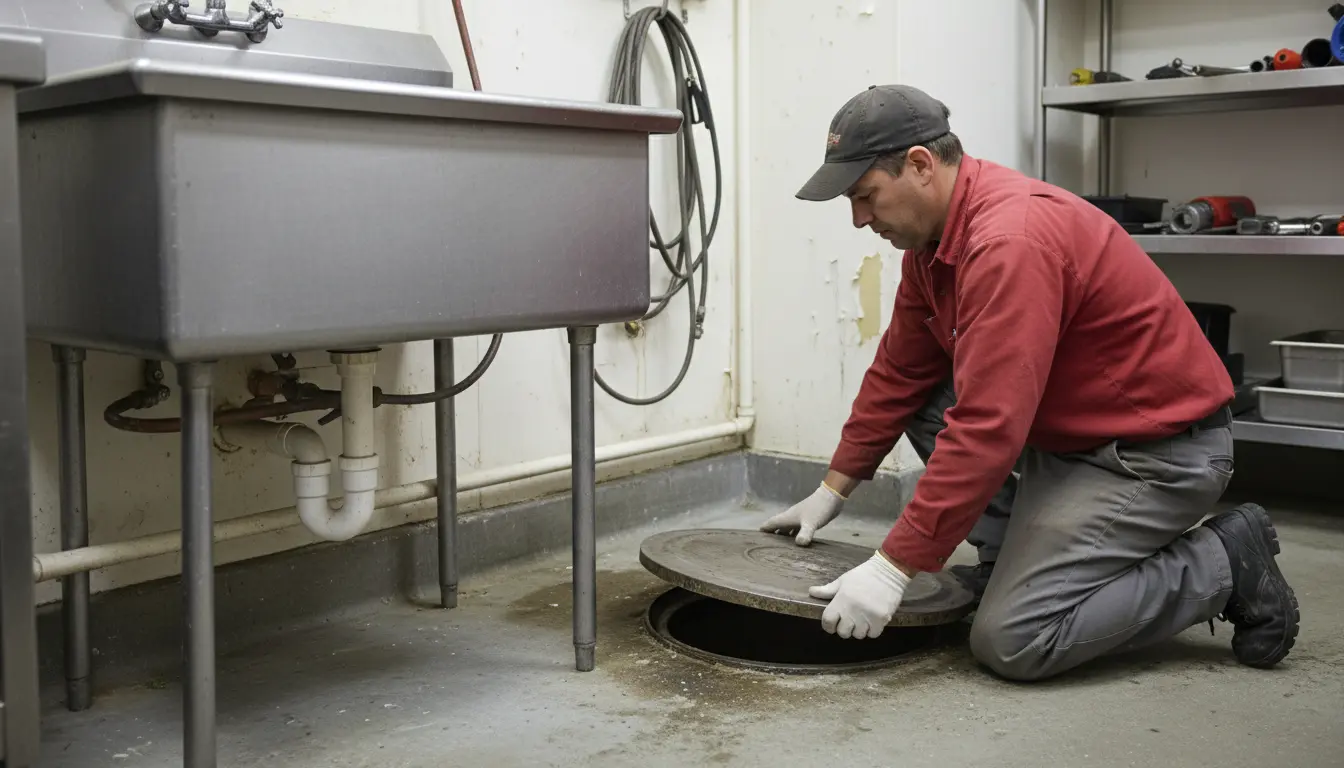
Find the Best Grease Trap Cleaning Companies for Your Business
No obligation • Fast responses • Nationwide coverage

Why you can trust Restaurant Waste Disposal
Restaurant Waste Disposal is a leading U.S. resource for comparing restaurant composting, food-waste recycling, grease trap cleaning, and used cooking oil collection services. Our editorial team researches providers, checks credentials, and organizes unbiased information so operators can make informed decisions. Companies cannot pay to change ratings or placement.
Search providers near you
Top Grease Trap Cleaning Companies in Apopka, Florida Ranked
For restaurant owners and food service operators in Apopka, managing fats, oils, and grease (FOG) is a critical operational and legal responsibility. The city enforces a strict Non-Residential Grease Management Program designed to protect the local sewer system from blockages and environmental damage. Compliance isn't optional; it involves regular pumping by licensed haulers, meticulous record-keeping, and adherence to specific grease and solids level limits to avoid significant fines or business license complications. Understanding the local regulations for grease interceptor maintenance is the first step in safeguarding your business from costly violations and ensuring smooth kitchen operations.
Lapin Services
3031 40th St, Orlando, FL 32839
Lapin Services is a licensed and insured company based in Orlando, FL, offering septic, plumbing, and sewer services. They serve a wide area across Central Florida, including Orlando and many surrounding communities. Their capabilities include grease trap cleaning, vactor sewer cleaning, lift station inspections, and wastewater treatment plant cleaning. The company employs trained technicians and uses specialized equipment to handle these services.
Roto-Rooter Plumbing & Water Cleanup
1404 Gemini Blvd, Orlando, FL 32837
Roto-Rooter Plumbing & Water Cleanup provides a wide range of plumbing and water cleanup services in Orlando, FL, serving both residential and commercial customers. Their offerings include sewer and drain cleaning, grease trap pumping and cleaning, water heater repair and installation, floodwater cleanup, mold remediation, and emergency plumbing services. The company is equipped with advanced tools such as hydro-jetting equipment for thorough drain cleaning and offers 24/7 emergency service to address urgent plumbing issues. Roto-Rooter serves multiple communities in and around Orlando, including areas in Orange, Seminole, Brevard, and Osceola counties.
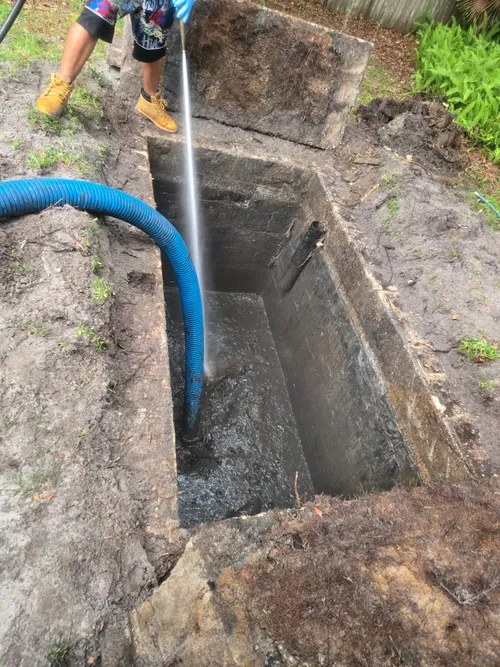
Flush and Go Drain & Septic Cleaning LLC
3940 Moores Station Rd, Sanford, FL 32773
Flush and Go Drain & Septic Cleaning LLC is a septic and grease trap cleaning company serving Orlando, FL. They offer septic tank services, drain field installation, grease trap cleaning, and plumbing solutions, including line video inspections to diagnose pipe issues without excavation. With over 20 years of experience, the company provides emergency and 24/7 services to address urgent septic and drain problems promptly.
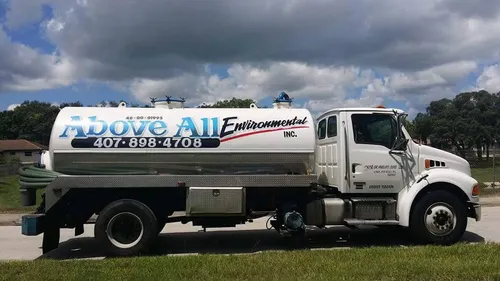
Above All Environmental Inc
Orlando, FL
Above All Environmental Inc is a licensed and insured company based in Orlando, FL, specializing in septic tank maintenance and grease trap pumping. With over 15 years of experience, they provide a range of services including septic tank pump outs, drain field and lift station cleaning, pump repair, and stormwater management. Their skilled team handles both routine maintenance and emergency repairs, aiming to support long-term customer relationships.
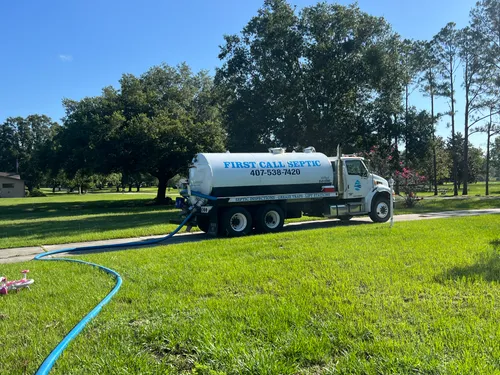
First Call Septic
300 N Ronald Reagan Blvd #311, Longwood, FL 32750
First Call Septic provides comprehensive septic tank services in Orlando, FL, including pumping, inspections, repairs, and new system installations for homes and businesses. They also offer grease trap cleaning, lift station services, drain field repair and installation, line jetting, and emergency septic services with 24/7 availability. With years of experience serving Central Florida, First Call Septic uses modern equipment and proven techniques to address the unique challenges of the local climate and soil.
Understanding Apopka's Grease Management Program
Apopka's municipal code mandates that all non-residential facilities producing FOG participate in its formal grease management program. This program is administered to prevent sewer overflows, which can lead to environmental harm and expensive public works repairs. The rules are based on state guidelines from the Florida Department of Environmental Protection and are actively enforced through inspections and reporting requirements. As a FOG producer, your establishment is legally obligated to follow these protocols, which center on proper grease trap or interceptor maintenance and waste disposal.
The cornerstone of compliance is using a licensed waste hauler for all pumping and cleaning services. These professionals are authorized to transport grease waste to approved disposal or recycling facilities, ensuring it does not illegally enter the wastewater stream. You must obtain and keep a detailed service manifest from every pump-out event. These documents are not just receipts; they are your primary proof of compliance during a city inspection.
Required Pumping Frequency and Compliance Levels
How often you need grease interceptor service is not a one-size-fits-all schedule but is strictly defined by performance standards. For larger in-ground grease interceptors, a minimum pumping frequency of every 90 days is a common starting point 1. However, smaller under-sink grease traps, which have less holding capacity, often require service monthly or even more frequently depending on your kitchen's volume.
The definitive trigger for service is the accumulation level inside the trap. Apopka's regulations specify that a grease interceptor is out of compliance if either of the following conditions is met:
- The floating grease (FOG) layer exceeds 6 inches in depth.
- The settled solids layer exceeds 12 inches in depth.
These measurements are checked during city inspections. If your trap exceeds these levels, you will receive a Notice of Violation (NOV), which typically mandates immediate pumping and may require you to move to a more frequent, city-enforced pumping schedule until compliance is consistently demonstrated 2.
The Inspection Process and Consequences of Non-Compliance
The City of Apopka conducts site inspections to verify adherence to the grease management program. During an inspection, an official will likely request your file of service manifests to confirm pumping frequency. They may also perform a visual or physical check of your grease interceptor to measure grease and solids levels.
Failure to comply can lead to escalating consequences:
- Notice of Violation (NOV): The initial formal warning requiring corrective action.
- Fines: Monetary penalties can be levied for violations, including illegal dumping of grease waste.
- License Action: In cases of repeated or severe non-compliance, the city can take action against your business license, potentially affecting your ability to operate.
- Reporting Fees: The city requires regular reporting, and missing deadlines (e.g., submitting manifests by the 15th of the month) can result in late fees.
Cost Expectations for Grease Trap Maintenance
Budgeting for grease trap cleaning is a necessary part of restaurant operations in Apopka. Costs are influenced by the size of your interceptor, its accessibility, and the current level of buildup.
- Scheduled Pump-Out: For routine, preventive maintenance, you can expect costs to generally range from $250 to $400+ per service call 3.
- Annual Investment: Given the required minimum quarterly pumping for larger traps, annual costs for a single location can easily exceed $2,000 4.
- Emergency Service: If you wait until a blockage occurs or you are in violation, emergency pump-out and cleaning services are significantly more expensive, potentially costing $800 to $1,200 or more per call 5.
It's also crucial to note that the use of grease-digesting additives or enzymes requires prior written approval from the city's control authority. Using unapproved products can harm the wastewater system and may be considered a violation 6 7.
Find the perfect grease trap cleaning companies for your needs
Get personalized recommendations and expert advice
Proactive Maintenance Strategies for Apopka Restaurants
The most effective way to manage costs and ensure compliance is through a proactive, scheduled maintenance plan. Partnering with a reliable, licensed hauler for regular service prevents the accumulation that leads to violations and emergency calls 8.
Document Everything: Maintain an organized, on-site log of all service manifests, invoices, and any communications with the city or your service provider. This makes inspections swift and demonstrates your commitment to compliance 9.
Train Your Staff: Implement kitchen best practices to minimize FOG entering the drain. This includes scraping plates into trash bins, using sink strainers, and avoiding pouring oils down the drain. Pre-treatment practices can significantly extend the time between required pump-outs 10 11.
Understand Your System: Know the type and capacity of your grease interceptor and its specific service needs. A qualified plumbing or grease service professional can help you establish an optimal schedule based on your actual usage, which may be more frequent than the minimum 90-day rule if you have a high-volume kitchen.
Frequently asked questions
Sources
Footnotes
-
FAQs • How often should I have my grease trap pumped? - Apopka, FL - https://apopkacampwewa.com/FAQ.aspx?QID=167 ↩
-
30-203. Food service establishments: grease traps and ... - Lee County - http://leecounty-fl.elaws.us/code/coor_ch30_artxiii_sec30-203 ↩
-
Grease Trap Cleaning Prices | Guide on the Industry Average - https://grease-cycle.com/grease-trap-pumping-cost/ ↩
-
Florida Grease Trap Regulations Concern Commercial ... - https://replaceyourgarbagedisposal.com/grease-trap/florida-grease-trap-regulations-concern-commercial-kitchen-owners/ ↩
-
Ultimate Grease Trap Pumping Cost Guide: Essential Money-Saving ... - https://www.texwaywastewater.com/grease-trap-pumping-cost/ ↩
-
Non-Residential Grease Management | Apopka, FL - https://www.apopka.gov/714/Non-Residential-Grease-Management ↩
-
The 2025 Florida Statutes - Online Sunshine - https://www.leg.state.fl.us/Statutes/index.cfm?App_mode=Display_Statute&Search_String=&URL=0400-0499/0403/Sections/0403.0741.html ↩
-
Grease Trap Maintenance: Essential Guide for Tampa Bay ... - https://llonaplumbing.com/blog/grease-trap-maintenance-essential-guide-for-tampa-bay-restaurants/ ↩
-
Grease Waste | Florida Department of Environmental Protection - https://floridadep.gov/waste/permitting-compliance-assistance/content/grease-waste ↩
-
Grease Best Management Practices - Apopka, FL - https://www.apopka.gov/719/Grease-Best-Management-Practices ↩
-
Grease Trap Restaurant: The Essential Guide - https://therestaurantwarehouse.com/blogs/restaurant-equipment/grease-trap-restaurant-guide ↩