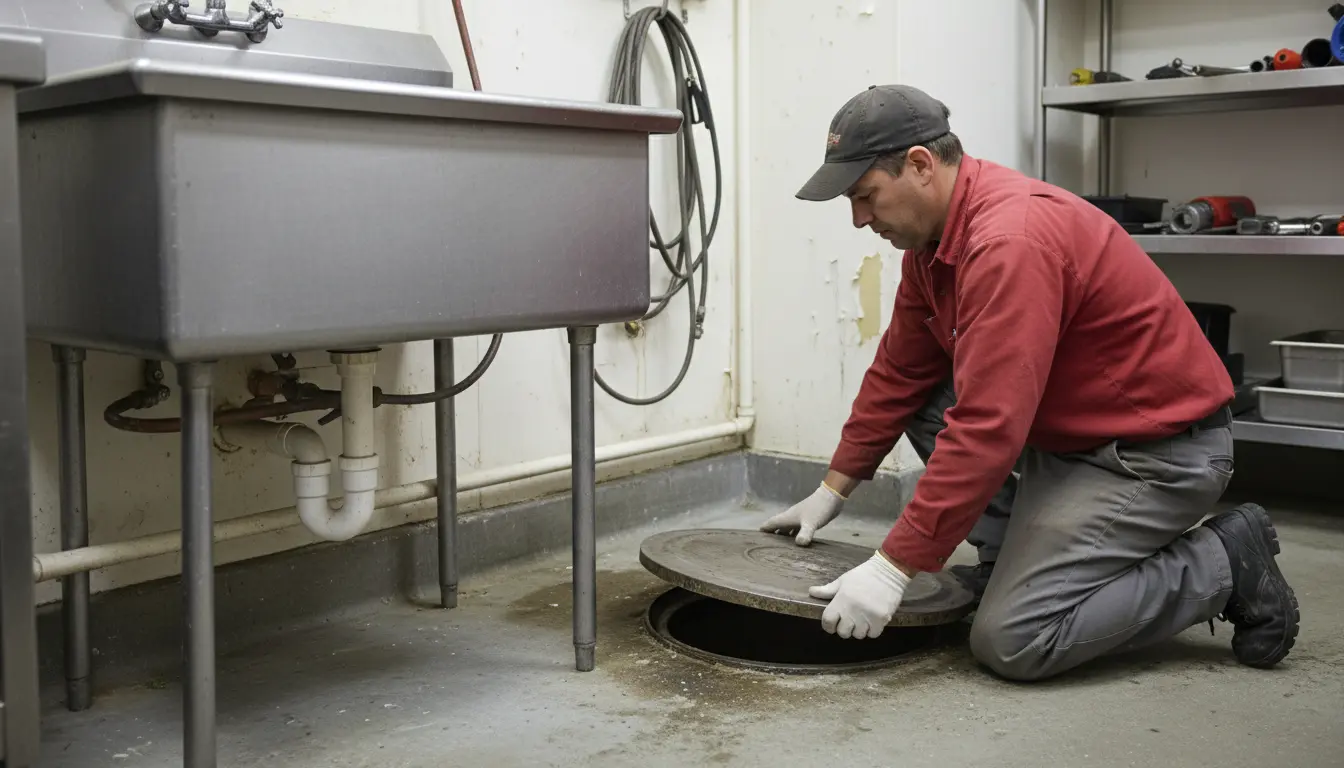
Find the Best Grease Trap Cleaning Companies for Your Business
No obligation • Fast responses • Nationwide coverage

Why you can trust Restaurant Waste Disposal
Restaurant Waste Disposal is a leading U.S. resource for comparing restaurant composting, food-waste recycling, grease trap cleaning, and used cooking oil collection services. Our editorial team researches providers, checks credentials, and organizes unbiased information so operators can make informed decisions. Companies cannot pay to change ratings or placement.
Search providers near you
Top Grease Trap Cleaning Companies in Kissimmee, Florida Ranked
For restaurant owners and kitchen managers in Kissimmee, maintaining a compliant and efficient grease interceptor system is a critical, non-negotiable part of daily operations. Situated in Osceola County, food service establishments must navigate a specific set of state and local regulations designed to protect the municipal sewer system from costly and disruptive blockages. Proper grease trap maintenance is not just about avoiding fines; it's about ensuring your business runs smoothly, protecting your plumbing, and contributing to the community's environmental health. This guide outlines the essential knowledge for compliance, service expectations, and best practices for grease management in the Kissimmee area.
Lapin Services
3031 40th St, Orlando, FL 32839
Lapin Services is a licensed and insured company based in Orlando, FL, offering septic, plumbing, and sewer services. They serve a wide area across Central Florida, including Orlando and many surrounding communities. Their capabilities include grease trap cleaning, vactor sewer cleaning, lift station inspections, and wastewater treatment plant cleaning. The company employs trained technicians and uses specialized equipment to handle these services.
Bud's Septic Service
1518 Park Commerce Ct, St Cloud, FL 34769
Bud's Septic Service has been serving Osceola County, including Kissimmee, FL, since 1981. The company offers septic installation, septic service, grease trap cleaning and pumping, and drain field installation. Known for understanding client needs, Bud's provides clear explanations of septic system operations and timely pump replacements. Their team is recognized for handling urgent septic issues effectively.
Anytime Septic Solutions
Tampa, FL
Anytime Septic Solutions is a septic system contractor serving Tampa, FL, and the surrounding Polk County area including Lakeland, Winter Haven, and Plant City. With over 15 years in business and a family legacy of nearly 100 years in the septic and wastewater industry, they provide septic tank pumping, repair, installation, and grease trap services for residential and commercial clients. Their licensed team handles routine maintenance, emergency repairs, drain field installation, and wastewater treatment system services.
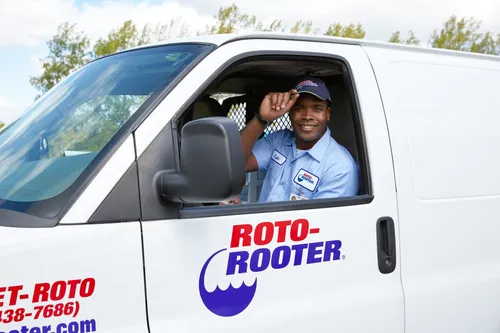
Roto-Rooter Plumbing & Water Cleanup
1404 Gemini Blvd, Orlando, FL 32837
Roto-Rooter Plumbing & Water Cleanup provides a wide range of plumbing and water cleanup services in Orlando, FL, serving both residential and commercial customers. Their offerings include sewer and drain cleaning, grease trap pumping and cleaning, water heater repair and installation, floodwater cleanup, mold remediation, and emergency plumbing services. The company is equipped with advanced tools such as hydro-jetting equipment for thorough drain cleaning and offers 24/7 emergency service to address urgent plumbing issues. Roto-Rooter serves multiple communities in and around Orlando, including areas in Orange, Seminole, Brevard, and Osceola counties.
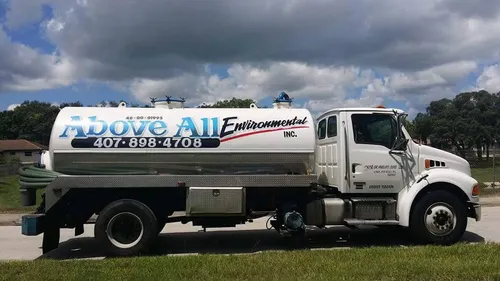
Above All Environmental Inc
Orlando, FL
Above All Environmental Inc is a licensed and insured company based in Orlando, FL, specializing in septic tank maintenance and grease trap pumping. With over 15 years of experience, they provide a range of services including septic tank pump outs, drain field and lift station cleaning, pump repair, and stormwater management. Their skilled team handles both routine maintenance and emergency repairs, aiming to support long-term customer relationships.
Understanding Local Grease Interceptor Regulations
Kissimmee restaurants operate under the jurisdiction of the Florida Department of Environmental Protection (FDEP) and are subject to county-level oversight. The cornerstone of Florida's approach is preventing fats, oils, and grease (FOG) from entering wastewater collection systems. State law mandates that commercial food service establishments install and properly maintain grease traps or interceptors1. Non-compliance can result in significant penalties, including fines that can escalate per violation. Local inspectors may conduct checks to review service manifests-the detailed receipts provided by your pumping service-which are your primary proof of compliance.
The 90-Day Rule and Service Frequency
A common standard referenced across Florida, including for Kissimmee businesses, is the "90-day rule." This guideline suggests that grease interceptors should be pumped at a minimum of every 90 days2. However, the actual required frequency for your establishment is determined by its size, the volume of food prepared, and how quickly the trap reaches capacity. A more practical benchmark used by many providers and inspectors is to service the trap when the combined FOG and solids accumulate to 25% of the unit's volume. High-volume kitchens, such as those in busy buffets or large banquet halls, may require monthly cleaning to stay within limits and operate efficiently3.
The Cost of Grease Trap Pumping Services
Investing in regular grease trap cleaning is a fundamental cost of doing business in the food service industry. In the Kissimmee market, the average cost for a standard pump-out service typically ranges from $250 to $400 per service visit4. Several factors influence this price:
- Trap Size and Location: Larger, underground grease interceptors cost more to pump than smaller, under-sink grease traps. Accessibility also plays a role.
- Accumulation Level: A severely neglected trap that is completely full or has hardened grease will require more labor and time to clean.
- Service Provider: Rates vary between licensed haulers based on their equipment, insurance, and service offerings.
- Additional Services: Some visits may include minor repairs, jetting of associated lines, or deodorizing, which can affect the final price.
While this is an operational expense, it pales in comparison to the potential costs of sewer backups, emergency plumbing repairs, or regulatory fines.
The Service Process: What to Expect from a Licensed Hauler
Choosing a licensed, insured, and reputable grease trap cleaning provider is crucial. A proper service visit involves more than just removing waste. Here's what a thorough service entails:
- Pumping: The hauler will use a vacuum truck to remove all contents-grease, wastewater, and food solids-from your interceptor.
- Cleaning & Scraping: After pumping, the interior walls and baffles of the trap should be scraped and washed down to remove clinging FOG. Beware of providers who only "pump and return," a practice where only the liquid layer is removed, leaving solids behind. This is insufficient for compliance and can lead to rapid re-filling and odors.
- Inspection: A good technician will inspect the trap for damage, leaks, or issues with the inlet/outlet tees.
- Detailed Manifest: Upon completion, you will receive a detailed service manifest or receipt. This document is your legal proof of service and must include the date, business name, volume of waste removed, and the hauler's license information. Always file these manifests securely, as they are the first thing an inspector will ask to see.
Find the perfect grease trap cleaning companies for your needs
Get personalized recommendations and expert advice
Consequences of Non-Compliance and Neglect
Failing to adhere to grease trap regulations carries tangible risks for your Kissimmee restaurant. The most immediate is financial penalties. Regulatory fines for violations can start and increase with repeat offenses5. Beyond fines, operational disruptions are a major concern. A clogged interceptor can cause:
- Kitchen Slowdowns: Drains that empty slowly or back up into sinks can halt food prep and cleaning.
- Sewer Overflows: Severe blockages can lead to sewage backing up into your business or public streets, resulting in health hazards, business closure, and massive cleanup liabilities.
- Plumbing Damage: Persistent FOG can solidify in pipes far from the trap, leading to expensive, invasive repairs.
Proactive, regular maintenance is the most effective strategy to mitigate all these risks.
Best Practices for Kitchen Staff
Extending the time between necessary pump-outs and improving overall efficiency starts with daily habits in the kitchen. Educate your staff on these essential practices:
- Scrape, Don't Rinse: All plates, pots, and pans should be thoroughly scraped into a trash or compost bin before they enter the dishwashing sink.
- Use Strainers: Install and consistently use sink strainers to catch food particles.
- No Grease Down the Drain: Collect used fryer oil, pan drippings, and other liquid fats in a dedicated container for used cooking oil collection-a separate but related service.
- Dry Wipe First: Wipe greasy cookware with a paper towel before washing.
- Mind the Mop Water: Never pour mop water or floor-cleaning runoff into kitchen drains, as it can carry grease and solids into the trap.
Implementing these steps reduces the FOG load entering your interceptor, leading to fewer service calls and a more compliant operation.
Frequently asked questions
Sources
Footnotes
-
The 2025 Florida Statutes - Online Sunshine - https://www.leg.state.fl.us/Statutes/index.cfm?App_mode=Display_Statute&Search_String=&URL=0400-0499/0403/Sections/0403.0741.html ↩
-
Florida Grease Compliance | 90-Day Rule & County Fees - https://greaseconnections.com/resources/compliance/fl/ ↩
-
Florida Grease Trap Regulations Concern Commercial ... - https://replaceyourgarbagedisposal.com/grease-trap/florida-grease-trap-regulations-concern-commercial-kitchen-owners/ ↩
-
Ultimate Grease Trap Pumping Cost Guide: Essential Money-Saving ... - https://www.texwaywastewater.com/grease-trap-pumping-cost/ ↩
-
Grease Waste | Florida Department of Environmental Protection - https://floridadep.gov/waste/permitting-compliance-assistance/content/grease-waste ↩