
Find the Best Grease Trap Cleaning Companies for Your Business
No obligation • Fast responses • Nationwide coverage

Why you can trust Restaurant Waste Disposal
Restaurant Waste Disposal is a leading U.S. resource for comparing restaurant composting, food-waste recycling, grease trap cleaning, and used cooking oil collection services. Our editorial team researches providers, checks credentials, and organizes unbiased information so operators can make informed decisions. Companies cannot pay to change ratings or placement.
Search providers near you
Top Grease Trap Cleaning Companies in Gainesville, Florida Ranked
For any restaurant or food service establishment in Gainesville, managing fats, oils, and grease (FOG) is not just a maintenance task-it's a critical regulatory requirement. The city's sewer system, managed by Gainesville Regional Utilities (GRU), has strict guidelines to prevent FOG from entering and clogging public sewer lines, which can lead to costly backups and environmental damage. Effective grease interceptor and trap maintenance is essential for compliance, avoiding significant fines, and ensuring the smooth operation of your business. This involves regular pumping by licensed haulers, meticulous record-keeping with service manifests, and proactive staff training.
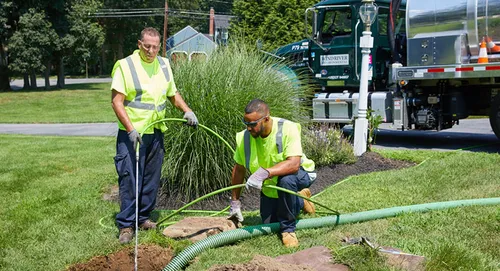
Understanding Gainesville's FOG Control Program
Gainesville's FOG control program is designed to protect the city's wastewater infrastructure. At its core, the program mandates that all food service establishments install and maintain either a grease trap or a grease interceptor on all drains that carry wastewater from food preparation and cleaning activities. These devices are the first line of defense, capturing FOG before it enters the sewer system. The key difference between traps and interceptors often lies in their size and capacity, but both require diligent, scheduled cleaning to function properly.
Non-compliance with these regulations is taken seriously. GRU conducts regular inspections of food service facilities to ensure grease control equipment is properly maintained and that records are in order. Violations, such as illegal dumping, improper cleaning practices like decanting, or failure to maintain required manifests, can result in substantial fines, increased wastewater "strength" charges, and in severe cases, issues with your business license.
Mandatory Maintenance Schedules and Procedures
The frequency and method of cleaning your grease control device are not suggestions-they are codified in GRU's guidelines. Adhering to this schedule is the most important step in maintaining compliance.
- Grease Traps: Typically smaller units located inside a kitchen, these require a minimum of weekly cleaning. This involves the complete removal of all contents-both floating FOG, settled solids, and the liquid effluent-to prevent carryover into the sewer line.
- Grease Interceptors: Larger, often underground units outside the building must be pumped out completely according to a GRU-approved schedule. While frequency is based on the unit's size and your establishment's volume, a common requirement is monthly pumping, with a mandatory minimum of three weeks between complete cleanings to allow the device to function effectively 1.
- The "No Decanting" Rule: A critical procedure rule is the prohibition of "decanting." This is the practice of only skimming off the top layer of grease and returning the remaining wastewater to the interceptor. In Gainesville, complete removal of all contents is required during every service 2.
The Role of Licensed Haulers and Manifests
You cannot clean your commercial grease trap or interceptor yourself. GRU regulations require that servicing be performed by a licensed hauler who is permitted to transport and dispose of grease waste at an approved facility 3 4. This is where manifests become crucial.
A manifest is a legal document that tracks the grease waste from your property to its final disposal point. Your hauler will provide a completed manifest after each service. You are required to keep these manifests on file for a minimum of three years and make them available for GRU inspectors upon request 5. This paper trail is your proof of compliance and is non-negotiable for operating a food service business in the city.
Cost Considerations for Pumping Services
Understanding the costs associated with grease trap maintenance helps in budgeting and highlights the value of regular service. Prices vary based on the size of your unit, its accessibility, and the frequency of service.
- Scheduled Maintenance: For a standard, scheduled pumping service, restaurants in Gainesville can expect costs ranging from $250 to over $400 per service visit. This is a proactive investment in compliance and operational continuity.
- Emergency Service: If a trap overflows or causes a backup, emergency service calls are significantly more expensive. Due to after-hours rates and the urgent nature of the work, costs can easily range from $800 to $1,200 or more 6 7.
- The True Cost of Non-Compliance: When weighing these service costs, consider the alternative: fines from GRU, which can be substantial, and the potential for business interruption due to a sewer backup or a mandated shutdown for non-compliance. Regular maintenance is consistently the most cost-effective path.
Find the perfect grease trap cleaning companies for your needs
Get personalized recommendations and expert advice
Best Practices for Restaurant Owners and Managers
Beyond hiring a reliable service, there are daily practices that can extend the time between pump-outs and keep your system running smoothly.
- Scrape, Don't Rinse: Train kitchen staff to scrape all food scraps and grease from plates, pots, and pans into the trash before rinsing. This significantly reduces the FOG load entering the trap.
- Use Drain Screens: Install and clean drain screens in all sinks to catch solid food particles.
- Avoid Grease-Friendly Chemicals: Do not use emulsifiers or enzymes that claim to "dissolve" grease. These products simply break grease into smaller particles that can pass through your trap and re-coagulate further down the sewer line, causing blockages that you can be held responsible for.
- Conduct Daily/Weekly Checks: Assign a staff member to visually inspect indoor grease traps for FOG buildup and solids. Keep a log of these checks.
- Maintain an Organized File: Keep all service manifests, hauler contact information, and inspection reports in one easily accessible location.
Approved Alternative Methods
GRU's regulations do allow for alternative grease removal methods, such as automatic grease removal devices (AGRD) or on-site treatment systems. However, these require prior written approval from GRU before installation and use. You must provide documentation, often proving the method achieves at least 80% removal efficiency, to gain approval 8 9. Always consult with GRU and a professional plumbing engineer before investing in an alternative system to ensure it meets all local codes.
Finding a GRU-Approved Service Provider
Your first step in achieving compliance is to partner with a qualified hauler. GRU maintains resources and can often provide guidance on permitted waste haulers operating in the area. When selecting a provider, look for companies that are licensed, insured, and familiar with the specific manifest and reporting requirements of Gainesville and Alachua County. A reputable provider will not only perform the pump-out but will also ensure your paperwork is completed correctly, serving as a partner in your compliance efforts.
Frequently asked questions
Sources
Footnotes
-
OIL AND GREASE MANAGEMENT PROGRAM - GRU - https://www.gru.com/Portals/0/Legacy/Pdf/YourBusiness/DoBusinessWithGRU/OilGreaseManual.pdf ↩
-
OIL AND GREASE MANAGEMENT MANUAL - GRU - https://www.gru.com/Portals/0/GreaseManual_Feb2016_withForms%20v2.pdf ↩
-
Grease Waste | Florida Department of Environmental Protection - https://floridadep.gov/waste/permitting-compliance-assistance/content/grease-waste ↩
-
The 2025 Florida Statutes - Online Sunshine - https://www.leg.state.fl.us/Statutes/index.cfm?App_mode=Display_Statute&Search_String=&URL=0400-0499/0403/Sections/0403.0741.html ↩
-
The Ultimate Guide to Restaurant Grease Trap Cleaning - https://mokherplumbing.com/ultimate-guide-restaurant-grease-trap-cleaning/ ↩
-
Ultimate Grease Trap Pumping Cost Guide: Essential Money-Saving ... - https://www.texwaywastewater.com/grease-trap-pumping-cost/ ↩
-
Grease Trap Cleaning Prices | Guide on the Industry Average - https://grease-cycle.com/grease-trap-pumping-cost/ ↩
-
Oil and Grease Management Manual - GRU - https://www.gru.com/Portals/0/2023%20Updates/Oil%20and%20Grease%20Manual.pdf ↩
-
Grease Disposal Regulations in South Florida: Expert Insights - https://www.greaseprosrecycling.com/grease-disposal-regulations-fl/ ↩