Find the Best Grease Trap Cleaning Companies for Your Business
No obligation • Fast responses • Nationwide coverage

Why you can trust Restaurant Waste Disposal
Restaurant Waste Disposal is a leading U.S. resource for comparing restaurant composting, food-waste recycling, grease trap cleaning, and used cooking oil collection services. Our editorial team researches providers, checks credentials, and organizes unbiased information so operators can make informed decisions. Companies cannot pay to change ratings or placement.
Search providers near you
Best Grease Trap Cleaning Companies in Florida Ranked
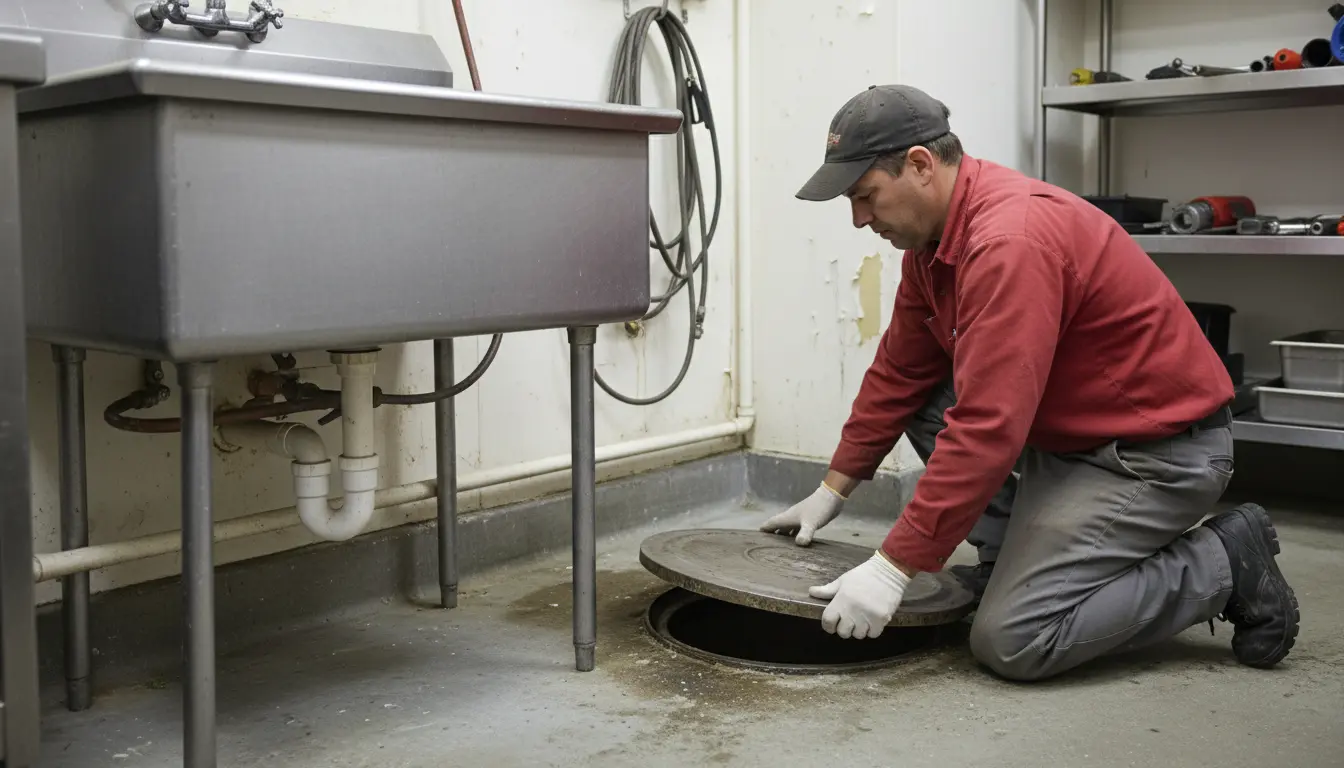
For any restaurant, food service establishment, or commercial kitchen in Florida, proper grease trap and interceptor maintenance is not just a best practice-it's a legal requirement. The state and its many counties and municipalities have established strict regulations to manage fats, oils, and grease (FOG) to protect public sewer systems from costly blockages and environmental damage. Effective grease trap cleaning is the cornerstone of compliance, helping businesses avoid significant fines, operational shutdowns, and emergency repair costs. This guide outlines the essential regulations, best practices, and practical steps for maintaining compliance across the Sunshine State.
Champion Septic Tank - Grease Trap Storm Drain Lift Station
405 E 41st St Unit 1D, Hialeah, FL 33013
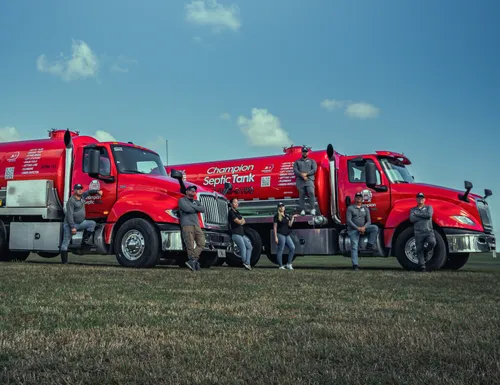
Champion Septic Tank - Grease Trap Storm Drain Lift Station provides comprehensive septic and grease trap services in Miami, FL. Serving residential and commercial clients across Miami-Dade, Broward, and Palm Beach counties, they specialize in grease trap cleaning, septic tank pumping and cleaning, drain field installation and replacement, storm drain cleaning, and lift station pumping. Their licensed team uses advanced equipment such as high-pressure hydro jetting and vacuum trucks to ensure thorough cleaning and maintenance. With over 10 years of experience, Champion Septic Tank offers 24/7 emergency services, including same-day response for urgent septic and grease trap issues, supporting restaurants, commercial kitchens, and homeowners throughout the region.
Champion Septic Tank - Grease Trap Storm Drain Lift Station
4000 Hollywood Blvd suite 555-s, Hollywood, FL 33021
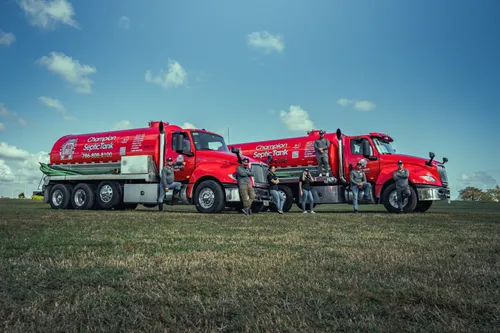
Champion Septic Tank - Grease Trap Storm Drain Lift Station is a licensed and insured septic service provider based in Miami, FL. They offer a wide range of services including septic tank pumping, cleaning, drain field installation and replacement, grease trap cleaning, storm drain maintenance, and lift station pumping. Serving residential and commercial clients across Miami-Dade, Broward, and Palm Beach counties, they specialize in hydrojetting and advanced sewer camera inspections to ensure thorough cleaning and system diagnostics. With over 10 years of experience, Champion Septic Tank is known for its comprehensive septic system care and 24/7 emergency service availability.
Zoom Drain
20815 NE 16th Ave Unit B44, Miami, FL 33179
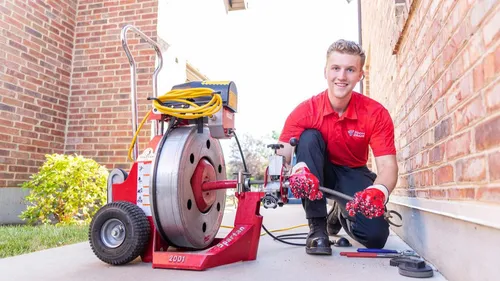
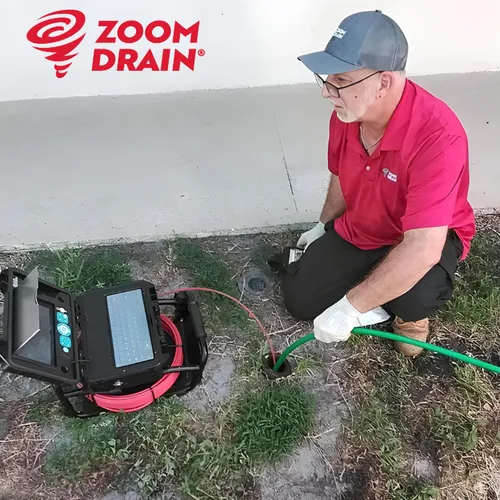
Zoom Drain is a specialist in drain and sewer cleaning, inspection, and repair based in Miami, FL. They serve residential, commercial, and food service clients in Miami and surrounding areas, offering services such as grease trap maintenance and hydro jetting. The company uses advanced tools like video camera inspections and provides tailored maintenance plans for property managers and contractors. Zoom Drain operates 24/7 to address emergency drain and sewer issues promptly.
Zoom Drain
12075 NW 40th St Unit 3, Coral Springs, FL 33065
Zoom Drain is a drain and sewer service provider based in Fort Lauderdale, FL, serving Coral Springs, Boca Raton, and other areas throughout Broward County. They specialize in residential and commercial drain cleaning, sewer inspections, and repairs, including grease trap maintenance for the food and hospitality sector. Using advanced equipment and techniques, Zoom Drain offers focused and efficient solutions to keep wastewater systems running smoothly. The company supports property managers, contractors, and homeowners with tailored maintenance plans and a referral program. Zoom Drain is recognized for its knowledgeable technicians and fast response times.
Miller Septic
5020 Bayline Dr, North Fort Myers, FL 33917
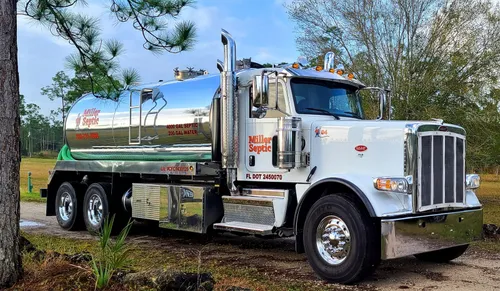
Miller Septic is a certified provider of residential and commercial septic services based in Cape Coral, FL. They serve all of Southwest Florida, including Fort Myers, Lehigh, and Port Charlotte. Their services include pumping, cleaning, inspections, repairs, and installations of septic systems, as well as grease trap pumping and cleaning. They also offer full jetting and line cleaning. Miller Septic provides 24/7 service to accommodate urgent needs.
Understanding Florida's Grease Trap Regulations
Florida's approach to grease management is a two-tiered system involving both state law and local ordinances. At the state level, Florida Statute 403.0741 sets the foundational requirement for documentation. This law mandates that all grease waste haulers must be licensed and must complete a signed manifest for every pumping service. The restaurant must keep a copy of this manifest on-site for at least one year, as it serves as the primary proof of compliance during inspections by health departments or utility authorities.
Local regulations, however, are where the specifics are defined. Counties and cities like Miami-Dade, Pinellas, Lee, and Orange have their own FOG control programs with detailed requirements 1. These local rules typically govern:
- Permitting: Most establishments need a FOG discharge permit from their local water utility or public works department, which may need renewal upon changes in ownership or operation 2.
- Interceptor Standards: Specifications for the type, size, and installation location of grease interceptors.
- Inspections: Local officials can conduct inspections to verify that traps are functioning correctly and that maintenance records are in order.
Failure to adhere to these regulations can result in violations, fines, and in severe cases, a suspension of sewer service until the issue is corrected.
Determining Your Cleaning Frequency and Schedule
One of the most common questions is "How often should my grease trap be cleaned?" The answer varies based on your trap's size, location, and volume of business. Local ordinances often provide the minimum requirement, but the "25% rule" is a widely accepted industry standard for determining when cleaning is necessary: a trap should be serviced when the combined FOG and solid waste layer reaches 25% of the unit's liquid depth 3 4.
Here are typical cleaning frequencies based on common scenarios in Florida:
- High-Volume Restaurants: Establishments with heavy cooking, such as diners or fried food concepts, may require service as often as every 30 days.
- Standard Commercial Kitchens: For most full-service restaurants, a cleaning schedule of every 60 to 90 days is common, provided staff follow best practices for waste disposal.
- Under-Sink Grease Traps (Grease Interceptors): These smaller units, often found in prep or dishwashing areas, fill up quickly and typically need monthly cleaning.
- Local Mandates: Always check your local code. For example, some Florida jurisdictions mandate cleaning at specific intervals (e.g., quarterly) or when the grease layer exceeds 6 inches.
The most reliable method is to have your licensed service provider assess your specific situation and recommend a schedule. They can also help you log volumes and dates to predict future service needs accurately.
The Cost of Grease Trap Maintenance in Florida
The cost for professional grease trap pumping and cleaning in Florida is not fixed and depends on several factors. These include the size and type of your trap (indoor vs. large outdoor interceptor), its accessibility, your geographic location within the state, and how much waste is collected.
As a general estimate:
- Small Indoor Grease Traps: Regular service for under-sink or in-floor interceptors can range from approximately $115 to $475 per service.
- Large Outdoor Grease Interceptors: Servicing these substantial concrete or plastic tanks is more involved, with costs typically ranging from $325 to over $1,040 per cleaning 5 6.
- Annual Maintenance Cost: When you factor in a required cleaning every 1-3 months, the total annual cost for a single location can easily amount to several hundred to a few thousand dollars.
While this is a necessary operational expense, it is far more economical than the alternative. Neglect can lead to sewer backups, foul odors, and fines that dwarf a year's worth of routine maintenance. Furthermore, many service providers offer recycling services for used cooking oil, which can offset a portion of your cleaning costs.
Find the perfect grease trap cleaning companies for your needs
Get personalized recommendations and expert advice
Best Practices for Proactive FOG Management
Routine professional cleaning is essential, but what happens in your kitchen between service visits is equally important. Proactive internal management reduces the load on your grease trap, extends time between necessary pumpings, and ensures smoother operations.
1. Comprehensive Staff Training: Every team member should understand what goes-and what doesn't-down the drain. Implement a "scrape, wipe, then wash" policy for dishes. Food scraps should go into compost or trash bins, not the sink. Encourage wiping pots, pans, and griddles with a paper towel before washing. 2. Maintain Detailed Records: Keep a dedicated logbook or digital file for all grease-related services. File every pump-out manifest immediately. This organized record-keeping is your first line of defense during an inspection 7 8. 3. Schedule Regular Inspections: Don't wait for an official inspection. Periodically check your grease trap yourself for signs of overfilling, slow drainage, or unpleasant odors. These are early warnings that service may be needed sooner than scheduled. 4. Partner with a Reputable, Licensed Provider: Always verify that your grease hauler is licensed in Florida and familiar with the specific ordinances in your city or county. A reputable provider will not only pump the trap but also offer advice, proper documentation, and may handle the manifest submission to local authorities on your behalf 9.
Navigating Inspections and Compliance Documentation
When an inspector from the health department or local water utility arrives, being prepared is key. Their primary goal is to verify that your establishment is not contributing FOG to the public sewer system. Your preparedness demonstrates responsible management.
You should be ready to present:
- Current FOG Discharge Permit: If required by your locality.
- Service Manifests: Copies of the signed pump-out manifests for the past 12 months, showing consistent, legal disposal by a licensed hauler 10 11.
- Service Logs: Your internal record of cleaning dates, volumes pumped, and any observations.
- Access to the Grease Trap: The inspector will likely want to see the trap itself to ensure it is properly installed and not in a state of failure.
Having these documents organized and readily available can turn a routine inspection into a quick, painless process and help you avoid compliance violations.
Consequences of Non-Compliance
Ignoring grease trap maintenance carries serious risks that can impact your business's finances and reputation.
- Fines and Penalties: Municipalities can levy significant fines for each violation, and these can accumulate for every day a problem is not corrected.
- Sewer Backups and Operational Disruption: A clogged sewer line can lead to backups in your own kitchen or dining area, forcing you to close temporarily for expensive emergency plumbing repairs.
- Sewer Service Suspension: In persistent cases, the local utility can disconnect your establishment from the public sewer system until the issue is resolved and all fines are paid, effectively shutting down your business 12.
- Environmental Surcharges: Some utilities impose additional fees on businesses that exceed certain FOG concentration limits in their wastewater.
Investing in consistent, documented grease trap cleaning is a small price to pay for operational peace of mind and regulatory compliance.
Frequently asked questions
Sources
Footnotes
-
Non-Residential Grease Management | Apopka, FL - https://www.apopka.gov/714/Non-Residential-Grease-Management ↩
-
OIL AND GREASE MANAGEMENT MANUAL - GRU - https://www.gru.com/Portals/0/1.%20GreaseManual_Feb2016_withForms.pdf ↩
-
Grease Trap Cleaning Guide: 25% Rule, Schedule & Compliance - https://greaseconnections.com/how-to-clean-a-grease-trap-and-how-often-you-should/ ↩
-
Grease Trap Maintenance: Essential Guide for Tampa Bay ... - https://llonaplumbing.com/blog/grease-trap-maintenance-essential-guide-for-tampa-bay-restaurants/ ↩
-
Florida Grease Trap Regulations Concern Commercial ... - https://replaceyourgarbagedisposal.com/grease-trap/florida-grease-trap-regulations-concern-commercial-kitchen-owners/ ↩
-
Grease Trap Pumping Cost vs. Grease Trap Maintenance Cost - https://www.stateindustrial.com/video/cost-comparison-pumping-v-chemicals-to-maintain-a-grease-trap/ ↩
-
Grease Disposal Regulations in South Florida: Expert Insights - https://www.greaseprosrecycling.com/grease-disposal-regulations-fl/ ↩
-
Orlando Grease Trap Maintenance Guide - Shyft - https://www.myshyft.com/blog/grease-trap-cleaning-orlando-florida/ ↩
-
Restaurant Grease Recycling Florida: Best Practices & Compliance - https://www.greaseprosrecycling.com/restaurant-grease-recycling-florida/ ↩
-
F.O.G. Program (Fats, Oils, Grease) - Lee County Southwest Florida - https://www.leegov.com/utilities/customer-resource-center/fog-program ↩
-
The 2025 Florida Statutes - Online Sunshine - https://www.leg.state.fl.us/Statutes/index.cfm?App_mode=Display_Statute&Search_String=&URL=0400-0499/0403/Sections/0403.0741.html ↩
-
Commercial Grease Management - Pinellas County - https://pinellas.gov/programs/commercial-grease-management/ ↩