
Find the Best Grease Trap Cleaning Companies for Your Business
No obligation • Fast responses • Nationwide coverage

Why you can trust Restaurant Waste Disposal
Restaurant Waste Disposal is a leading U.S. resource for comparing restaurant composting, food-waste recycling, grease trap cleaning, and used cooking oil collection services. Our editorial team researches providers, checks credentials, and organizes unbiased information so operators can make informed decisions. Companies cannot pay to change ratings or placement.
Search providers near you
Top Grease Trap Cleaning Companies in Cape Coral, Florida Ranked
For every restaurant, café, and food service establishment in Cape Coral, maintaining a grease trap or interceptor isn't just a matter of kitchen hygiene-it's a strict legal requirement. The city, operating under Lee County and Florida state regulations, mandates that these devices be cleaned and serviced on a specific schedule by licensed professionals. Failure to comply can lead to significant fines, operational shutdowns, and costly emergency repairs. This guide outlines the essential rules, best practices, and cost considerations for effective grease management in Cape Coral, helping you protect your business, your plumbing, and the local sewer system.
Proper grease interceptor maintenance is a critical component of Cape Coral's Fats, Oils, and Grease (F.O.G.) program, designed to prevent sewer blockages and environmental damage1. The core rule is the "25% rule": traps must be pumped when floating grease or settled solids reach 25% of the liquid depth of the trap. For very small traps under 50 gallons, weekly cleaning is often required. All servicing must be performed by a licensed hauler who will provide a detailed waste manifest for your records 1. This documentation is your first line of defense during a city inspection, proving your compliance with local ordinances.
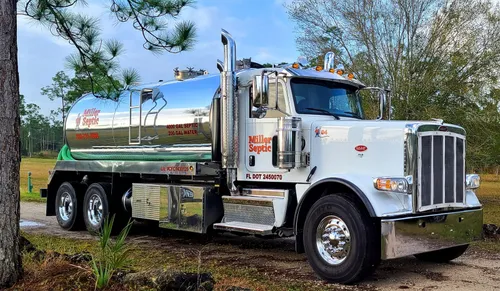
Miller Septic
5020 Bayline Dr, North Fort Myers, FL 33917
Miller Septic is a certified provider of residential and commercial septic services based in Cape Coral, FL. They serve all of Southwest Florida, including Fort Myers, Lehigh, and Port Charlotte. Their services include pumping, cleaning, inspections, repairs, and installations of septic systems, as well as grease trap pumping and cleaning. They also offer full jetting and line cleaning. Miller Septic provides 24/7 service to accommodate urgent needs.
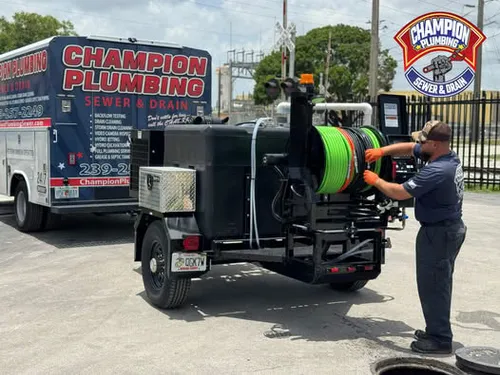
Champion Plumbing Sewer & Drain LLC
931 NE 7th St Suite B, Cape Coral, FL 33909
Champion Plumbing Sewer & Drain LLC is a veteran and family-owned plumbing company based in Cape Coral, FL, serving Lee, Charlotte, Collier, Hendry, and Sarasota counties. They provide a wide range of services including general plumbing, grease trap cleaning, hydro jetting, video inspections, septic tank maintenance, backflow testing, lift station services, stormwater management, sewer and drain cleaning, and hydro excavation. With over 50 years of combined experience, their licensed plumbers use advanced tools like high-resolution cameras and hydro jetting equipment to diagnose and address plumbing issues effectively. Champion Plumbing Sewer & Drain offers 24/7 availability for emergencies, ensuring prompt response at any time.
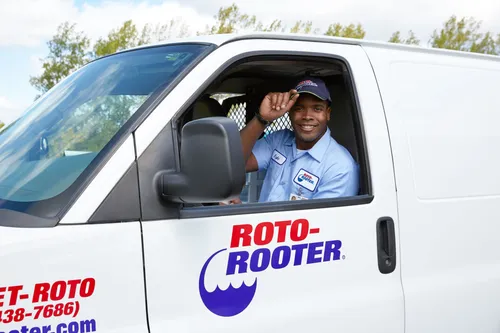
Roto-Rooter Plumbing & Drain Services
268 Professional Pl, North Fort Myers, FL 33903
Roto-Rooter Plumbing & Drain Services provides comprehensive plumbing solutions in Cape Coral, FL, and surrounding areas. They serve both residential and commercial clients with a wide range of services including grease trap cleaning, sewer and drain cleaning, water heater repair and installation, and emergency flood and water damage cleanup. Their commercial capabilities include high-pressure water jetting (hydro-jetting) and grease trap maintenance, supporting businesses such as restaurants and industrial facilities. With 24/7 emergency availability, Roto-Rooter addresses urgent plumbing issues like burst pipes and sewer backups promptly. The company is fully licensed and insured, offering advanced inspection and trenchless sewer repair technologies to minimize disruption.
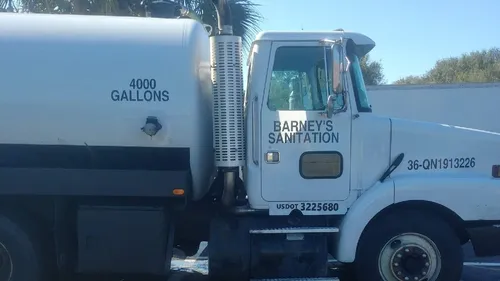
Barney's Sanitation LLC.
Cape Coral, FL
Barney's Sanitation LLC. provides grease trap cleaning services in Cape Coral, FL. The company handles routine maintenance and emergency situations related to septic systems and grease traps. Customers have noted helpful advice provided during after-hours calls to manage issues until regular service is available.
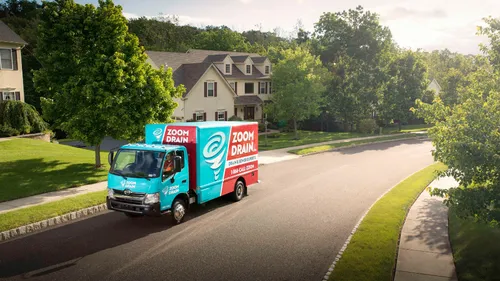
Zoom Drain Southwest Florida
17030 Alico Commerce Ct #313, Fort Myers, FL 33967
Zoom Drain Southwest Florida is a drain and sewer service provider based in Cape Coral, FL. They offer residential and commercial drain cleaning, sewer repair, and maintenance services throughout Southwest Florida, including Fort Myers and surrounding areas. The company specializes in grease trap maintenance and uses advanced tools to address complex sewer and drain issues. Backed by over 20 years of experience and a national brand, Zoom Drain serves property managers, contractors, and homeowners with tailored solutions. Their team includes certified technicians trained to handle a range of plumbing needs, and they provide routine maintenance plans and a contractor referral program.
Understanding Cape Coral and Lee County Grease Trap Regulations
Cape Coral's regulations are enforced in conjunction with Lee County's Utilities Department and the Florida Department of Environmental Protection (DEP). The rules stem from the Florida Building Code and local ordinances, which require all food service establishments to have a properly sized and permitted grease interceptor 2.
- Permitting: Before operating, your establishment must have the necessary permits from the Cape Coral Building Department and Utilities Department.
- The 25% Rule: This is the universal standard for determining when cleaning is needed. Allowing grease or solids to exceed one-quarter of the trap's depth is a violation.
- Licensed Haulers Only: You cannot clean the trap yourself and dispose of the waste. Grease waste must be transported by a DEP-licensed hauler to an approved disposal facility 3.
- Manifest Documentation: For every service, your hauler must provide a manifest detailing the waste volume, hauler information, and disposal location. You are required to keep these manifests on-site for a minimum of three years.
The Inspection Process and Consequences of Non-Compliance
Cape Coral employs a self-monitoring system backed by routine inspections. Your maintenance manifests are your compliance record. Inspectors from the city's Utilities or Building Departments can request these logs at any time to verify you are adhering to the 25% rule and using licensed services 4.
Failure to maintain proper records or evidence of an overfull trap can trigger enforcement actions:
- Fines: Initial fines for violations can start around $250 or more.
- Operational Shutdown: In severe cases, particularly for repeat violations or major blockages, the city can issue a stop-work order, halting your business operations until the issue is resolved and fines are paid.
- DEP Action: The hauler and disposal facility are also under DEP oversight, ensuring the entire waste chain is properly managed.
Cost of Grease Trap Service in Cape Coral
Investing in regular, preventative maintenance is always more cost-effective than reacting to a problem. Service costs vary based on the size and location of your trap (indoor vs. outdoor), its current condition, and the frequency of service.
- Preventative Maintenance Pumping: For a regularly serviced trap, a standard pumping service in Cape Coral typically ranges from $250 to $400+ per service. This is the predictable, budgetable cost of compliance.
- High-Volume or Large Interceptors: Busy kitchens or larger outdoor interceptors will require more frequent service and may cost more per pump, often ranging from $325 to over $1,000 depending on size and accessibility5 6.
- Emergency Service & Neglect: This is where costs skyrocket. If a trap is severely neglected and causes a backup or fails an inspection, emergency service can cost between $800 and $1,200 or more7 8. The combined cost of emergency pumping, potential fines, and lost business makes preventative care a clear financial imperative.
Find the perfect grease trap cleaning companies for your needs
Get personalized recommendations and expert advice
Developing a Proactive Grease Management Plan
A reactive approach to grease trap cleaning is a risk to your bottom line and operational continuity. A proactive plan involves:
- Schedule Regular Service: Partner with a licensed hauler to establish a pumping schedule based on your volume. Many providers offer recurring service plans.
- Keep Impeccable Records: File every service manifest immediately. Create a dedicated logbook or digital folder. This organized record-keeping is your best defense during an inspection.
- Train Kitchen Staff: Educate your team on best practices for minimizing grease going down the drain, such as scraping plates and using sink baskets. This extends the time between necessary pumpings.
- Know Your Equipment: Understand the type, size, and location of your interceptor. An outdoor in-ground interceptor has different maintenance needs than an under-sink grease trap.
The Environmental and Community Impact
Beyond compliance, effective grease management is a community responsibility. Fats, oils, and grease that escape into the sewer system cool, harden, and cause blockages in both private property lines and public sewer mains. These blockages can lead to:
- Sanitary Sewer Overflows (SSOs): Raw sewage backing up into streets, parks, and local waterways like the Caloosahatchee River.
- Environmental Damage: SSOs harm aquatic life and pollute local ecosystems.
- Increased Utility Costs: City-wide, cleaning and repairing grease-related blockages increases operational costs for municipal utilities, which can impact rates.
By maintaining your grease trap, you're directly contributing to Cape Coral's environmental health and infrastructure efficiency.
Frequently asked questions
Sources
Footnotes
-
F.O.G. Program (Fats, Oils, Grease) - https://www.leegov.com/utilities/customer-resource-center/fog-program ↩ ↩2
-
ordinance no. 14-24 - Lee County Southwest Florida - https://www.leegov.com/bocc/Ordinances/14-24.pdf ↩
-
The 2025 Florida Statutes - Online Sunshine - https://www.leg.state.fl.us/Statutes/index.cfm?App_mode=Display_Statute&Search_String=&URL=0400-0499/0403/Sections/0403.0741.html ↩
-
Grease Waste | Florida Department of Environmental Protection - https://floridadep.gov/waste/permitting-compliance-assistance/content/grease-waste ↩
-
The Ultimate Guide to Restaurant Grease Trap Cleaning - https://mokherplumbing.com/ultimate-guide-restaurant-grease-trap-cleaning/ ↩
-
Grease Trap Pumping Cost vs. Grease Trap Maintenance Cost - https://www.stateindustrial.com/video/cost-comparison-pumping-v-chemicals-to-maintain-a-grease-trap/ ↩
-
Essential Grease Trap Maintenance For Cape Coral Facilities - https://www.myshyft.com/blog/grease-trap-cleaning-cape-coral-florida/ ↩
-
Ultimate Grease Trap Pumping Cost Guide: Essential Money-Saving ... - https://www.texwaywastewater.com/grease-trap-pumping-cost/ ↩