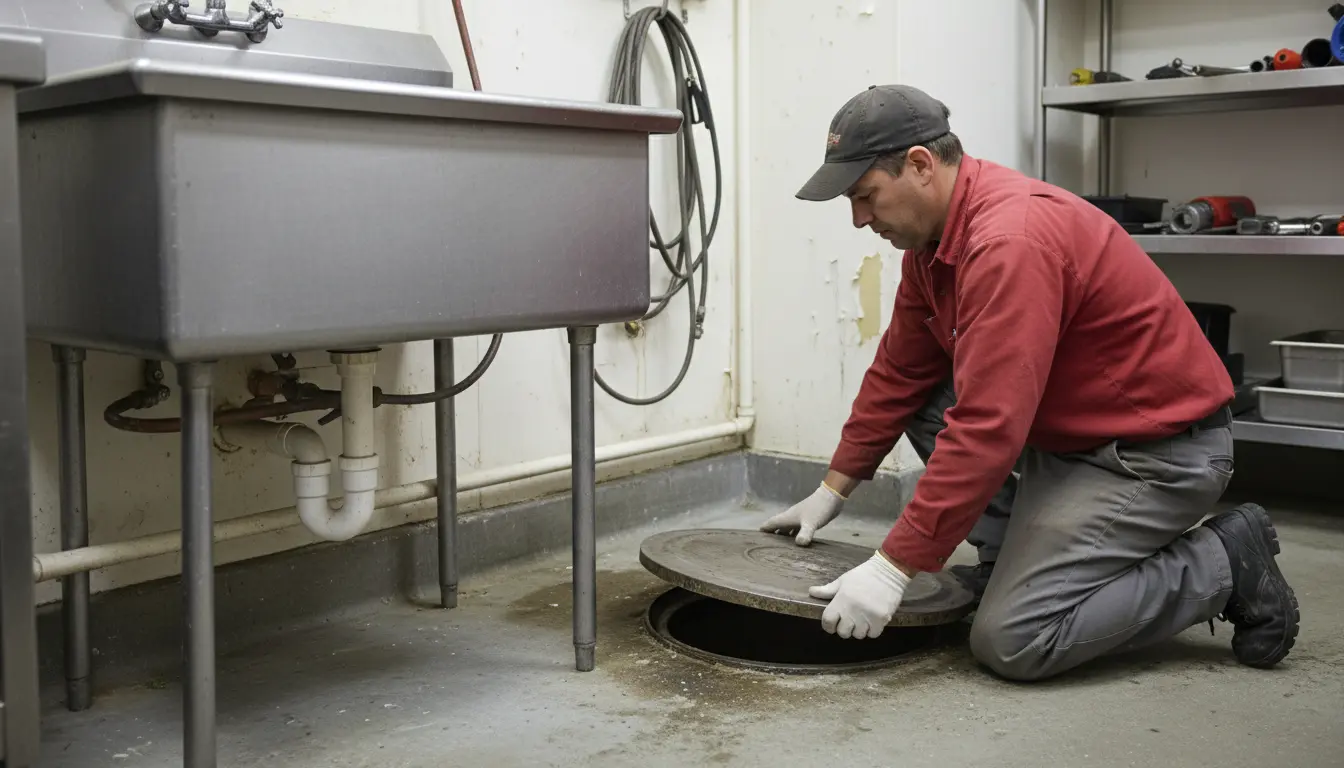
Find the Best Grease Trap Cleaning Companies for Your Business
No obligation • Fast responses • Nationwide coverage

Why you can trust Restaurant Waste Disposal
Restaurant Waste Disposal is a leading U.S. resource for comparing restaurant composting, food-waste recycling, grease trap cleaning, and used cooking oil collection services. Our editorial team researches providers, checks credentials, and organizes unbiased information so operators can make informed decisions. Companies cannot pay to change ratings or placement.
Search providers near you
Top Grease Trap Cleaning Companies in Tallahassee, Florida Ranked
For restaurant owners and food service operators in Tallahassee, proper grease trap and interceptor maintenance is not just a best practice-it's a strict legal requirement. Florida state law and local Leon County codes mandate regular pumping, detailed record-keeping, and the use of licensed haulers to prevent fats, oils, and grease (FOG) from entering the municipal sewer system. Non-compliance can lead to severe fines, operational shutdowns, and costly damage to your plumbing and the city's infrastructure. This guide outlines the essential regulations, costs, and maintenance strategies to keep your Tallahassee establishment compliant and running smoothly.
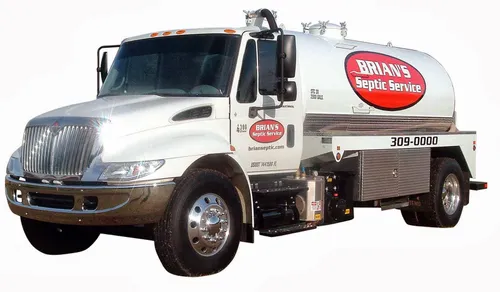
Brian's Septic Service
4973 Capital Cir SE, Tallahassee, FL 32311
Brian's Septic Service provides a range of septic system services in Tallahassee, FL, including septic tank cleaning, drainfield repair, new septic tank installations, and grease trap cleaning. They also offer inspections, soil testing, site evaluations, and permit assistance to support residential and commercial septic needs. The company uses modern equipment to ensure proper installation and maintenance of septic systems. Brian's Septic Service has been recognized with the 2023 Angie's Super Service Award for its consistent customer service quality.
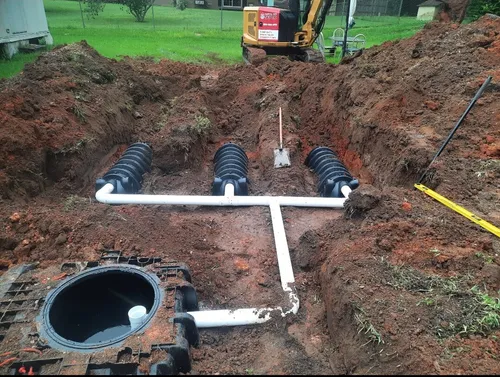
Capital City Septic Services
706 Flagg St, Tallahassee, FL 32305
Capital City Septic Services is a grease trap cleaning company based in Tallahassee, FL. They provide grease trap cleaning and septic pump out services for commercial and residential clients in the area. The company handles non-emergency service calls and supports facility maintenance needs.
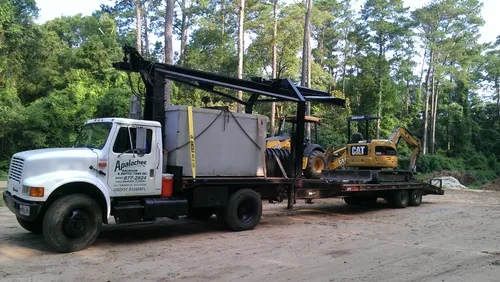
Apalachee Backhoe & Septic Tank, LLC
4104 Apalachee Pkwy, Tallahassee, FL 32311
Apalachee Backhoe & Septic Tank, LLC provides septic system installation, inspection, maintenance, and repair services in Tallahassee, FL. They serve residential and commercial properties in Tallahassee and surrounding areas including Crawfordville, Quincy, and Monticello. The company offers specialized services such as grease trap cleaning and installation, septic system design, permitting assistance, and odor control. Established in 1968, Apalachee Backhoe & Septic Tank has over 50 years of experience in septic system care and offers financing options for septic projects. They provide customized solutions and quick response times for septic issues.

Miller Septic Services
Tallahassee, FL
Miller Septic Services is based in Tallahassee, FL, offering a range of septic system services including grease trap cleaning, septic tank installation, inspections, and drainfield repair. They serve both residential and commercial clients, providing maintenance recommendations and permit assistance. The company uses up-to-date equipment for septic tank setups and offers alternative repair methods for failing drainfields. Their services also include real estate inspections and greywater system installations to reduce pressure on sewage treatment systems.
Understanding Florida and Tallahassee Grease Trap Regulations
Navigating the regulatory landscape is the first step to compliance. In Florida, grease trap servicing is governed by a combination of state statutes and local ordinances enforced by the Florida Department of Environmental Protection (FDEP) and local wastewater authorities.
Mandatory Devices: Any food service establishment in Tallahassee that uses equipment for food preparation and cleaning (like dishwashers, sinks, and floor drains) is required to have a properly sized and permitted grease interceptor or grease trap. These devices are critical for capturing FOG before wastewater leaves your property 1.
The 90-Day Rule & Pumping Frequency: A cornerstone of Florida's regulation is the requirement to have grease interceptors pumped and cleaned at a minimum of every 90 days2. However, this is a minimum standard. The law specifically requires cleaning when the combined FOG and solids accumulate to 25% of the interceptor's volume. For smaller under-sink grease traps, this often means a much more frequent service schedule, potentially monthly, depending on your kitchen's volume 3.
Key Legal Requirements for Service Providers and Documentation
You cannot have just any maintenance company handle your grease waste. The state has specific rules to ensure proper disposal and prevent environmental contamination.
Licensed Haulers Only: All grease trap waste in Florida must be pumped, transported, and disposed of by a hauler licensed by the FDEP. It is the restaurant's responsibility to verify this license. Using an unlicensed service can result in violations for your business.
The "Pump and Return" Ban (SB 1110): A critical state law, often referenced as SB 1110, explicitly prohibits the illegal practice of "pump and return." This is when a service provider merely pumps out the interceptor contents and immediately returns the liquid portion back into the trap, leaving the concentrated solids behind. This does not constitute proper cleaning and is illegal 4. Legitimate service must transport all waste to an FDEP-approved disposal or recycling facility.
Manifest and Record-Keeping: After each service, your licensed hauler must provide you with a detailed manifest or receipt. This document is your proof of legal disposal. Florida law requires restaurants to maintain these service records on-site for a minimum of three years. Inspectors will ask to see them.
Inspection and Enforcement: What to Expect in Tallahassee
Compliance is actively monitored. Inspections are conducted by officials from the City of Tallahassee's water/wastewater department and can also involve the FDEP.
Inspection Triggers: Inspections can be periodic and routine, or they may be triggered by a lack of available service records, sewer line blockages, or complaints. Keeping your manifests organized and easily accessible is crucial.
Consequences of Non-Compliance: Violations can be costly. Penalties start with significant fines and can escalate to include the revocation of your operating license, a court order to immediately clean your system, and even legal action for illegal dumping or repeated offenses 5. The financial and reputational damage far exceeds the cost of regular maintenance.
Find the perfect grease trap cleaning companies for your needs
Get personalized recommendations and expert advice
Cost of Grease Trap Pumping and Maintenance in Tallahassee
Budgeting for grease interceptor maintenance is a necessary operational cost. Prices are not fixed and depend on several factors specific to your establishment.
Service Cost Variables: The primary cost is per pumping service. In the Tallahassee area, a standard service for a typical commercial interceptor can range from $250 to $400 or more per visit6. The final price depends on:
- Trap Size and Type: Larger in-ground interceptors cost more to pump than smaller under-sink units.
- Accessibility: Easy, above-ground access is cheaper. Digging up or navigating difficult locations adds labor costs.
- Amount of Waste: Heavily impacted traps require more labor and disposal fees.
Annual and Additional Costs: For a restaurant adhering to the 90-day schedule, annual pumping costs can easily reach $1,000 to $2,000 or more7. Some municipalities also add a monthly grease control program or assessment fee directly to your commercial water bill, so it's important to review your utility statements8.
Proactive Maintenance and Best Practices for Restaurant Owners
Scheduled maintenance is always more affordable than emergency service calls and fines. A proactive approach extends the life of your equipment and ensures compliance.
Daily and Weekly Kitchen Practices: The first line of defense is in your kitchen. Train all staff to never pour grease down sinks and to scrape food scraps into trash or compost bins, not the dishwasher 9. Consider installing drain screens to catch solids.
Monthly Visual Inspections: Designate a manager to perform a monthly visual check of accessible grease traps. Look for signs of blockages, slow drainage, or foul odors, which indicate the need for service before the scheduled date10.
Establish a Reliable Service Partnership: Don't wait for an emergency. Partner with a reputable, FDEP-licensed grease trap cleaning company in Tallahassee and set up a recurring service schedule based on your specific needs, which may be more frequent than the 90-day minimum. A good provider will help you track manifests and alert you to potential issues.
Understand Your System: Know the location, size, and cleaning history of your interceptors. Keep a simple log alongside your service manifests. This organized record demonstrates due diligence during an inspection and helps you plan for capital expenses, like eventual trap replacement.
The Environmental and Community Impact
Proper grease trap management in Tallahassee has a direct positive impact beyond your restaurant's walls. When FOG enters sewer lines, it cools and solidifies, combining with other debris to form massive "fatbergs" that cause sewage backups. These backups can lead to:
- Sanitary Sewer Overflows (SSOs): Raw sewage can spill into streets, parks, and local waterways like Lake Jackson or the Ochlockonee River.
- Increased Utility Costs: The City of Tallahassee spends significant public funds on cleaning blocked sewers and repairing damaged infrastructure, costs that can translate to higher rates for all customers.
- Environmental Harm: Sewage overflows contaminate ecosystems, harm wildlife, and degrade Florida's natural beauty.
By maintaining your grease trap, you are directly contributing to the health of Tallahassee's environment and the efficiency of its public utilities.
Frequently asked questions
Sources
Footnotes
-
Section 1003 - Interceptors and Separators | Wildwood Florida - https://www.wildwood-fl.gov/waste-water/page/section-1003-interceptors-and-separators ↩
-
Grease Waste | Florida Department of Environmental Protection - https://floridadep.gov/waste/permitting-compliance-assistance/content/grease-waste ↩
-
30-203. Food service establishments: grease traps and ... - Lee County - http://leecounty-fl.elaws.us/code/coor_ch30_artxiii_sec30-203 ↩
-
Florida Restaurants Now Facing Stronger Regulations For Grease ... - https://www.tampa.gov/news/florida-restaurants-now-facing-stronger-regulations-grease-disposal-102321 ↩
-
The 2025 Florida Statutes - Online Sunshine - https://www.leg.state.fl.us/Statutes/index.cfm?App_mode=Display_Statute&Search_String=&URL=0400-0499/0403/Sections/0403.0741.html ↩
-
Florida Grease Trap Regulations Concern Commercial ... - https://replaceyourgarbagedisposal.com/grease-trap/florida-grease-trap-regulations-concern-commercial-kitchen-owners/ ↩
-
Ultimate Grease Trap Pumping Cost Guide: Essential Money-Saving ... - https://www.texwaywastewater.com/grease-trap-pumping-cost/ ↩
-
Florida Grease Compliance | 90-Day Rule & County Fees - https://greaseconnections.com/resources/compliance/fl/ ↩
-
The Ultimate Guide to Restaurant Grease Trap Cleaning - https://mokherplumbing.com/ultimate-guide-restaurant-grease-trap-cleaning/ ↩
-
Grease Trap Maintenance: Essential Guide for Tampa Bay ... - https://llonaplumbing.com/blog/grease-trap-maintenance-essential-guide-for-tampa-bay-restaurants/ ↩