Find the Best Grease Trap Cleaning Companies for Your Business
No obligation • Fast responses • Nationwide coverage

Why you can trust Restaurant Waste Disposal
Restaurant Waste Disposal is a leading U.S. resource for comparing restaurant composting, food-waste recycling, grease trap cleaning, and used cooking oil collection services. Our editorial team researches providers, checks credentials, and organizes unbiased information so operators can make informed decisions. Companies cannot pay to change ratings or placement.
Search providers near you
Top Grease Trap Cleaning Companies in Orlando, Florida Ranked
For any food service establishment in Orlando, from bustling downtown restaurants to theme park eateries, managing fats, oils, and grease (FOG) is a critical operational and legal requirement. Effective grease trap and interceptor maintenance is not just about preventing clogs; it's a mandated component of local wastewater pretreatment programs designed to protect the city's sewer infrastructure. Orlando and Orange County enforce specific, non-negotiable schedules for pumping, inspection, and record-keeping. Non-compliance can lead to significant fines, operational disruptions, and even the revocation of business licenses. This guide outlines the essential regulations, best practices, and cost considerations for maintaining compliance and ensuring your kitchen runs smoothly.
Lapin Services
3031 40th St, Orlando, FL 32839
Lapin Services is a licensed and insured company based in Orlando, FL, offering septic, plumbing, and sewer services. They serve a wide area across Central Florida, including Orlando and many surrounding communities. Their capabilities include grease trap cleaning, vactor sewer cleaning, lift station inspections, and wastewater treatment plant cleaning. The company employs trained technicians and uses specialized equipment to handle these services.
Bud's Septic Service
1518 Park Commerce Ct, St Cloud, FL 34769
Bud's Septic Service has been serving Osceola County, including Kissimmee, FL, since 1981. The company offers septic installation, septic service, grease trap cleaning and pumping, and drain field installation. Known for understanding client needs, Bud's provides clear explanations of septic system operations and timely pump replacements. Their team is recognized for handling urgent septic issues effectively.
Roto-Rooter Plumbing & Water Cleanup
1404 Gemini Blvd, Orlando, FL 32837
Roto-Rooter Plumbing & Water Cleanup provides a wide range of plumbing and water cleanup services in Orlando, FL, serving both residential and commercial customers. Their offerings include sewer and drain cleaning, grease trap pumping and cleaning, water heater repair and installation, floodwater cleanup, mold remediation, and emergency plumbing services. The company is equipped with advanced tools such as hydro-jetting equipment for thorough drain cleaning and offers 24/7 emergency service to address urgent plumbing issues. Roto-Rooter serves multiple communities in and around Orlando, including areas in Orange, Seminole, Brevard, and Osceola counties.
Flush and Go Drain & Septic Cleaning LLC
3940 Moores Station Rd, Sanford, FL 32773
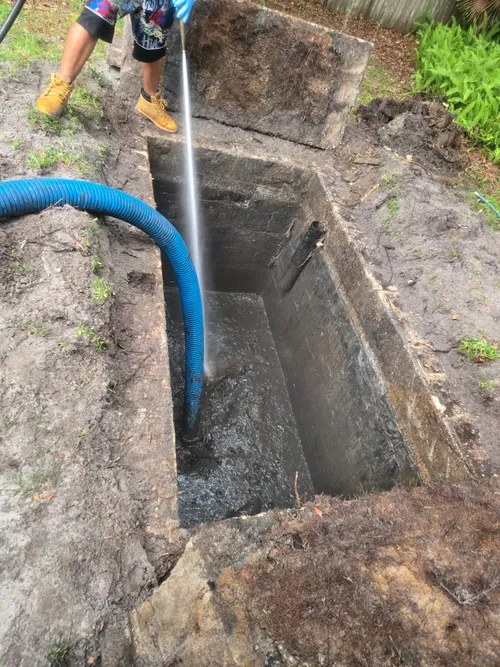
Flush and Go Drain & Septic Cleaning LLC is a septic and grease trap cleaning company serving Orlando, FL. They offer septic tank services, drain field installation, grease trap cleaning, and plumbing solutions, including line video inspections to diagnose pipe issues without excavation. With over 20 years of experience, the company provides emergency and 24/7 services to address urgent septic and drain problems promptly.
Above All Environmental Inc
Orlando, FL
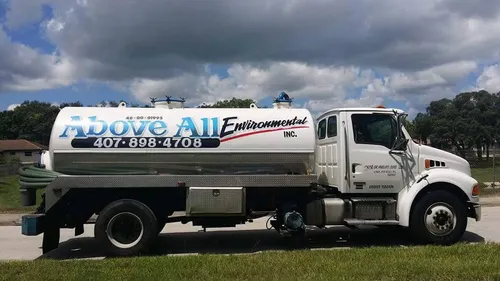
Above All Environmental Inc is a licensed and insured company based in Orlando, FL, specializing in septic tank maintenance and grease trap pumping. With over 15 years of experience, they provide a range of services including septic tank pump outs, drain field and lift station cleaning, pump repair, and stormwater management. Their skilled team handles both routine maintenance and emergency repairs, aiming to support long-term customer relationships.
Understanding Local Grease Trap Regulations
Orlando food service facilities operate under a dual regulatory framework involving both the City of Orlando and Orange County Government, with overarching oversight from the Florida Department of Environmental Protection (FDEP). The primary goal of these regulations is to prevent FOG from entering the public sewer system, where it can cool, solidify, and cause severe blockages leading to sanitary sewer overflows (SSOs).
The cornerstone of local code is the mandatory pumping frequency. Establishments are required to have their grease interceptors pumped at a minimum of every 90 days 1. However, this is a minimum standard. High-volume kitchens, such as those in popular tourist areas, often require more frequent service. The determining factor is the "25% rule," which states that cleaning must occur when the combined volume of FOG and settled solids reaches 25% of the trap's liquid capacity 2. This is why weekly inspections are not just recommended-they are legally required.
Mandatory Inspection and Record-Keeping Protocols
Beyond pumping, Orlando and Orange County mandate a proactive inspection schedule. A qualified professional must inspect your grease trap weekly to remove any excessive accumulation of FOG and solids 3 4. This regular attention prevents the trap from exceeding the 25% threshold between pumpings and ensures it operates efficiently.
Perhaps the most critical aspect of compliance is documentation. The law requires facilities to maintain detailed service manifests for a minimum of three years. These manifests are your proof of compliance and must include:
- The name and license number of the servicing hauler.
- The date of pumping and/or inspection.
- The volume of waste removed.
- The disposal location (a permitted facility).
- Signatures from both the hauler and a facility representative.
During inspections, city or county officials will request these records. Failure to produce them can result in penalties just as severe as having an overfull trap.
The Role of Licensed Grease Haulers
You cannot have just any service provider maintain your grease trap. In Florida, waste haulers must be licensed by the FDEP to transport grease waste. Using an unlicensed hauler is a violation and leaves you without a valid, official manifest for your records.
Licensed haulers are trained in proper procedures and are required to dispose of the collected FOG at permitted treatment or recycling facilities, such as rendering plants or anaerobic digesters. This closed-loop system ensures the waste is handled responsibly and not illegally dumped, which contributes to environmental protection. Always verify a provider's licensing before engaging their services.
Service Types and Associated Costs
Understanding the different levels of service helps in budgeting and planning. Costs in the Orlando area can vary based on trap size, location, accessibility, and the service frequency.
- Routine Pumping & Cleaning: For a standard underground grease interceptor, the average cost for a routine pump-out ranges from $250 to $400 per service 5 6. This service includes removing the contents, cleaning the interior, and leaving the trap empty and ready for use.
- Under-Sink Grease Trap Maintenance: Smaller under-sink or indoor grease traps, common in many kitchens, fill up much faster due to their limited capacity. These often require monthly cleaning, with costs typically ranging from $200 to $300 per month depending on the agreement 7 8.
- Emergency Service: Neglecting regular maintenance almost guarantees an emergency. A severely clogged trap or interceptor can back up, halting kitchen operations. Emergency pump-outs and repairs are significantly more expensive, often costing between $800 and $1,200 or more, not including potential fines for violations 9.
Find the perfect grease trap cleaning companies for your needs
Get personalized recommendations and expert advice
Best Practices for Proactive FOG Management
Compliance is the baseline; excellence involves integrating FOG management into your daily operations. Here are key practices for Orlando restaurant managers:
- Train Your Staff: Educate kitchen staff on what should and should not go down the drain. Scrape all food solids into the trash before washing. Never pour grease, oil, or dairy products down sinks or floor drains.
- Maintain a Cleaning Log: Supplement your official manifests with an internal log that records weekly inspection observations, any minor cleanings performed by staff, and notes on kitchen practices that may affect FOG production.
- Understand Additive Restrictions: The use of chemical or enzymatic additives that emulsify or dissolve grease is heavily regulated. In most jurisdictions, including Orange County, you must obtain prior written approval from the control authority before using any such products 10. Unapproved additives can push FOG further into the sewer lines, causing problems downstream.
- Schedule Preventative Maintenance: Work with your licensed hauler to create a preventative maintenance schedule that aligns with your kitchen's volume. It's more cost-effective to pump slightly more often than to risk a violation or emergency.
Consequences of Non-Compliance
The enforcement mechanisms in place are designed to be persuasive. Regulatory inspectors can conduct unannounced visits to review manifests and inspect trap conditions. Penalties for violations escalate and can include:
- Substantial monetary fines.
- Mandatory, more frequent pumping schedules at the owner's expense.
- A notice of violation on your public record.
- In severe or repeat cases, suspension of your wastewater discharge permit or even closure of the establishment.
Investing in consistent, documented grease trap maintenance is far less costly than dealing with the financial and reputational damage of non-compliance.
Frequently asked questions
Sources
Footnotes
-
Commercial Wastewater - Orange County Government - https://www.orangecountyfl.net/WaterGarbageRecycling/CommercialWastewater.aspx ↩
-
Orlando Grease Trap Cleaning - Lapin Services - https://lapinservices.com/grease-traps ↩
-
Orlando Grease Trap Maintenance Guide - Shyft - https://www.myshyft.com/blog/grease-trap-cleaning-orlando-florida/ ↩
-
Grease Trap Maintenance | Septic Tank & Plumbing Services in ... - https://lapinservices.com/service/grease-trap-maintenance ↩
-
Grease Waste | Florida Department of Environmental Protection - https://floridadep.gov/waste/permitting-compliance-assistance/content/grease-waste ↩
-
Ultimate Grease Trap Pumping Cost Guide: Essential Money-Saving ... - https://www.texwaywastewater.com/grease-trap-pumping-cost/ ↩
-
Ensuring Sanitary Conditions with Grease Trap Maintenance - https://lapinservices.com/service/ensuring-sanitary-conditions-with-grease-trap-maintenance ↩
-
Grease Trap for Restaurant: The Ultimate Guide - https://therestaurantwarehouse.com/blogs/restaurant-equipment/grease-trap-for-restaurant-guide ↩
-
Florida Grease Trap Regulations Concern Commercial ... - https://replaceyourgarbagedisposal.com/grease-trap/florida-grease-trap-regulations-concern-commercial-kitchen-owners/ ↩
-
30-203. Food service establishments: grease traps and ... - Lee County - http://leecounty-fl.elaws.us/code/coor_ch30_artxiii_sec30-203 ↩