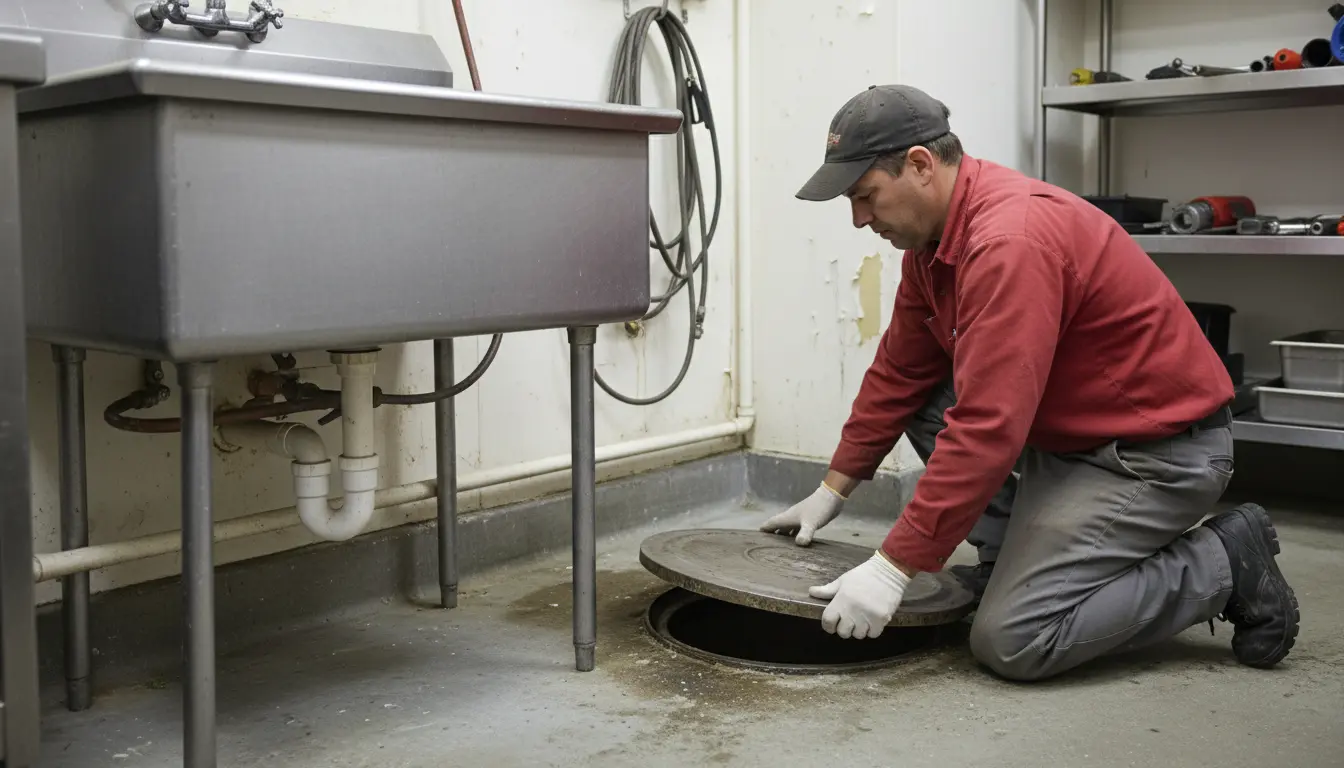
Find the Best Grease Trap Cleaning Companies for Your Business
No obligation • Fast responses • Nationwide coverage

Why you can trust Restaurant Waste Disposal
Restaurant Waste Disposal is a leading U.S. resource for comparing restaurant composting, food-waste recycling, grease trap cleaning, and used cooking oil collection services. Our editorial team researches providers, checks credentials, and organizes unbiased information so operators can make informed decisions. Companies cannot pay to change ratings or placement.
Search providers near you
Top Grease Trap Cleaning Companies in Sunrise, Florida Ranked
For any restaurant or food service establishment in Sunrise, maintaining a clean and compliant grease trap or interceptor is a non-negotiable part of daily operations. These systems are your first line of defense against fats, oils, and grease (FOG) entering the public sewer system, where they can cause costly blockages and environmental damage. In Broward County, this maintenance is strictly regulated by both the Florida Department of Environmental Protection (DEP) and local authorities, requiring scheduled service by licensed haulers and meticulous record-keeping. Proactive grease trap pumping and cleaning isn't just about avoiding fines; it's essential for preventing disruptive and expensive emergency backups that can shut down your kitchen.

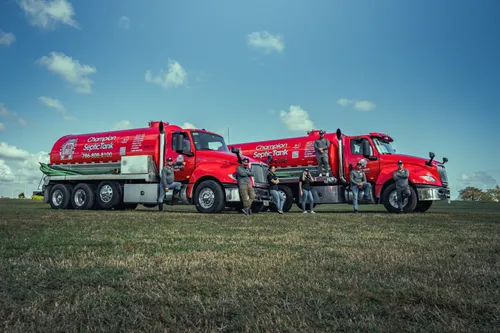
Champion Septic Tank - Grease Trap Storm Drain Lift Station
405 E 41st St Unit 1D, Hialeah, FL 33013
Champion Septic Tank - Grease Trap Storm Drain Lift Station provides comprehensive septic and grease trap services in Miami, FL. Serving residential and commercial clients across Miami-Dade, Broward, and Palm Beach counties, they specialize in grease trap cleaning, septic tank pumping and cleaning, drain field installation and replacement, storm drain cleaning, and lift station pumping. Their licensed team uses advanced equipment such as high-pressure hydro jetting and vacuum trucks to ensure thorough cleaning and maintenance. With over 10 years of experience, Champion Septic Tank offers 24/7 emergency services, including same-day response for urgent septic and grease trap issues, supporting restaurants, commercial kitchens, and homeowners throughout the region.
Champion Septic Tank - Grease Trap Storm Drain Lift Station
4000 Hollywood Blvd suite 555-s, Hollywood, FL 33021
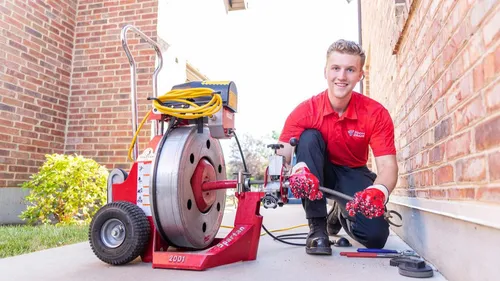
Champion Septic Tank - Grease Trap Storm Drain Lift Station is a licensed and insured septic service provider based in Miami, FL. They offer a wide range of services including septic tank pumping, cleaning, drain field installation and replacement, grease trap cleaning, storm drain maintenance, and lift station pumping. Serving residential and commercial clients across Miami-Dade, Broward, and Palm Beach counties, they specialize in hydrojetting and advanced sewer camera inspections to ensure thorough cleaning and system diagnostics. With over 10 years of experience, Champion Septic Tank is known for its comprehensive septic system care and 24/7 emergency service availability.
Zoom Drain
20815 NE 16th Ave Unit B44, Miami, FL 33179
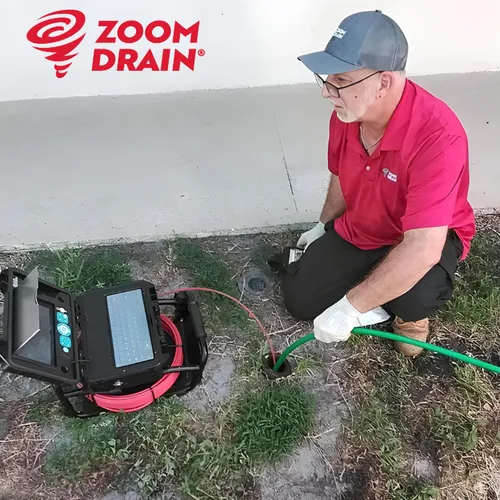
Zoom Drain is a specialist in drain and sewer cleaning, inspection, and repair based in Miami, FL. They serve residential, commercial, and food service clients in Miami and surrounding areas, offering services such as grease trap maintenance and hydro jetting. The company uses advanced tools like video camera inspections and provides tailored maintenance plans for property managers and contractors. Zoom Drain operates 24/7 to address emergency drain and sewer issues promptly.
Zoom Drain
12075 NW 40th St Unit 3, Coral Springs, FL 33065
Zoom Drain is a drain and sewer service provider based in Fort Lauderdale, FL, serving Coral Springs, Boca Raton, and other areas throughout Broward County. They specialize in residential and commercial drain cleaning, sewer inspections, and repairs, including grease trap maintenance for the food and hospitality sector. Using advanced equipment and techniques, Zoom Drain offers focused and efficient solutions to keep wastewater systems running smoothly. The company supports property managers, contractors, and homeowners with tailored maintenance plans and a referral program. Zoom Drain is recognized for its knowledgeable technicians and fast response times.
All-Star Pump Outs - Septic Tanks Grease Traps Storm Drains Lift Stations
3325 W Okeechobee Rd, Hialeah, FL 33012
All-Star Pump Outs - Septic Tanks Grease Traps Storm Drains Lift Stations provides septic system services, grease trap cleaning, storm drain maintenance, lift station servicing, and drainfield installations in Miami, FL. The company offers hydro jet cleaning and septic system replacements, ensuring thorough and precise work with clear communication in English or Spanish. Customers appreciate their responsiveness and professionalism, including same-day service for urgent needs. All-Star Pump Outs is known for detailed explanations and honest work, serving both residential and commercial clients.
Understanding Local Grease Interceptor Regulations
Compliance in Sunrise starts with understanding the rules. Florida state law and local Broward County ordinances mandate that commercial kitchens properly manage grease waste. The core requirement is that you must use a licensed waste hauler to pump out your grease trap or interceptor and dispose of the contents at a permitted facility. Critically, for every service performed, you must obtain and retain a detailed Service Manifest from the hauler. This document is your proof of compliance and must be available for inspection by the DEP or local control authority at any time.
Failure to adhere to these regulations can result in significant penalties. Violations, such as illegal dumping, poor maintenance, or incomplete records, can lead to substantial fines or even the loss of your operating license. Some municipalities may also include monitoring fees on your utility bill to fund sewer system maintenance, making proper FOG management a direct financial concern.
Determining Your Service Frequency and Schedule
How often you need grease interceptor maintenance is not a one-size-fits-all answer; it depends on several factors specific to your operation. Local codes often specify a maximum interval, commonly every 90 days for larger outdoor interceptors. However, smaller indoor grease traps, especially in high-volume kitchens, may require monthly pumping to prevent overflows and ensure efficient operation 1.
The best practice is to work with your licensed service provider to establish a schedule based on:
- The size and type of your trap or interceptor.
- Your kitchen's volume of food preparation and type of cuisine.
- Regular inspections of grease accumulation levels.
Establishing a routine, preventive schedule is far more cost-effective and reliable than waiting for a problem to occur. A set routine ensures you never miss a service date, keeping you in compliance and your kitchen running smoothly.
What to Expect: Service and Cost Overview
When you schedule professional grease trap cleaning, the service involves fully pumping out all contents-grease, solids, and wastewater-from the interceptor. The hauler will then properly dispose of this waste at a designated facility and provide you with the crucial Service Manifest 2.
The cost for this essential service varies. For a standard, scheduled pumping in the Sunrise area, establishments can typically expect a range of $250 to $400 per service visit 3. This price can be influenced by the physical size of your trap, its accessibility, and your establishment's grease output.
It is vital to understand the stark cost difference between planned maintenance and emergency response. A reactive emergency call for a clogged or overflowing trap can cost between $800 and $1,200 or more due to after-hours rates, the complexity of the cleanup, and potential additional repairs 4 5. Investing in routine cleaning is the most effective strategy to avoid these steep emergency fees.
Find the perfect grease trap cleaning companies for your needs
Get personalized recommendations and expert advice
The Critical Role of Documentation and Record-Keeping
In the eyes of regulators, if a service wasn't documented, it didn't happen. Maintaining an organized log of every grease trap service is as important as the service itself. Each Service Manifest you receive should be filed sequentially in a dedicated compliance binder. This log must include:
- Date of service.
- Name and license number of the hauler.
- Volume of waste removed.
- Disposal facility destination.
During inspections, which can occur unannounced, authorities will ask to review these manifests to verify your compliance history 6. Incomplete or missing records can be cited as a violation. Consider your service manifests as legal documents that protect your business.
Best Practices for Sunrise Restaurant Owners
Beyond scheduling and paperwork, successful grease management involves daily operational habits. First, ensure your establishment has a properly sized and approved grease interceptor installed 7 8. Staff should be trained to scrape food scraps into trash bins before washing and to avoid pouring grease down any drain. The use of so-called "grease-dissolving" additives is generally discouraged and often requires specific approval from your local control authority, as they can simply move problems further down the sewer line 9 10.
Establish a strong partnership with a reliable, licensed grease trap cleaning provider in Broward County. A good provider will not only perform the pump-out but can also advise on optimal service frequency, help you navigate local regulations, and alert you to potential issues with your interceptor during service visits 11 12. This proactive approach is the hallmark of a responsible and smoothly run food service business in Sunrise.
Frequently asked questions
Sources
Footnotes
-
Grease Traps for Restaurants: The Essential Guide - https://therestaurantwarehouse.com/blogs/restaurant-equipment/grease-trap-for-restaurant-guide ↩
-
Grease Trap Cleaning, Pumping and Inspections - https://www.ecopumpservices.com/grease-trap-cleaning-cleaning/ ↩
-
Florida Grease Trap Regulations Concern Commercial ... - https://replaceyourgarbagedisposal.com/grease-trap/florida-grease-trap-regulations-concern-commercial-kitchen-owners/ ↩
-
Ultimate Grease Trap Pumping Cost Guide: Essential Money-Saving ... - https://www.texwaywastewater.com/grease-trap-pumping-cost/ ↩
-
Restaurant Grease Trap & Interceptor Cleaning Cost - https://greasemanagement.org/pricing.html ↩
-
30-203. Food service establishments: grease traps and ... - Lee County - http://leecounty-fl.elaws.us/code/coor_ch30_artxiii_sec30-203 ↩
-
§ 111.34 GREASE TRAPS. - https://codelibrary.amlegal.com/codes/weston/latest/weston_fl/0-0-0-4242 ↩
-
Grease Trap Restaurant: The Essential Guide - https://therestaurantwarehouse.com/blogs/restaurant-equipment/grease-trap-restaurant-guide ↩
-
Grease Waste | Florida Department of Environmental Protection - https://floridadep.gov/waste/permitting-compliance-assistance/content/grease-waste ↩
-
The 2025 Florida Statutes - Online Sunshine - https://www.leg.state.fl.us/Statutes/index.cfm?App_mode=Display_Statute&Search_String=&URL=0400-0499/0403/Sections/0403.0741.html ↩
-
Grease Disposal Regulations in South Florida: Expert Insights - https://www.greaseprosrecycling.com/grease-disposal-regulations-fl/ ↩
-
Sunrise Grease Trap Cleaning, Pumping and Inspections - https://www.ecopumpservices.com/sunrise-grease-trap-cleaning/ ↩