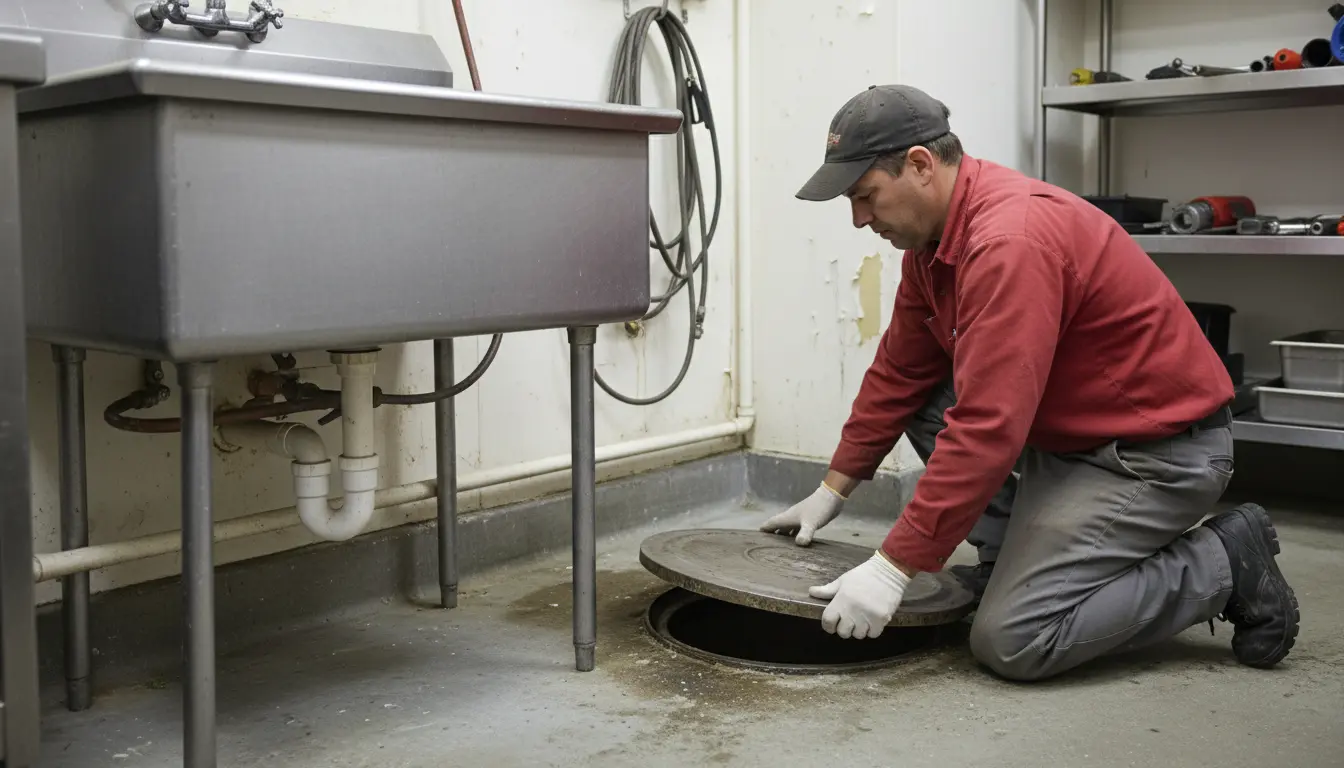
Find the Best Grease Trap Cleaning Companies for Your Business
No obligation • Fast responses • Nationwide coverage

Why you can trust Restaurant Waste Disposal
Restaurant Waste Disposal is a leading U.S. resource for comparing restaurant composting, food-waste recycling, grease trap cleaning, and used cooking oil collection services. Our editorial team researches providers, checks credentials, and organizes unbiased information so operators can make informed decisions. Companies cannot pay to change ratings or placement.
Search providers near you
Top Grease Trap Cleaning Companies in St Petersburg, Florida Ranked
For any restaurant, food service establishment, or commercial kitchen in St. Petersburg, managing fats, oils, and grease (FOG) is a critical operational and legal responsibility. Effective grease trap and interceptor maintenance is not just about preventing clogs; it's a mandated part of protecting the city's sewer infrastructure and waterways from costly blockages and environmental damage. Local regulations enforced by Pinellas County and the City of St. Petersburg establish strict protocols for cleaning frequency, waste disposal, and vendor licensing. Understanding these rules and partnering with a qualified service provider is essential for compliance, avoiding significant fines, and ensuring your business runs smoothly without the risk of disruptive-and expensive-sewer backups.
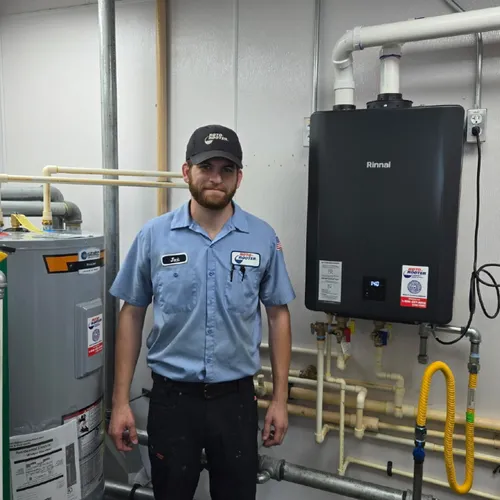
Roto-Rooter Plumbing of Tampa
5020 Tampa W Blvd, Tampa, FL 33634
Roto-Rooter Plumbing of Tampa provides comprehensive plumbing services for residential and commercial customers in Tampa, FL. They address a wide range of plumbing needs including sewer and drain cleaning, water heater repairs, grease trap cleaning, and emergency flood services. Their commercial capabilities include high-pressure water jetting (hydro-jetting), backflow inspection, and grease trap maintenance. With a 24/7 emergency hotline, Roto-Rooter offers around-the-clock service to handle urgent plumbing issues such as burst pipes and sewer backups. They serve multiple communities in the Tampa Metro Area and have extensive experience managing complex plumbing systems for large businesses.
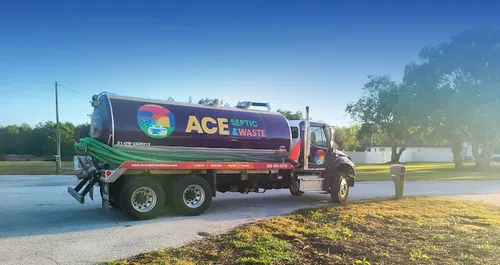
ACE Septic & Waste
8602 Temple Terrace Hwy C14, Tampa, FL 33637
ACE Septic & Waste is a fully licensed and insured wastewater and septic service provider based in Tampa, FL. They offer comprehensive septic and wastewater solutions including septic tank pumping, system installations, drainfield repairs, lift station maintenance, and certified real estate inspections. Their licensed crews also install advanced aerobic treatment units (ATUs) and manage large-scale commercial and municipal wastewater projects with in-house plumbing, electrical, and building contractor licenses. Serving Tampa Bay and Central Florida, ACE Septic & Waste provides 24/7 emergency response and handles all phases of wastewater system projects from permitting to maintenance.
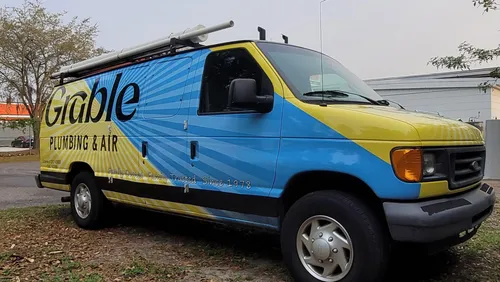
Grable Plumbing & Air
3723 E Hillsborough Ave, Tampa, FL 33610
Grable Plumbing & Air has been serving Tampa, FL, and surrounding communities since 1978. They provide a wide range of plumbing and HVAC services for both residential and commercial customers, including grease trap cleaning, drain and sewer cleaning, and tankless water heater installation. Their certified technicians handle various plumbing and HVAC challenges, offering 24/7 emergency service to ensure prompt assistance whenever needed. With over 40 years of experience, Grable Plumbing & Air also specializes in HVAC repair, installation, and maintenance, supporting year-round comfort and energy efficiency.

Tampa Bay Septic
Tampa, FL
Tampa Bay Septic is a full-service septic contractor based in Tampa, FL. They provide a range of services for both commercial and residential clients, including septic tank pump-outs, system inspections, drainfield replacements, and grease trap installation and pumping. Their expertise covers alternative treatment unit systems and lift/pump station installation, helping maintain proper septic system function.
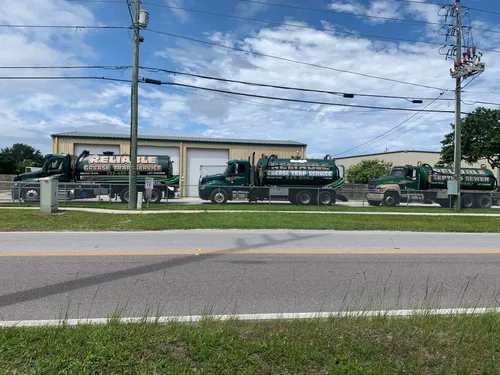
Cody’s Reliable Grease Trap Services
6660 90th Ave N, Pinellas Park, FL 33782
Cody's Reliable Grease Trap Services provides grease trap cleaning in Tampa, FL. They focus on maintaining grease traps to help prevent plumbing issues and ensure proper waste management. The company is known for dependable service and efficient grease trap maintenance.
Understanding Local Grease Management Regulations
St. Petersburg food service operators must comply with a detailed Grease Management Program. This program is designed to prevent FOG from entering the public sewer system, where it can solidify and cause blockages leading to sanitary sewer overflows (SSOs). Compliance is not optional; it's a condition of your wastewater discharge permit and is actively enforced.
Key regulatory bodies include the City of St. Petersburg's Utilities Department and Pinellas County's Commercial Grease Management program. These agencies require annual permits and have the authority to conduct inspections at your facility to ensure traps are properly maintained and records are in order 1. Failure to comply can result in enforcement actions, including substantial fines and even the revocation of your operating license.
Permit and Inspection Requirements
Before you can even begin service, you need the proper paperwork. All food service establishments in St. Petersburg are required to obtain an annual food service permit from Pinellas County specifically for grease management. This permit signifies your agreement to adhere to all local and state FOG regulations.
Inspections are a routine part of the compliance process. City or county officials may inspect your grease interceptor, review your maintenance records (including pump-out manifests), and verify that your chosen hauler is properly licensed. Keeping meticulous records is one of the best ways to demonstrate compliance during these inspections.
Mandatory Cleaning Frequency and Methods
The rules dictate not just that you clean your grease trap, but how often and how it must be cleaned. The frequency is based on the capacity and location of your interceptor, with the primary goal of never allowing FOG to exceed 25% of the total liquid volume.
- Outdoor Grease Interceptors: Typically larger units located outside, these must be pumped clean at a minimum of once per month 2.
- Under-Sink Grease Traps: Smaller, indoor units require more frequent attention, often needing service weekly to prevent overflows and meet the volume requirement.
The cleaning method is strictly defined by Florida law. Licensed haulers must perform a complete pump-out, removing 100% of the contents-both solids and liquids-from the interceptor 3. Practices like decanting (pumping out liquids and returning some back into the trap), skimming only the surface grease, or backwashing are explicitly prohibited 4 3. The waste must be transported by the licensed hauler to a permitted disposal facility, and a detailed waste tracking manifest must be completed for each service 4 5.
The True Cost of Grease Trap Service in St. Pete
Understanding the cost structure for grease interceptor maintenance helps in budgeting and highlights the value of proactive care. Prices can vary based on the size of your trap, its location, and, most significantly, its condition.
- Regular, Scheduled Service: For a well-maintained trap that is pumped on a consistent schedule, restaurants can expect costs in the range of $175 to $475 per service 6. This is the most cost-effective approach by far.
- Neglected or Emergency Service: If a trap is allowed to become overfilled or clogged, the service becomes far more complex. Emergency cleanouts for severely neglected interceptors can cost 2 to 3 times more than routine service, with prices potentially reaching $800 to $1,200 or more 7 8. These situations also carry a high risk of compliance violations.
Find the perfect grease trap cleaning companies for your needs
Get personalized recommendations and expert advice
Choosing a Licensed and Reputable Service Provider
Your business is responsible for the actions of your grease hauler. Therefore, selecting a properly licensed provider is paramount. A licensed hauler will:
- Hold valid state and local permits for waste transportation.
- Perform complete pump-outs in compliance with Florida law.
- Provide you with the necessary waste manifests for your records.
- Dispose of the FOG at a permitted treatment or recycling facility.
Always verify a vendor's license and ask for proof of proper disposal. It is considered a best practice to witness the cleaning process to ensure it is done thoroughly and to your satisfaction. Establishing a scheduled service agreement with a reliable provider is the best defense against unexpected costs and regulatory issues.
Consequences of Non-Compliance
Ignoring grease management rules is a risky and costly strategy. Enforcement actions can include:
- Substantial Fines: Monetary penalties for violations can be levied by both city and county authorities.
- Operational Disruption: In severe cases, a business's wastewater service permit can be suspended or revoked, which can effectively halt operations.
- Environmental Liability: If FOG from your establishment contributes to a sewer blockage or overflow, your business may be held financially responsible for cleanup costs and environmental damages.
- Increased Service Costs: As noted, poorly maintained traps require far more expensive emergency service.
Proactive, scheduled cleaning is an operational expense that pales in comparison to the cost of violations, emergency repairs, and potential damage to your business's reputation.
Best Practices for St. Petersburg Restaurants
Beyond hiring the right service, there are daily steps your kitchen staff can take to improve grease trap efficiency and longevity:
- Scrape, Don't Rinse: Scrape all food scraps and grease from plates, pots, and pans into the trash before washing.
- Use Strainers: Install and maintain basket strainers in all sink drains to catch solids.
- Educate Staff: Train all employees on proper FOG disposal practices. Post "No Grease" signs above sinks and drains.
- Maintain Records: Keep a dedicated logbook for all grease interceptor service, including dates, hauler name, and filed manifests. This is your first line of defense during an inspection.
Implementing these practices reduces the load on your interceptor, potentially extending the time between required pump-outs and ensuring your system works as designed.
Frequently asked questions
Sources
Footnotes
-
Grease Management Program - City of St. Petersburg - https://www.stpete.org/residents/utilities/grease_management_program.php ↩
-
Ordinance 2017-23 - St. Pete Beach Public Library - https://www.spblibrary.com/DocumentCenter/View/491/2017-23-PDF ↩
-
Grease Waste | Florida Department of Environmental Protection - https://floridadep.gov/waste/permitting-compliance-assistance/content/grease-waste ↩ ↩2
-
Commercial Grease Management - Pinellas County - https://pinellas.gov/programs/commercial-grease-management/ ↩ ↩2
-
Fats, Oil, and Grease Best Management Practices Manual - https://cms5.revize.com/revize/stpete/Residents/utility_services/Grease%20Management/best_management_practices_manual_for_fats__oil_and_grease.pdf ↩
-
Restaurant Grease Trap & Interceptor Cleaning Cost - https://greasemanagement.org/pricing.html ↩
-
Ultimate Grease Trap Pumping Cost Guide: Essential Money-Saving ... - https://www.texwaywastewater.com/grease-trap-pumping-cost/ ↩
-
Grease Trap Pumping Cost vs. Grease Trap Maintenance Cost - https://www.stateindustrial.com/video/cost-comparison-pumping-v-chemicals-to-maintain-a-grease-trap/ ↩