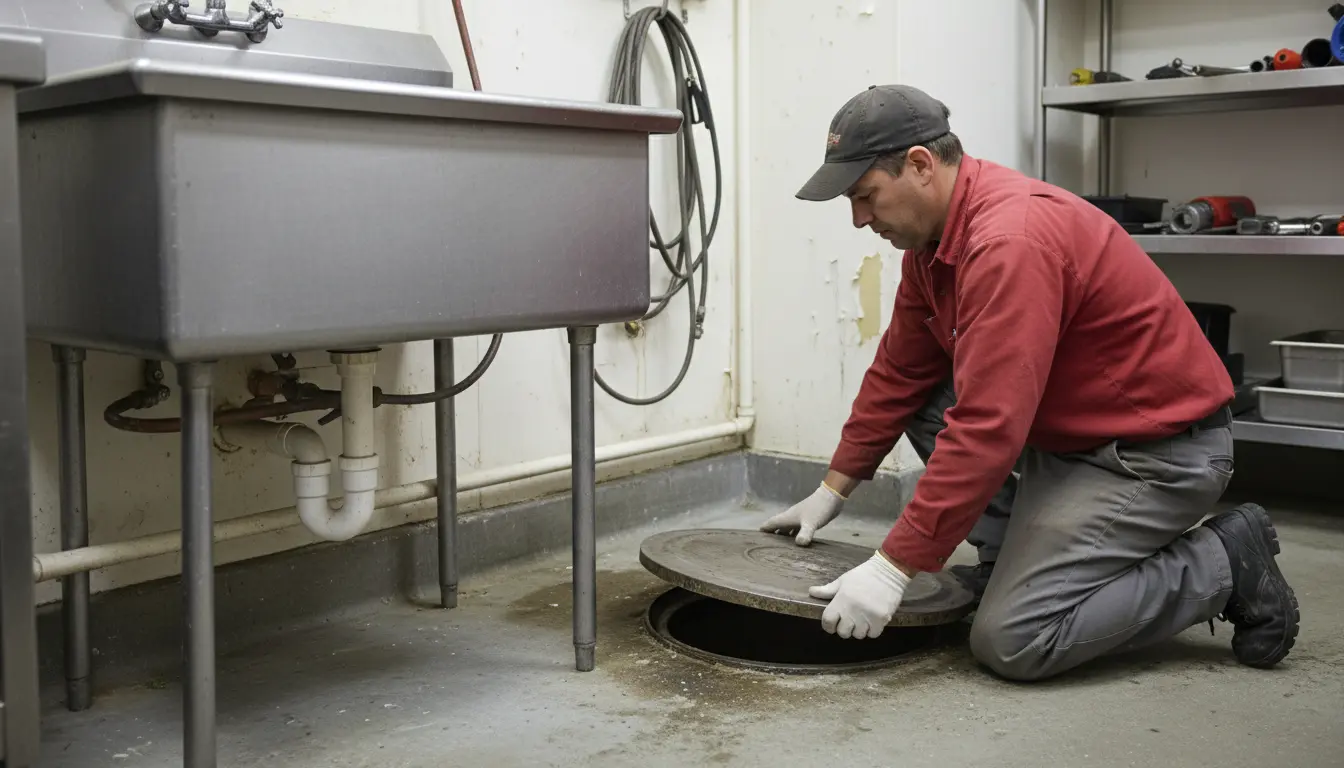
Find the Best Grease Trap Cleaning Companies for Your Business
No obligation • Fast responses • Nationwide coverage

Why you can trust Restaurant Waste Disposal
Restaurant Waste Disposal is a leading U.S. resource for comparing restaurant composting, food-waste recycling, grease trap cleaning, and used cooking oil collection services. Our editorial team researches providers, checks credentials, and organizes unbiased information so operators can make informed decisions. Companies cannot pay to change ratings or placement.
Search providers near you
Top Grease Trap Cleaning Companies in Port Orange, Florida Ranked
For every restaurant, café, and food service establishment in Port Orange, maintaining a clean and compliant grease trap (or grease interceptor) is not just a matter of kitchen hygiene-it's a legal requirement. The city and Volusia County operate under strict Florida Department of Environmental Protection (FDEP) regulations designed to prevent Fats, Oils, and Grease (FOG) from entering and clogging the public sewer system. Failure to adhere to these rules can result in significant fines, service interruptions, and even threats to your operating license. This guide outlines everything Port Orange food service business owners need to know about grease interceptor maintenance, from local mandates and costs to best practices for seamless compliance.
At its core, a grease trap is a plumbing device that captures FOG and food solids before wastewater leaves your facility. In Port Orange, participation in a FOG control program is mandatory for all food service establishments. This means you are legally obligated to have a properly sized and functioning interceptor, and to have it serviced on a strict schedule by licensed professionals. The cornerstone of local regulation is the 90-day rule: traps must be fully pumped out and cleaned at least every quarter, or more frequently if inspections or performance dictate. Meticulous record-keeping of every service-including detailed manifests and invoices from your hauler-is essential for passing surprise inspections from county or FDEP officials.
Flush and Go Drain & Septic Cleaning LLC
3940 Moores Station Rd, Sanford, FL 32773
Flush and Go Drain & Septic Cleaning LLC is a septic and grease trap cleaning company serving Orlando, FL. They offer septic tank services, drain field installation, grease trap cleaning, and plumbing solutions, including line video inspections to diagnose pipe issues without excavation. With over 20 years of experience, the company provides emergency and 24/7 services to address urgent septic and drain problems promptly.
Acme Environmental Services
1040 Leather Fern Ln, Mims, FL 32754
Acme Environmental Services is a family-owned company based in Orlando, FL, specializing in septic system installation, maintenance, and emergency repairs. Serving Central and Eastern Florida, including Sanford and surrounding areas, they offer grease trap cleaning, dump truck services, sump pump and lift station installation, and septic system design tailored to local soil and water conditions. With over 35 years of experience since 1989, Acme Environmental provides reliable septic solutions and emergency assistance when needed.
Not EZ Being Greasy Stanley's Cleaning
Deltona, FL
Not EZ Being Greasy Stanley's Cleaning is a grease trap cleaning company based in Deltona, FL. They specialize in grease trap maintenance and cleaning services for local businesses to help manage waste and prevent plumbing issues.
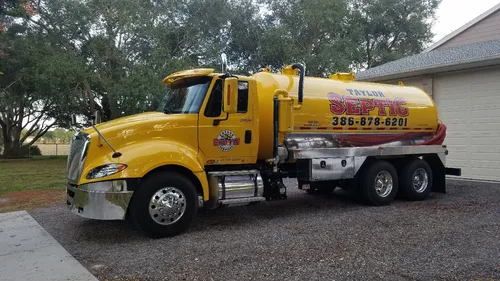
Deltona Septic Services
500 Walker St, Holly Hill, FL 32117
Deltona Septic Services is a septic and grease trap cleaning company serving Daytona Beach, FL. They offer a variety of septic system services including pumping, inspection, repairs, installation, drainfield replacements, and lift station service. Their team is equipped to handle routine maintenance and emergency septic issues to help maintain system health and prevent failures. The company has experience addressing septic problems and providing pump system expertise to local homeowners and property owners.
All Daytona Septic Tank Services
1637 State Ave, Daytona Beach, FL 32117
All Daytona Septic Tank Services, Inc. is a family-owned company serving Daytona Beach, FL, since 1977. They provide residential and commercial septic system services, including pump-outs, drain field repairs, system diagnostics, and grease trap cleaning and installation. The company is licensed, insured, and state-certified, with over 30 years of experience. They offer 24-hour emergency pump-out services and comply with local environmental regulations to minimize impact while maintaining system efficiency.
Understanding Port Orange and Florida FOG Regulations
Navigating the regulatory landscape is the first step to compliance. Florida's approach to FOG is proactive, aiming to protect wastewater infrastructure from blockages that can cause costly and unsanitary sewer overflows.
- Mandatory Program: All non-residential food service operations in Port Orange must be part of an approved FOG control program.
- Cleaning Frequency: The universal baseline is a minimum of every 90 days. However, your specific volume of food production, grease usage, and the size of your interceptor may necessitate more frequent service, such as monthly or bi-monthly pumping 1.
- Record Keeping: You must maintain a logbook or dedicated file with service manifests, invoices, and cleaning dates. These documents prove compliance during inspections.
- Proper Disposal: FOG waste is considered commercial waste and must be transported by a state-licensed hauler to a permitted disposal or recycling facility. You cannot dispose of it yourself 2.
The Real Cost of Grease Interceptor Maintenance in Port Orange
Budgeting for grease trap service is a critical operational expense. Costs vary based on the size of your interceptor, its accessibility, and how often it needs servicing.
- Routine Pumping Service: For a standard, smaller grease trap, a routine quarterly pump-out in the Port Orange area typically ranges from $250 to $400 or more per service 3. This is the preventative maintenance cost that keeps you in compliance.
- Emergency Service: If a trap overflows, causes a backup, or is flagged during an inspection for immediate cleaning, emergency service fees are substantially higher. Emergency calls can easily cost $800 to $1,200 or more, not including any potential fines 4.
- Annual Compliance Cost: When you factor in quarterly or monthly routine services, a restaurant can expect to spend several thousand dollars annually on preventative grease trap maintenance. This investment is far less than the combined cost of emergency repairs, fines, and business disruption from non-compliance 5 6.
Consequences of Non-Compliance: More Than Just a Fine
Local health and environmental agencies, including FDEP and county public works officials, conduct regular inspections 7. The repercussions for a neglected grease interceptor system are serious:
- Financial Penalties: Inspectors can levy significant fines for missed pump-outs, poor record-keeping, or evidence of FOG discharge.
- Operational Disruption: In severe cases, a health department can issue a cease-and-desist order, halting your business operations until the issue is resolved and re-inspected 8.
- Sewer Backups and Damage: A clogged interceptor can lead to slow drains, foul odors, and eventually, sewage backups in your own kitchen-a costly and unsanitary repair scenario.
- License Jeopardy: Repeated violations can be reported to licensing authorities, potentially endangering your business license.
Building a Proactive Maintenance Plan
A reactive approach to grease trap cleaning is a recipe for stress and expense. A proactive plan is the key to smooth operations.
Step 1: Hire a Licensed Local Professional Partner with a reputable, licensed grease trap cleaning service in the Port Orange area. They understand local codes, provide the necessary manifests, and ensure waste is disposed of legally. Look for providers with strong references from other local restaurants.
Step 2: Establish a Fixed Service Schedule Work with your service provider to determine the optimal pumping frequency for your specific kitchen. Don't just default to 90 days; if you're a high-volume establishment, you may need monthly service. Stick to this schedule religiously.
Step 3: Implement Kitchen Best Practices Maintenance extends beyond pumping. Train your staff to scrape all food solids into trash or compost bins and to avoid pouring any fats or oils down the drain. Using sink strainers can catch solids and reduce interceptor load 9.
Step 4: Meticulous Documentation Keep a dedicated compliance binder-digital or physical-with every service receipt, manifest, and inspection report. This is your first line of defense during an audit 10 11.
Find the perfect grease trap cleaning companies for your needs
Get personalized recommendations and expert advice
Signs Your Grease Trap Needs Immediate Attention
While adhering to a schedule is best, be alert to warning signs that your interceptor needs service sooner:
- Slow Draining: Sinks and floor drains that drain sluggishly are a primary indicator of a full or clogged trap.
- Foul Odors: Persistent sewer or rotten egg smells emanating from drains often signal trapped, decomposing grease and solids.
- Gurgling Sounds: Unusual noises from your plumbing can indicate a blockage.
- Visible Grease: If you see grease in the outlet side of the trap or in downstream plumbing, it has failed.
If you notice any of these signs, contact your service provider immediately to schedule a cleaning before it escalates into an emergency.
The Role of Professional Grease Trap Services
A professional service does more than just pump out waste. They provide a complete compliance solution:
- Complete Pump-Out and Cleaning: They remove all contents, including hardened grease and solids, and clean the interior walls and baffles.
- Legal Documentation: They supply you with a detailed service manifest, which is your legal proof of proper disposal for inspectors 12.
- Inspection and Advice: A good technician will inspect the trap's condition, note any potential issues (like damaged baffles), and advise if your service frequency is adequate.
- Emergency Response: They are your call for help when a backup or overflow occurs.
Investing in a reliable relationship with a local grease interceptor maintenance company is one of the smartest operational decisions a Port Orange restaurateur can make.
Frequently asked questions
Sources
Footnotes
-
There's a New Code in Town: Grease Trap Requirements for ... - https://seacoastconstruction.net/theres-a-new-code-in-town-grease-trap-requirements-for-restaurants/ ↩
-
Commercial Wastewater - Orange County Government - https://www.orangecountyfl.net/WaterGarbageRecycling/CommercialWastewater.aspx ↩
-
Grease Trap in Orange City, FL - Costs 11 / 2025 - Homeyou - https://www.homeyou.com/fl/grease-trap-orange-city-costs ↩
-
Ultimate Grease Trap Pumping Cost Guide: Essential Money-Saving ... - https://www.texwaywastewater.com/grease-trap-pumping-cost/ ↩
-
Ensuring Sanitary Conditions with Grease Trap Maintenance - https://lapinservices.com/service/ensuring-sanitary-conditions-with-grease-trap-maintenance ↩
-
Grease Trap Pumping Cost vs. Grease Trap Maintenance Cost - https://www.stateindustrial.com/article/grease-trap-pumping-cost-vs-grease-trap-maintenance-cost/ ↩
-
Grease Waste | Florida Department of Environmental Protection - https://floridadep.gov/waste/permitting-compliance-assistance/content/grease-waste ↩
-
Grease Traps for Restaurants: The Essential Guide - https://therestaurantwarehouse.com/blogs/restaurant-equipment/grease-trap-for-restaurant-guide ↩
-
Septic Pumping and Grease Traps in Restaurants - https://bhcameron.com/2024/07/septic-pumping-and-grease-traps-in-restaurants/ ↩
-
The Ultimate Guide to Restaurant Grease Trap Cleaning: Smart Solutions for Commercial Kitchens - Mokher Plumbing - https://mokherplumbing.com/ultimate-guide-restaurant-grease-trap-cleaning/ ↩
-
Complying with Grease Trap Codes: 5 Essential Tips | Business Name - https://www.unitedsewerservice.com/complying-with-local-regulations-and-codes-for-grease-trap-maintenance/ ↩
-
Grease Trap Cleaning in Port Orange FL | Grease Interceptor Pumping - https://greasetrapcleaningportorange.com/ ↩