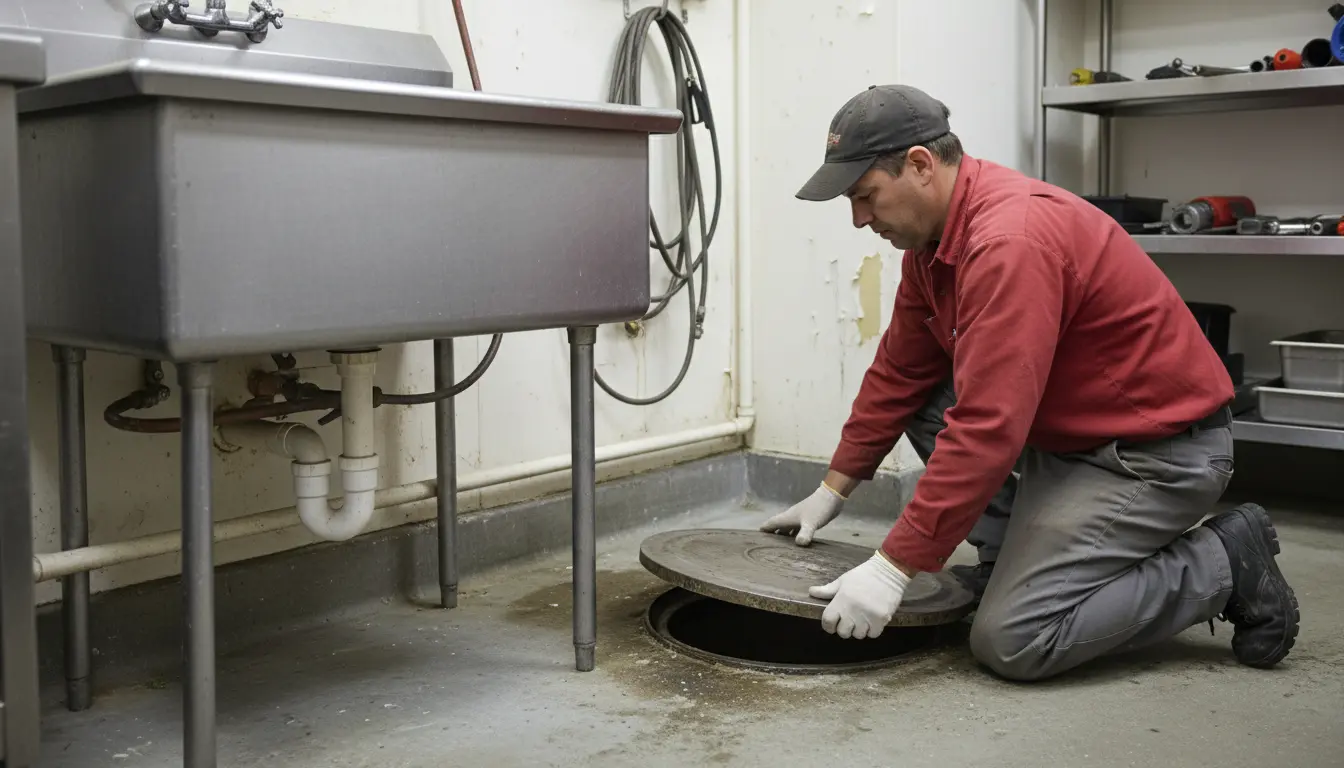
Find the Best Grease Trap Cleaning Companies for Your Business
No obligation • Fast responses • Nationwide coverage

Why you can trust Restaurant Waste Disposal
Restaurant Waste Disposal is a leading U.S. resource for comparing restaurant composting, food-waste recycling, grease trap cleaning, and used cooking oil collection services. Our editorial team researches providers, checks credentials, and organizes unbiased information so operators can make informed decisions. Companies cannot pay to change ratings or placement.
Search providers near you
Top Grease Trap Cleaning Companies in Plantation, Florida Ranked
For any restaurant, food truck, or commercial kitchen operating in Plantation, managing fats, oils, and grease (FOG) is a critical operational and legal responsibility. Effective grease trap and interceptor maintenance is not just about preventing clogs and foul odors; it's a mandated requirement under both Broward County and Florida state regulations. Proper FOG control protects the local sewer infrastructure from costly blockages and environmental damage, ensuring your business remains in compliance and avoids significant penalties. Establishing a reliable schedule for professional grease trap pumping and cleaning is a fundamental aspect of running a responsible and successful food service establishment in South Florida.
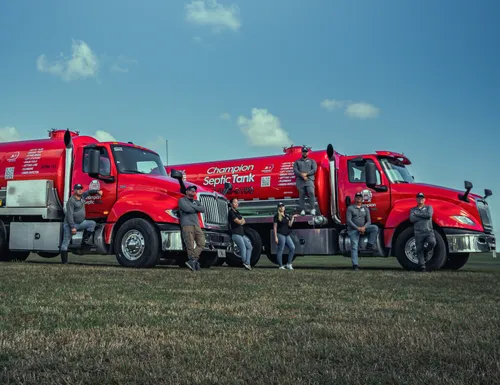
Champion Septic Tank - Grease Trap Storm Drain Lift Station
405 E 41st St Unit 1D, Hialeah, FL 33013
Champion Septic Tank - Grease Trap Storm Drain Lift Station provides comprehensive septic and grease trap services in Miami, FL. Serving residential and commercial clients across Miami-Dade, Broward, and Palm Beach counties, they specialize in grease trap cleaning, septic tank pumping and cleaning, drain field installation and replacement, storm drain cleaning, and lift station pumping. Their licensed team uses advanced equipment such as high-pressure hydro jetting and vacuum trucks to ensure thorough cleaning and maintenance. With over 10 years of experience, Champion Septic Tank offers 24/7 emergency services, including same-day response for urgent septic and grease trap issues, supporting restaurants, commercial kitchens, and homeowners throughout the region.
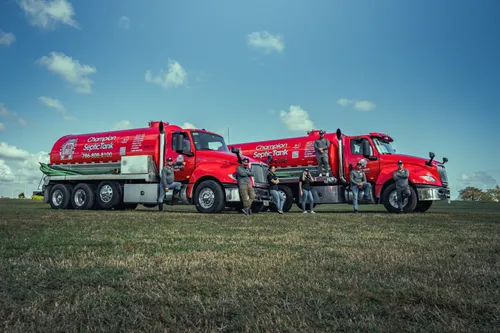
Champion Septic Tank - Grease Trap Storm Drain Lift Station
4000 Hollywood Blvd suite 555-s, Hollywood, FL 33021
Champion Septic Tank - Grease Trap Storm Drain Lift Station is a licensed and insured septic service provider based in Miami, FL. They offer a wide range of services including septic tank pumping, cleaning, drain field installation and replacement, grease trap cleaning, storm drain maintenance, and lift station pumping. Serving residential and commercial clients across Miami-Dade, Broward, and Palm Beach counties, they specialize in hydrojetting and advanced sewer camera inspections to ensure thorough cleaning and system diagnostics. With over 10 years of experience, Champion Septic Tank is known for its comprehensive septic system care and 24/7 emergency service availability.
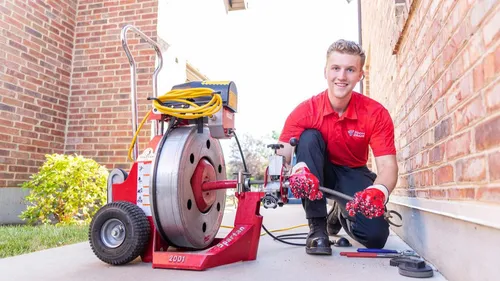
Zoom Drain
20815 NE 16th Ave Unit B44, Miami, FL 33179
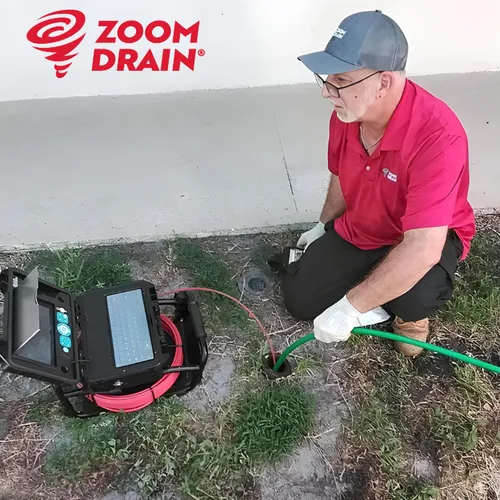
Zoom Drain is a specialist in drain and sewer cleaning, inspection, and repair based in Miami, FL. They serve residential, commercial, and food service clients in Miami and surrounding areas, offering services such as grease trap maintenance and hydro jetting. The company uses advanced tools like video camera inspections and provides tailored maintenance plans for property managers and contractors. Zoom Drain operates 24/7 to address emergency drain and sewer issues promptly.
Zoom Drain
12075 NW 40th St Unit 3, Coral Springs, FL 33065
Zoom Drain is a drain and sewer service provider based in Fort Lauderdale, FL, serving Coral Springs, Boca Raton, and other areas throughout Broward County. They specialize in residential and commercial drain cleaning, sewer inspections, and repairs, including grease trap maintenance for the food and hospitality sector. Using advanced equipment and techniques, Zoom Drain offers focused and efficient solutions to keep wastewater systems running smoothly. The company supports property managers, contractors, and homeowners with tailored maintenance plans and a referral program. Zoom Drain is recognized for its knowledgeable technicians and fast response times.
All-Star Pump Outs - Septic Tanks Grease Traps Storm Drains Lift Stations
3325 W Okeechobee Rd, Hialeah, FL 33012
All-Star Pump Outs - Septic Tanks Grease Traps Storm Drains Lift Stations provides septic system services, grease trap cleaning, storm drain maintenance, lift station servicing, and drainfield installations in Miami, FL. The company offers hydro jet cleaning and septic system replacements, ensuring thorough and precise work with clear communication in English or Spanish. Customers appreciate their responsiveness and professionalism, including same-day service for urgent needs. All-Star Pump Outs is known for detailed explanations and honest work, serving both residential and commercial clients.
Understanding Local Grease Interceptor Regulations
In Plantation, your obligations for grease waste management are governed by a combination of local and state codes. The Florida Department of Environmental Protection (DEP) sets the statewide framework, which is enforced locally by municipal authorities. These rules are designed to prevent FOG from entering the public sewer system, where it can solidify, cause blockages, and lead to sanitary sewer overflows (SSOs).
Key requirements for food service establishments include the proper installation of an appropriately sized grease interceptor or trap. Once installed, you are legally responsible for its maintenance and operation. This means keeping detailed records, known as service manifests, for every pumping event. These manifests must track the volume of waste collected, its origin, and its final disposal at a permitted facility, and they must be kept on file for inspection. Failure to maintain these records can itself result in violations.
Determining Your Required Cleaning Frequency
How often you need to schedule grease trap service is not a one-size-fits-all answer; it depends on the size of your unit and the volume of FOG your kitchen produces. Broward County guidelines provide a baseline, but your specific situation may require more frequent attention.
- Under-Sink Grease Traps: Smaller units, often found under individual sinks, have limited capacity. For these, a monthly (30-day) pumping schedule is commonly recommended and often required to prevent overflows and ensure proper function 1.
- Larger Grease Interceptors: Larger in-ground or exterior interceptors that handle waste from multiple sources typically require service every 90 days 2. However, high-volume kitchens may find they need pumping more frequently.
- The "Quarter Full" Rule: A widely accepted best practice is to have your interceptor pumped when the FOG and solids accumulate to one-quarter of the unit's liquid depth. This prevents the waste layer from becoming too thick and compromising the trap's efficiency, helping you stay ahead of potential problems 3.
A professional service provider can assess your operation and help you establish a compliant and effective pumping schedule.
The Cost of Compliance vs. The Price of Neglect
Investing in regular grease interceptor maintenance is a predictable operational cost that pales in comparison to the expenses of non-compliance or emergency failures. Service costs vary based on the size of your unit, its location, and its condition.
For routine, preventative pumping of a well-maintained trap, businesses can expect costs generally ranging from $175 to $475 per service 4. Proactive maintenance contracts often fall in the $250 to $400 range per service call. These services keep your system functioning correctly and provide the necessary documentation for inspectors.
Neglecting this maintenance leads to far higher costs. An emergency service call for a completely clogged or overflowing interceptor can easily cost between $800 and $1,200 or more 5 6. Furthermore, regulatory fines for violations, such as illegal dumping or missing manifests, can be substantial. For instance, state statutes allow for penalties of up to $250 per violation, and repeated offenses can lead to more severe actions, including the loss of operating licenses 7 8. The cost of a temporary closure order due to a sanitation issue would be incalculable.
Find the perfect grease trap cleaning companies for your needs
Get personalized recommendations and expert advice
Inspection and Enforcement in Plantation
Compliance is actively monitored. Inspections can be conducted by the Florida DEP or by local Plantation code enforcement officers 9. During an inspection, officials will check:
- The physical condition of your grease interceptor.
- Your maintenance records and service manifests.
- For any signs of illegal dumping or bypassing of the system.
The goal of enforcement is to protect public infrastructure and the environment. By maintaining a consistent service relationship with a licensed hauler and keeping impeccable records, you can demonstrate due diligence and pass inspections with confidence.
Choosing a Licensed and Reputable Service Provider
Not all waste haulers are equal. It is crucial to partner with a service provider licensed to collect and transport grease waste in Broward County. A licensed hauler will dispose of the collected FOG at a permitted treatment facility, ensuring the entire chain of custody is legal and documented 10.
When selecting a provider, look for one with experience serving Plantation restaurants. They should understand local code nuances, provide detailed service manifests after every visit, and offer flexible scheduling to minimize disruption to your kitchen operations. A reliable partner will help you optimize your service frequency and can often identify minor issues before they become major, costly emergencies.
Best Practices for Plantation Restaurant Owners
Beyond scheduling regular pump-outs, you can take several steps to improve your grease management system's efficiency and longevity.
- Train Your Staff: Educate kitchen staff on proper disposal practices. Scrape food scraps into trash bins before washing, and never pour grease or oil down the drain.
- Use Strainers: Install and maintain strainers in all sink drains to catch solid food particles.
- Keep a Maintenance Log: Go beyond the required manifest by keeping an internal log of service dates, any issues noted, and communications with your service provider.
- Schedule During Slow Periods: Coordinate with your hauler to perform pump-outs during your least busy hours to avoid interrupting meal service.
- Inspect After Service: Do a quick visual inspection after a service to ensure the interceptor lid is securely replaced and the area is clean.
Adopting these practices contributes to a smoother operation, reduces the strain on your interceptor, and reinforces your commitment to regulatory compliance and environmental stewardship.
Frequently asked questions
Sources
Footnotes
-
Grease Trap Cleaning, Pumping and Inspections - https://www.ecopumpservices.com/grease-trap-cleaning-cleaning/ ↩
-
§ 111.34 GREASE TRAPS. - https://codelibrary.amlegal.com/codes/weston/latest/weston_fl/0-0-0-4242 ↩
-
How Often to Clean a Grease Trap | Wind River Environmental - https://www.wrenvironmental.com/blog/2019/february/how-often-to-clean-a-grease-trap/ ↩
-
Ultimate Grease Trap Pumping Cost Guide: Essential Money-Saving ... - https://www.texwaywastewater.com/grease-trap-pumping-cost/ ↩
-
Florida Grease Trap Regulations Concern Commercial ... - https://replaceyourgarbagedisposal.com/grease-trap/florida-grease-trap-regulations-concern-commercial-kitchen-owners/ ↩
-
Restaurant Grease Trap & Interceptor Cleaning Cost - https://greasemanagement.org/pricing.html ↩
-
Grease Waste | Florida Department of Environmental Protection - https://floridadep.gov/waste/permitting-compliance-assistance/content/grease-waste ↩
-
The 2025 Florida Statutes - Online Sunshine - https://www.leg.state.fl.us/Statutes/index.cfm?App_mode=Display_Statute&Search_String=&URL=0400-0499/0403/Sections/0403.0741.html ↩
-
Plantation Grease Trap Cleaning, Pumping and Inspections - https://www.ecopumpservices.com/plantation-grease-trap-cleaning/ ↩
-
Grease Disposal Regulations in South Florida: Expert Insights - https://www.greaseprosrecycling.com/grease-disposal-regulations-fl/ ↩