Find the Best Grease Trap Cleaning Companies for Your Business
No obligation • Fast responses • Nationwide coverage

Why you can trust Restaurant Waste Disposal
Restaurant Waste Disposal is a leading U.S. resource for comparing restaurant composting, food-waste recycling, grease trap cleaning, and used cooking oil collection services. Our editorial team researches providers, checks credentials, and organizes unbiased information so operators can make informed decisions. Companies cannot pay to change ratings or placement.
Search providers near you
Top Grease Trap Cleaning Companies in Pinellas Park, Florida Ranked
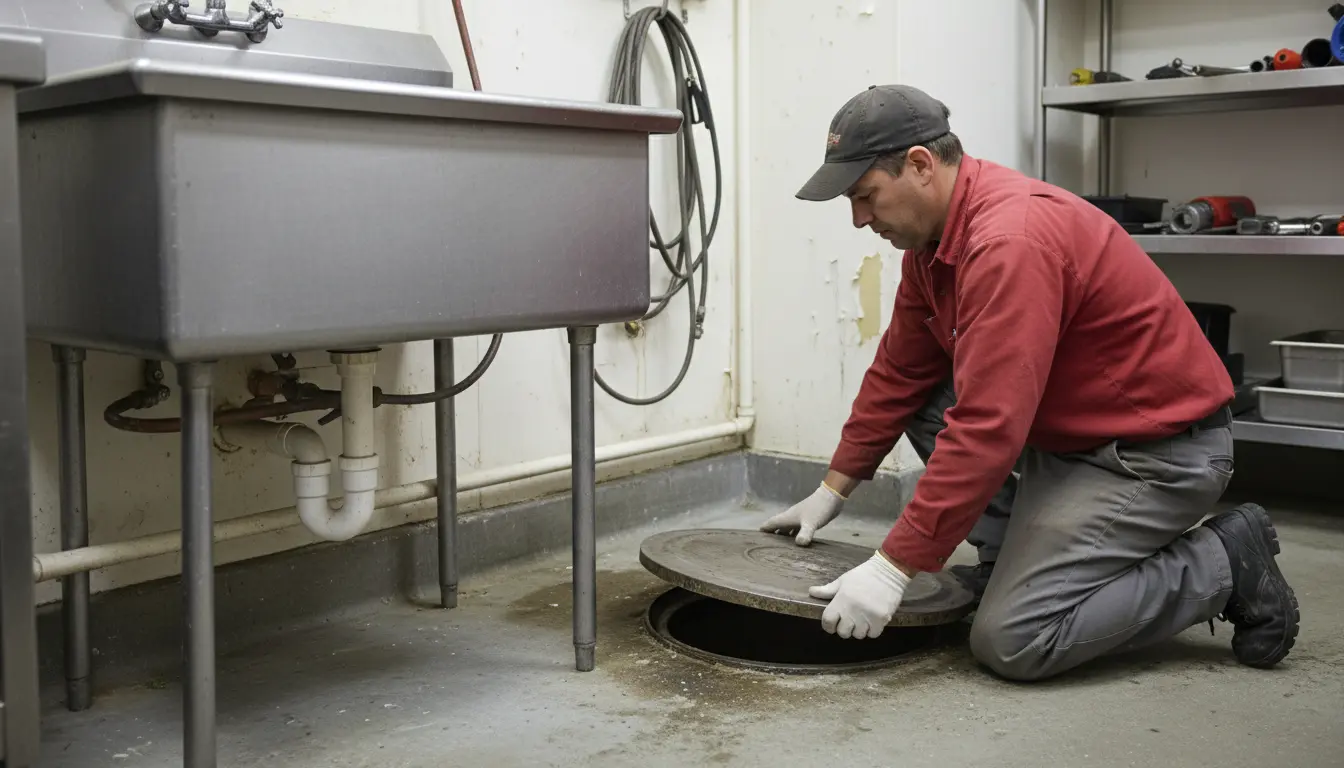
For restaurant owners and food service operators in Pinellas Park, effective grease interceptor maintenance is a critical operational and legal requirement. The city falls under the jurisdiction of Pinellas County Utilities, which enforces strict regulations to prevent fats, oils, and grease (FOG) from entering the public sewer system. Compliance isn't just about avoiding clogs in your own kitchen; it's a mandated part of protecting the community's wastewater infrastructure. This guide outlines the local rules, inspection processes, and best practices for managing your grease trap or interceptor, helping you maintain smooth operations and avoid significant penalties.
Proper FOG management starts with understanding the specific equipment and schedule mandated by the county. New construction generally requires the installation of approved grease interceptors, as traditional grease traps are often prohibited. For existing establishments, the cleaning frequency is dictated by the size of your unit. Large interceptors with a capacity greater than 50 gallons must be pumped out completely-not just skimmed-at least once every 30 days. Smaller traps, those 50 gallons or less, require weekly cleaning. These services must be performed by a permitted hauler, and detailed records of every cleaning must be kept on-site for a minimum of three years for county inspection 1.
Roto-Rooter Plumbing & Water Cleanup
3820 Grand Blvd, New Port Richey, FL 34652
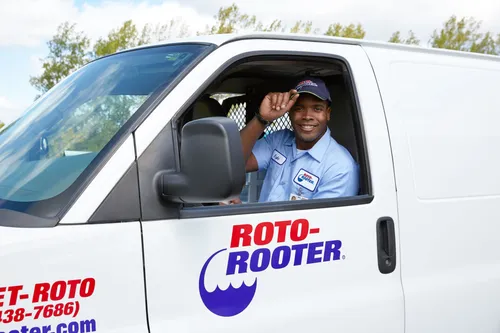
Roto-Rooter Plumbing & Water Cleanup provides comprehensive residential and commercial plumbing services in Tampa, FL, specializing in floodwater cleanup, sewer and drain cleaning, water heater repair, and grease trap maintenance. The company serves a wide area including New Port Richey and surrounding communities, offering expertise in high-pressure water jetting and sewer line repair using both conventional and trenchless methods. With 24/7 emergency availability, Roto-Rooter addresses urgent plumbing issues such as burst pipes and sewer backups promptly to minimize damage and disruption.
Roto-Rooter Plumbing of Tampa
5020 Tampa W Blvd, Tampa, FL 33634
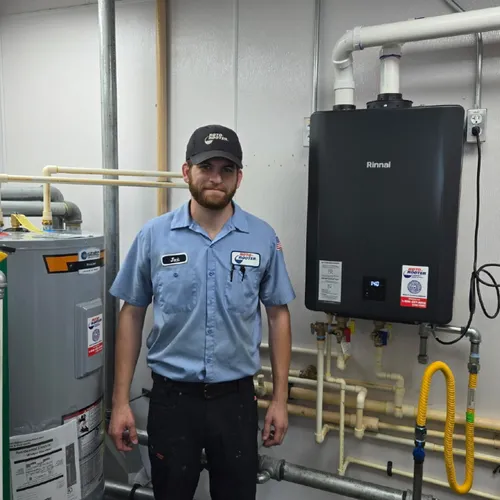
Roto-Rooter Plumbing of Tampa provides comprehensive plumbing services for residential and commercial customers in Tampa, FL. They address a wide range of plumbing needs including sewer and drain cleaning, water heater repairs, grease trap cleaning, and emergency flood services. Their commercial capabilities include high-pressure water jetting (hydro-jetting), backflow inspection, and grease trap maintenance. With a 24/7 emergency hotline, Roto-Rooter offers around-the-clock service to handle urgent plumbing issues such as burst pipes and sewer backups. They serve multiple communities in the Tampa Metro Area and have extensive experience managing complex plumbing systems for large businesses.
ACE Septic & Waste
8602 Temple Terrace Hwy C14, Tampa, FL 33637
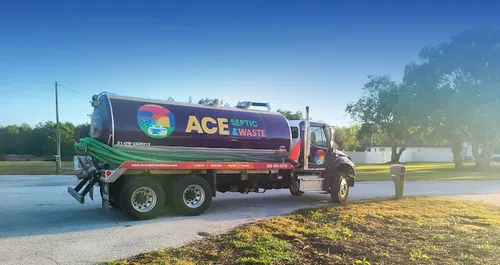
ACE Septic & Waste is a fully licensed and insured wastewater and septic service provider based in Tampa, FL. They offer comprehensive septic and wastewater solutions including septic tank pumping, system installations, drainfield repairs, lift station maintenance, and certified real estate inspections. Their licensed crews also install advanced aerobic treatment units (ATUs) and manage large-scale commercial and municipal wastewater projects with in-house plumbing, electrical, and building contractor licenses. Serving Tampa Bay and Central Florida, ACE Septic & Waste provides 24/7 emergency response and handles all phases of wastewater system projects from permitting to maintenance.
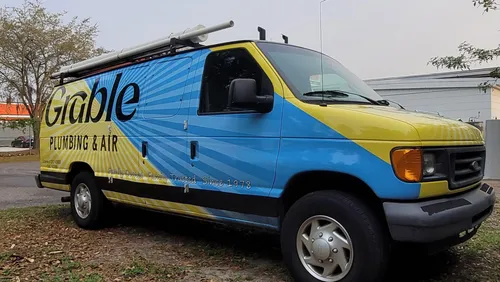
Grable Plumbing & Air
3723 E Hillsborough Ave, Tampa, FL 33610
Grable Plumbing & Air has been serving Tampa, FL, and surrounding communities since 1978. They provide a wide range of plumbing and HVAC services for both residential and commercial customers, including grease trap cleaning, drain and sewer cleaning, and tankless water heater installation. Their certified technicians handle various plumbing and HVAC challenges, offering 24/7 emergency service to ensure prompt assistance whenever needed. With over 40 years of experience, Grable Plumbing & Air also specializes in HVAC repair, installation, and maintenance, supporting year-round comfort and energy efficiency.
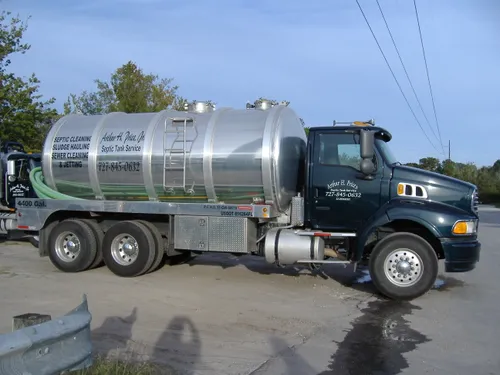
Arthur H. Price Jr. Septic Tank Service, Inc.
5534 Wray Way, Holiday, FL 34690
Arthur H. Price Jr. Septic Tank Service, Inc. provides septic and grease trap cleaning services in Tampa, FL, and the surrounding West Central Florida communities. With over 40 years of experience, they serve residential, commercial, and municipal clients, including restaurants, hospitals, and shopping centers. Their licensed and insured technicians handle routine maintenance, emergency septic care, and sewer system installations. The company offers 24-hour septic emergency services to support customers whenever needed.
Understanding Pinellas County Grease Management Regulations
The foundation of compliance in Pinellas Park is the annual Grease Management Permit issued by Pinellas County Utilities. Every Food Service Establishment (FSE) is required to obtain and renew this permit, which carries an annual fee of approximately $270 2. This permit system allows the county to track FSEs and enforce the standards designed to keep sewers clear. The core regulations are codified in the county ordinance, which provides the legal framework for everything from interceptor design to maintenance schedules 3.
The distinction between equipment types is crucial. Grease interceptors are typically larger, underground units that handle higher volumes of wastewater, while grease traps are smaller, often installed inside the kitchen. The county's rules are explicit: for most new installations and major renovations, approved grease interceptors are required. Relying on an undersized or unapproved trap can lead to immediate compliance issues 4. It's essential to verify that your current setup meets county specifications and that your maintenance plan is tailored to its specific requirements.
The Inspection Process and Consequences of Non-Compliance
Pinellas County Utilities personnel conduct inspections to ensure FOG compliance. During a visit, an inspector will review your maintenance records, examine the physical condition and location of your interceptor or trap, and may assess whether proper cleaning procedures are being followed. The three-year log of service receipts is your first line of defense in demonstrating compliance, so keeping this documentation organized and accessible is paramount.
The consequences for failing to adhere to the regulations can be severe. Penalties are designed to recoup the cost of repairing sewer damage and to incentivize proper maintenance. Violations can result in substantial fines, and in cases of repeated or egregious non-compliance, the county has the authority to interrupt business operations until the issues are resolved. Beyond regulatory penalties, neglected grease management leads to costly emergency backups in your own plumbing, unpleasant odors, and potential health code violations.
Costs of Grease Interceptor Pumping and Maintenance
Budgeting for regular grease trap service is a necessary cost of doing business. For routine, scheduled pumping of a standard commercial interceptor, food service establishments in the Pinellas Park area can expect costs generally ranging from $250 to $400 per service visit 5. The final price depends on factors like the size of the unit, its accessibility, and the volume of grease to be removed.
The most significant cost differentiator is emergency versus scheduled service. A reactive pump-out due to a clog or backup can cost between $800 to $1,200 or more per call 6. This stark price difference highlights the financial wisdom of a proactive maintenance schedule. Partnering with a reliable, county-permitted hauler for regular service is far less expensive than dealing with the aftermath of a grease-related sewer overflow, which includes not just the emergency service fee but also potential fines and lost revenue from operational downtime 7 6.
Find the perfect grease trap cleaning companies for your needs
Get personalized recommendations and expert advice
Choosing a Service Provider in Pinellas Park
Selecting the right partner for your grease interceptor maintenance is a key business decision. You must use a hauler permitted by Pinellas County to transport and dispose of grease waste. Local providers familiar with the county's specific paperwork and inspection expectations can be invaluable. Companies like FCS, Inc. and Leto Sanitary Service are examples of permitted operators serving the Pinellas Park area and can handle the full compliance cycle, from pumping to providing the detailed service tickets you need for your records 8.
When evaluating providers, look for those who emphasize education and proactive planning. A good service partner will help you understand your specific compliance schedule, advise on best practices for kitchen staff to minimize grease entering the drain (like dry-wiping pots and pans), and provide consistent, documented service. This collaborative approach turns your grease management from a regulatory chore into a streamlined part of your operational routine, safeguarding your business from unexpected disruptions.
Best Practices for Ongoing FOG Management
Regulatory compliance is the minimum standard; excellence in grease management involves daily practices. Training your kitchen staff is the first and most effective line of defense. Implementing simple protocols-such as scraping food scraps into compost or trash bins before washing, using sink strainers, and collecting used cooking oil in dedicated containers for recycling-can dramatically reduce the grease load on your interceptor. This not only extends the time between necessary pump-outs but also improves the overall efficiency of your interceptor.
Maintain an open line of communication with your service provider. Schedule your next pump-out appointment before the technician leaves your property, and mark it on the calendar. Keep a dedicated binder or digital folder for all grease-related documents: your county permit, every service receipt, and any correspondence from Pinellas County Utilities. A well-managed FOG program is a hallmark of a professionally run food service establishment, contributing to a cleaner local environment and a more resilient business.
Frequently asked questions
Sources
Footnotes
-
Food Service Establishment Permit Application - Pinellas County - https://pinellas.gov/wp-content/uploads/2021/12/FOG_Food_Svc_Facility_permit_app1.pdf ↩
-
Apply for a Grease Management Program Permit for Food ... - https://pinellas.gov/services/gmp-permit-application-for-food-service-establishments/ ↩
-
126-611. Grease interceptor and grease trap requirements. - http://pinellascounty.elaws.us/code/coor_ch126_artvi_sec126-611 ↩
-
Commercial Grease Management - Pinellas County - https://pinellas.gov/programs/commercial-grease-management/ ↩
-
Grease Trap Maintenance Tips for Pinellas County Businesses - http://letosanitary.com/2024/05/09/grease-trap-maintenance-tips-for-pinellas-county-businesses-advice-from-leto-sanitary-service/ ↩
-
Ultimate Grease Trap Pumping Cost Guide: Essential Money-Saving ... - https://www.texwaywastewater.com/grease-trap-pumping-cost/ ↩ ↩2
-
Grease Disposal Regulations in South Florida: Expert Insights - https://www.greaseprosrecycling.com/grease-disposal-regulations-fl/ ↩
-
Grease Trap Pumping in Pinellas County - FCS, Inc - https://www.fcs-inc.org/grease-trap-pumping/ ↩