Find the Best Grease Trap Cleaning Companies for Your Business
No obligation • Fast responses • Nationwide coverage

Why you can trust Restaurant Waste Disposal
Restaurant Waste Disposal is a leading U.S. resource for comparing restaurant composting, food-waste recycling, grease trap cleaning, and used cooking oil collection services. Our editorial team researches providers, checks credentials, and organizes unbiased information so operators can make informed decisions. Companies cannot pay to change ratings or placement.
Search providers near you
Top Grease Trap Cleaning Companies in Palm Coast, Florida Ranked
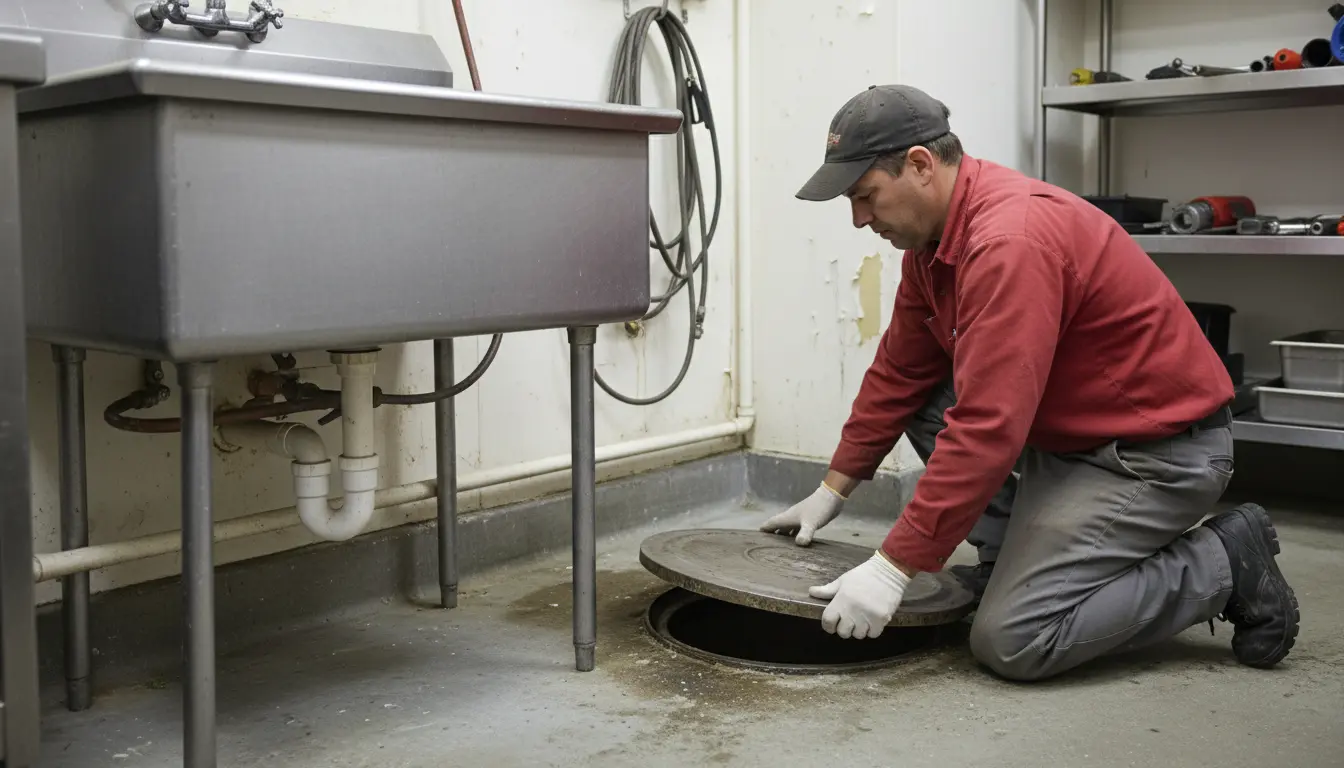
For restaurant owners and food service operators in Palm Coast, managing fats, oils, and grease (FOG) is a critical operational and legal responsibility. Effective grease trap and grease interceptor maintenance is not just about preventing clogs; it's a mandatory compliance issue governed by both Florida state law and local Palm Coast ordinances. Failure to adhere to these regulations can result in severe fines, sewer backups, and damage to the municipal wastewater system. This guide provides a clear overview of what you need to know about grease trap servicing, local compliance specifics, and best practices to keep your kitchen running smoothly and legally.
Understanding the regulations is the first step. Florida statutes require all food service establishments to use licensed grease waste haulers for the removal and disposal of grease trap contents. These licensed professionals must provide detailed service manifests for every pump-out, documenting the who, what, when, and where of the waste's journey to a state-permitted disposal facility. Both the Florida Department of Environmental Protection (FDEP) and local Palm Coast authorities, such as City Code Enforcement or Flagler County Utilities, have the authority to inspect your business, review these manifests, and ensure compliance.
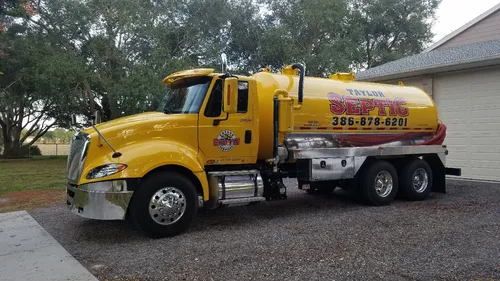
Deltona Septic Services
500 Walker St, Holly Hill, FL 32117
Deltona Septic Services is a septic and grease trap cleaning company serving Daytona Beach, FL. They offer a variety of septic system services including pumping, inspection, repairs, installation, drainfield replacements, and lift station service. Their team is equipped to handle routine maintenance and emergency septic issues to help maintain system health and prevent failures. The company has experience addressing septic problems and providing pump system expertise to local homeowners and property owners.
All Daytona Septic Tank Services
1637 State Ave, Daytona Beach, FL 32117
All Daytona Septic Tank Services, Inc. is a family-owned company serving Daytona Beach, FL, since 1977. They provide residential and commercial septic system services, including pump-outs, drain field repairs, system diagnostics, and grease trap cleaning and installation. The company is licensed, insured, and state-certified, with over 30 years of experience. They offer 24-hour emergency pump-out services and comply with local environmental regulations to minimize impact while maintaining system efficiency.
Understanding Florida and Palm Coast FOG Regulations
Navigating the regulatory landscape is essential for any food service business. At the state level, the FDEP sets the framework through Chapter 403 of the Florida Statutes, which mandates proper handling of grease waste to protect water resources. The law designates food service establishments as "grease waste originators" and holds them responsible for ensuring their FOG is collected by a licensed hauler and disposed of properly.
While state rules provide the foundation, local municipalities like Palm Coast often implement additional or more specific requirements. These can include mandated cleaning frequencies based on your trap's size and your kitchen's volume, specific inspection protocols, and detailed record-keeping standards. The local utility provider or code enforcement office is your primary source for the exact rules that apply to your specific address. Proactively contacting Palm Coast Utilities or City Code Enforcement is a crucial first step to avoid misunderstandings and potential violations.
The Role of Service Manifests and Compliance Tracking
The signed service manifest is your golden ticket for proving compliance. This document, provided by your licensed hauler after each service, is a legal record that tracks the grease waste from your trap to its final, approved destination. Authorities can request to see these manifests during an inspection. Poor record-keeping is itself a violation, so maintaining an organized, accessible file of all service records is as important as the cleaning itself. These manifests protect you by providing a verifiable chain of custody, demonstrating that you are fulfilling your legal obligations as a business owner.
Determining Your Grease Trap Service Frequency
One of the most common questions from restaurant managers is, "How often should my grease trap be cleaned?" The answer is not one-size-fits-all. While a typical range is every 1 to 3 months, the correct schedule for your Palm Coast establishment depends entirely on your FOG production 1.
High-volume kitchens, such as busy diners or large catering operations, may require monthly or even bi-weekly pump-outs to stay ahead of the accumulation 2 3. The universally recommended best practice is the "25% Rule": a grease interceptor should be pumped out before the combined grease and solids fill more than 25% of the trap's total volume 3. Exceeding this level significantly increases the risk of FOG escaping into the sewer lines, which is the primary cause of blockages that can lead to costly backups and regulatory fines.
Your licensed service provider can help you establish an initial schedule based on your trap size and business volume, but it should be regularly reviewed and adjusted. Many providers offer service contracts that include routine inspections to monitor accumulation levels, helping you optimize your schedule and avoid emergencies.
Costs Associated with Grease Trap Maintenance
Budgeting for grease trap maintenance is a necessary part of restaurant operations. For standard, preventative pump-out services in the Palm Coast area, costs typically range from $175 to $400 or more per service 4. This price can vary based on the size of your trap, its accessibility, and the volume of waste to be removed.
It is vital to view this as a preventative investment. The cost of emergency service-required when a trap overflows or causes a backup-can be substantially higher, often ranging from $800 to $1,200 or more for an urgent response 5. Furthermore, the fines imposed by the city for violations or sewer overflows can dwarf even these emergency service costs. Regular, scheduled maintenance is consistently the most cost-effective strategy, protecting your business from far larger unexpected expenses and legal penalties 6.
Find the perfect grease trap cleaning companies for your needs
Get personalized recommendations and expert advice
Choosing a Licensed Service Provider in Palm Coast
Selecting the right partner for your grease trap maintenance is a critical business decision. Your first filter must be verifying that the company holds a valid Florida state license for grease waste hauling. Working with an unlicensed provider puts you directly in violation of FDEP regulations, regardless of the quality of their work.
Beyond licensing, look for providers who offer comprehensive service. This includes:
- Detailed Service Manifests: Ensuring you receive proper documentation every time.
- Flexible Scheduling: Offering service contracts that align with your needed frequency.
- Local Knowledge: Familiarity with Palm Coast and Flagler County's specific inspection and reporting expectations.
- Proper Disposal: Confirmation that all waste is taken to a permitted treatment or recycling facility.
Establishing a relationship with a reliable, licensed provider turns grease trap maintenance from a recurring headache into a streamlined, compliant process.
Consequences of Non-Compliance
Ignoring grease trap regulations carries serious risks for Palm Coast businesses. Enforcement actions can come from both state (FDEP) and local authorities 7. Penalties for violations-such as illegal dumping, failure to use a licensed hauler, or lack of proper manifests-can include substantial monetary fines, the suspension or revocation of business licenses, and mandatory corrective actions 7 8.
Perhaps the most immediate and disruptive consequence is a sewer line blockage or backup caused by FOG escaping from an overfull trap. This can lead to operational shutdowns, costly plumbing repairs, and damage to your property and the public sewer system. The financial and reputational damage from such an event far outweighs the consistent, manageable cost of regular preventative maintenance.
Best Practices for Palm Coast Restaurants
To ensure seamless compliance and operational efficiency, Palm Coast food service operators should adopt these key practices:
- Confirm Local Requirements: Start by contacting Palm Coast Utilities or City Code Enforcement to get the official guidelines for your business location 9 10.
- Contract with Licensed Professionals: Only hire FDEP-licensed grease waste haulers and consider a service contract for regular, scheduled cleanings 11.
- Maintain Impeccable Records: Create a dedicated file for all service manifests and inspection reports. These are your first line of defense during an audit.
- Train Your Staff: Educate kitchen staff on proper FOG disposal practices, such as scraping plates into trash bins before washing and never pouring grease down sinks.
- Schedule Proactively: Adhere to the 25% rule and don't wait for an obvious problem to schedule service. Preventative care is always cheaper than emergency response.
By integrating these steps into your standard operating procedures, you protect your business, support the local infrastructure, and contribute to a healthier environment in Flagler County.
Frequently asked questions
Sources
Footnotes
-
Restaurant Grease Trap Cleaning FAQs - Mahoney Environmental - https://www.mahoneyes.com/restaurant-grease-trap-cleaning-faqs/ ↩
-
The Ultimate Guide to Restaurant Grease Trap Cleaning - https://mokherplumbing.com/ultimate-guide-restaurant-grease-trap-cleaning/ ↩
-
How to Clean a Grease Trap (and How Often You Should) - https://greaseconnections.com/how-to-clean-a-grease-trap-and-how-often-you-should/ ↩ ↩2
-
The Cost To Clean A Grease Trap For Restaurants - https://thegreasecompany.com/blog/greasetrapcleaningcost/ ↩
-
Ultimate Grease Trap Pumping Cost Guide: Essential Money-Saving ... - https://www.texwaywastewater.com/grease-trap-pumping-cost/ ↩
-
Grease Trap Regulations and Compliance: What You Need to Know - https://www.texwaywastewater.com/grease-trap-regulations-and-compliance/ ↩
-
Grease Disposal Regulations in South Florida: Expert Insights - https://www.greaseprosrecycling.com/grease-disposal-regulations-fl/ ↩ ↩2
-
Florida Grease Trap Regulations Concern Commercial Kitchen ... - https://replaceyourgarbagedisposal.com/grease-trap/florida-grease-trap-regulations-concern-commercial-kitchen-owners/ ↩
-
Grease Waste | Florida Department of Environmental Protection - https://floridadep.gov/waste/permitting-compliance-assistance/content/grease-waste ↩
-
Grease Trap Cleaning in Palm Coast FL - https://greasetrapcleaningormondbeach.com/palm-coast-fl.html ↩
-
The 2025 Florida Statutes - Online Sunshine - https://www.leg.state.fl.us/Statutes/index.cfm?App_mode=Display_Statute&Search_String=&URL=0400-0499/0403/Sections/0403.0741.html ↩