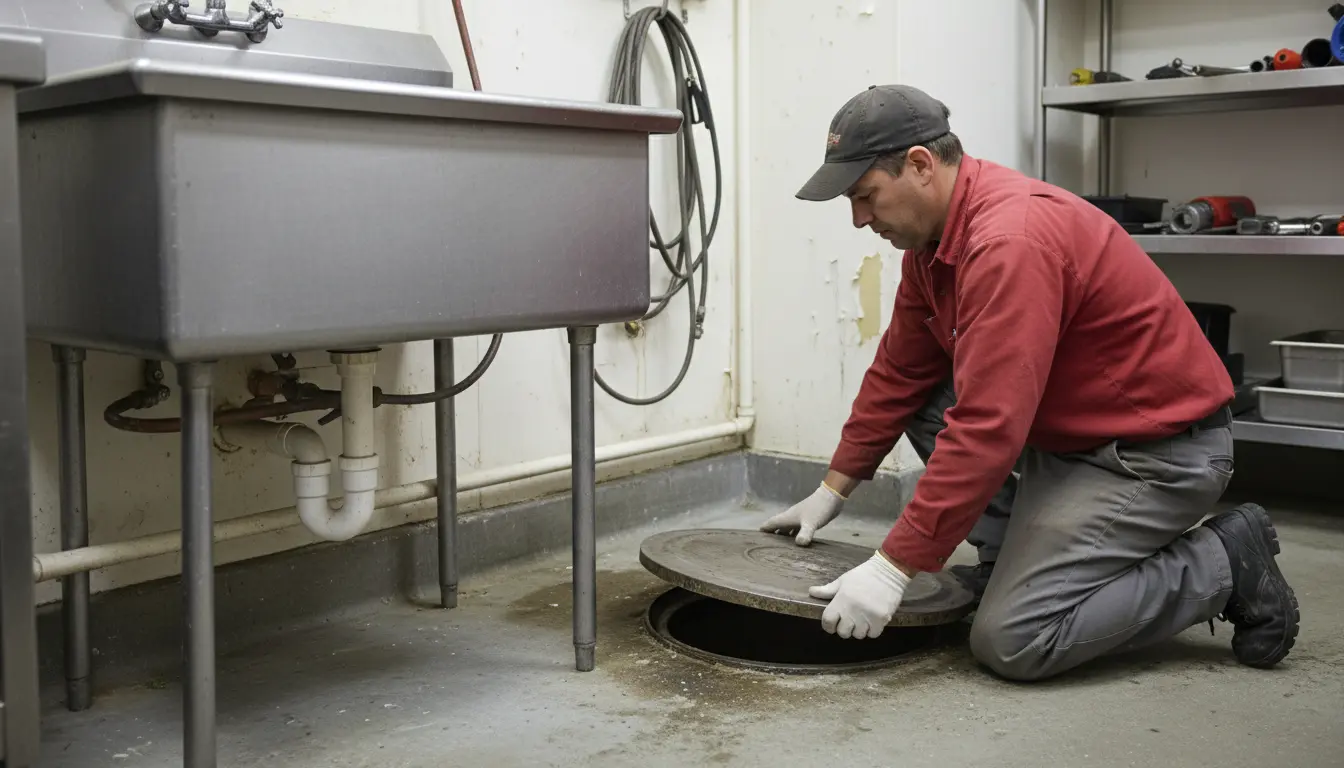
Find the Best Grease Trap Cleaning Companies for Your Business
No obligation • Fast responses • Nationwide coverage

Why you can trust Restaurant Waste Disposal
Restaurant Waste Disposal is a leading U.S. resource for comparing restaurant composting, food-waste recycling, grease trap cleaning, and used cooking oil collection services. Our editorial team researches providers, checks credentials, and organizes unbiased information so operators can make informed decisions. Companies cannot pay to change ratings or placement.
Search providers near you
Top Grease Trap Cleaning Companies in Ormond Beach, Florida Ranked
For every restaurant, café, and food service establishment in Ormond Beach, managing fats, oils, and grease (FOG) is a critical operational and legal requirement. Effective grease trap and interceptor maintenance is not just about preventing clogs; it's a mandated part of protecting the local sewer infrastructure and avoiding significant penalties. Florida state regulations, enforced by the Department of Environmental Protection (DEP) and local utility providers, set strict standards for installation, servicing, and record-keeping. This guide outlines the essential compliance steps, best practices, and local considerations for restaurant owners and managers to ensure their grease management program meets all legal obligations and operates efficiently.
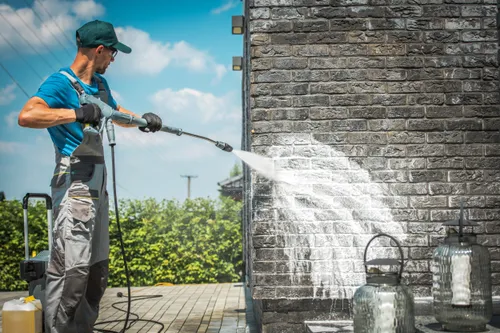
Not EZ Being Greasy Stanley's Cleaning
Deltona, FL
Not EZ Being Greasy Stanley's Cleaning is a grease trap cleaning company based in Deltona, FL. They specialize in grease trap maintenance and cleaning services for local businesses to help manage waste and prevent plumbing issues.
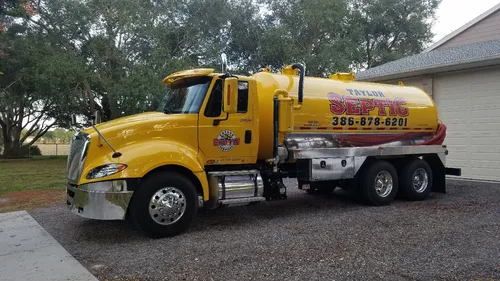
Deltona Septic Services
500 Walker St, Holly Hill, FL 32117
Deltona Septic Services is a septic and grease trap cleaning company serving Daytona Beach, FL. They offer a variety of septic system services including pumping, inspection, repairs, installation, drainfield replacements, and lift station service. Their team is equipped to handle routine maintenance and emergency septic issues to help maintain system health and prevent failures. The company has experience addressing septic problems and providing pump system expertise to local homeowners and property owners.
All Daytona Septic Tank Services
1637 State Ave, Daytona Beach, FL 32117
All Daytona Septic Tank Services, Inc. is a family-owned company serving Daytona Beach, FL, since 1977. They provide residential and commercial septic system services, including pump-outs, drain field repairs, system diagnostics, and grease trap cleaning and installation. The company is licensed, insured, and state-certified, with over 30 years of experience. They offer 24-hour emergency pump-out services and comply with local environmental regulations to minimize impact while maintaining system efficiency.
Understanding Florida and Ormond Beach FOG Regulations
Compliance begins with understanding the regulatory landscape. In Florida, grease trap rules are primarily governed by the Florida DEP, which mandates that all food service establishments install and maintain approved grease interceptors1. These devices are required to prevent FOG from entering the public sewer system, where it can solidify, cause blockages, and lead to costly sanitary sewer overflows (SSOs).
Local utilities, such as the City of Ormond Beach Water/Wastewater Department, adopt and enforce these state rules, often with additional local ordinances. For instance, neighboring Daytona Beach's utility FOG program manual is a common reference model for the region. Key universal requirements include:
- Licensed Haulers: All grease trap waste must be pumped and transported by a state-licensed hauler 2.
- Manifest Tracking: A detailed, sealed manifest must accompany the waste from your restaurant to the permitted disposal or recycling facility. The restaurant must retain its copy of this manifest as proof of proper disposal for at least three years.
- Approved Disposal: Waste must be taken to a DEP-permitted facility, not dumped illegally.
Types of Grease Traps and Interceptors
Knowing your equipment is the first step to proper maintenance. The type and size of your unit directly impact service frequency and cost.
- Grease Interceptors: These are large, outdoor units, typically over 1,000 gallons, installed underground. They service the entire kitchen's plumbing and are common for high-volume restaurants.
- Grease Traps: These are smaller, often under-sink units (usually under 50 gallons) that capture grease from a specific fixture, like a pot sink. They fill up much faster than large interceptors.
The location of your interceptor must be approved by the local authority and be easily accessible for service vehicles and cleaning crews. It cannot be located within food preparation or storage areas.
Determining Your Cleaning Schedule and the "25% Rule"
Service frequency is not a one-size-fits-all schedule; it's determined by your specific operation and equipment. While local ordinances may set minimum requirements (e.g., quarterly for large interceptors), the best practice is to follow the "25% Rule"3 4.
This rule states that a grease interceptor should be cleaned when the combined FOG and solids layer reaches 25% of the unit's liquid depth. Allowing grease to exceed this level significantly reduces the trap's efficiency and increases the risk of grease escaping into the sewer lines. For a high-volume kitchen, a large interceptor might need pumping every 90 days. For a smaller establishment with an under-sink grease trap, monthly or even bi-weekly service may be necessary5 6. Your licensed service provider can help you establish an optimal schedule based on your usage.
The Critical Role of Staff Training and Best Practices
A grease trap is only as effective as the practices upstream. Proper staff training is a cornerstone of compliance and cost control. Key training points include:
- Scrape, Don't Rinse: All cookware, dishes, and utensils should be scraped into a trash or compost bin before rinsing.
- No Grease Down the Drain: Never pour used fryer oil, pan drippings, or greasy liquids down any sink or floor drain. These should be collected in sealed containers for used cooking oil recycling.
- Use Sink Strainers: Install and maintain strainers in all prep and pot sinks to catch food solids.
- Recognize Problems: Train staff to identify signs of a full trap, such as slow drainage, gurgling sounds, or foul odors, and report them immediately.
Find the perfect grease trap cleaning companies for your needs
Get personalized recommendations and expert advice
The Cost of Grease Trap Service in Ormond Beach
Understanding the cost factors helps in budgeting and avoiding unexpected expenses. Pricing for grease interceptor pumping is not flat and depends on several variables.
- Size and Capacity: Larger units cost more to service.
- Accessibility: Easily accessible, outdoor units are less expensive than indoor or hard-to-reach traps.
- Level of Buildup: Regular maintenance on a schedule is far less costly than emergency service for a completely clogged unit.
- Service Contract: Many providers offer reduced rates for customers who sign up for regular, scheduled service contracts.
For a standard pump-out of a large outdoor interceptor on a scheduled basis, restaurants in the Ormond Beach area can expect costs generally ranging from $250 to $400 or more per service7 8. In contrast, emergency service calls, often required for backups or inspections, can cost between $800 and $1,200+ due to after-hours fees and the complexity of the unplanned cleanup9.
Compliance Documentation and Inspections
Your paper trail is your proof of compliance. The waste manifest is the most important document. After each service, ensure you receive a completed, signed manifest from your hauler that details the volume removed, the date, and the final disposal facility. File these manifests securely.
Local utility inspectors and DEP officials have the authority to inspect your premises and your records. They will check for:
- Proper interceptor condition and accessibility.
- Up-to-date manifests and service records.
- Evidence of illegal dumping or improper maintenance.
Consequences of Non-Compliance
Failing to adhere to FOG regulations carries serious consequences for Ormond Beach restaurants. Enforcement actions can include 10:
- Substantial Fines: Penalties for violations, such as missing manifests or illegal dumping, can run into thousands of dollars.
- Cleanup Costs: If a blockage caused by your establishment leads to a sewer spill, you can be held liable for all cleanup and remediation costs.
- Operational Disruption: A severe violation could lead to a suspension of your wastewater service or other operational licenses until the issue is corrected.
Choosing a Licensed Service Provider in Ormond Beach
Selecting the right partner is crucial. Always verify that a provider holds a valid Florida DEP license for grease waste transportation. Ask for proof of insurance and references from other local restaurants. A reputable provider will not only pump the trap but also:
- Provide a detailed, signed manifest.
- Advise on an optimal service schedule.
- Identify potential issues with your interceptor.
- Offer used cooking oil collection as a complementary service.
Your First Actionable Step: Contact the City of Ormond Beach Water/Wastewater Department directly. Request a copy of their specific FOG control ordinance and clarify any local requirements that may be more stringent than state rules11 12. This ensures your compliance plan is built on accurate, local information.
Frequently asked questions
Sources
Footnotes
-
Grease Waste | Florida Department of Environmental Protection - https://floridadep.gov/waste/permitting-compliance-assistance/content/grease-waste ↩
-
Section 1003 - Interceptors and Separators | Wildwood Florida - https://www.wildwood-fl.gov/waste-water/page/section-1003-interceptors-and-separators ↩
-
Florida Grease Trap Regulations Concern Commercial Kitchen ... - https://replaceyourgarbagedisposal.com/grease-trap/florida-grease-trap-regulations-concern-commercial-kitchen-owners/ ↩
-
Restaurant Grease Trap Cleaning FAQs - Mahoney Environmental - https://www.mahoneyes.com/restaurant-grease-trap-cleaning-faqs/ ↩
-
Grease Disposal Regulations in South Florida: Expert Insights - https://www.greaseprosrecycling.com/grease-disposal-regulations-fl/ ↩
-
Grease Trap Regulations and Compliance: What You Need to ... - https://www.texwaywastewater.com/grease-trap-regulations-and-compliance/ ↩
-
Ultimate Grease Trap Pumping Cost Guide: Essential Money-Saving ... - https://www.texwaywastewater.com/grease-trap-pumping-cost/ ↩
-
Grease Trap Cleaning Prices | Guide on the Industry Average - https://grease-cycle.com/grease-trap-pumping-cost/ ↩
-
How Much Does a Proper Grease Trap Cleaning Cost? - https://hulseyenvironmental.com/how-much-does-a-proper-grease-trap-cleaning-partner-cost/ ↩
-
County Fines for Illegal Grease Dumping Across South Florida - https://greaseconnections.com/county-fines-for-illegal-grease-dumping-across-south-florida/ ↩
-
Fats, Oils, and Grease Program Manual - Daytona Beach - https://www.daytonabeach.gov/DocumentCenter/View/12775/FOG-MANUAL-?bidId= ↩
-
The Ultimate Guide to Restaurant Grease Trap Cleaning - https://mokherplumbing.com/ultimate-guide-restaurant-grease-trap-cleaning/ ↩