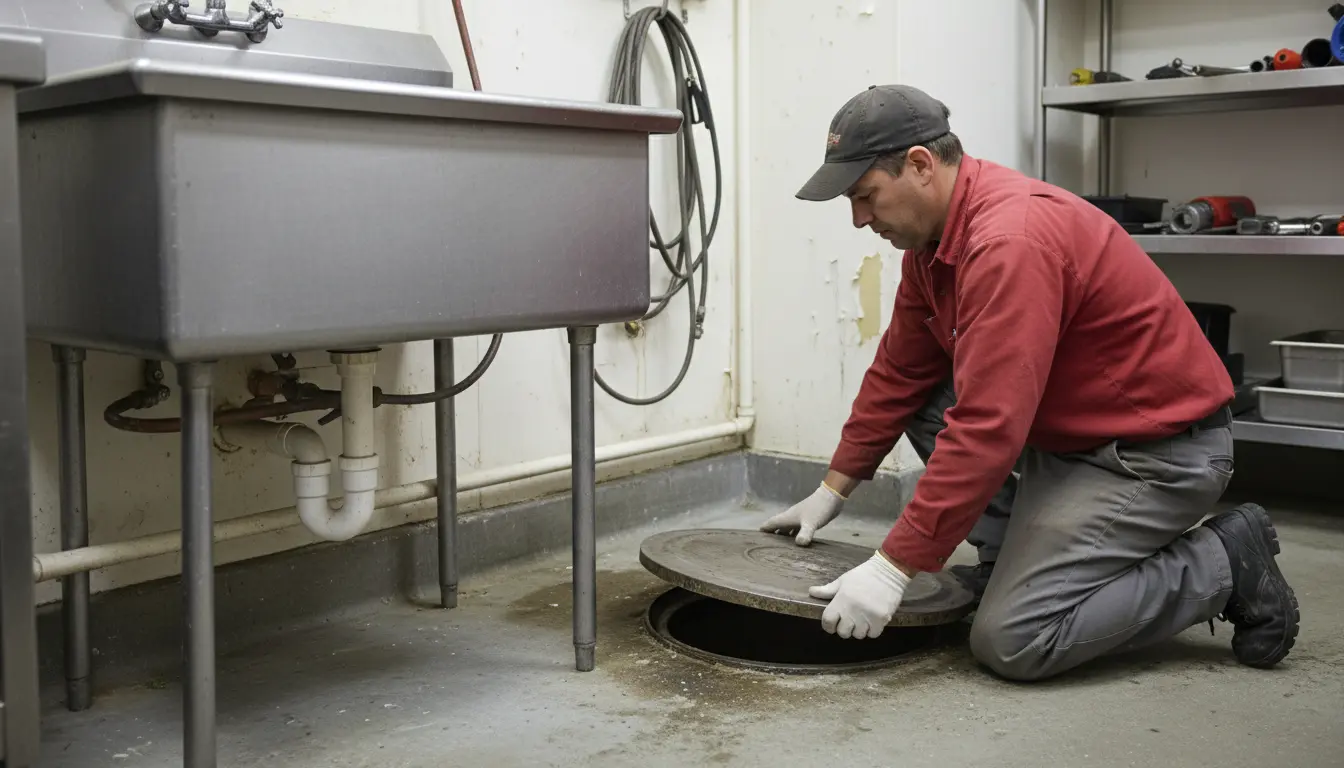
Find the Best Grease Trap Cleaning Companies for Your Business
No obligation • Fast responses • Nationwide coverage

Why you can trust Restaurant Waste Disposal
Restaurant Waste Disposal is a leading U.S. resource for comparing restaurant composting, food-waste recycling, grease trap cleaning, and used cooking oil collection services. Our editorial team researches providers, checks credentials, and organizes unbiased information so operators can make informed decisions. Companies cannot pay to change ratings or placement.
Search providers near you
Top Grease Trap Cleaning Companies in North Miami, Florida Ranked
For any restaurant, food truck, or commercial kitchen operating in North Miami, proper grease interceptor maintenance is not just a best practice-it's a legal requirement enforced by Miami-Dade County and the State of Florida. The city's strict regulations are designed to protect the local sewer infrastructure and waterways from harmful Fats, Oils, and Grease (FOG) pollution. Compliance hinges on obtaining the correct permit, adhering to a mandated pumping schedule, and maintaining detailed records. Failure to do so can result in significant fines, business interruptions, and costly emergency repairs. This guide outlines the essential steps for FOG compliance, the importance of proactive maintenance, and what North Miami food service establishments need to know to operate smoothly and avoid penalties.

Champion Septic Tank - Grease Trap Storm Drain Lift Station
405 E 41st St Unit 1D, Hialeah, FL 33013
Champion Septic Tank - Grease Trap Storm Drain Lift Station provides comprehensive septic and grease trap services in Miami, FL. Serving residential and commercial clients across Miami-Dade, Broward, and Palm Beach counties, they specialize in grease trap cleaning, septic tank pumping and cleaning, drain field installation and replacement, storm drain cleaning, and lift station pumping. Their licensed team uses advanced equipment such as high-pressure hydro jetting and vacuum trucks to ensure thorough cleaning and maintenance. With over 10 years of experience, Champion Septic Tank offers 24/7 emergency services, including same-day response for urgent septic and grease trap issues, supporting restaurants, commercial kitchens, and homeowners throughout the region.

Champion Septic Tank - Grease Trap Storm Drain Lift Station
4000 Hollywood Blvd suite 555-s, Hollywood, FL 33021
Champion Septic Tank - Grease Trap Storm Drain Lift Station is a licensed and insured septic service provider based in Miami, FL. They offer a wide range of services including septic tank pumping, cleaning, drain field installation and replacement, grease trap cleaning, storm drain maintenance, and lift station pumping. Serving residential and commercial clients across Miami-Dade, Broward, and Palm Beach counties, they specialize in hydrojetting and advanced sewer camera inspections to ensure thorough cleaning and system diagnostics. With over 10 years of experience, Champion Septic Tank is known for its comprehensive septic system care and 24/7 emergency service availability.
Zoom Drain
20815 NE 16th Ave Unit B44, Miami, FL 33179
Zoom Drain is a specialist in drain and sewer cleaning, inspection, and repair based in Miami, FL. They serve residential, commercial, and food service clients in Miami and surrounding areas, offering services such as grease trap maintenance and hydro jetting. The company uses advanced tools like video camera inspections and provides tailored maintenance plans for property managers and contractors. Zoom Drain operates 24/7 to address emergency drain and sewer issues promptly.
Zoom Drain
12075 NW 40th St Unit 3, Coral Springs, FL 33065
Zoom Drain is a drain and sewer service provider based in Fort Lauderdale, FL, serving Coral Springs, Boca Raton, and other areas throughout Broward County. They specialize in residential and commercial drain cleaning, sewer inspections, and repairs, including grease trap maintenance for the food and hospitality sector. Using advanced equipment and techniques, Zoom Drain offers focused and efficient solutions to keep wastewater systems running smoothly. The company supports property managers, contractors, and homeowners with tailored maintenance plans and a referral program. Zoom Drain is recognized for its knowledgeable technicians and fast response times.
All-Star Pump Outs - Septic Tanks Grease Traps Storm Drains Lift Stations
3325 W Okeechobee Rd, Hialeah, FL 33012
All-Star Pump Outs - Septic Tanks Grease Traps Storm Drains Lift Stations provides septic system services, grease trap cleaning, storm drain maintenance, lift station servicing, and drainfield installations in Miami, FL. The company offers hydro jet cleaning and septic system replacements, ensuring thorough and precise work with clear communication in English or Spanish. Customers appreciate their responsiveness and professionalism, including same-day service for urgent needs. All-Star Pump Outs is known for detailed explanations and honest work, serving both residential and commercial clients.
Understanding Miami-Dade County's FOG Regulations
At the heart of grease management in North Miami is the Miami-Dade County Department of Environmental Resources Management (DERM). DERM mandates that all food service establishments (FSEs) obtain and maintain a Grease Discharge Operating (GDO) Permit. This permit is non-negotiable and is the foundation of your legal compliance. The regulations are primarily governed by Florida Statutes 403.0741 and the Florida Administrative Code (FAC) 62-705, which set the statewide framework for grease waste management 1.
The core principle is prevention: keeping FOG out of the public sewer system. When grease cools and solidifies in pipes, it creates blockages that can lead to sanitary sewer overflows (SSOs), which are environmentally damaging and extremely expensive to remediate. Miami-Dade's program is specifically structured to be proactive, placing the responsibility for interception and proper disposal squarely on the business generating the waste.
The Mandatory Grease Interceptor
Your first line of defense and a permit requirement is a properly sized and functioning grease interceptor (commonly called a grease trap). This device is installed in your wastewater line and is designed to capture and separate FOG from water before it exits your property. Interceptors can be located inside (under sinks) or outside (in-ground), with larger establishments typically requiring the more substantial in-ground models. It is the business owner's responsibility to ensure this device is operational and maintained according to code 2.
The Critical 90-Day / 25% Rule
Miami-Dade County has a clear, non-negotiable standard for how often your grease interceptor must be serviced. This is often called the "90-Day or 25% Rule," and compliance is rigorously enforced.
- Frequency: Your interceptor must be pumped out at least every 90 days.
- Capacity Trigger: More importantly, it must be cleaned whenever the combined depth of floating grease and settled solids reaches 25% of the liquid depth of the trap.
- Whichever Comes First: You must service your trap at the 90-day mark OR when it hits 25% capacity-whichever condition occurs first3 4.
This rule emphasizes that a calendar schedule alone is not sufficient. A high-volume kitchen might fill its trap well before 90 days, making more frequent service necessary. Regular measurement by your service provider is essential to determine the correct pumping schedule for your specific operation.
Inspection and Enforcement: What to Expect
DERM inspectors conduct routine and complaint-driven inspections of food service establishments. During an inspection, they don't just take your word for it; they verify compliance physically. Inspectors use a tool called a core sampler to extract a vertical column of material from your interceptor. This allows them to accurately measure the layers of grease, solids, and water to determine if the 25% rule is being violated5 6.
The consequences of non-compliance are severe:
- Substantial Fines: Violations can result in fines ranging from hundreds to thousands of dollars per occurrence.
- Operational Shutdown: In severe cases, DERM can issue an order to cease operations until the violation is corrected and the interceptor is properly cleaned.
- Additional Costs: You may be held liable for the cost of cleaning any sewer blockages caused by your establishment's FOG, which can be astronomically high.
- Reputational Damage: Fines and shutdowns are public record and can harm your business's reputation in the community.
Find the perfect grease trap cleaning companies for your needs
Get personalized recommendations and expert advice
The Cost of Compliance vs. The Price of Neglect
Investing in regular grease trap maintenance is far more economical than dealing with the fallout of neglect. Costs for service in North Miami vary based on the size of your interceptor, its condition, and the type of service required.
- Scheduled Maintenance/Pumping: For routine service performed on a regular schedule (e.g., quarterly), costs typically range from $250 to $400 per service. This is the most cost-effective path.
- Standard Pump-Out: A standard pump-out for a trap in normal condition can cost between $175 and $475, with the final price depending on tank size and accessibility.
- Emergency Service: If you miss a scheduled cleaning and your trap overflows, backs up, or causes an inspection failure, emergency service calls can cost $800 to $1,200 or more7 8. This does not include any fines that will also be levied.
The data is clear: proactive, scheduled maintenance is a fixed, manageable operating expense. Reacting to an emergency or violation is a variable, unbudgeted cost that can be 3-4 times higher, plus penalties.
Online Reporting: Your Paper Trail is Digital
A key component of Miami-Dade's GDO Permit compliance is documentation. Every time your grease interceptor is pumped and cleaned, the service provider is required to submit a report to DERM through the County's online reporting portal. As the permit holder, you must ensure this happens. You should also keep your own copies of all service receipts and reports (often called "trip tickets") for at least three years.
This digital paper trail provides proof of compliance during inspections. An inspector can quickly check the county system to verify your service history. Missing or late reports can be considered a violation, even if the physical pumping was done on time.
Choosing a Service Provider in North Miami
Selecting a reliable grease trap cleaning partner is a critical business decision. Look for a provider that:
- Is Fully Licensed and Insured: They must be licensed to handle and transport grease waste in Florida.
- Understands Local Code: They should be intimately familiar with Miami-Dade's 90-day/25% rule, GDO permit requirements, and the online reporting system.
- Provides Detailed Documentation: They must supply you with a detailed trip ticket for every service and confirm that the online report has been filed with DERM.
- Offers Scheduled Maintenance Plans: A provider that helps you set up a proactive schedule is investing in your compliance and preventing emergencies.
- Properly Disposes of Waste: Ensure they haul the collected grease and solids to a licensed rendering plant or wastewater treatment facility, as required by Florida DEP rules (FAC 62-705)9.
A good service provider acts as a compliance partner, not just a vacuum truck operator.
Beyond the Trap: Best Practices for Kitchen Management
While professional interceptor cleaning is mandatory, what happens in your kitchen directly impacts how quickly your trap fills and how effective it is.
- Scrape Plates: Scrape all food scraps into the trash or compost before washing.
- Use Strainers: Install and clean sink strainers to catch solid particles.
- Collect Grease: Never pour cooking oil or grease down the drain. Use dedicated containers and have them collected by a licensed used cooking oil recycler.
- Educate Staff: Train all kitchen staff on these practices. Compliance is a team effort.
Implementing these source-control measures can extend the time between necessary pump-outs, saving you money and reducing the risk of compliance issues.
Frequently asked questions
Sources
Footnotes
-
THE BASICS OF GREASE TRAP PERMITS IN MIAMI-DADE - https://www.gray-robinson.com/docs/Insight_Food-Law_Valerie-Haber_DERM-Grease-Traps.pdf ↩
-
Grease Trap Replacement Miami Beach, FL - Coral Gables Plumbing - https://www.coralgablesplumbing.com/fog-compliance-miami ↩
-
Fats, Oils and Grease (FOG) - Miami-Dade County - https://www.miamidade.gov/global/environment/code-compliance/fats-oils-grease.page ↩
-
Grease-Trap Pump-Out Rule | 90 Days or 25 % in Miami-Dade - https://greaseconnections.com/resources/compliance/fl/miami-dade/grease-trap-pump-out-schedule/ ↩
-
Grease Disposal Regulations in South Florida: Expert Insights - https://www.greaseprosrecycling.com/grease-disposal-regulations-fl/ ↩
-
Miami-Dade FOG & GDO Compliance Guide for Restaurants ... - https://www.greaseprosrecycling.com/miami-dade-fog-and-gdo-compliance/ ↩
-
Ultimate Grease Trap Pumping Cost Guide: Essential Money-Saving ... - https://www.texwaywastewater.com/grease-trap-pumping-cost/ ↩
-
How Much Does a Proper Grease Trap Cleaning Cost? - https://hulseyenvironmental.com/how-much-does-a-proper-grease-trap-cleaning-partner-cost/ ↩
-
Grease Waste | Florida Department of Environmental Protection - https://floridadep.gov/waste/permitting-compliance-assistance/content/grease-waste ↩