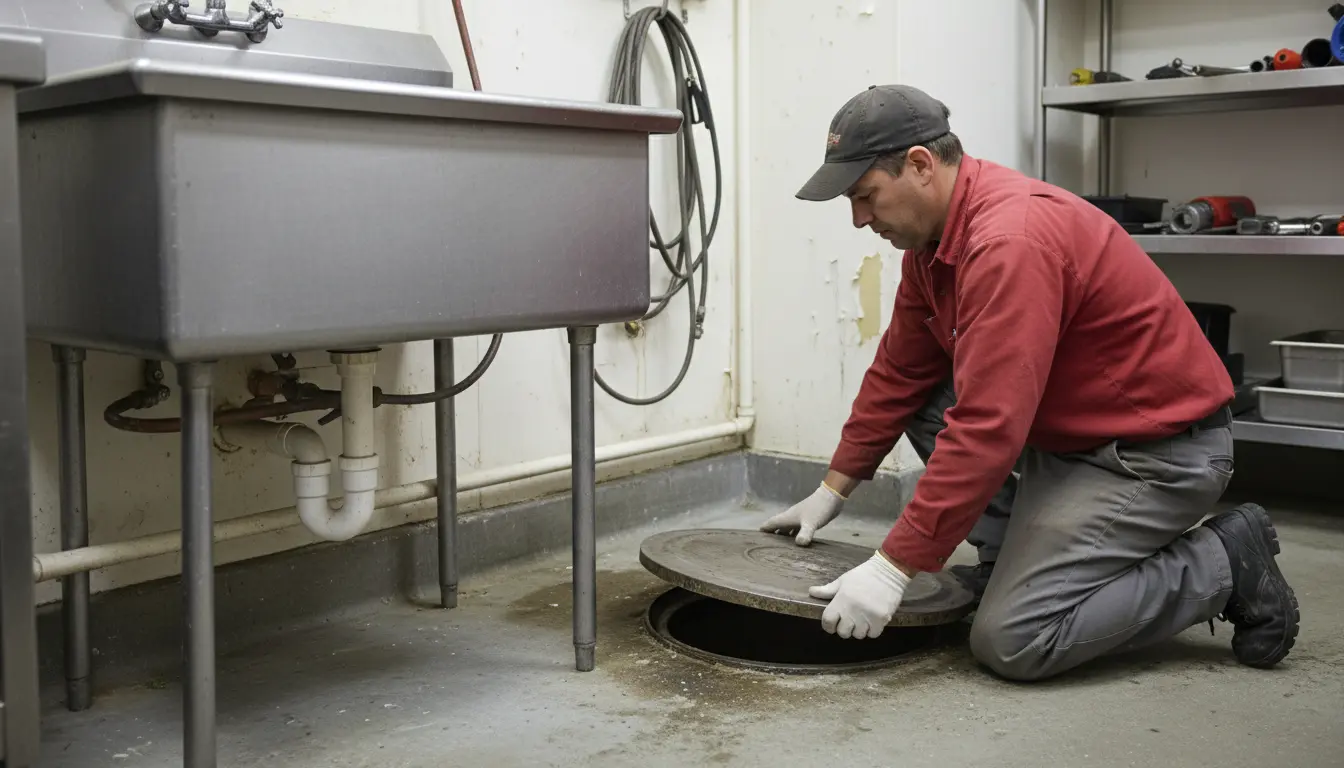
Find the Best Grease Trap Cleaning Companies for Your Business
No obligation • Fast responses • Nationwide coverage

Why you can trust Restaurant Waste Disposal
Restaurant Waste Disposal is a leading U.S. resource for comparing restaurant composting, food-waste recycling, grease trap cleaning, and used cooking oil collection services. Our editorial team researches providers, checks credentials, and organizes unbiased information so operators can make informed decisions. Companies cannot pay to change ratings or placement.
Search providers near you
Top Grease Trap Cleaning Companies in Miramar, Florida Ranked
For restaurant owners and food service operators in Miramar, managing fats, oils, and grease (FOG) is a critical operational and legal responsibility. Located in Broward County, Miramar businesses must adhere to strict state and local regulations designed to protect the municipal sewer system from costly blockages and environmental damage. Effective grease interceptor maintenance isn't just about avoiding clogs in your own kitchen; it's a mandated compliance activity with specific cleaning frequencies, documentation requirements, and financial consequences for non-compliance. This guide outlines the essential rules, costs, and best practices for keeping your establishment in good standing with local authorities.

Champion Septic Tank - Grease Trap Storm Drain Lift Station
405 E 41st St Unit 1D, Hialeah, FL 33013
Champion Septic Tank - Grease Trap Storm Drain Lift Station provides comprehensive septic and grease trap services in Miami, FL. Serving residential and commercial clients across Miami-Dade, Broward, and Palm Beach counties, they specialize in grease trap cleaning, septic tank pumping and cleaning, drain field installation and replacement, storm drain cleaning, and lift station pumping. Their licensed team uses advanced equipment such as high-pressure hydro jetting and vacuum trucks to ensure thorough cleaning and maintenance. With over 10 years of experience, Champion Septic Tank offers 24/7 emergency services, including same-day response for urgent septic and grease trap issues, supporting restaurants, commercial kitchens, and homeowners throughout the region.

Champion Septic Tank - Grease Trap Storm Drain Lift Station
4000 Hollywood Blvd suite 555-s, Hollywood, FL 33021
Champion Septic Tank - Grease Trap Storm Drain Lift Station is a licensed and insured septic service provider based in Miami, FL. They offer a wide range of services including septic tank pumping, cleaning, drain field installation and replacement, grease trap cleaning, storm drain maintenance, and lift station pumping. Serving residential and commercial clients across Miami-Dade, Broward, and Palm Beach counties, they specialize in hydrojetting and advanced sewer camera inspections to ensure thorough cleaning and system diagnostics. With over 10 years of experience, Champion Septic Tank is known for its comprehensive septic system care and 24/7 emergency service availability.
Zoom Drain
20815 NE 16th Ave Unit B44, Miami, FL 33179
Zoom Drain is a specialist in drain and sewer cleaning, inspection, and repair based in Miami, FL. They serve residential, commercial, and food service clients in Miami and surrounding areas, offering services such as grease trap maintenance and hydro jetting. The company uses advanced tools like video camera inspections and provides tailored maintenance plans for property managers and contractors. Zoom Drain operates 24/7 to address emergency drain and sewer issues promptly.
Zoom Drain
12075 NW 40th St Unit 3, Coral Springs, FL 33065
Zoom Drain is a drain and sewer service provider based in Fort Lauderdale, FL, serving Coral Springs, Boca Raton, and other areas throughout Broward County. They specialize in residential and commercial drain cleaning, sewer inspections, and repairs, including grease trap maintenance for the food and hospitality sector. Using advanced equipment and techniques, Zoom Drain offers focused and efficient solutions to keep wastewater systems running smoothly. The company supports property managers, contractors, and homeowners with tailored maintenance plans and a referral program. Zoom Drain is recognized for its knowledgeable technicians and fast response times.
All-Star Pump Outs - Septic Tanks Grease Traps Storm Drains Lift Stations
3325 W Okeechobee Rd, Hialeah, FL 33012
All-Star Pump Outs - Septic Tanks Grease Traps Storm Drains Lift Stations provides septic system services, grease trap cleaning, storm drain maintenance, lift station servicing, and drainfield installations in Miami, FL. The company offers hydro jet cleaning and septic system replacements, ensuring thorough and precise work with clear communication in English or Spanish. Customers appreciate their responsiveness and professionalism, including same-day service for urgent needs. All-Star Pump Outs is known for detailed explanations and honest work, serving both residential and commercial clients.
Understanding Local FOG Regulations and Compliance
Miramar restaurants fall under the jurisdiction of both Florida state law and the Broward County FOG Program. The cornerstone of these regulations is the mandatory cleaning frequency: grease traps and interceptors must be pumped at least every 90 days or when the accumulated grease and solids reach 25% of the unit's capacity, whichever comes first 1. This isn't a suggestion-it's a enforceable rule. The county requires that this service be performed by a licensed hauler, who must complete a detailed Service Manifest for each cleaning2. You are legally required to keep these manifests on-site for a minimum of three years as proof of compliance for surprise inspections 3.
Beyond cleaning, compliance involves an annual administrative step. Food service establishments in Broward County are typically required to pay an annual Grease Certificate fee, which is approximately $120. Ensuring your grease interceptor was correctly sized and installed according to the Florida Building Code is also part of your long-term compliance, as an undersized or poorly located trap can make consistent maintenance difficult4.
The High Cost of Non-Compliance: Inspections and Fines
Local authorities, including Broward County inspectors, conduct unannounced audits to verify compliance. During these inspections, they will check for:
- Valid, on-site service manifests from a licensed hauler.
- Physical evidence that the trap is not over the 25% fullness limit.
- Payment of the annual grease fee.
- Signs of illegal dumping, such as grease in storm drains.
Failure to meet any requirement can result in significant penalties. Fines for violations in Broward County can range from $250 to over $1,000 per offense, with repeat violations incurring steeper penalties5. In severe cases of illegal dumping or chronic non-compliance, authorities can pursue legal action that may include business interruption. Staying proactive with your grease management plan is far less costly than reacting to a violation notice.
What Determines Grease Trap Cleaning Costs?
The price for professional grease trap pumping in Miramar is not one-size-fits-all; it depends on several key factors related to your specific operation. Understanding these can help you budget accurately and evaluate service quotes.
Trap Size and Type: This is the primary cost driver.
- Indoor Grease Traps: These are smaller units, often under 50 gallons, located inside the kitchen. Regular maintenance pumping for these typically ranges from $125 to $240 per service 6.
- Outdoor Grease Interceptors: These are large, in-ground tanks that handle significant volume. Cleaning these larger units is more labor and resource-intensive, with costs commonly ranging from $225 to $315 or more per pump7 8.
Service Frequency and Contract: Establishing a regular service schedule (e.g., quarterly) with a provider is almost always more economical than calling for one-time emergency services. Contracted customers often receive a lower per-service rate and guaranteed scheduling priority.
Establishment Volume and FOG Output: A high-volume restaurant like a busy steakhouse or a large cafeteria will generate grease much faster than a small café. Providers may adjust pricing based on the actual volume of waste removed, which can be higher for heavy-use establishments even if the trap size is standard.
Accessibility and Location: An outdoor interceptor that is easily accessible with a clear path for hose lines will cost less to service than one blocked by dumpsters or landscaping. Indoor traps can sometimes pose challenges with ventilation and cleanup, potentially affecting the price.
Find the perfect grease trap cleaning companies for your needs
Get personalized recommendations and expert advice
Building a Proactive Grease Management Plan
Compliance is more than a quarterly pump-out. A proactive plan integrates daily practices with professional services to ensure efficiency and avoid emergencies.
Daily Kitchen Best Practices: Train staff to scrape food scraps into compost or trash bins before washing, use sink strainers, and avoid pouring any fats or oils down the drain. Implementing simple "dry-wiping" of pots and pans before rinsing can dramatically reduce the grease load entering your trap.
Choosing a Licensed Service Provider: Always verify that your grease hauler is licensed with Broward County. A reputable provider will not only pump the trap but also:
- Provide the required, detailed service manifest.
- Offer advice on trap performance and any potential issues.
- Dispose of the collected FOG at a certified rendering or recycling facility, providing you with documentation of proper disposal.
Maintaining Impeccable Records: Designate a binder or digital folder specifically for grease maintenance. File every service manifest, receipt, and correspondence related to your annual fee. This organized record-keeping is your first line of defense during an inspection.
The Environmental and Community Impact
Proper grease trap maintenance extends beyond your kitchen walls. When FOG is poured down drains, it cools and solidifies inside public sewer pipes, combining with other debris to create massive "fatbergs." These blockages can lead to:
- Sanitary Sewer Overflows (SSOs): Raw sewage can back up into streets, parks, and local waterways, including the sensitive Everglades ecosystem bordering Miramar.
- Increased Utility Costs: Municipalities spend millions annually to repair damaged sewer lines and pump stations, costs often passed on to residents and businesses through higher rates.
- Environmental Damage: Sewage overflows introduce harmful bacteria and nutrients into local waters, threatening wildlife and water quality.
By responsibly managing your grease, you contribute to the health of Miramar's infrastructure and its natural environment. The recycled grease (yellow grease) is often converted into biofuels, turning a waste product into renewable energy.
Frequently asked questions
Sources
Footnotes
-
Grease Disposal Regulations in South Florida: Expert Insights - https://www.greaseprosrecycling.com/grease-disposal-regulations-fl/ ↩
-
Grease Waste | Florida Department of Environmental Protection - https://floridadep.gov/waste/permitting-compliance-assistance/content/grease-waste ↩
-
Miami-Dade FOG & GDO Compliance Guide for Restaurants 2025 - https://www.greaseprosrecycling.com/miami-dade-fog-and-gdo-compliance/ ↩
-
Cleaning of Grease traps regulations | Quick clean US MIAMI - https://quickclean.us/grease-traps-regulations-businesses-need-to-know/ ↩
-
Florida Grease Compliance | 90-Day Rule & County Fees - https://greaseconnections.com/resources/compliance/fl/ ↩
-
How Much Does a Proper Grease Trap Cleaning Cost? - https://hulseyenvironmental.com/how-much-does-a-proper-grease-trap-cleaning-partner-cost/ ↩
-
Grease Trap Cleaning Prices | Guide on the Industry Average - https://grease-cycle.com/grease-trap-pumping-cost/ ↩
-
How Much Does It Cost to Clean Your Grease Trap? - https://www.aquaprosolutions.com/resources/how-much-does-it-cost-to-clean-your-grease-trap/ ↩