
Find the Best Grease Trap Cleaning Companies for Your Business
No obligation • Fast responses • Nationwide coverage

Why you can trust Restaurant Waste Disposal
Restaurant Waste Disposal is a leading U.S. resource for comparing restaurant composting, food-waste recycling, grease trap cleaning, and used cooking oil collection services. Our editorial team researches providers, checks credentials, and organizes unbiased information so operators can make informed decisions. Companies cannot pay to change ratings or placement.
Search providers near you
Top Grease Trap Cleaning Companies in Melbourne, Florida Ranked
For restaurant owners and kitchen managers in Melbourne, Florida, maintaining a clean and compliant grease trap system is a critical operational responsibility. It's not just about preventing clogs and foul odors; it's a legal requirement governed by strict state and local regulations. Proper grease interceptor maintenance protects the city's sewer infrastructure from costly blockages and environmental damage, while also safeguarding your business from significant fines and operational shutdowns. Navigating these rules requires an understanding of Florida law, Brevard County's specific expectations, and the importance of partnering with a licensed hauler who provides proper documentation for every service.
Understanding the regulatory landscape is the first step toward compliance. Florida state law, specifically Senate Bill 1110, mandates that all food service establishments (FSEs) must properly dispose of grease trap waste through a licensed hauler and maintain detailed records, known as manifests, for every pumping event. These manifests are your proof of lawful disposal and are non-negotiable. Locally, municipalities like West Melbourne have enacted even more specific Fats, Oils, and Grease (FOG) programs, such as Ordinance 2013-02, which requires restaurants to install approved interceptors, keep meticulous maintenance logs on-site, and notify the city of cleaning schedules. Inspections by the Florida Department of Environmental Protection (DEP) or local officials can occur at any time, and your ability to present organized logs and manifests is the primary defense against violations.
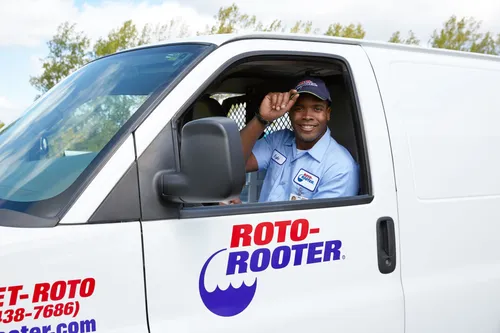
Roto-Rooter Plumbing & Water Cleanup
927 E New Haven Ave #306, Melbourne, FL 32901
Roto-Rooter Plumbing & Water Cleanup offers comprehensive residential and commercial plumbing services in Palm Bay, FL, and surrounding communities. Their services include emergency flood cleanup, sewer and drain cleaning, water heater repair and installation, grease trap cleaning, and mold remediation. The company is equipped to handle complex commercial plumbing systems and provides specialized capabilities such as high-pressure water jetting (hydro-jetting) and grease trap maintenance. Roto-Rooter serves a broad area including Melbourne, Cocoa Beach, and Merritt Island, with 24/7 emergency availability to address urgent plumbing issues any time of day or night.
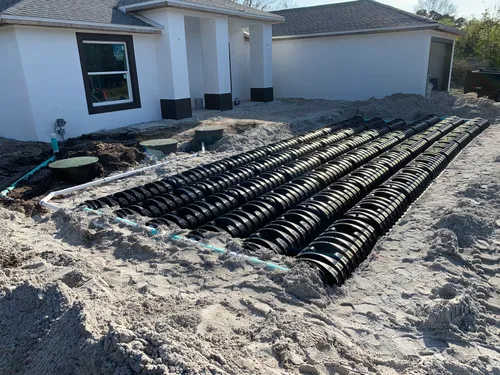
Top Notch Septic
454 Martin Rd #105, Palm Bay, FL 32909
Top Notch Septic is a septic service provider based in Palm Bay, FL, serving all of Brevard County. They offer a range of services including septic tank pumping, system inspections for residential and commercial properties, system installation, grease trap cleaning, and septic system locating. Their team manages the entire process from permits to final inspections for new construction or repairs. Top Notch Septic focuses on maintaining septic systems to ensure efficient operation and longevity.

Drain Mechanics Plumbing & Septic
1501 Depew St SE, Palm Bay, FL 32909
Drain Mechanics Plumbing & Septic is a master plumber and septic contractor based in Palm Bay, FL. They provide residential and commercial plumbing services, including septic tank and grease trap pump out and inspections, drain cleaning with hydro-jetting and video inspections, pipe repair and replacement, faucet installation, and backflow prevention. The company offers 24/7 emergency services and employs certified, trained personnel. Drain Mechanics also provides new construction and remodel plumbing services, emphasizing preventative maintenance and routine care. Their team is experienced in working with various piping materials and offers a one-year warranty on their work.
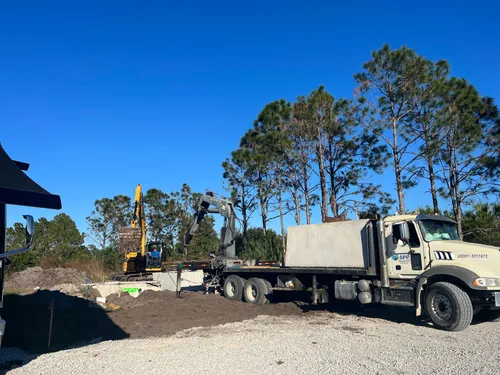
Crotty Septic Services Palm Bay
4450 Gumbo Limbo Ln, Grant-Valkaria, FL 32949
Crotty Septic Services Palm Bay is a licensed master septic tank contractor serving Palm Bay, FL, and surrounding Brevard County areas. With over 25 years of experience, they provide residential and commercial septic system services including installation, repair, inspection, permitting, and hydro-jet cleaning. Their capabilities extend to advanced wastewater and aerobic treatment system installations, as well as grease trap and lift station pumping. The company also offers sitework services such as land clearing and grading. Crotty Septic Services is known for handling emergency and routine septic needs with a focus on technical expertise and thorough service.
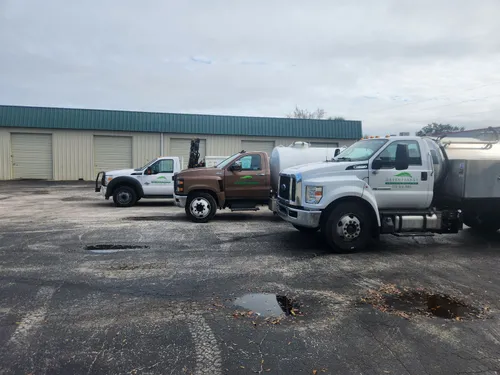
Green Planet Central Florida LLC
2080 Meadowlane Ave, West Melbourne, FL 32904
Green Planet Central Florida LLC is a used cooking oil collection and grease trap cleaning company based in Palm Bay, FL. They offer services including used cooking oil collection, grease trap cleaning, and line jetting to maintain clear and functional kitchen drainage systems. The company emphasizes reliable containment and cleanliness, providing pressure washing of disposal areas as part of their service. Green Planet Central Florida LLC serves the Palm Bay area with specialized equipment to prevent clogs and blockages in grease traps and pipes.
Understanding Florida and Melbourne-Area Grease Trap Regulations
Compliance begins with knowing the rules. The framework involves multiple layers of oversight designed to prevent grease from entering the public sewer system.
State-Level Mandates (Florida DEP) The Florida Department of Environmental Protection (DEP) sets the baseline for all commercial kitchens in the state. Key requirements include:
- Licensed Haulers: All grease trap waste must be removed and transported by a state-licensed hauler.
- Mandatory Manifests: For every service, your provider must issue a manifest detailing the volume of waste collected and its final, approved disposal destination. You must retain these documents for inspection.
- Proper Disposal: Waste cannot be dumped illegally. It must be taken to a DEP-approved facility, such as a wastewater treatment plant or rendering facility.
Local Ordinances and Enforcement Within Brevard County, cities like West Melbourne have their own supplemental FOG control programs. West Melbourne's ordinance, for example, requires:
- Interceptor Specifications: Grease traps must be of an approved type and size, calculated based on your kitchen's flow rate and plumbing fixture units.
- Accessibility: Traps must be easily accessible for cleaning and inspection without requiring excavation or dismantling equipment.
- Record-Keeping: A maintenance log must be kept on the premises, detailing every cleaning date, the name of the servicing company, and the amount of grease and solids removed.
- City Notification: Some local programs may require advance notification before a trap is cleaned.
Failure to adhere to these regulations can result in substantial fines, repeated violation fees, and in severe cases, the suspension of your utility service or business license.
Determining Your Grease Trap Cleaning Schedule
There is no universal schedule that fits every restaurant. The required frequency for pumping your grease interceptor depends on several factors unique to your operation. Adhering to a proactive schedule is far more cost-effective than reacting to an emergency.
Factors Influencing Cleaning Frequency
- Trap Size and Type: A small, under-sink grease interceptor (often 30-50 gallons) will fill much faster than a large, in-ground concrete grease trap (500+ gallons).
- Kitchen Volume: High-volume establishments, especially those frying foods regularly, will generate more fats, oils, and grease (FOG) than a low-volume cafe.
- Menu Offerings: A menu heavy in meats, dairy, and fried items contributes more FOG and solids than one focused on salads and sandwiches.
General Guidelines for Melbourne Restaurants As a rule of thumb, most health inspectors and plumbing professionals recommend the following baseline, which should be adjusted based on your specific conditions:
- Small Under-Sink Interceptors: Often require monthly cleaning or even more frequently 1.
- Larger In-Ground Interceptors: Typically need service every 1 to 3 months. A quarterly (every 3-month) schedule is a common starting point for many medium-sized restaurants 2.
- The 25% Rule: A best practice is to have your interceptor pumped when the combined FOG and solids reach 25% of the trap's liquid depth. This ensures the unit functions efficiently and prevents carryover into the sewer line.
The most reliable method is to have your licensed service provider conduct an initial assessment and recommend a schedule, which you can then document and follow consistently.
What to Expect: Service Process and Costs
Knowing what happens during a service and the associated costs helps in budgeting and evaluating service providers.
The Professional Cleaning Process A thorough service by a licensed hauler involves more than just vacuuming out liquid. A proper cleaning should include:
- Complete Evacuation: Pumping out all liquid contents, including water, grease, and solids.
- Scraping and Removal: Manually scraping hardened grease and solid debris from the walls, baffles, and bottom of the trap.
- High-Pressure Washing: Jet-spraying the interior to remove residual waste.
- Inspection: Checking the inlet and outlet tees, baffles, and overall structure for damage or wear.
- Waste Disposal: Transporting the waste in a licensed truck to a DEP-approved facility.
- Documentation: Providing you with a completed service manifest and updating your on-site maintenance log.
Understanding Pricing for Grease Trap Pumping Costs in the Melbourne area are not fixed and depend on the trap's size, location, condition, and the type of service call.
- Scheduled, Preventative Cleaning: This is the most affordable option. For a standard indoor or accessible outdoor grease trap (e.g., 30-200 gallon capacity), you can expect costs to range from $175 to $475 or more per service 3 4. This price reflects the efficiency of regular maintenance.
- Emergency or Remedial Cleaning: If a trap is severely clogged, overflowing, or causing a backup, emergency service calls are significantly more expensive. These can range from $800 to $1,200 or higher, due to the extra labor, time, and equipment required5 6. This stark difference highlights the financial wisdom of preventative maintenance.
- Additional Factors: Costs may increase for traps that are difficult to access, require special equipment, or are excessively full beyond normal levels.
Find the perfect grease trap cleaning companies for your needs
Get personalized recommendations and expert advice
The Critical Role of Documentation and Record-Keeping
In the eyes of regulators, if a service wasn't documented, it didn't happen. Your paper trail is your primary evidence of compliance during an inspection.
Essential Records to Maintain On-Site:
- Service Manifests: File every single manifest provided by your hauler. These are legal documents proving proper disposal.
- Maintenance Log: Keep a dedicated logbook (often provided by your hauler or required by local ordinance) that lists each cleaning date, the company that performed the work, and the volume of material removed7.
- Hauler License Information: Keep a copy of your service provider's Florida DEP license on file.
Best Practices for Organization:
- Designate a specific binder or digital folder for all grease-related documents.
- Ensure logs are filled out completely and signed after each service.
- Have these records immediately available for any inspector who asks. Organized, proactive record-keeping demonstrates a commitment to compliance and can foster a positive relationship with regulatory officials 8.
Choosing a Licensed Service Provider in Melbourne
Selecting the right partner for your grease interceptor maintenance is a business-critical decision. Look for more than just the lowest price.
Key Selection Criteria:
- Florida DEP License: This is non-negotiable. Always verify that the company holds a current state license for grease waste transportation 9.
- Local Experience: A provider familiar with West Melbourne's Ordinance 2013-02 and other local Brevard County requirements will ensure your service meets all specific mandates10.
- Comprehensive Service: Choose a company that performs a full cleaning (evacuation, scraping, washing), not just a simple pump-out.
- Reliability and Scheduling: They should offer flexible, recurring service schedules and be punctual for appointments.
- Transparent Documentation: They must automatically provide detailed manifests and help you maintain your on-site log.
Questions to Ask Potential Providers:
- "Can you provide proof of your current Florida DEP hauler license?"
- "What is your process for a complete grease trap cleaning?"
- "Where do you dispose of the collected grease waste?"
- "Do you provide and help maintain the required on-site maintenance logs?"
- "How do you handle emergency calls, and what are those rates?"
By establishing a partnership with a reputable, licensed provider and adhering to a consistent maintenance and documentation routine, you transform grease trap compliance from a source of stress into a streamlined part of your restaurant's operational excellence. This proactive approach protects your business from fines, prevents disruptive sewer backups, and contributes to the environmental health of the Melbourne community11 12.
Frequently asked questions
Sources
Footnotes
-
Restaurant Grease Trap Cleaning FAQs - Mahoney Environmental - https://www.mahoneyes.com/restaurant-grease-trap-cleaning-faqs/ ↩
-
Florida Grease Trap Regulations Concern Commercial Kitchen ... - https://replaceyourgarbagedisposal.com/grease-trap/florida-grease-trap-regulations-concern-commercial-kitchen-owners/ ↩
-
How Much Does a Proper Grease Trap Cleaning Cost? - https://hulseyenvironmental.com/how-much-does-a-proper-grease-trap-cleaning-partner-cost/ ↩
-
Grease Trap Cleaning Prices | Guide on the Industry Average - https://grease-cycle.com/grease-trap-pumping-cost/ ↩
-
Ultimate Grease Trap Pumping Cost Guide: Essential Money-Saving ... - https://www.texwaywastewater.com/grease-trap-pumping-cost/ ↩
-
Grease Trap Cleaning Services - ASAP Onsite Septic and Sewer - https://asaponsitesepticandsewer.com/grease-trap-cleaning-services/ ↩
-
Ordinance No. 2013-02 Fats, Oils and Grease Program - https://www.westmelbourne.gov/DocumentCenter/View/7893 ↩
-
Grease Trap Regulations and Compliance: What You Need to ... - https://www.texwaywastewater.com/grease-trap-regulations-and-compliance/ ↩
-
Grease Disposal Regulations in South Florida: Expert Insights - https://www.greaseprosrecycling.com/grease-disposal-regulations-fl/ ↩
-
Melbourne Grease Trap Compliance: Inlet Mechanical's Guide - https://inletfl.com/melbourne-suburbs-with-the-strictest-grease-trap-regulations-are-you-affected/ ↩
-
Grease Waste | Florida Department of Environmental Protection - https://floridadep.gov/waste/permitting-compliance-assistance/content/grease-waste ↩
-
The Ultimate Guide to Restaurant Grease Trap Cleaning - https://mokherplumbing.com/ultimate-guide-restaurant-grease-trap-cleaning/ ↩