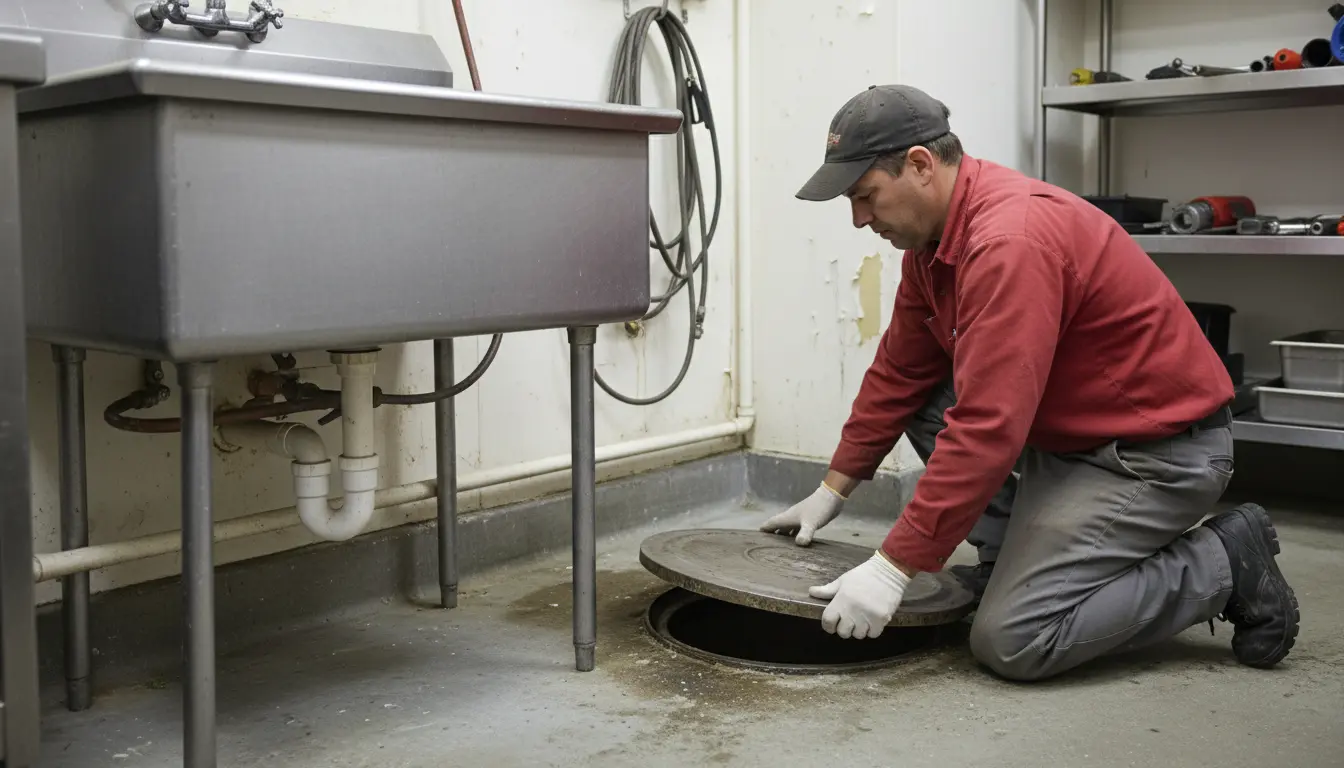
Find the Best Grease Trap Cleaning Companies for Your Business
No obligation • Fast responses • Nationwide coverage

Why you can trust Restaurant Waste Disposal
Restaurant Waste Disposal is a leading U.S. resource for comparing restaurant composting, food-waste recycling, grease trap cleaning, and used cooking oil collection services. Our editorial team researches providers, checks credentials, and organizes unbiased information so operators can make informed decisions. Companies cannot pay to change ratings or placement.
Search providers near you
Top Grease Trap Cleaning Companies in Lauderhill, Florida Ranked
For restaurant owners and food service operators in Lauderhill, maintaining a clean and compliant grease trap or interceptor is a critical, non-negotiable part of daily operations. These systems are your first line of defense against fats, oils, and grease (FOG) entering the city's sewer lines, where they can cause costly blockages, backups, and environmental harm. Florida state law and local Broward County regulations mandate strict adherence to a maintenance schedule and record-keeping protocol, with significant penalties for non-compliance. This guide outlines the essential requirements, costs, and best practices for effective grease trap maintenance and pumping services in Lauderhill, helping you avoid fines and keep your kitchen running smoothly.
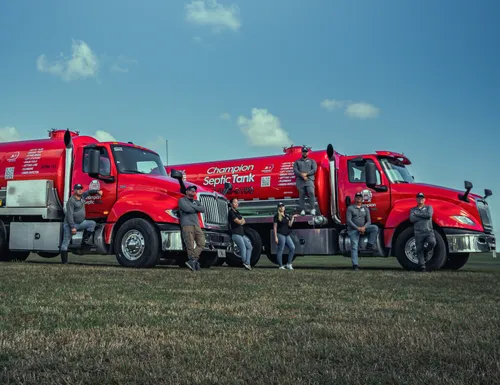
Champion Septic Tank - Grease Trap Storm Drain Lift Station
405 E 41st St Unit 1D, Hialeah, FL 33013
Champion Septic Tank - Grease Trap Storm Drain Lift Station provides comprehensive septic and grease trap services in Miami, FL. Serving residential and commercial clients across Miami-Dade, Broward, and Palm Beach counties, they specialize in grease trap cleaning, septic tank pumping and cleaning, drain field installation and replacement, storm drain cleaning, and lift station pumping. Their licensed team uses advanced equipment such as high-pressure hydro jetting and vacuum trucks to ensure thorough cleaning and maintenance. With over 10 years of experience, Champion Septic Tank offers 24/7 emergency services, including same-day response for urgent septic and grease trap issues, supporting restaurants, commercial kitchens, and homeowners throughout the region.
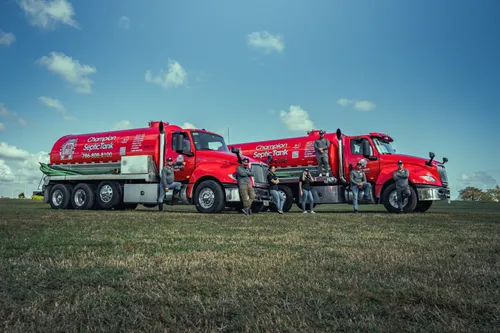
Champion Septic Tank - Grease Trap Storm Drain Lift Station
4000 Hollywood Blvd suite 555-s, Hollywood, FL 33021
Champion Septic Tank - Grease Trap Storm Drain Lift Station is a licensed and insured septic service provider based in Miami, FL. They offer a wide range of services including septic tank pumping, cleaning, drain field installation and replacement, grease trap cleaning, storm drain maintenance, and lift station pumping. Serving residential and commercial clients across Miami-Dade, Broward, and Palm Beach counties, they specialize in hydrojetting and advanced sewer camera inspections to ensure thorough cleaning and system diagnostics. With over 10 years of experience, Champion Septic Tank is known for its comprehensive septic system care and 24/7 emergency service availability.
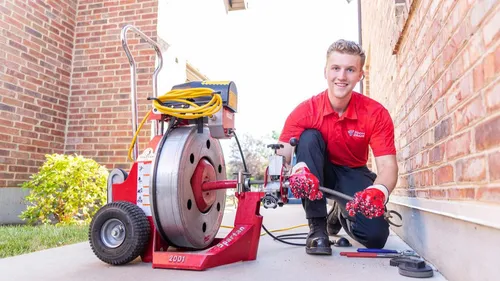
Zoom Drain
20815 NE 16th Ave Unit B44, Miami, FL 33179
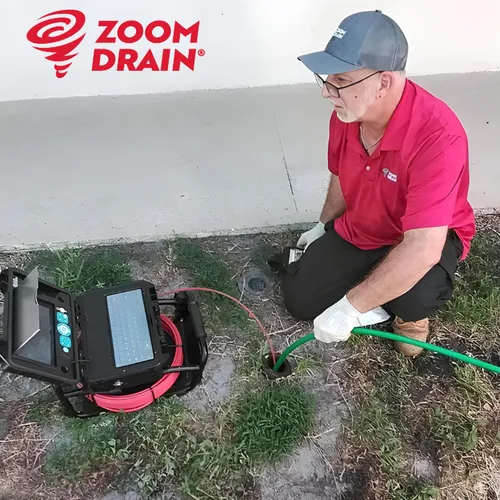
Zoom Drain is a specialist in drain and sewer cleaning, inspection, and repair based in Miami, FL. They serve residential, commercial, and food service clients in Miami and surrounding areas, offering services such as grease trap maintenance and hydro jetting. The company uses advanced tools like video camera inspections and provides tailored maintenance plans for property managers and contractors. Zoom Drain operates 24/7 to address emergency drain and sewer issues promptly.
Zoom Drain
12075 NW 40th St Unit 3, Coral Springs, FL 33065
Zoom Drain is a drain and sewer service provider based in Fort Lauderdale, FL, serving Coral Springs, Boca Raton, and other areas throughout Broward County. They specialize in residential and commercial drain cleaning, sewer inspections, and repairs, including grease trap maintenance for the food and hospitality sector. Using advanced equipment and techniques, Zoom Drain offers focused and efficient solutions to keep wastewater systems running smoothly. The company supports property managers, contractors, and homeowners with tailored maintenance plans and a referral program. Zoom Drain is recognized for its knowledgeable technicians and fast response times.
All-Star Pump Outs - Septic Tanks Grease Traps Storm Drains Lift Stations
3325 W Okeechobee Rd, Hialeah, FL 33012
All-Star Pump Outs - Septic Tanks Grease Traps Storm Drains Lift Stations provides septic system services, grease trap cleaning, storm drain maintenance, lift station servicing, and drainfield installations in Miami, FL. The company offers hydro jet cleaning and septic system replacements, ensuring thorough and precise work with clear communication in English or Spanish. Customers appreciate their responsiveness and professionalism, including same-day service for urgent needs. All-Star Pump Outs is known for detailed explanations and honest work, serving both residential and commercial clients.
Florida and Lauderhill Grease Trap Regulations
Operating a food service establishment in Florida comes with specific legal responsibilities for grease waste management. The Florida Department of Environmental Protection (FDEP) sets the statewide framework, which local authorities in Broward County and Lauderhill enforce.
Mandatory Installation and Maintenance Rules:
- Universal Requirement: All food service establishments (FSEs) that generate grease are required by law to have a properly sized and functioning grease trap or interceptor 1.
- The 90-Day/25% Rule: The cornerstone of Florida's compliance is the requirement to have your grease interceptor pumped and cleaned at a minimum of every 90 days 2. However, a more critical operational rule is the "25% rule," which states that a trap must be cleaned before the combined FOG and solids accumulate to 25% of the unit's liquid depth. For high-volume kitchens, this often means service is needed more frequently-monthly or bi-monthly-to stay within the limit.
- Licensed Haulers Only: It is illegal for anyone other than an FDEP-licensed grease hauler to pump, transport, or dispose of grease trap waste. These licensed professionals are trained in proper handling and disposal methods that protect public health and the environment.
Compliance, Record-Keeping, and Inspections
Staying compliant involves more than just scheduling a pump-out. Proper documentation is equally important and is a primary focus during inspections.
Essential Record-Keeping: You are required to maintain a detailed service manifest for every grease trap cleaning for a minimum of three years. This manifest, provided by your licensed hauler, must include:
- Business name and address.
- Date and time of service.
- Volume of waste removed.
- Hauler's FDEP license number.
- Disposal facility information.
The Inspection Process: FDEP and local wastewater authorities conduct regular, unannounced inspections of food service establishments 3. Inspectors will:
- Check for visible grease accumulation (ensuring it's below the 25% threshold).
- Request to see your maintenance manifests for the past three years.
- Verify the hauler used is FDEP-licensed.
- Check for any signs of illegal discharge or bypassing of the interceptor.
Penalties for Non-Compliance: Failing to adhere to these regulations can result in severe consequences:
- Fines: Violations can lead to significant fines. Under Florida Statute 403.0741, fines for grease-related violations can reach up to $250 per violation, per day 4 5.
- Operational Disruption: Repeated violations or severe blockages can lead to enforcement actions that disrupt your business operations.
- Civil Liability: If your establishment's grease contributes to a sewer line blockage or sanitary sewer overflow, you may be held financially responsible for cleanup costs and damages.
Find the perfect grease trap cleaning companies for your needs
Get personalized recommendations and expert advice
Understanding Grease Trap Cleaning Costs in Lauderhill
The cost for professional grease interceptor service in Lauderhill is not a flat fee and varies based on several factors. Understanding these can help you budget effectively.
Primary Cost Factors:
- Trap Size and Capacity: Larger interceptors hold more waste and require more labor and disposal fees.
- Accumulation Level: A trap cleaned regularly on schedule is less expensive to service than one that is severely clogged or overdue, which may require hydro-jetting or more intensive labor.
- Accessibility: Traps located indoors, in tight spaces, or requiring special equipment to access will typically cost more.
- Service Frequency: Establishing a regular, preventative maintenance schedule is almost always more cost-effective than emergency cleanings.
Estimated Price Ranges: While you should always get a site-specific quote, general pricing in the South Florida area tends to fall within these ranges:
- Routine, Scheduled Pump-Out: For a standard service on a regularly maintained trap, costs typically range from $250 to $400+ per service visit 6.
- Emergency or Heavy-Duty Cleaning: If a trap is severely clogged, requires a weekend/holiday service, or needs extensive hydro-jetting, prices can rise significantly, potentially reaching $800 to $1,200 or more 7 8.
How to Choose and Work with a Service Provider
Selecting the right licensed hauler is key to seamless compliance and operational efficiency.
Steps for Restaurant Managers:
- Verify Licenses: Always ask for and verify the company's FDEP license number before hiring them.
- Get Detailed Quotes: Contact several licensed providers serving Broward County (such as Eco Pump Services or Grease Connections) for detailed, written quotes based on an assessment of your specific interceptors 9.
- Establish a Schedule: Work with your chosen provider to set a routine service schedule (e.g., monthly, quarterly) based on your kitchen's volume and the 25% rule, not just the 90-day minimum 10.
- Maintain Your Records File: Create a dedicated folder-digital or physical-for all service manifests and receipts. This makes inspection day stress-free.
- Communicate Changes: Inform your service provider of any major changes in your menu or business volume, as this can affect how quickly your trap fills.
Proactive Maintenance Tips:
- Train Kitchen Staff: Ensure staff practices "dry wiping" pots and pans before washing and never pours grease down any drain.
- Use Strainers: Install and maintain sink strainers to catch food solids.
- Schedule Pre-Inspection Checks: Consider having your service provider perform a quick compliance check before your anticipated inspection period.
Frequently asked questions
Sources
Footnotes
-
Grease Disposal Regulations in South Florida: Expert Insights - https://www.greaseprosrecycling.com/grease-disposal-regulations-fl/ ↩
-
Grease Waste | Florida Department of Environmental Protection - https://floridadep.gov/waste/permitting-compliance-assistance/content/grease-waste ↩
-
Professional Grease Trap Service & Cleaning | South Florida - https://plumbingexperts.com/grease-trap-cleaning/ ↩
-
Florida Grease Compliance | 90-Day Rule & County Fees - https://greaseconnections.com/resources/compliance/fl/ ↩
-
The 2025 Florida Statutes - Online Sunshine - https://www.leg.state.fl.us/Statutes/index.cfm?App_mode=Display_Statute&Search_String=&URL=0400-0499/0403/Sections/0403.0741.html ↩
-
The Ultimate Guide to Restaurant Grease Trap Cleaning - https://mokherplumbing.com/ultimate-guide-restaurant-grease-trap-cleaning/ ↩
-
Ultimate Grease Trap Pumping Cost Guide: Essential Money-Saving ... - https://www.texwaywastewater.com/grease-trap-pumping-cost/ ↩
-
Restaurant Grease Trap & Interceptor Cleaning Cost - https://greasemanagement.org/pricing.html ↩
-
Grease Trap Cleaning, Pumping and Inspections - https://www.ecopumpservices.com/grease-trap-cleaning-cleaning/ ↩
-
Grease Trap Cleaning Guide: 25% Rule, Schedule & Compliance - https://greaseconnections.com/how-to-clean-a-grease-trap-and-how-often-you-should/ ↩