Find the Best Grease Trap Cleaning Companies for Your Business
No obligation • Fast responses • Nationwide coverage

Why you can trust Restaurant Waste Disposal
Restaurant Waste Disposal is a leading U.S. resource for comparing restaurant composting, food-waste recycling, grease trap cleaning, and used cooking oil collection services. Our editorial team researches providers, checks credentials, and organizes unbiased information so operators can make informed decisions. Companies cannot pay to change ratings or placement.
Search providers near you
Top Grease Trap Cleaning Companies in Largo, Florida Ranked
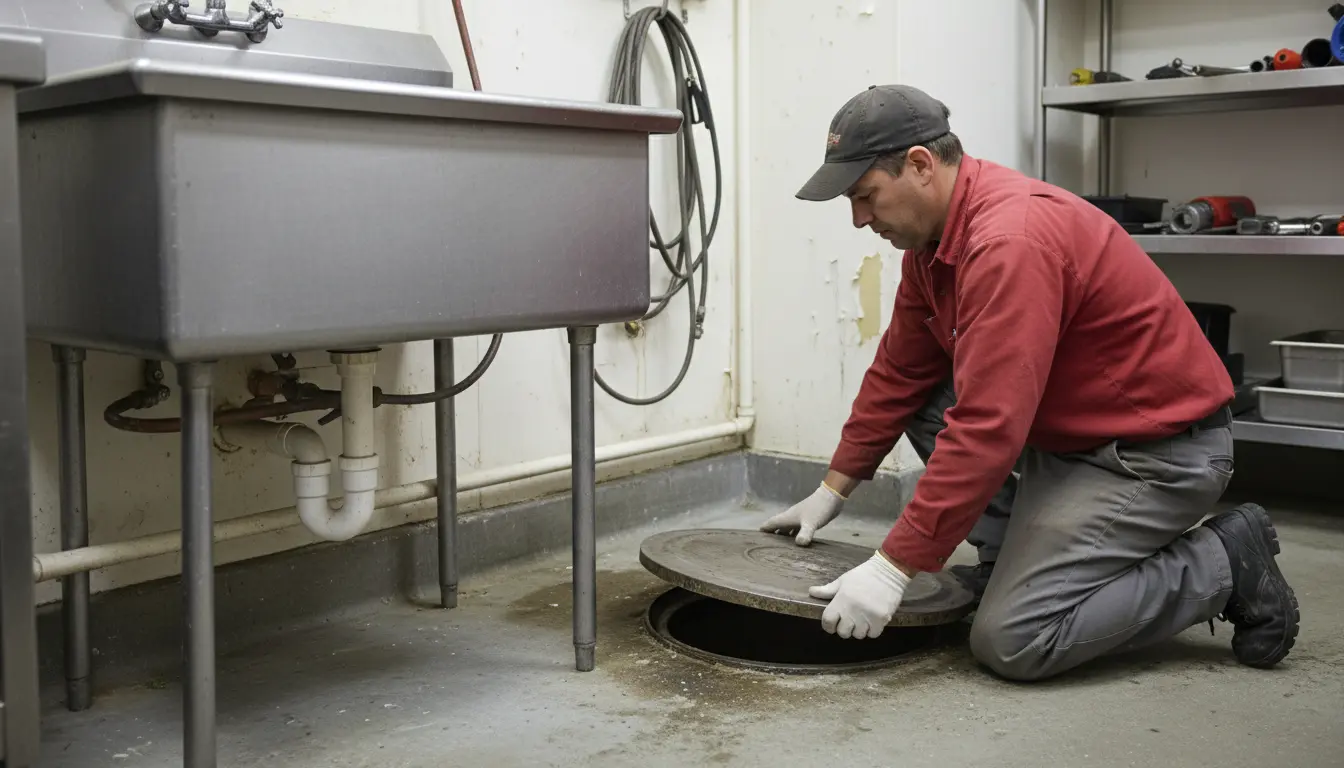
For restaurant owners and managers in Largo, maintaining a clean and compliant grease trap or interceptor is a critical, non-negotiable part of daily operations. Pinellas County regulations mandate strict adherence to a grease management program designed to protect the local sewer infrastructure from costly and environmentally damaging blockages. This involves not only the proper installation of these devices but also a consistent schedule for grease trap pumping and meticulous record-keeping. Understanding the local rules, typical service costs, and best practices for Fats, Oils, and Grease (FOG) control is essential for avoiding significant fines, preserving your business license, and ensuring your kitchen runs smoothly.
Roto-Rooter Plumbing & Water Cleanup
3820 Grand Blvd, New Port Richey, FL 34652
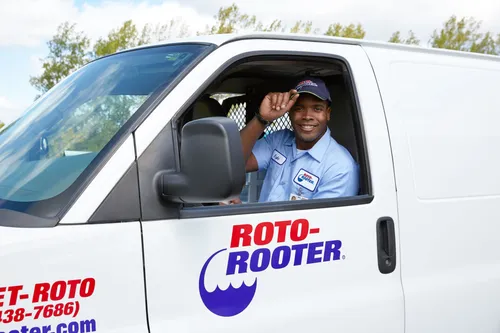
Roto-Rooter Plumbing & Water Cleanup provides comprehensive residential and commercial plumbing services in Tampa, FL, specializing in floodwater cleanup, sewer and drain cleaning, water heater repair, and grease trap maintenance. The company serves a wide area including New Port Richey and surrounding communities, offering expertise in high-pressure water jetting and sewer line repair using both conventional and trenchless methods. With 24/7 emergency availability, Roto-Rooter addresses urgent plumbing issues such as burst pipes and sewer backups promptly to minimize damage and disruption.
Roto-Rooter Plumbing of Tampa
5020 Tampa W Blvd, Tampa, FL 33634
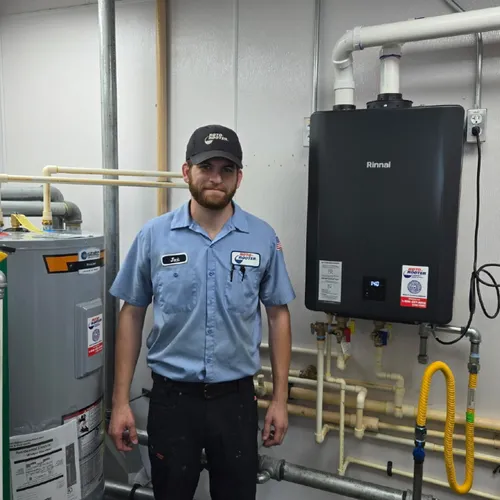
Roto-Rooter Plumbing of Tampa provides comprehensive plumbing services for residential and commercial customers in Tampa, FL. They address a wide range of plumbing needs including sewer and drain cleaning, water heater repairs, grease trap cleaning, and emergency flood services. Their commercial capabilities include high-pressure water jetting (hydro-jetting), backflow inspection, and grease trap maintenance. With a 24/7 emergency hotline, Roto-Rooter offers around-the-clock service to handle urgent plumbing issues such as burst pipes and sewer backups. They serve multiple communities in the Tampa Metro Area and have extensive experience managing complex plumbing systems for large businesses.
ACE Septic & Waste
8602 Temple Terrace Hwy C14, Tampa, FL 33637
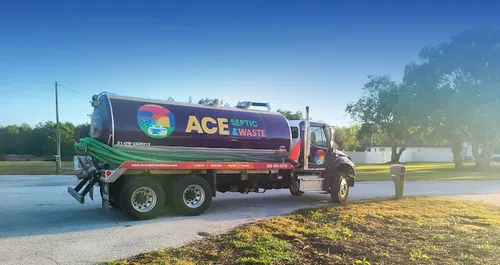
ACE Septic & Waste is a fully licensed and insured wastewater and septic service provider based in Tampa, FL. They offer comprehensive septic and wastewater solutions including septic tank pumping, system installations, drainfield repairs, lift station maintenance, and certified real estate inspections. Their licensed crews also install advanced aerobic treatment units (ATUs) and manage large-scale commercial and municipal wastewater projects with in-house plumbing, electrical, and building contractor licenses. Serving Tampa Bay and Central Florida, ACE Septic & Waste provides 24/7 emergency response and handles all phases of wastewater system projects from permitting to maintenance.
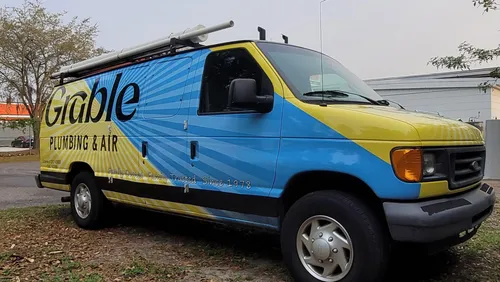
Grable Plumbing & Air
3723 E Hillsborough Ave, Tampa, FL 33610
Grable Plumbing & Air has been serving Tampa, FL, and surrounding communities since 1978. They provide a wide range of plumbing and HVAC services for both residential and commercial customers, including grease trap cleaning, drain and sewer cleaning, and tankless water heater installation. Their certified technicians handle various plumbing and HVAC challenges, offering 24/7 emergency service to ensure prompt assistance whenever needed. With over 40 years of experience, Grable Plumbing & Air also specializes in HVAC repair, installation, and maintenance, supporting year-round comfort and energy efficiency.
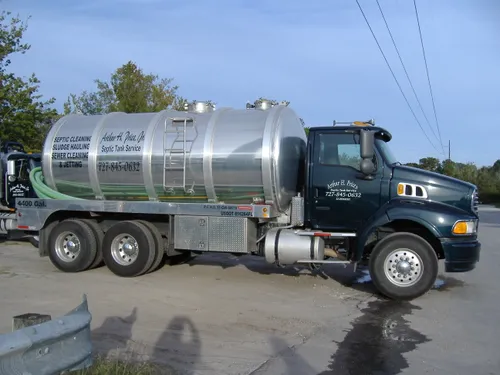
Arthur H. Price Jr. Septic Tank Service, Inc.
5534 Wray Way, Holiday, FL 34690
Arthur H. Price Jr. Septic Tank Service, Inc. provides septic and grease trap cleaning services in Tampa, FL, and the surrounding West Central Florida communities. With over 40 years of experience, they serve residential, commercial, and municipal clients, including restaurants, hospitals, and shopping centers. Their licensed and insured technicians handle routine maintenance, emergency septic care, and sewer system installations. The company offers 24-hour septic emergency services to support customers whenever needed.
Understanding Largo's Grease Management Regulations
In Largo, grease management falls under the jurisdiction of Pinellas County's Commercial Grease Management Program. The rules are clear: every commercial kitchen that generates FOG must have a properly sized and functioning grease interceptor or trap. These devices are your first line of defense, capturing grease before it enters the public sewer lines. The Florida Building Code (FBC) provides the standards for sizing and installation, which are based on factors like your kitchen's flow rate and fixture units 1. It's crucial to know whether your establishment uses a smaller, indoor grease trap or a larger, outdoor grease interceptor, as their maintenance schedules differ.
Compliance isn't optional. Local authorities and the Florida Department of Environmental Protection (DEP) enforce these regulations through inspections. During these checks, inspectors will ask to see your service records. Failure to comply can result in hefty fines, the suspension of your operating permit, or even legal action for illegal dumping.
Mandatory Cleaning Schedules and Documentation
How often you need to schedule grease interceptor cleaning or trap pumping is not a one-size-fits-all answer; it's dictated by your specific operation and local code. Pinellas County guidelines often reference common standards, such as cleaning indoor traps every 30 days and larger outdoor interceptors every 90 days 2. However, high-volume restaurants, those with older plumbing, or establishments with a history of issues may be required to service their equipment more frequently.
The single most important habit you can develop is documentation. You are legally required to keep detailed service manifests and receipts from your pumping provider for a minimum of three years 3 4. These records are your proof of compliance. A health or county inspector can request them at any time, and not having them is a violation in itself. Think of these manifests as an insurance policy for your business.
The Cost of Compliance vs. Non-Compliance
Investing in regular maintenance is far less expensive than dealing with the consequences of neglect. Service costs in Largo vary based on the type and size of your unit, its accessibility, and how well it has been maintained.
- Regularly Serviced Indoor Grease Traps: For a trap that is pumped on schedule, you can expect costs in the range of $175 to $475 per cleaning 5 6.
- Outdoor Grease Interceptors: Pumping a larger interceptor typically ranges from $325 to over $1,040 per service 7.
- The High Price of Neglect: If a trap or interceptor is severely clogged or has never been properly cleaned, the pumping job becomes more complex. In these cases, costs can be two to three times higher than the standard rate 8. Furthermore, fines for violations, such as missed cleanings or illegal discharges, can add hundreds of dollars in penalties on top of the emergency service fee 9 10.
Find the perfect grease trap cleaning companies for your needs
Get personalized recommendations and expert advice
Best Practices to Reduce FOG and Maintenance Frequency
Proactive kitchen practices can significantly reduce the burden on your grease control equipment, extending time between necessary pumpings and saving you money.
- Scrape and Strain: Make it a standard procedure for staff to scrape all food scraps from plates and cookware into trash bins before washing. Install and consistently use sink strainers to catch solid particles.
- Proper Oil Disposal: Never pour used cooking oil, frying grease, or even melted butter down the drain. Collect all liquid fats in dedicated containers for pickup by a licensed used cooking oil collector.
- Clean Up Spills: For grease spills on floors or surfaces, use an absorbent material like kitty litter instead of hosing it into a floor drain 11.
- Staff Training: Educate every employee, from dishwashers to head chefs, on the importance of FOG management. Simple changes in behavior have a cumulative positive effect.
Choosing a Service Provider in Largo
When selecting a company for grease trap maintenance in Largo, ensure they are licensed, insured, and familiar with Pinellas County's specific reporting requirements. A reputable provider will not only perform the pumping but will also supply you with a detailed manifest that includes the date, volume of waste removed, and disposal location-exactly what inspectors need to see. They can also advise you on whether your current cleaning frequency is adequate for your business volume.
Frequently asked questions
Sources
Footnotes
-
126-611. Grease interceptor and grease trap requirements. - http://pinellascounty.elaws.us/code/coor_ch126_artvi_sec126-611 ↩
-
30-203. Food service establishments: grease traps and ... - Lee County - http://leecounty-fl.elaws.us/code/coor_ch30_artxiii_sec30-203 ↩
-
Commercial Grease Management - Pinellas County - https://pinellas.gov/programs/commercial-grease-management/ ↩
-
Grease Trap Maintenance: Essential Guide for Tampa Bay ... - https://llonaplumbing.com/blog/grease-trap-maintenance-essential-guide-for-tampa-bay-restaurants/ ↩
-
How Much Does a Proper Grease Trap Cleaning Cost? - https://hulseyenvironmental.com/how-much-does-a-proper-grease-trap-cleaning-partner-cost/ ↩
-
Grease Trap Cleaning in Largo | McGill Plumbing & Water Treatment ... - https://www.mcgillplumbing.com/plumbing/grease-trap-cleaning/ ↩
-
Ultimate Grease Trap Pumping Cost Guide: Essential Money-Saving ... - https://www.texwaywastewater.com/grease-trap-pumping-cost/ ↩
-
Grease Trap Pumping Cost vs. Grease Trap Maintenance Cost - https://www.stateindustrial.com/video/cost-comparison-pumping-v-chemicals-to-maintain-a-grease-trap/ ↩
-
Grease Waste | Florida Department of Environmental Protection - https://floridadep.gov/waste/permitting-compliance-assistance/content/grease-waste ↩
-
Grease Trap Regulations and Compliance: What You Need to Know - https://www.texwaywastewater.com/grease-trap-regulations-and-compliance/ ↩
-
How to Clean a Grease Trap (and How Often You Should) - https://greaseconnections.com/how-to-clean-a-grease-trap-and-how-often-you-should/ ↩