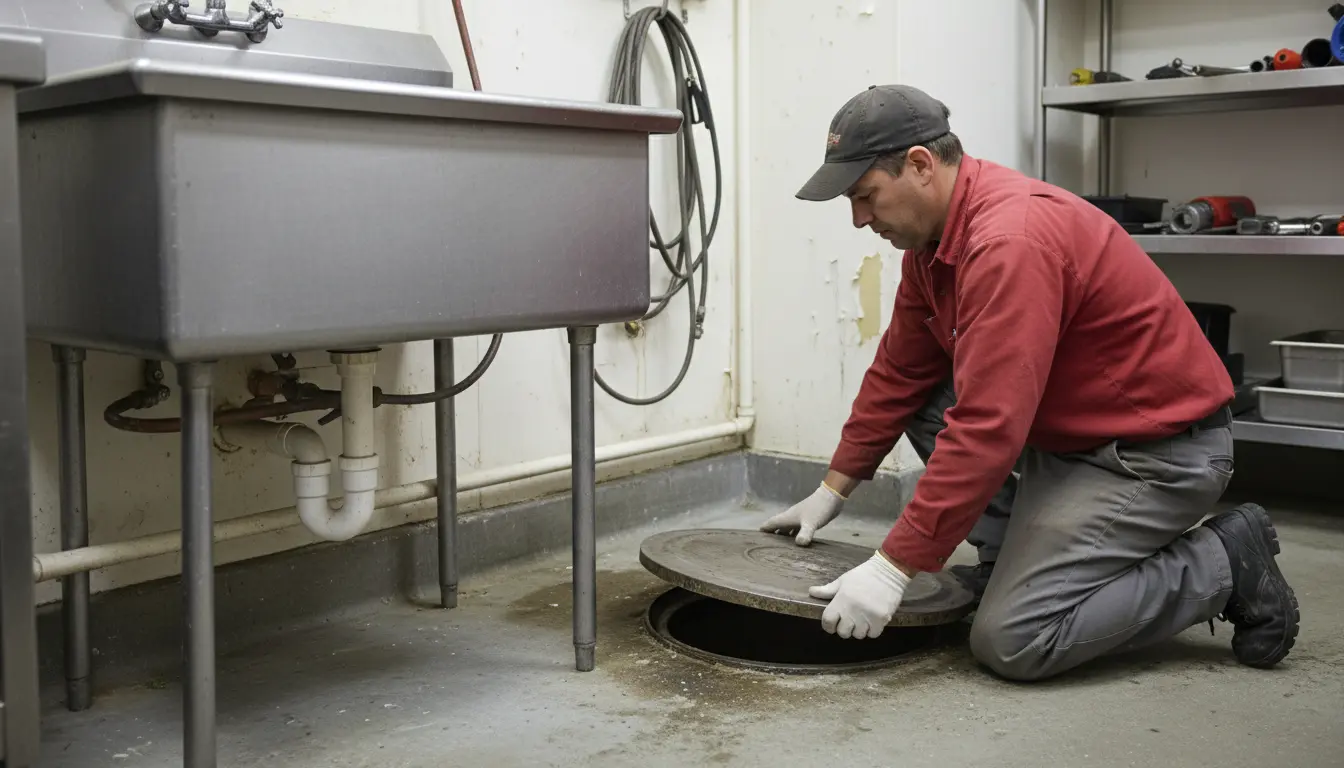
Find the Best Grease Trap Cleaning Companies for Your Business
No obligation • Fast responses • Nationwide coverage

Why you can trust Restaurant Waste Disposal
Restaurant Waste Disposal is a leading U.S. resource for comparing restaurant composting, food-waste recycling, grease trap cleaning, and used cooking oil collection services. Our editorial team researches providers, checks credentials, and organizes unbiased information so operators can make informed decisions. Companies cannot pay to change ratings or placement.
Search providers near you
Top Grease Trap Cleaning Companies in Greenacres, Florida Ranked
For any food service establishment in Greenacres, from bustling diners to cozy cafes, maintaining your grease trap or interceptor isn't just a matter of kitchen hygiene-it's a strict legal requirement. Operating under the oversight of the Florida Department of Environmental Protection (FDEP) and local Palm Beach County ordinances, restaurant owners must navigate a framework of scheduled pumping, detailed documentation, and potential inspections. Proactive, documented maintenance with a licensed provider is the most effective strategy to ensure compliance, protect your plumbing, and avoid significant fines that can arise from violations related to fats, oils, and grease (FOG). Understanding these specific local regulations is the first step toward seamless and cost-effective operations.
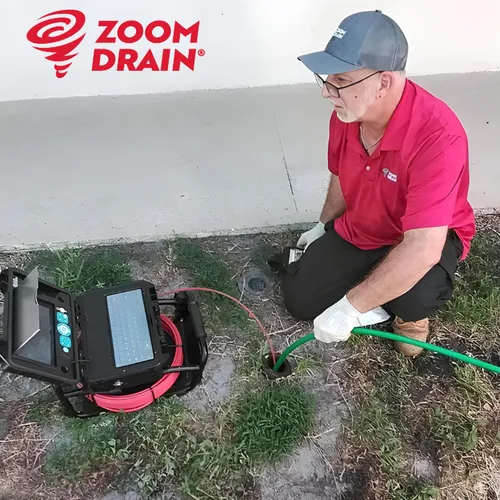
Zoom Drain
12075 NW 40th St Unit 3, Coral Springs, FL 33065
Zoom Drain is a drain and sewer service provider based in Fort Lauderdale, FL, serving Coral Springs, Boca Raton, and other areas throughout Broward County. They specialize in residential and commercial drain cleaning, sewer inspections, and repairs, including grease trap maintenance for the food and hospitality sector. Using advanced equipment and techniques, Zoom Drain offers focused and efficient solutions to keep wastewater systems running smoothly. The company supports property managers, contractors, and homeowners with tailored maintenance plans and a referral program. Zoom Drain is recognized for its knowledgeable technicians and fast response times.
Roto-Rooter Plumbing & Water Cleanup
100 S Dixie Hwy #204, West Palm Beach, FL 33401
Roto-Rooter Plumbing & Water Cleanup provides comprehensive plumbing services in West Palm Beach, FL, serving both residential and commercial clients. Their offerings include drain cleaning, sewer line repair and replacement, water heater installation and repair, grease trap cleaning, floodwater cleanup, and mold remediation. The company is equipped with advanced tools such as video camera inspections and hydro-jetting to address complex plumbing issues. Roto-Rooter operates 24/7, providing emergency plumbing services year-round to quickly respond to urgent needs. They serve multiple communities in the surrounding counties, including Broward and Palm Beach. Roto-Rooter is fully licensed and insured, with a strong local presence and a reputation for timely emergency response.
Roto-Rooter Plumbing & Water Cleanup
8461 Lake Worth Rd Suite 233E, Wellington, FL 33467
Roto-Rooter Plumbing & Water Cleanup provides plumbing and drain services in West Palm Beach, FL. They serve both residential and commercial customers with installation, repair, and replacement of plumbing fixtures and systems. Their commercial services include grease trap cleaning, high-pressure water jetting, video camera pipe inspections, and liquid waste pumping. The company offers 24/7 service, including holidays and weekends, ensuring availability for urgent plumbing needs.
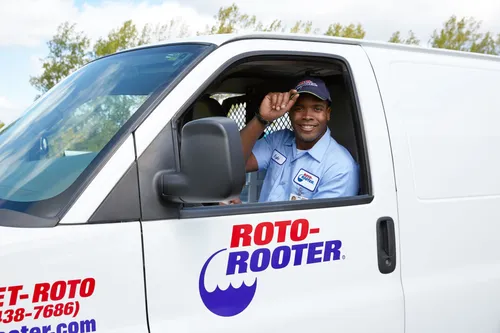
Roto-Rooter Plumbing & Water Cleanup
5353 N Federal Hwy #213, Fort Lauderdale, FL 33308
Roto-Rooter Plumbing & Water Cleanup provides comprehensive plumbing services in Fort Lauderdale, FL, serving both residential and commercial customers. Their offerings include drain cleaning, sewer line repair and replacement, water heater services, grease trap cleaning, and floodwater cleanup. The company is equipped with advanced tools such as video camera inspections and hydro-jetting to address complex plumbing issues efficiently. Roto-Rooter is available 24/7 for emergency plumbing repairs, ensuring prompt assistance whenever needed. They have extensive experience managing plumbing systems tailored to the local environment and regulations.

Anthony's Grease Traps
Miami, FL
Anthony's Grease Traps is a full-service kitchen cleaning company based in Miami, FL. They provide grease trap cleaning, kitchen exhaust hood cleaning, fryer cleaning and oil filtering, as well as kitchen equipment sanitation. The company is fully licensed and certified by the state of Florida and offers proof of service stickers to help clients maintain compliance with health and safety regulations. Their 4000-gallon pumping truck can handle jobs of any size, and they serve restaurants and commercial kitchens in Miami and the surrounding areas. Anthony's Grease Traps operates 24/7 to accommodate urgent cleaning needs.
Understanding Local FOG Regulations and Compliance
In Greenacres, your grease management responsibilities are governed by a combination of state law and county-level enforcement. Florida Statute 403.0741 provides the foundation, mandating that grease waste from food service establishments be collected by licensed haulers and properly disposed of to prevent sewer system blockages and environmental harm. Palm Beach County administers a local Fats, Oils, and Grease (FOG) program that translates these state requirements into specific, actionable rules for your business.
Key components of compliance include:
- Mandatory Equipment: Virtually all food service establishments are required to have a properly sized and permitted grease interceptor or trap.
- Scheduled Pumping: The standard requirement is pumping and cleaning at least every 90 days. However, if the accumulated grease and solids reach 25% of the trap's capacity before that 90-day mark, service is required sooner. Smaller under-sink grease traps typically require more frequent service, often monthly 1 2 3.
- Licensed Haulers: All grease waste must be collected by a hauler licensed by the FDEP. Using an unlicensed service can result in violations for your establishment.
- Manifest Tracking: Every service visit must be documented with a detailed manifest. This form tracks the volume of waste collected, the hauler information, and the final, permitted disposal facility. You are legally required to maintain these records on-site for inspection.
The Critical Role of Documentation and Inspections
Maintaining meticulous records is as crucial as the physical cleaning itself. Your service manifests are your primary proof of compliance. Local agencies, including the Palm Beach County Health Department and Water Utilities Department, have the authority to conduct inspections of your facility, review your maintenance records, and even inspect your hauler's practices.
The manifest system ensures a "cradle-to-grave" tracking of grease waste, guaranteeing it is delivered to a facility permitted for treatment or recycling, not illegally dumped into sewers or the environment. Penalties for violations-such as missing records, illegal dumping, or skipped services-can be substantial. Fines escalate for repeat offenses, and in severe cases, can lead to the suspension of operating licenses.
Cost Considerations for Grease Interceptor Maintenance
Budgeting for grease trap maintenance is a predictable operational cost that, when managed proactively, is far less than the expense of emergencies or fines. Costs in the Greenacres area can vary based on the size of your interceptor, its accessibility, and the frequency of service.
- Preventative Maintenance Pumping: A routine pump-out and cleaning for a standard commercial grease trap typically ranges from $175 to $400+ per service call.
- Emergency Service: Responding to a clogged or overflowing trap is significantly more expensive. Emergency clean-out services often cost between $800 and $1,200 or more, due to the immediate response and increased labor 4 5.
- Annual Budgeting: For a restaurant adhering to a strict quarterly (90-day) schedule, annual costs can easily exceed $2,000 per location. Establishments with higher volume or smaller under-sink traps requiring monthly service will see higher annual totals 6 7.
Find the perfect grease trap cleaning companies for your needs
Get personalized recommendations and expert advice
A Proactive Management Checklist for Greenacres Restaurants
Staying ahead of compliance issues involves a few key, consistent actions. Implementing this checklist can save time, money, and stress.
- Confirm Local Rules: Directly contact the Palm Beach County Water Utilities Department to understand the specific ordinances and any monthly FOG program fees that may appear on your utility bill.
- Hire Licensed Haulers Only: Always verify that your service provider holds a current FDEP waste hauler license. This protects you from liability.
- Maintain Impeccable Records: File every service manifest immediately after a pump-out. Create a dedicated log or digital folder for these documents and any correspondence with your hauler or the county.
- Schedule Proactively: Don't wait for the 90-day deadline or a problem to occur. Schedule your next service at the conclusion of the current one. Consider more frequent service if your kitchen produces high volumes of grease.
- Educate Kitchen Staff: Train your team on best practices for minimizing FOG going down the drain, such as scraping plates and using sink strainers. This can extend time between necessary pump-outs.
The Consequences of Non-Compliance
Ignoring grease trap regulations carries real financial and operational risks. Beyond the immediate fines for missed pump-outs or poor record-keeping, illegal grease discharge is a serious offense. It can lead to sewer backups that affect the broader community, resulting in environmental damage and substantial cleanup costs for which your business may be held responsible 8 9. Consistent violations can trigger increased scrutiny from regulators, higher permit fees, and in the worst-case scenario, a forced business closure until compliance is restored. The investment in regular maintenance is minor compared to the potential reputational and financial damage of non-compliance.
Frequently asked questions
Sources
Footnotes
-
Grease Waste | Florida Department of Environmental Protection - https://floridadep.gov/waste/permitting-compliance-assistance/content/grease-waste ↩
-
Florida Grease Compliance | 90-Day Rule & County Fees - https://greaseconnections.com/resources/compliance/fl/ ↩
-
Grease Trap Plumbing - https://seacoastsepticandplumbing.com/commercial-services/grease-trap-plumbing/ ↩
-
Ultimate Grease Trap Pumping Cost Guide: Essential Money-Saving ... - https://www.texwaywastewater.com/grease-trap-pumping-cost/ ↩
-
The Cost To Clean A Grease Trap For Restaurants - https://thegreasecompany.com/blog/greasetrapcleaningcost/ ↩
-
Florida Grease Trap Regulations Concern Commercial ... - https://replaceyourgarbagedisposal.com/grease-trap/florida-grease-trap-regulations-concern-commercial-kitchen-owners/ ↩
-
Restaurant Grease Trap & Interceptor Cleaning Cost - https://greasemanagement.org/pricing.html ↩
-
The 2025 Florida Statutes - Online Sunshine - https://www.leg.state.fl.us/Statutes/index.cfm?App_mode=Display_Statute&Search_String=&URL=0400-0499/0403/Sections/0403.0741.html ↩
-
Grease Disposal Regulations in South Florida: Expert Insights - https://www.greaseprosrecycling.com/grease-disposal-regulations-fl/ ↩