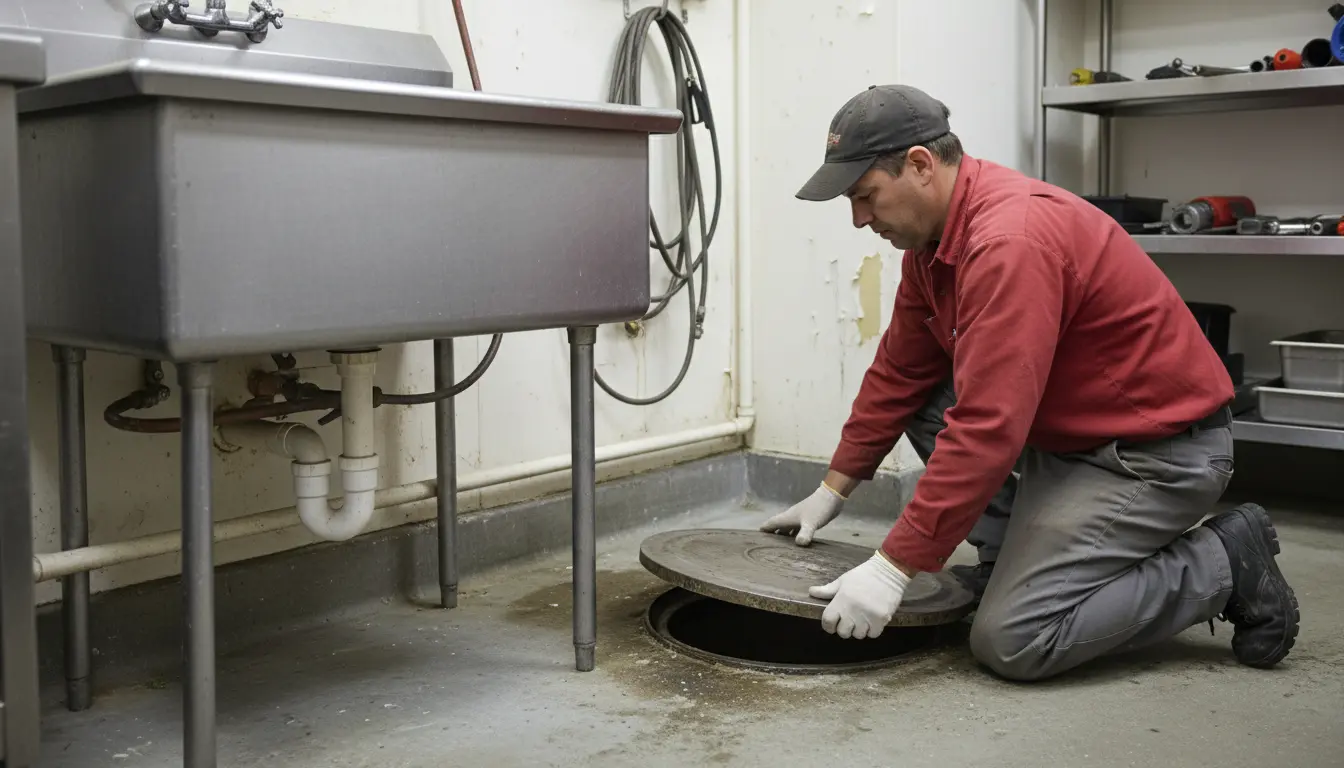
Find the Best Grease Trap Cleaning Companies for Your Business
No obligation • Fast responses • Nationwide coverage

Why you can trust Restaurant Waste Disposal
Restaurant Waste Disposal is a leading U.S. resource for comparing restaurant composting, food-waste recycling, grease trap cleaning, and used cooking oil collection services. Our editorial team researches providers, checks credentials, and organizes unbiased information so operators can make informed decisions. Companies cannot pay to change ratings or placement.
Search providers near you
Top Grease Trap Cleaning Companies in Delray Beach, Florida Ranked
For any restaurant, café, or food service establishment in Delray Beach, maintaining a clean and compliant grease trap or interceptor is not just a matter of kitchen hygiene-it's a legal requirement. The Florida Department of Environmental Protection (DEP) and local municipal codes mandate that all businesses generating grease-laden wastewater have a properly functioning grease management system and adhere to strict maintenance and record-keeping protocols. Failure to comply can result in significant fines, operational disruptions, and even the loss of your business license. This guide outlines the essential knowledge for Delray Beach restaurateurs to navigate grease interceptor cleaning, ensure environmental compliance, and protect their operations from costly penalties.
Regular, professional grease trap pumping is the cornerstone of a compliant kitchen. The frequency required can vary based on the size of your trap and the volume of your business, but for most establishments in Delray Beach, service is needed every 1 to 3 months. High-volume restaurants may require monthly cleaning, while those with large exterior interceptors might be on a strict 90-day schedule. Beyond scheduled cleanings, staff should perform monthly visual inspections to check for signs of over-accumulation or foul odors, which can indicate a need for more frequent service1.
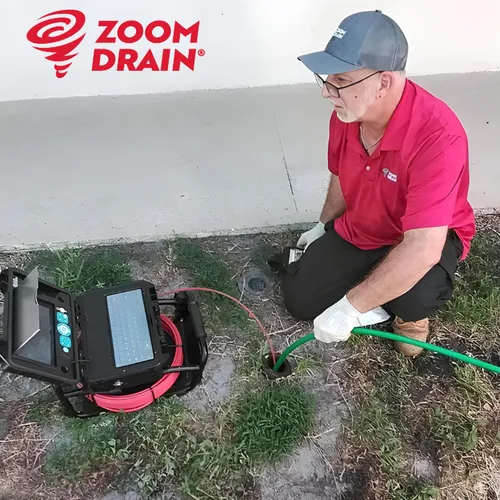
Zoom Drain
12075 NW 40th St Unit 3, Coral Springs, FL 33065
Zoom Drain is a drain and sewer service provider based in Fort Lauderdale, FL, serving Coral Springs, Boca Raton, and other areas throughout Broward County. They specialize in residential and commercial drain cleaning, sewer inspections, and repairs, including grease trap maintenance for the food and hospitality sector. Using advanced equipment and techniques, Zoom Drain offers focused and efficient solutions to keep wastewater systems running smoothly. The company supports property managers, contractors, and homeowners with tailored maintenance plans and a referral program. Zoom Drain is recognized for its knowledgeable technicians and fast response times.
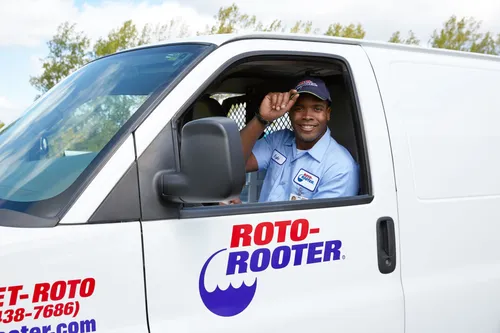
Roto-Rooter Plumbing & Water Cleanup
100 S Dixie Hwy #204, West Palm Beach, FL 33401
Roto-Rooter Plumbing & Water Cleanup provides comprehensive plumbing services in West Palm Beach, FL, serving both residential and commercial clients. Their offerings include drain cleaning, sewer line repair and replacement, water heater installation and repair, grease trap cleaning, floodwater cleanup, and mold remediation. The company is equipped with advanced tools such as video camera inspections and hydro-jetting to address complex plumbing issues. Roto-Rooter operates 24/7, providing emergency plumbing services year-round to quickly respond to urgent needs. They serve multiple communities in the surrounding counties, including Broward and Palm Beach. Roto-Rooter is fully licensed and insured, with a strong local presence and a reputation for timely emergency response.
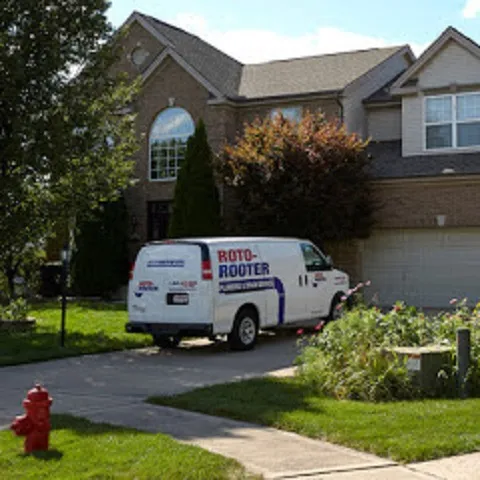
Roto-Rooter Plumbing & Water Cleanup
8461 Lake Worth Rd Suite 233E, Wellington, FL 33467
Roto-Rooter Plumbing & Water Cleanup provides plumbing and drain services in West Palm Beach, FL. They serve both residential and commercial customers with installation, repair, and replacement of plumbing fixtures and systems. Their commercial services include grease trap cleaning, high-pressure water jetting, video camera pipe inspections, and liquid waste pumping. The company offers 24/7 service, including holidays and weekends, ensuring availability for urgent plumbing needs.
Roto-Rooter Plumbing & Water Cleanup
5353 N Federal Hwy #213, Fort Lauderdale, FL 33308
Roto-Rooter Plumbing & Water Cleanup provides comprehensive plumbing services in Fort Lauderdale, FL, serving both residential and commercial customers. Their offerings include drain cleaning, sewer line repair and replacement, water heater services, grease trap cleaning, and floodwater cleanup. The company is equipped with advanced tools such as video camera inspections and hydro-jetting to address complex plumbing issues efficiently. Roto-Rooter is available 24/7 for emergency plumbing repairs, ensuring prompt assistance whenever needed. They have extensive experience managing plumbing systems tailored to the local environment and regulations.
Anthony's Grease Traps
Miami, FL
Anthony's Grease Traps is a full-service kitchen cleaning company based in Miami, FL. They provide grease trap cleaning, kitchen exhaust hood cleaning, fryer cleaning and oil filtering, as well as kitchen equipment sanitation. The company is fully licensed and certified by the state of Florida and offers proof of service stickers to help clients maintain compliance with health and safety regulations. Their 4000-gallon pumping truck can handle jobs of any size, and they serve restaurants and commercial kitchens in Miami and the surrounding areas. Anthony's Grease Traps operates 24/7 to accommodate urgent cleaning needs.
Understanding Florida and Delray Beach Grease Trap Regulations
Compliance begins with understanding the rules. Florida state law, specifically enforced by the DEP, requires all food service establishments to prevent fats, oils, and grease (FOG) from entering the public sewer system. Local jurisdictions, including those governing Delray Beach, adopt and often expand upon these state guidelines.
- Mandatory Equipment: Any establishment that prepares or serves food is required to have a properly sized and permitted grease trap or interceptor2.
- Licensed Haulers Only: It is illegal to pump and transport grease waste without a valid license. All grease trap cleaning and hauling in Delray Beach must be performed by a DEP-approved professional 3.
- The Crucial Service Manifest: Every time service is performed, the licensed hauler must provide a detailed manifest. This document is your legal proof of proper disposal, tracking the waste from your trap to a permitted treatment or recycling facility.
- Record-Keeping is Key: Establishments must maintain organized, on-site logs of all cleaning dates, service provider details, manifests, and any maintenance issues. These records are the first thing an inspector will ask to see.
The High Cost of Non-Compliance
Ignoring grease interceptor maintenance is a risky and expensive gamble. Regulatory agencies conduct periodic inspections, and without proper records, you are immediately out of compliance4.
- Fines and Penalties: Violations can lead to substantial fines from both the DEP and local authorities. These fines are often levied per day until the issue is corrected.
- Sewer Blockages and Backups: Neglected grease hardens in pipes, leading to costly internal plumbing blockages or even sewage backups into your own establishment.
- Public Sewer System Damage: FOG that escapes into the city's sewer lines can cause major blockages (fatbergs), leading to sanitary sewer overflows. Your business can be held financially responsible for the cleanup and environmental damage5.
- Business License Suspension: In severe cases of repeat non-compliance or illegal dumping, a business can have its operating license suspended or revoked6.
Determining Your Service Schedule and Costs
A one-size-fits-all approach doesn't work for grease trap maintenance. Your schedule should be based on trap size, kitchen output, and the type of food you prepare.
- Under-Sink Grease Traps: Smaller units located in the kitchen typically fill up faster and often require monthly cleaning7 8.
- Large Exterior Grease Interceptors: These in-ground tanks are common for larger restaurants. While a 90-day (quarterly) schedule is standard, a busy establishment may need service every 30-60 days9.
- Cost Factors: For a standard trap, a routine pumping service in the Delray Beach area typically ranges from $250 to $400. Many service providers offer discounted rates for customers who sign a recurring service contract.
- Emergency Premium: Waiting until a trap is overflowing or causing a backup necessitates an emergency call. This service can cost $800 to $1,200 or more, not including any plumbing repairs needed for damaged lines10. Preventive, scheduled maintenance is always the most cost-effective strategy.
Find the perfect grease trap cleaning companies for your needs
Get personalized recommendations and expert advice
Best Practices for Grease Trap Management
Proactive management goes beyond just scheduling a pump-out. Implementing these practices will extend the life of your equipment and simplify compliance.
- Scrape, Don't Rinse: Train kitchen staff to scrape all food scraps and grease into the trash before washing dishes. This significantly reduces the load on your trap.
- Avoid Additives: Do not use enzyme or chemical "grease digesters" without first checking with your local control authority. Many are not approved and can harm the wastewater treatment process or violate regulations11 12.
- Know Your System: Locate your trap and understand its basic operation. Know its size and capacity to communicate effectively with your service provider.
- Partner with a Pro: Establish a relationship with a reliable, licensed local hauler. A good provider will help you determine the optimal schedule and ensure your paperwork is always in order.
The Service Process: What to Expect
When you hire a professional for grease interceptor cleaning, a proper service includes more than just vacuuming out the contents.
- Complete Evacuation: All liquid and solid waste (FOG, water, and food solids) is pumped from the trap into a licensed vacuum truck.
- High-Pressure Jetting: The interior walls and baffles of the trap are power-washed to remove clinging grease and debris.
- Inspection: The technician should inspect the trap for cracks, damaged baffles, or other structural issues that could affect performance.
- Proper Disposal: The waste is transported to a facility permitted to process grease, such as a wastewater treatment plant or biodiesel production facility.
- Documentation: You receive a completed service manifest for your records. Ensure this is filed immediately.
Building a Compliant Operation in Delray Beach
Staying ahead of grease trap regulations protects your business, your community's infrastructure, and the local environment. Start by verifying your current service provider's DEP license. Review your last 12 months of manifests and service records to ensure they are complete and accessible. Finally, assess your current cleaning frequency against your kitchen's output-if you're frequently noticing slow drains or odors before your next scheduled service, it's time to increase the frequency.
Frequently asked questions
Sources
Footnotes
-
Grease Disposal Regulations in South Florida: Expert Insights - https://www.greaseprosrecycling.com/grease-disposal-regulations-fl/ ↩
-
The 2025 Florida Statutes - Online Sunshine - https://www.leg.state.fl.us/Statutes/index.cfm?App_mode=Display_Statute&Search_String=&URL=0400-0499/0403/Sections/0403.0741.html ↩
-
The Ultimate Guide to Restaurant Grease Trap Cleaning - https://mokherplumbing.com/ultimate-guide-restaurant-grease-trap-cleaning/ ↩
-
Grease Waste | Florida Department of Environmental Protection - https://floridadep.gov/waste/permitting-compliance-assistance/content/grease-waste ↩
-
Section 1003 - Interceptors and Separators | Wildwood Florida - https://www.wildwood-fl.gov/waste-water/page/section-1003-interceptors-and-separators ↩
-
Grease Trap Regulations and Compliance: What You Need to Know - https://www.texwaywastewater.com/grease-trap-regulations-and-compliance/ ↩
-
Grease Trap Maintenance: Essential Guide for Tampa Bay ... - https://llonaplumbing.com/blog/grease-trap-maintenance-essential-guide-for-tampa-bay-restaurants/ ↩
-
Florida Grease Trap Regulations Concern Commercial Kitchen ... - https://replaceyourgarbagedisposal.com/grease-trap/florida-grease-trap-regulations-concern-commercial-kitchen-owners/ ↩
-
Grease Trap Plumbing - https://seacoastsepticandplumbing.com/commercial-services/grease-trap-plumbing/ ↩
-
Ultimate Grease Trap Pumping Cost Guide: Essential Money-Saving ... - https://www.texwaywastewater.com/grease-trap-pumping-cost/ ↩
-
Ensuring Sanitary Conditions with Grease Trap Maintenance - https://lapinservices.com/service/ensuring-sanitary-conditions-with-grease-trap-maintenance ↩
-
30-203. Food service establishments: grease traps and ... - Lee County - http://leecounty-fl.elaws.us/code/coor_ch30_artxiii_sec30-203 ↩